
Choosing the right rotary hammer means balancing power, control, and durability in real jobsite conditions. In this review, we examine how the Bosch RH328VC SDS-Plus performs across common drilling and chiseling tasks, weighing practical strengths against limitations to help you understand the tradeoffs—and decide whether it fits your specific workflow
Bosch RH328VC SDS-Plus Rotary Hammer Drill Review: Performance, Pros, and Cons
By: Review Streets Research Lab
Updated: April 3, 2026
Approx. 8–10 min read
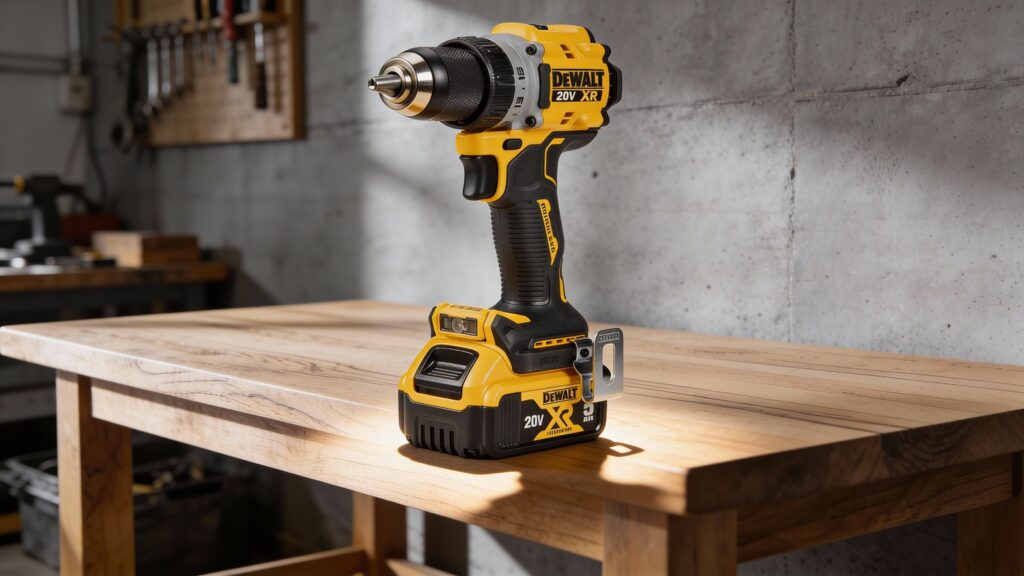
Quick Summary
The Bosch RH328VC is a capable SDS-Plus rotary hammer that feels steady and controlled in real-world masonry work, with power that holds up well under sustained drilling and light chiseling. It suits remodeling and install jobs where consistent progress and reduced fatigue matter, though its size and corded setup can limit convenience in tight or mobile workflows.
8.6
Score
Best for: Remodeling projects
Pros & Cons
Bosch RH328VC: what we liked (and what we didn’t)
A quick look at the biggest strengths and tradeoffs based on performance, handling, and everyday usability.
Pros
- Strong drilling: Maintains steady progress in concrete and block without feeling easily bogged down.
- Controlled starts: Predictable trigger response helps place holes accurately before the bit bites.
- Reduced fatigue: Smoother feel during longer sessions makes overhead and ladder work more manageable.
- Versatile modes: Handles common drilling and light chipping tasks without forcing a tool change mid-job.
- Confidence build: Feels robust and consistent in day-to-day use, supporting reliable workflow on job sites.
Cons
- Corded limitations: Power is consistent, but the cord can slow setups and reduce mobility on scattered tasks.
- Bulkier handling: The body size can be awkward in tight corners or when working between framing.
- Vibration still present: Smoother than many, but extended hammering can still be tiring without breaks.
- Value depends: The cost makes most sense if you regularly drill masonry, not for occasional anchor holes.
Specs
Bosch RH328VC key specifications
These are the core specs and practical details most buyers compare across top SDS-Plus rotary hammers.
| Spec | Bosch RH328VC |
|---|---|
| Type | Corded SDS-Plus rotary hammer |
| Platform | Bosch 120V corded lineup |
| Voltage | 120V (corded) |
| Speed | Variable speed trigger (manufacturer-rated RPM range) |
| Chuck | SDS-Plus bit system |
| Torque | High-impact energy output (manufacturer-rated) |
| Length | Approx. mid-size 1-1/8" class rotary hammer |
| Weight | Approx. 8 lbs (without accessories) |
| Clutch settings | Integral clutch system for bit bind protection |
| LED light | No integrated work light |
| Included | Tool, auxiliary handle, depth gauge, carrying case (varies by kit) |
| Best use | Concrete drilling, anchor setting, light chiseling and remodel work |
| Warranty | Bosch limited warranty (region dependent) |
Performance
How the Bosch RH328VC performs
We evaluated drilling pace, power delivery, start-up control, and handling across common remodeling and install scenarios—like setting anchors, drilling for conduit, and light chipping—to show how this SDS-Plus rotary hammer behaves in real-world use.
Drilling Speed
Moves through typical concrete and block at a steady pace, keeping holes clean and consistent when you let the tool do the work.
Torque & Power
Strong impact feel for common anchor and through-hole work, with good resistance to bogging as the bit loads up.
Control & Handling
Predictable trigger response helps with accurate hole placement, and the auxiliary handle adds confidence when the bit grabs.
Balance & Comfort
Stable in two-handed use, but the tool’s size becomes more noticeable during overhead drilling or long sessions on a ladder.
Noise & Vibration
Vibration control feels more refined than many rotary hammers, though extended hammering is still loud and fatiguing without breaks.
Overall Performance
A well-rounded SDS-Plus rotary hammer that prioritizes controlled, repeatable results for everyday masonry drilling and light chipping.
Testing note: Performance observations are based on practical drilling and light chiseling tasks in common masonry materials, focusing on control, comfort, and consistency rather than lab-style measurements.
Build Quality
Build quality & durability
The Bosch RH328VC comes across as a job-ready rotary hammer built around stability and control. The housing feels rigid, the grip texture stays secure with dusty or gloved hands, and the overall balance favors two-handed confidence over compact convenience.
Key contact points—SDS-Plus chuck area, side-handle interface, and control switches—feel tight and well-aligned with little sense of looseness. Bits seat with a positive feel, and the tool tracks straight under load, which helps maintain cleaner holes with fewer mid-drill corrections.
In everyday handling, it feels like a tool you can transport, set down, and move around a work area without constant babying. Heat management feels appropriate for repeated holes and intermittent chipping, and nothing about the exterior suggests it’s prone to rattles from normal jobsite vibration.
The tradeoff is portability: the sturdier build and corded design can feel bulkier than lighter cordless options, especially overhead or in tight mechanical spaces. If you prioritize planted handling and long-term confidence over maximum mobility, the construction makes sense.
Setup & Maintenance
Setup, daily use, and upkeep
The Bosch RH328VC is straightforward to set up—select the correct drilling or hammer mode, position the side handle for leverage, and match pressure to the material. Most results come from letting the hammer action work while maintaining steady control for cleaner holes and less operator fatigue.
Best setup for common tasks
- Anchor Holes: Hammer drill mode with moderate pressure. Keep the tool square and back the bit out occasionally to clear dust.
- Through Concrete: Steady hammer drilling at a controlled pace. Let the bit cut without forcing to avoid glazing or wandering.
- Light Chiseling: Chisel mode with two-handed grip. Work in short passes to maintain control and reduce vibration buildup.
- Precise Starts: Begin in drill-only mode for positioning, then switch to hammer once the bit is seated.
What to do for smoother starts
- Ease In: Feather the trigger at first contact so the bit doesn’t skate on hard surfaces.
- Brace The Handle: Use the auxiliary handle to stabilize the tool and keep holes aligned.
- Seat The Bit: Apply light forward pressure until the tip bites before increasing speed.
Maintenance (simple but important)
- Bit Shank Care: Wipe SDS shanks clean and apply light grease occasionally so bits lock smoothly.
- Vent Cleaning: Blow out dust from intake vents to maintain airflow during repeated drilling.
- Cord Inspection: Check the power cord for kinks or abrasions after transport and storage.
- Use Sharp Bits: Replace worn masonry bits—dull edges increase vibration, heat, and drilling time.
Tip: For tougher masonry or larger bits, keep both hands on the tool, brace your stance, and apply steady pressure. Let the hammer action do the work—forcing the drill reduces accuracy and increases fatigue.
Real-World Use
Where the Bosch RH328VC fits best
On paper, the Bosch RH328VC is a corded SDS-Plus rotary hammer. In real projects, it stands out most when consistent masonry drilling, controlled handling, and reduced fatigue matter more than cordless convenience.
Home renovation & remodeling
Well suited for setting anchors, drilling for fixtures, and running conduit through concrete or block. The tool maintains steady progress on repetitive holes, helping keep renovation workflows moving without constant restarts or bit resets.
Basement and garage projects
For mounting shelving, wall tracks, or workbenches into masonry, the RH328VC delivers predictable starts and consistent depth control, making layout-driven projects feel more manageable and less physically demanding.
Light professional installs
Installers handling electrical, plumbing, or hardware mounting will appreciate the tool’s controlled hammer action and stable two-handed balance, especially during back-to-back anchor work across a jobsite.
Where it’s less ideal
If you need maximum mobility or frequently work overhead in tight mechanical spaces, a compact cordless rotary hammer may feel easier to manage. The RH328VC favors steady power and planted handling over portability.
Value
Is the Bosch RH328VC worth it?
The Bosch RH328VC makes the most sense when you regularly drill into concrete or block and want consistent results without fighting the tool. For occasional anchor holes or one-off projects, a simpler hammer drill—or even a rental rotary hammer—may be a more cost-effective path.
Price-to-performance takeaway
You’re paying for steady masonry performance, better control during starts, and a build that feels suited to repeated jobsite handling. Value improves when the tool replaces multiple slower workarounds, or when you choose a kit that includes the case and common accessories instead of piecing everything together later.
Tip: If you already own SDS-Plus bits and a suitable extension cord, tool-only kits can be a smart buy. If not, compare bundles that include the case, handle, and depth gauge so you’re ready to work without extra add-ons.
FAQ
Bosch RH328VC FAQ
Quick answers to the most common questions about the Bosch RH328VC—compatibility, use cases, and what to expect in real-world work.
Is the Bosch RH328VC a rotary hammer or a hammer drill?
It’s a true SDS-Plus rotary hammer, designed for regular concrete and masonry drilling with a dedicated hammer mechanism. It’s more capable for anchor holes and light chiseling than a standard hammer drill/driver.
Does it use SDS-Plus bits?
Yes. The RH328VC uses the SDS-Plus system, which allows quick bit changes and better energy transfer for concrete, block, and brick compared to traditional keyed or keyless chucks.
Can it handle light chiseling?
Yes. It includes a chisel-only mode for light demo tasks like removing tile, cleaning mortar joints, or breaking up thin concrete edges. It’s not meant for heavy demolition, but it works well for small prep jobs.
Who is this rotary hammer best for?
It’s a good fit for remodelers, installers, and serious DIYers who regularly drill anchor holes or mount hardware into masonry and want consistent performance without stepping up to a much larger SDS-Max tool.
Is it overkill for occasional home projects?
If you only drill a few masonry holes a year, a basic hammer drill may be enough. The RH328VC makes more sense when concrete work is recurring and you value faster progress with less effort.
Does it come as a kit or tool-only?
It’s commonly sold as a corded kit with a carrying case, side handle, and depth gauge. Availability can vary by retailer, so it’s worth checking what accessories are included before buying.
What are the most common downsides?
The main tradeoffs are corded mobility and bulk compared to compact cordless options. It’s also louder than standard drills, which is typical for rotary hammers during extended concrete work.
Alternatives
Best alternatives to the Bosch RH328VC
If the RH328VC feels close but not quite right—whether you want cordless freedom, a lighter corded option, or a more budget-friendly rotary hammer—these alternatives represent different tradeoffs worth considering.
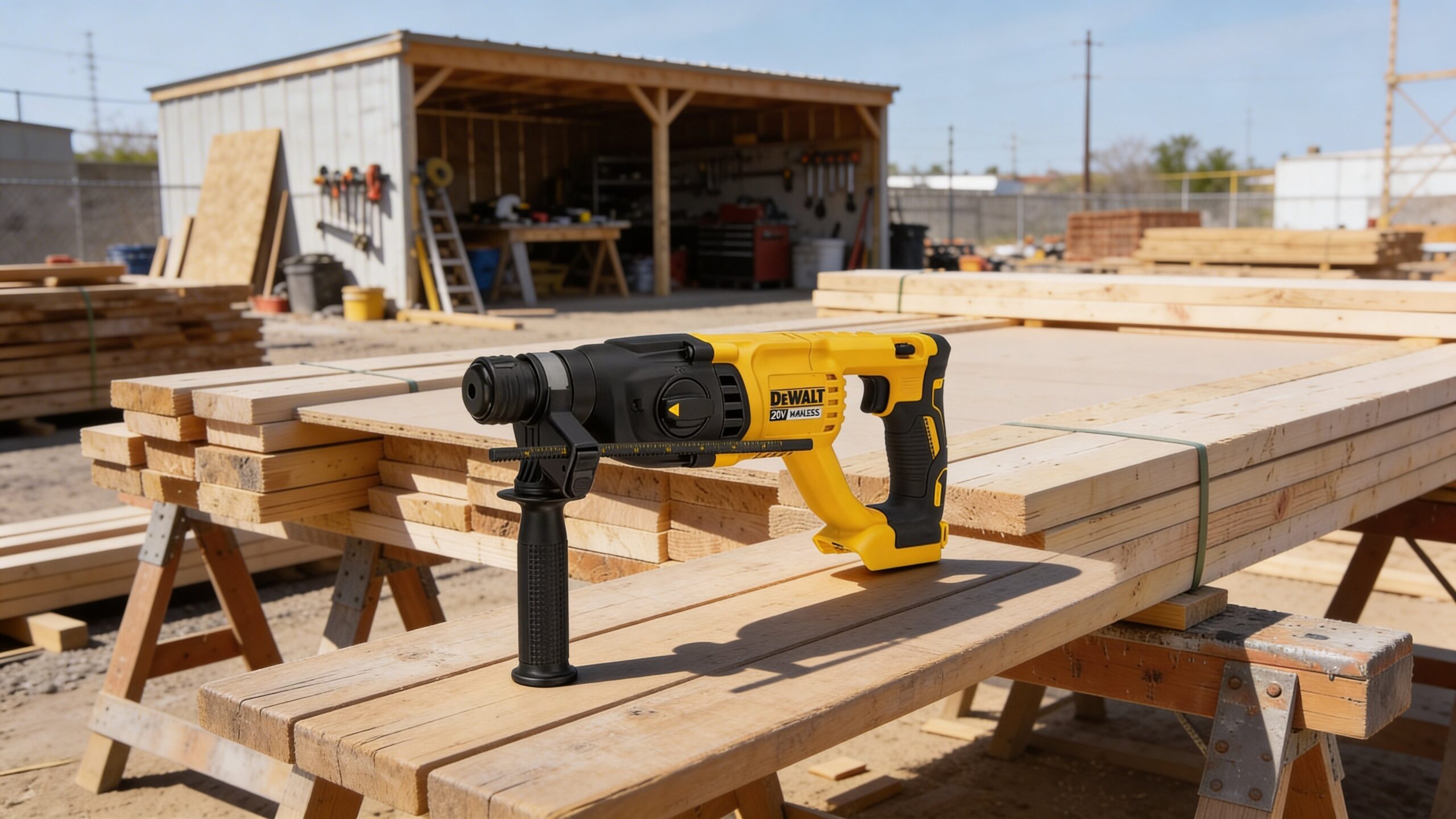
DeWalt D25263K SDS-Plus
Best value
A solid corded rotary hammer that prioritizes straightforward performance at a lower entry cost—appealing if you want dependable masonry drilling without paying for extra refinement.
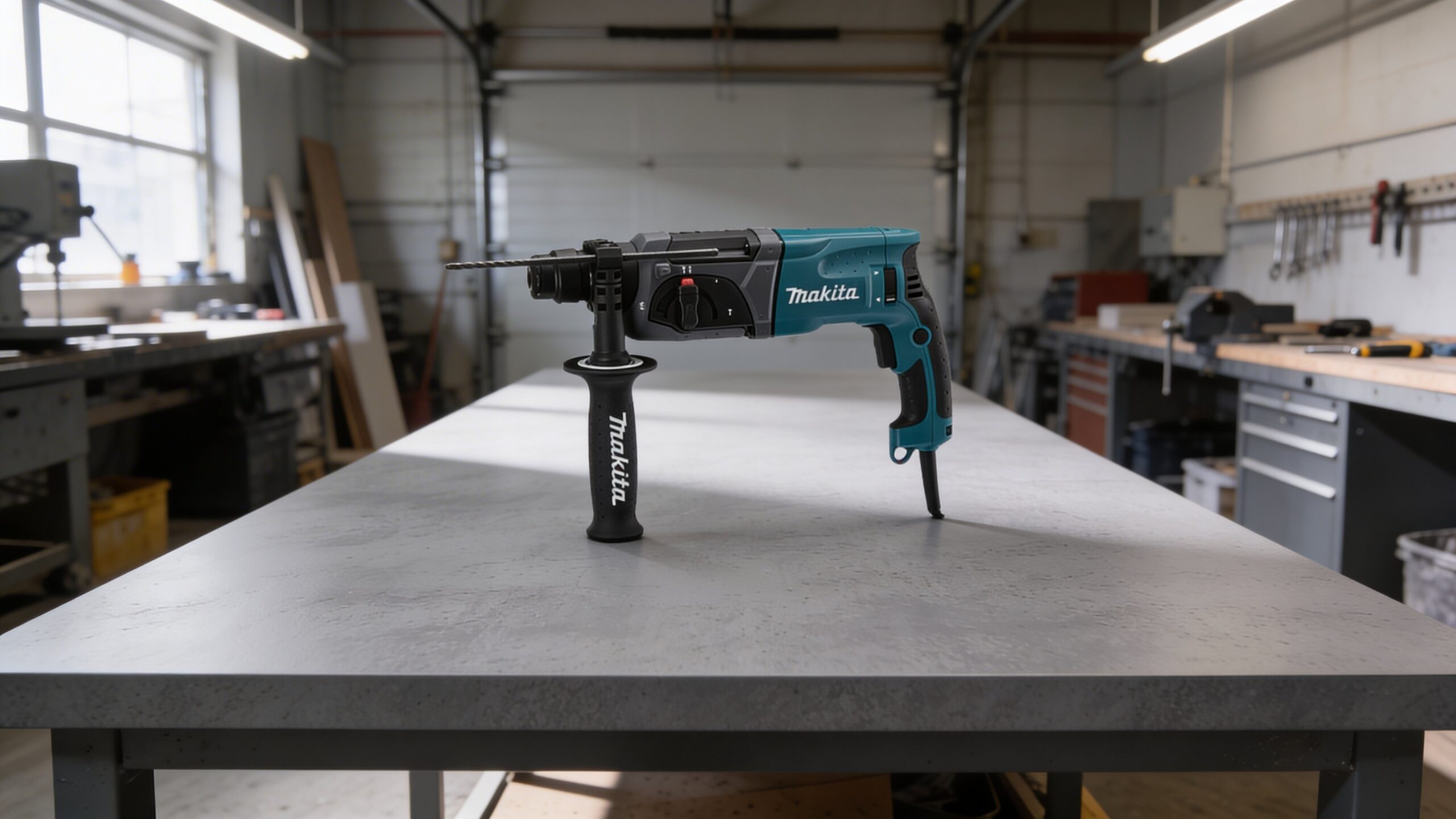
Makita HR2475 SDS-Plus
Lighter feel
A popular alternative if you prefer a slightly lighter, simpler rotary hammer for anchor holes and light demo, especially in tighter spaces where handling matters more than raw output.
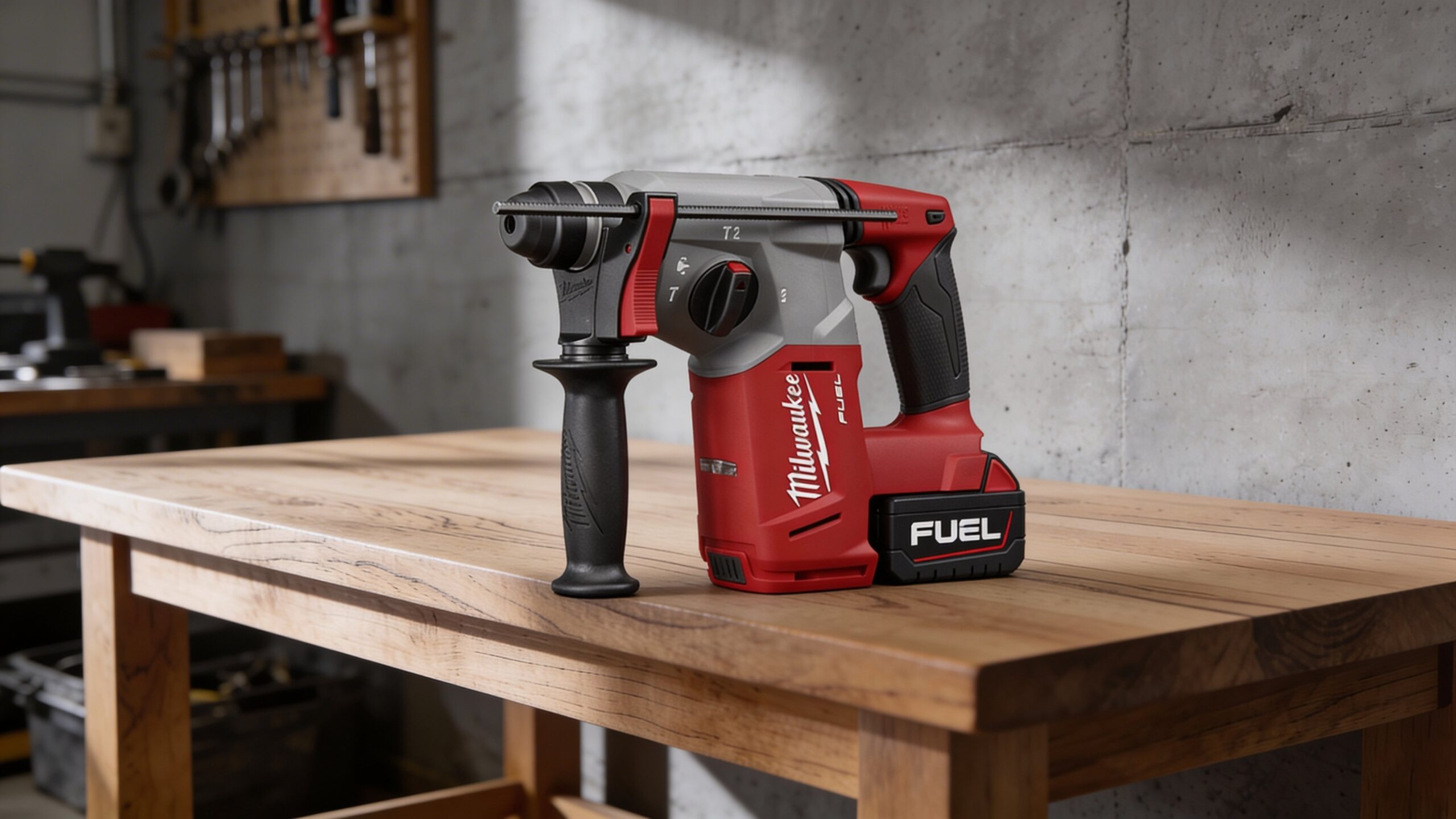
Milwaukee 2712-20 (M18 SDS-Plus)
Cordless
If mobility matters more than continuous corded power, this cordless SDS-Plus option trades some sustained drilling pace for freedom of movement—especially useful on scattered installs or punch-list work.
Sources
Sources & reference notes
Specifications and compatibility details referenced in this review were verified using publicly available manufacturer documentation and current product listings. Where configurations vary by kit or retailer, we note differences directly in the article.
- Bosch Power Tools — product documentation and published specifications for the Bosch RH328VC SDS-Plus rotary hammer.
- SDS-Plus accessory and bit-system compatibility guidance used to confirm fitment expectations across common rotary hammer consumables.
- Retail product listings used to confirm current naming, SKU variations, and commonly bundled accessories (case, handle, depth gauge).
Where to Buy
Bosch RH328VC
SDS-Plus Rotary Hammer
Typical price range: $169–$299
Pricing varies by retailer and kit configuration (case and accessories may differ).
Check Current PriceReview Snapshot
Bosch RH328VC
8.6
Controlled masonry performance
Best for repeated anchor and concrete drilling where consistency matters, with the tradeoff of corded mobility and a bulkier feel overhead.
- Performance: Steady drilling pace in concrete and block for common install work
- Handling: Stable two-hand control, but less convenient in tight or overhead spaces
- Value: Pays off for recurring masonry tasks; occasional users may rent instead
Top 10 List
See the best rotary hammers right now
Want broader context? Our Top 10 compares rotary hammers by performance feel, handling, and value across common masonry tasks.
View the Top 10Compare Models
Compare this rotary hammer
See how the Bosch RH328VC stacks up against other SDS-Plus rotary hammers across drilling feel, handling, and overall value.
View ComparisonsAccessories You’ll Want
- SDS-Plus masonry bit set (covers common anchor sizes and reduces downtime from worn or mismatched bits)
- SDS-Plus chisel assortment (flat and pointed chisels for tile removal, light demo, and surface cleanup)
- Dust extraction shroud (helps keep holes cleaner and improves visibility during overhead drilling)
- Long SDS-Plus bits (adds reach for thicker material and awkward install locations without poor angles)
- Heavy-duty extension cord (maintains consistent power delivery and reduces voltage drop on longer runs)
Tip: SDS-Plus compatibility is the biggest long-term factor—invest in quality bits and keep shanks clean and lightly greased so seating stays smooth and drilling stays consistent.