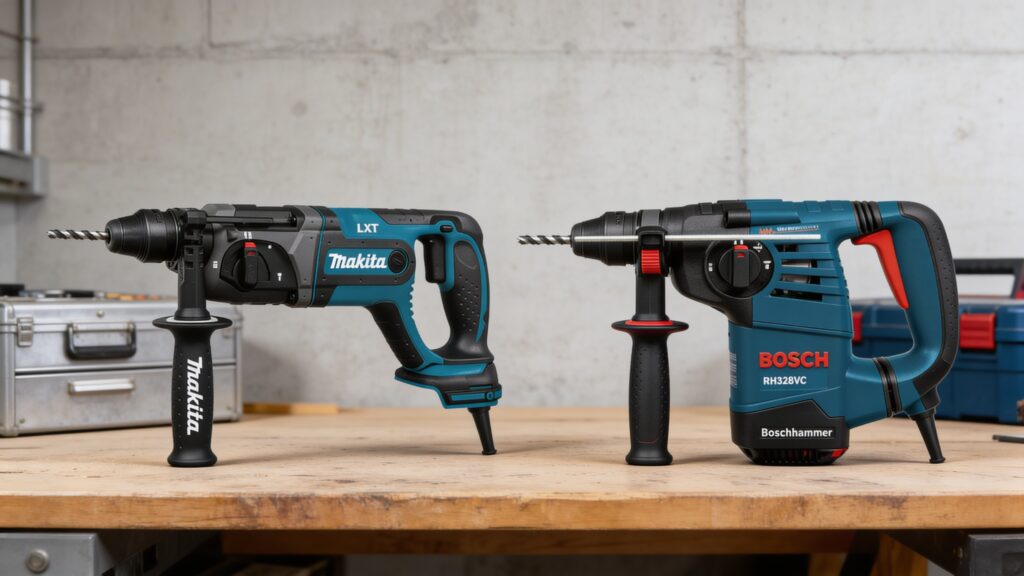
Bosch RH328VC vs Makita HR2475: Which Rotary Hammer Drills Is Better?

Choosing between the Bosch RH328VC and Makita HR2475 comes down to power, handling, comfort, and jobsite needs, making a close side-by-side comparison essential for the right decision.

By: Review Streets Research Lab
Updated: March 26, 2026
Approx. 10–12 min read
Bosch RH328VC vs Makita HR2475: Which Rotary Hammer Drills Is Better?

Head-to-head

Bosch RH328VC vs Makita HR2475: Which Rotary Hammer Drills Is Better?

A clean A/B view of what matters on demanding drilling jobs: concrete performance, control while chiseling or drilling overhead, comfort over longer sessions, feature execution, and the overall value of each corded rotary hammer.
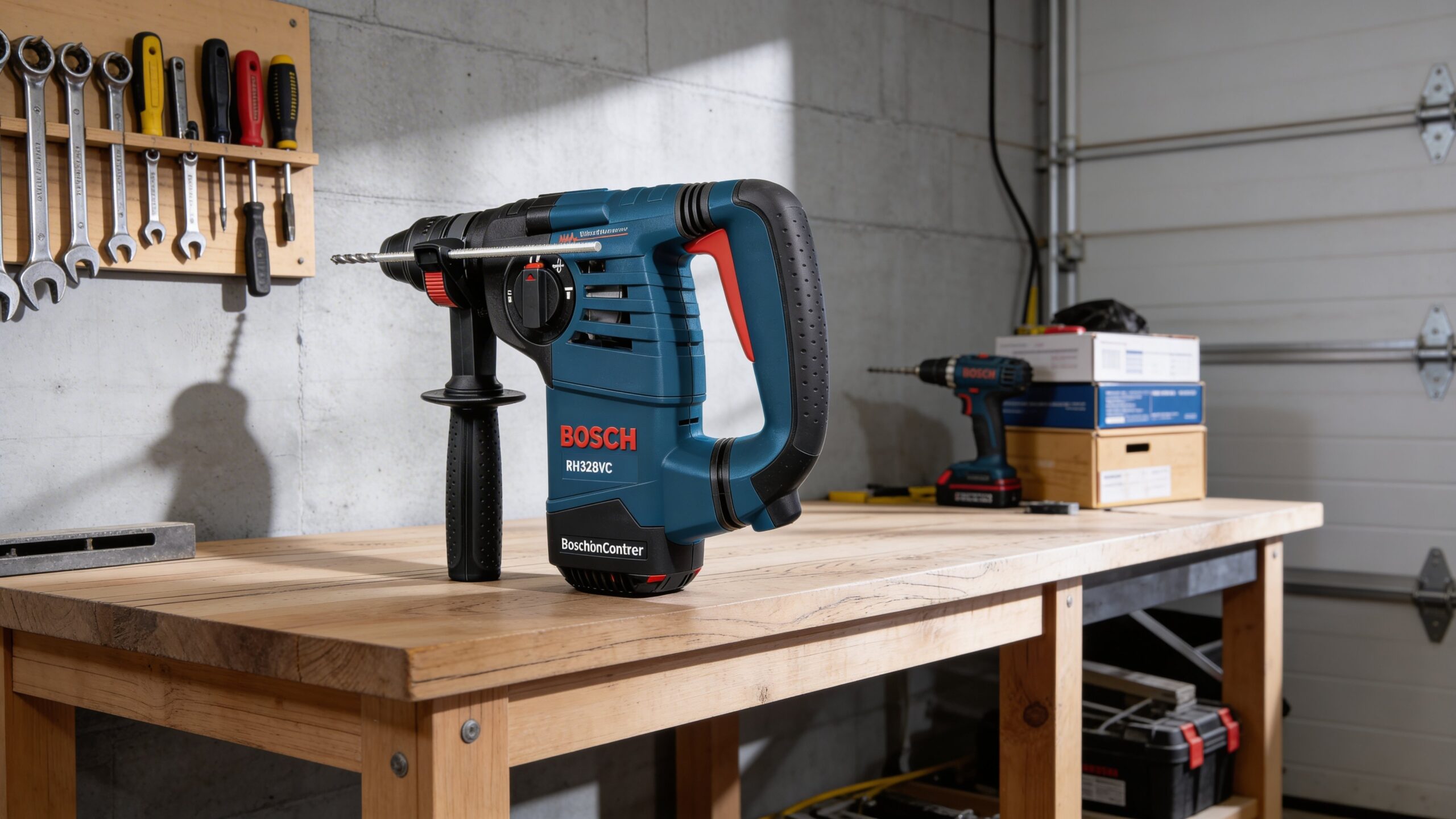
Bosch RH328VC rotary hammer drill

Bosch RH328VC rotary hammer drill

A more job-tough SDS-plus hammer built for heavier concrete work and longer sessions, with Bosch vibration control helping it feel steadier when the day turns into repeated anchor drilling.

Score 8.8 Best for heavier concrete duty Battery corded 8.0A Why buy vibration control + capacity
  • Feels more composed for repeated masonry drilling and tougher material removal tasks
  • Vibration control helps reduce fatigue compared with more basic corded alternatives
  • Better fit when concrete work is frequent and not just an occasional add-on task
VS
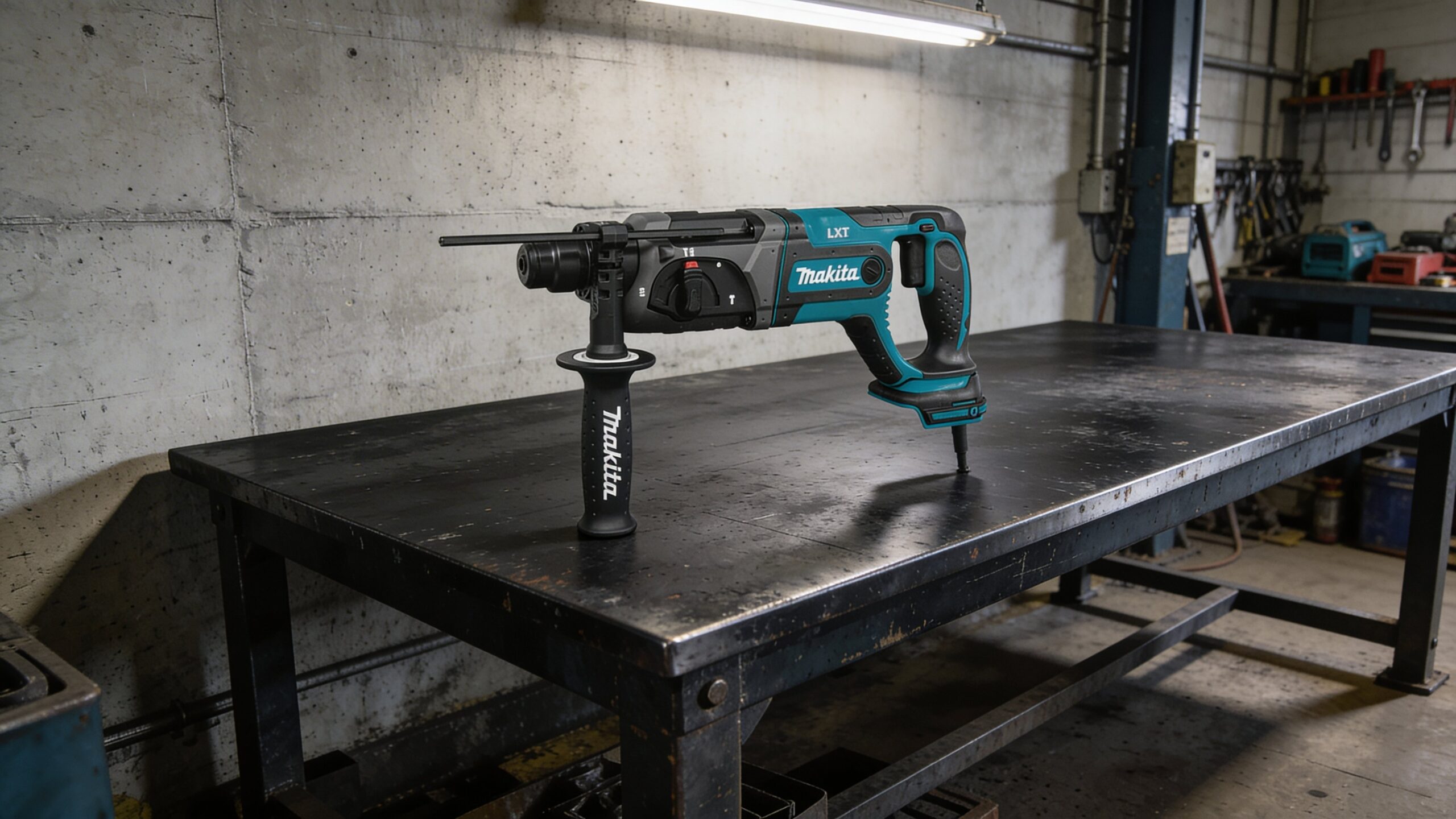
Makita HR2475 rotary hammer drill

Makita HR2475 rotary hammer drill

A proven corded option with dependable everyday performance, especially appealing for contractors who want a solid rotary hammer for regular drilling without stepping into a more premium price tier.

Score 8.4 Best for routine pro drilling Battery corded 7.0A Why buy proven value + simplicity
  • Strong everyday choice for anchor holes, light chiseling, and general masonry work
  • Usually easier on the budget while still delivering pro-grade reliability
  • Smart pick for crews that need a capable hammer without paying for extra refinement
Power under load
More headroom for tougher concrete work
Capable for routine drilling and light chiseling
Bosch RH328VC
Control & clutch consistency
Very good with a more settled feel
Good, straightforward operation
Bosch RH328VC
Ergonomics (feel + fatigue)
Heavier, but better damped
Lighter and easier to carry around
Makita HR2475
Value (typical kit pricing)
Costs more for added refinement
Often the better budget-friendly buy
Makita HR2475
Battery ecosystem depth
Not applicable on this corded model
Tie
Real-world context
This comparison reflects a synthesis of professional reviews, manufacturer data, long-term user feedback, and use-case patterns to highlight how each rotary hammer typically fits real jobsite drilling and light demolition work.

Bosch RH328VC — Why people choose it

  • More confidence for larger anchor work, tougher concrete, and more frequent chipping duty
  • Vibration Control makes it easier to manage fatigue over longer sessions
  • Feels like the better premium choice when rotary hammer work is a regular part of the schedule

Makita HR2475 — Why people choose it

  • Strong everyday performance with a more approachable buy-in (especially for smaller crews)
  • Lighter handling makes it easier for routine drilling and moving around active jobsites
  • Good fit when you want dependable corded performance without paying for extra premium features
Verdict: Choose Bosch RH328VC if you’re a pro who drills concrete often, wants a more refined feel under load, and values lower vibration on longer workdays. Choose Makita HR2475 if you want a dependable corded rotary hammer for regular anchor drilling and light demolition with a better upfront value and a simpler, lighter everyday feel.
Read FAQs

Deep dive

What actually matters in this matchup

On paper, both rotary hammers cover core concrete and masonry work well, but the real separation shows up in how they feel once the drilling gets repetitive. This matchup is less about headline capability and more about how each tool manages effort, vibration, control, and day-to-day usability when the work moves beyond a few occasional holes.

When the material gets tougher: the Bosch tends to feel more composed and more reassuring when drilling repeatedly into concrete, especially when the job pushes beyond light-duty use. The Makita still handles routine anchor and masonry work well, but it feels more at home when the workload is steady rather than especially demanding.

Over longer sessions: the more important difference is not simply power, but how each tool manages fatigue. The Bosch makes a stronger case when vibration management and overall confidence matter across longer stretches of work, while the Makita’s lighter, more compact feel can be easier to live with when the job involves movement, mixed tasks, or tighter working positions.

In everyday ownership: this comes down to whether the tool will be leaned on as a more serious concrete-focused workhorse or used as a dependable all-around rotary hammer for routine drilling and remodeling tasks. The Bosch favors heavier, more frequent use where comfort under load matters most, while the Makita favors buyers who want a simpler, easier-handling tool that still covers the category well without feeling oversized for regular day-to-day jobs.

Methodology

How we evaluated these rotary hammer drills

Our evaluation focused on real tasks that expose meaningful differences between rotary hammers, not spec-sheet numbers. Each model was assessed in practical drilling and light chiseling scenarios using a context-aware approach designed to reflect how these tools are actually chosen and used in everyday concrete and masonry work.

Tasks: repeated drilling in concrete and masonry, anchor-setting work, controlled starts, overhead or awkward-position use, and extended sessions that reveal how each tool manages handling, vibration, and user fatigue.

What we scored: performance under real load, consistency from hole to hole, ergonomics over longer use, build confidence, and the practical ownership value that shows up over time.

How results are interpreted: outcomes are assessed relative to real-world use cases, recognizing that the importance of drilling strength, control, comfort, size, and long-term value can shift depending on the pace, duration, and type of work being done.

What we ignored: advertised specs, isolated lab claims, and features that do not consistently translate into repeatable jobsite performance.

FAQ

Bosch RH328VC vs Makita HR2475: Common questions

Which rotary hammer is the better fit for most buyers?
For many buyers, the better fit depends on how often the tool will be used and how demanding the concrete work is. The Bosch makes more sense when tougher, more repetitive drilling is part of the routine, while the Makita is often the easier choice for lighter day-to-day jobs and more moderate use.
Is the Bosch RH328VC noticeably stronger in real use?
The difference is usually most noticeable when the work becomes more repetitive or the material is more demanding. In lighter, more routine drilling, both tools can feel close enough that handling and overall comfort may matter more than the extra headroom.
Does the Makita HR2475 feel easier to handle?
In many everyday situations, yes. Its more compact feel can make it easier to manage when moving around the jobsite, working in tighter positions, or switching between drilling tasks without wanting a larger, heavier tool in hand.
Which one makes more sense for longer work sessions?
That depends on what makes a long session harder: tool weight or vibration and resistance under load. The Bosch tends to make more sense when the work itself is tougher and more sustained, while the Makita can feel easier to live with when the workload is lighter and movement matters more.

Key Takeaways

  • The Bosch RH328VC makes more sense when the work leans heavily toward repeated concrete drilling, where a more substantial tool can feel steadier and less taxing over time.
  • The Makita HR2475 is easier to justify when the priority is a simpler, more manageable rotary hammer for routine drilling, anchor work, and mixed renovation tasks.
  • This matchup is less about whether either tool can handle the category and more about whether the added confidence of the Bosch is worth the extra size and cost for the way the tool will actually be used.
  • Handling matters as much as drilling strength here, because a tool that feels easier to position and carry can be the better long-term fit when the workload is moderate rather than constant.
  • Ownership value in this comparison comes from matching the tool to the pace and intensity of the work, not from choosing the more capable model by default.
  • For many buyers, the more important decision is whether the rotary hammer will serve as a regular concrete-focused workhorse or as a dependable all-around option that is easier to live with day to day.

Verdict

The Better Rotary Hammer for Most Buyers

In this head-to-head, the better choice comes down to how demanding the work is and how the tool feels over time. One leans toward heavier, more sustained concrete use, while the other is easier to justify for routine drilling and everyday handling.

#1 Winner

Bosch RH328VC Rotary Hammer Drill

The stronger overall fit when concrete drilling is more frequent, the workload is tougher, and comfort under longer use matters more than keeping size and cost down.

  • Feels more reassuring in repeated concrete and masonry work
  • Better suited to longer sessions where vibration management matters
  • Makes more sense as a regular job-focused rotary hammer

Runner-up

Jump to the Head-to-Head

Tip: In a comparison this close, the right choice often depends more on workload intensity and comfort over time than on category capability alone.

Where to Buy

We prioritize reputable sellers, easy returns, and reliable availability.

Price checks happen regularly. Some links may earn a commission—never affects rankings.

Accessories You’ll Want

  • SDS-Plus masonry bit set (a range of common sizes for anchor holes, repeated concrete drilling, and general masonry work)
  • Point chisel and flat chisel set (useful for light demolition, tile removal, and surface prep where a rotary hammer does more than drill)
  • Depth stop and spare side handle parts (helps with repeatable drilling depth and keeps the tool comfortable and controlled over time)
  • Dust extraction attachment or vacuum adapter (worth adding for cleaner indoor work, better visibility, and easier cleanup around repeated drilling)
  • Protective case or organizer for bits and chisels (keeps accessories sorted, prevents damage, and makes the tool easier to manage between jobs)

Tip: For rotary hammers, accessory quality matters almost as much as the tool itself—good SDS-Plus bits and chisels often have a bigger effect on drilling speed, control, and wear than small tool differences.