Brushless Motor vs Brushed Motor Hammer Drills: Key Differences Explained

This head-to-head comparison examines brushless and brushed motor hammer drills, focusing on performance, efficiency, durability, and maintenance to help users understand real-world tradeoffs and make informed, practical decisions.

By: Review Streets Research Lab
Updated: February 13, 2026
Approx. 10–12 min read
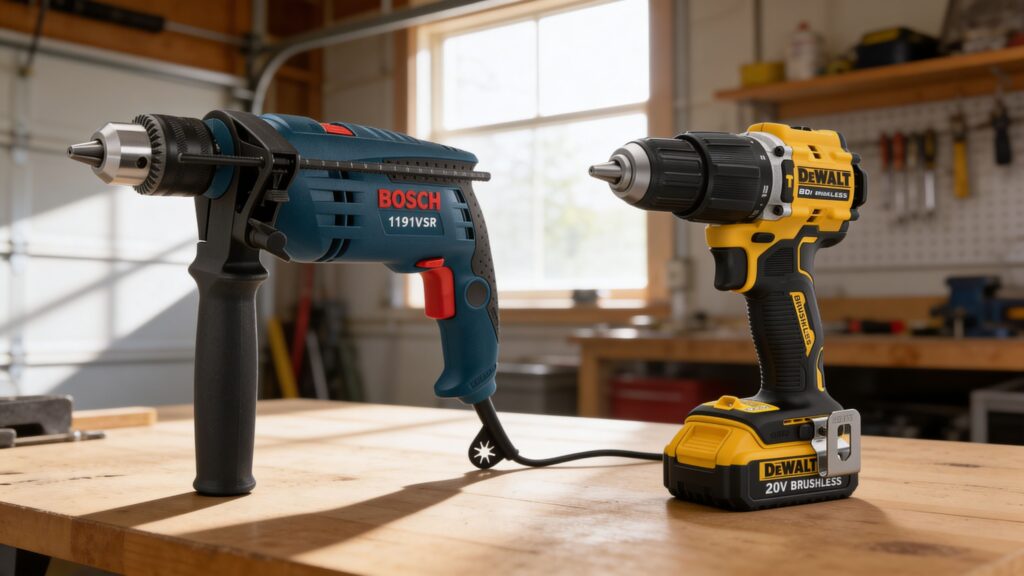
Brushless motor hammer drill and brushed motor hammer drill placed side by side on a workbench in a neutral workshop environment for head-to-head comparison

Head-to-head

Brushless Motor vs Brushed Motor Hammer Drills: Key Differences Explained

A clear A/B look at what changes in day-to-day work when you choose a brushless versus brushed motor hammer drill: sustained performance, heat management, service needs, control at low speed, and total cost over time.
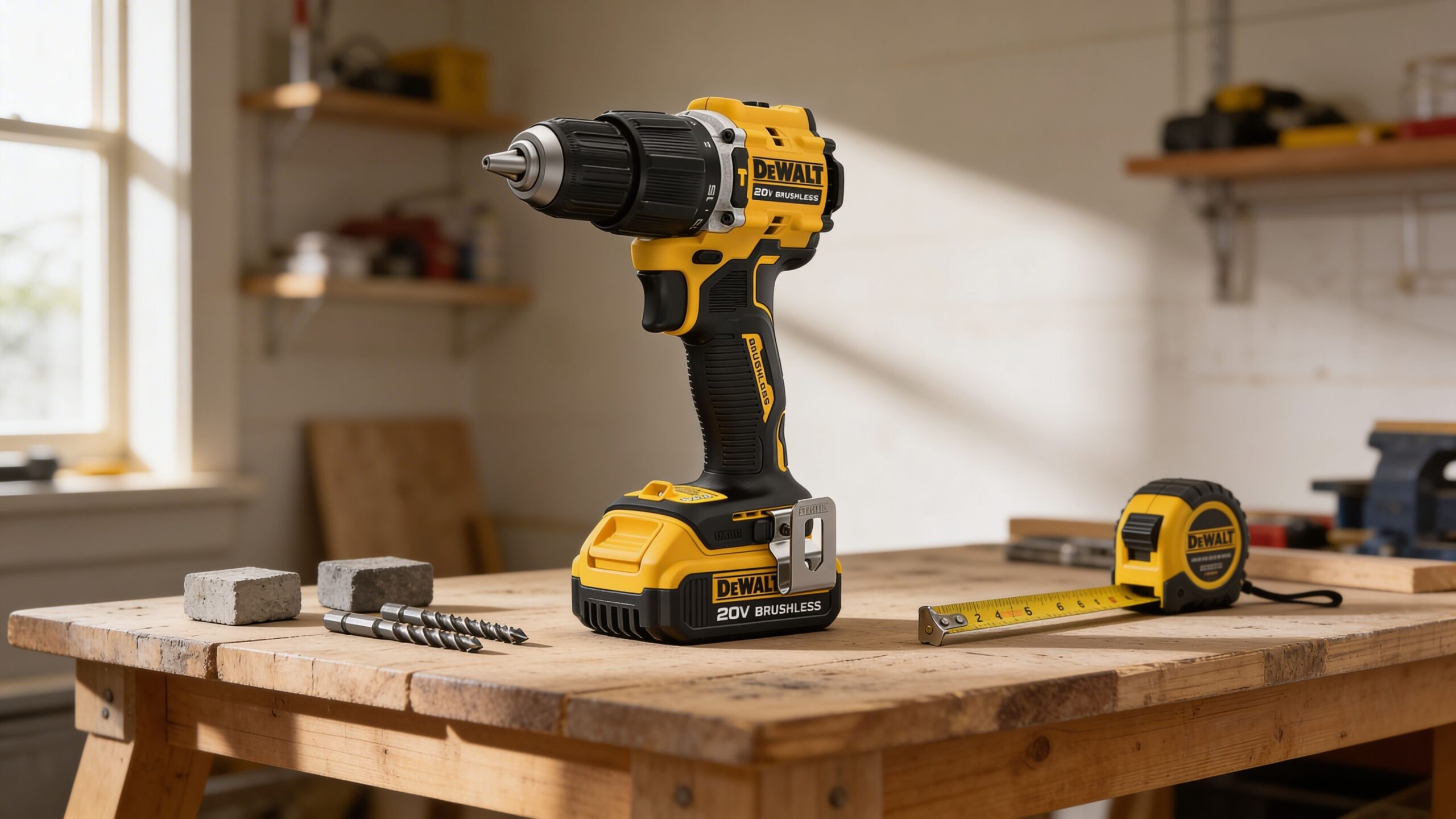
Brushless hammer drill

Brushless hammer drill

The modern “work more, charge less” option—typically runs cooler, holds speed more consistently, and feels smoother in repeated drilling and fastening when your day includes mixed materials.

Score 9.1 Best for frequent use + runtime Battery platform-specific Why buy efficiency + longevity
  • More consistent feel in repeat holes and long fastening runs, especially as batteries drop
  • Typically runs cooler with less routine motor maintenance over time
  • Often the better long-term pick when your kit will expand within the same battery ecosystem
VS
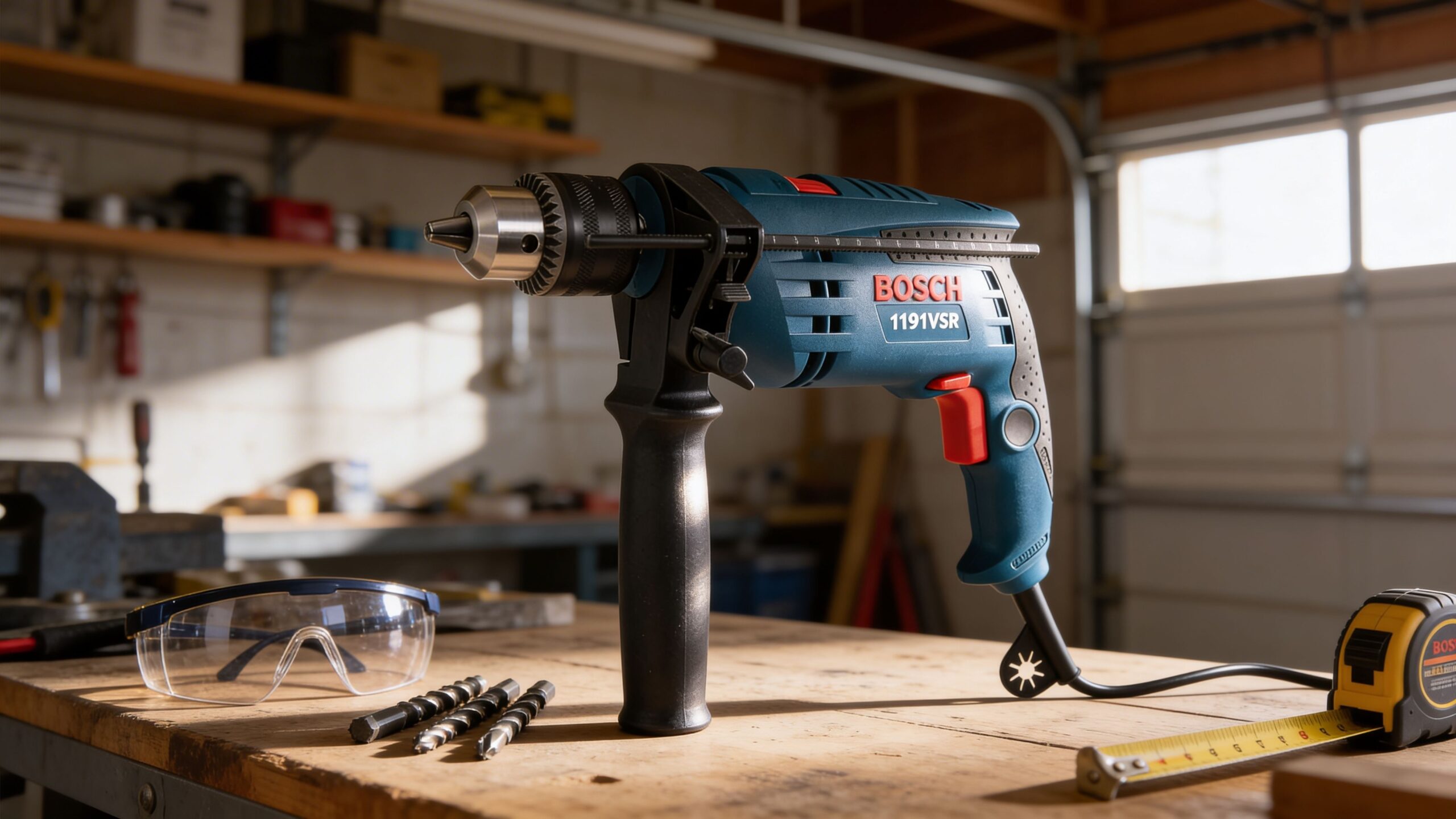
Brushed hammer drill

Brushed hammer drill

A proven, straightforward design that delivers solid results for periodic masonry work—often a simpler, lower-cost route when you don’t need maximum runtime or all-day drilling endurance.

Score 8.2 Best for occasional drilling Battery corded or entry-level Why buy cost + simplicity
  • Gets the job done for anchors, Tapcons, and light masonry drilling without premium pricing
  • Simple design that’s familiar to use and typically easier to service if needed
  • Better fit when drilling demands are intermittent rather than continuous, high-volume work
Power under load
Holds speed more consistently
Adequate for short bursts
Brushless
Control & clutch consistency
Smoother low-speed delivery
Good, less refined at extremes
Brushless
Ergonomics (feel + fatigue)
Often lighter per output
Can feel warmer over long runs
Brushless
Value (typical kit pricing)
Higher upfront cost
Usually lower buy-in
Brushed
Battery ecosystem depth
Best fit for expanding kits
Fine for a basic setup
Brushless
Real-world context
This comparison reflects a synthesis of professional reviews, manufacturer data, long-term user feedback, and use-case patterns to highlight how each drill typically performs in everyday projects.

Brushless — Why people choose it

  • More consistent drilling and fastening feel across a wider range of materials
  • Typically cooler-running with less routine motor service over the tool’s life
  • Better long-term value if you’ll rely on the drill frequently and build a larger kit

Brushed — Why people choose it

  • Lower cost of entry for basic anchor holes and occasional masonry tasks
  • Simple, familiar design that’s widely supported and generally easy to maintain
  • A sensible pick when usage is intermittent and runtime demands are modest
Verdict: Choose Brushless if your work involves frequent drilling and fastening, longer sessions, or you’re investing into a battery platform for the long haul—its efficiency and heat management typically pay off over time. Choose Brushed if you drill masonry only occasionally, prefer a lower upfront cost, or want a straightforward tool that covers the basics without overbuying.
Read FAQs

Deep dive

What actually matters in this matchup

Brushless and brushed hammer drills can both drill anchors and drive fasteners, but they tend to feel very different once you move beyond quick, occasional holes. This deep dive focuses on the practical factors that change outcomes in real work: how consistently the drill holds its pace as resistance increases, how controllable starts and stops feel, how heat and fatigue build over longer sessions, and what ownership looks like when you factor in battery platforms, service needs, and long-term flexibility.

For frequent use: the most meaningful difference is consistency over time. Brushless designs typically stay smoother and more predictable across repeated holes and long fastening runs, which can reduce rework and keep the workflow moving when the task list is long.

For control and finish quality: starting cleanly matters more than headline power. Brushless models often feel easier to “feather” into a hole or a fastener, while brushed models can still be effective but may feel less refined at very low speeds or when switching between tasks.

For ownership and value: brushed can make sense when the drill comes out for intermittent masonry work and basic repairs, keeping the buy-in lower. Brushless tends to make more sense when the tool is used regularly, battery runtime and heat management affect the day, and you want the most future-proof path if your setup will expand.

Methodology

How we evaluated brushless vs brushed hammer drills

Our evaluation focuses on the kind of real work that reveals the practical differences between brushless and brushed motor hammer drills—not spec-sheet claims. We look at how each style of drill behaves across common drilling and fastening tasks, how predictable it feels over longer sessions, and how ownership considerations (battery platform, maintenance, and long-term flexibility) affect the day-to-day experience.

Tasks: drilling repeated anchor holes in concrete and masonry, transitioning between drill-only and hammer mode, driving common construction fasteners, and stop–start cycles that expose control, heat buildup, and consistency.

What we scored: sustained performance under real resistance, low-speed control and predictability, ergonomics and fatigue over longer use, build confidence and reliability signals, and ownership factors such as battery ecosystem depth and expected service needs.

How results are interpreted: outcomes are assessed in context, since the “best” choice depends on use frequency, session length, and whether the drill is part of a growing cordless platform or a basic, occasional-use setup.

What we ignored: isolated advertised performance claims, torque marketing, and features that don’t consistently translate into repeatable drilling results, cleaner control, or meaningful workflow improvements.

FAQ

Brushless vs Brushed Hammer Drills: Common questions

Will a brushed hammer drill handle concrete and masonry?
Yes—brushed hammer drills can drill common anchor holes in concrete, brick, and block when paired with the right masonry bit and reasonable expectations. They’re usually a better fit for shorter sessions and occasional work rather than continuous, high-volume drilling.
When does a brushless hammer drill make the biggest difference?
The difference shows up most in repeated drilling and longer work sessions. Brushless designs typically feel more consistent as resistance changes, run cooler, and deliver steadier output, which can reduce fatigue and interruptions when the drill is used frequently.
Is brushless worth paying more for if I only use a hammer drill sometimes?
Not always. If your use is occasional—such as a few anchors, small repairs, or short weekend projects—a brushed hammer drill can be a practical choice. Brushless tends to be easier to justify when the drill is used often enough that efficiency, heat management, and long-term durability affect the experience.
Does brushless automatically mean more power?
Not automatically. Brushless motors are typically more efficient and better at sustaining output, but real-world results depend on the overall tool design, battery platform (for cordless), gearing, and how well the drill manages load. For many users, the more noticeable advantage is consistency and control rather than peak power.
What should I consider besides the motor type?
Prioritize how the drill fits your work: comfort in the hand, predictability at starts, how quickly it heats up during repeated holes, and whether you’re buying into a battery ecosystem for other tools. Those factors often matter more day-to-day than the motor label alone.
Which is the better pick for long-term ownership?
Brushless models often align better with long-term ownership when the drill is used frequently and you plan to expand within a cordless platform. Brushed models can still be a smart long-term choice when usage is intermittent and you prefer a simpler, lower-cost tool that covers the basics.

Key Takeaways

  • Brushless hammer drills tend to feel more consistent and controlled over longer sessions, which becomes more noticeable as drilling demands increase or work becomes repetitive.
  • Brushed hammer drills remain a practical choice for occasional masonry work, where simplicity and lower upfront cost can matter more than efficiency gains.
  • The difference between the two shows up most in sustained use—heat buildup, runtime consistency, and fatigue management become more relevant the longer the drill is in hand.
  • For intermittent tasks and short projects, both motor types can achieve similar results, making ownership expectations a bigger factor than raw performance.
  • Choosing brushless often makes more sense when the drill is part of a growing cordless setup, while brushed fits better as a standalone, task-specific tool.
  • In everyday use, the decision often comes down to how often the tool will be used and how much consistency, comfort, and long-term flexibility matter over time.

Verdict

The Right Hammer Drill Motor for Most Buyers

In this head-to-head, the choice comes down to how often the drill is used, how long it stays in hand, and whether efficiency and consistency matter more than simplicity and upfront cost over time.

#1 Winner

Brushless Hammer Drill

Stronger long-term fit for frequent use, with steadier performance, cooler operation, and a more consistent feel across repeated drilling and fastening.

  • Maintains a more predictable feel during longer, repeated drilling sessions
  • Typically manages heat and runtime more efficiently in sustained use
  • Better aligned with buyers building out a cordless platform over time

Runner-up

Jump to the Head-to-Head

Tip: If the drill will be used regularly or as part of a growing cordless setup, efficiency and consistency tend to matter more over time than initial price alone.

Where to Buy

We prioritize reputable sellers, easy returns, and reliable availability.

Price checks happen regularly. Some links may earn a commission—never affects rankings.

Accessories You’ll Want

  • Masonry drill bit set (carbide-tipped bits in common anchor sizes for concrete, brick, and block)
  • Depth stop or drill depth gauge (helps keep anchor holes consistent and avoids over-drilling)
  • Dust control add-on (vacuum attachment or dust extractor adapter to keep holes clean and reduce cleanup)
  • Auxiliary side handle (improves control and reduces wrist strain during hammer drilling)
  • Hearing and eye protection (basic safety gear that matters more when drilling masonry)

Tip: Match bits to the material and fastener type—good masonry bits and clean holes often matter more than motor type for reliable anchors.