Brushless Motor vs Brushed Motor: Key Differences Explained

Brushless and brushed motors shape rotary hammer performance in different ways, affecting efficiency, maintenance, durability, and control, making a side-by-side comparison essential for real-world tool selection.

By: Review Streets Research Lab
Updated: March 26, 2026
Approx. 10–12 min read
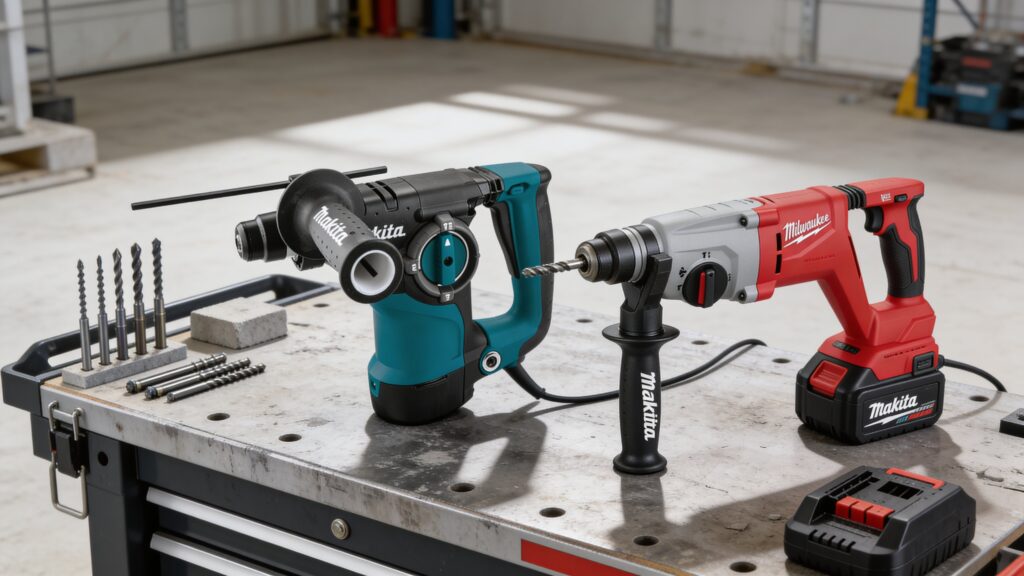
Side-by-side comparison image of a brushless motor rotary hammer and a brushed motor rotary hammer in a professional workshop setting

Head-to-head

Brushless Motor vs Brushed Motor: Key Differences Explained

A clean A/B view of what matters in real use: efficiency, maintenance needs, long-term durability, tool feel under repeated drilling, and the practical tradeoffs that shape buying decisions.
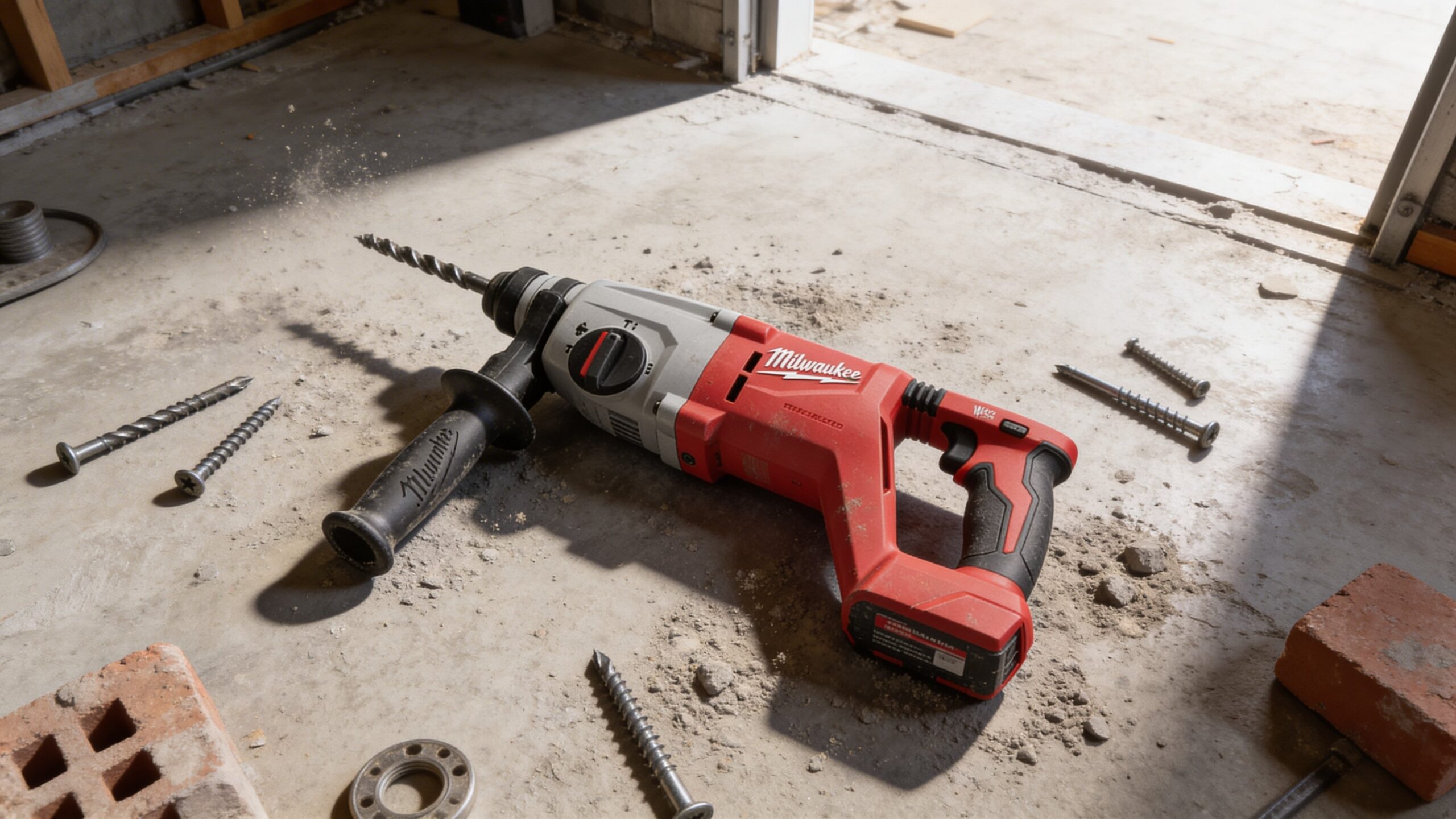
Brushless Motor Rotary Hammer

Brushless Motor Rotary Hammer

The more modern layout, typically favored when efficiency, lower maintenance, and cleaner long-term ownership matter more than the lowest upfront cost.

Score 9.0 Best for frequent pro use Battery brushless system Why buy efficiency + lower upkeep
  • Usually runs cooler and uses energy more efficiently during repeated drilling sessions
  • Better fit for crews that want less service interruption from brush wear over time
  • Commonly the stronger long-term pick when tool use is frequent and demanding
VS
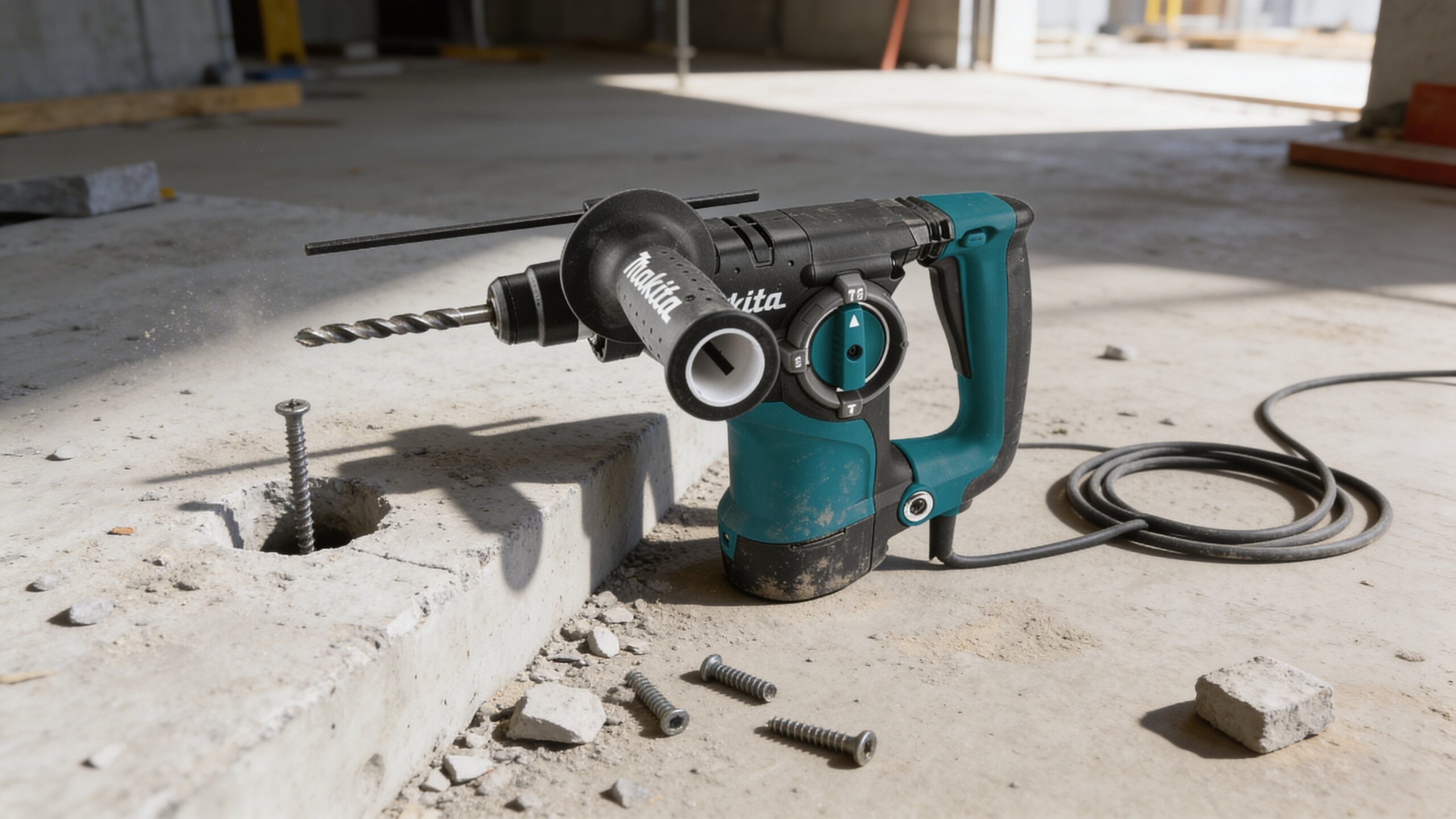
Brushed Motor Rotary Hammer

Brushed Motor Rotary Hammer

A more traditional design that can still make sense for lighter-duty needs, simpler ownership expectations, or buyers prioritizing a lower entry price over refinement.

Score 8.2 Best for budget-focused use Battery brushed system Why buy lower buy-in cost
  • Often easier to justify when the tool will not see constant heavy rotation
  • Simpler traditional design, but brush wear adds a maintenance consideration
  • Can still be a practical fit for occasional concrete and masonry work
Power under load
More consistent delivery
Adequate, less refined
Brushless Motor
Control & clutch consistency
Cleaner, more composed feel
Serviceable, less precise
Brushless Motor
Ergonomics (feel + fatigue)
Typically smoother over longer use
Usable, often less polished
Brushless Motor
Value (typical kit pricing)
Higher upfront cost
Usually cheaper to buy
Brushed Motor
Battery ecosystem depth
Common in newer pro platforms
More limited long-term upside
Brushless Motor
Real-world context
This comparison reflects a synthesis of professional reviews, manufacturer data, long-term user feedback, and use-case patterns to highlight how each rotary hammer motor type typically performs in everyday projects.

Brushless Motor — Why people choose it

  • Better long-term fit for regular use where efficiency and reduced maintenance matter
  • More refined feel when drilling repeatedly in concrete, block, or masonry
  • Usually the stronger platform choice for pros building around newer cordless systems

Brushed Motor — Why people choose it

  • Lower initial cost can make sense for lighter schedules or occasional use (especially when budget is tight)
  • Traditional motor layout remains familiar and widely understood
  • Practical option when long-term efficiency matters less than simple purchase price
Verdict: Choose Brushless Motor if you want the better all-around fit for frequent professional use, with stronger efficiency, lower maintenance demands, and a more refined day-to-day feel. Choose Brushed Motor if you need a lower-cost entry point for lighter use, occasional masonry work, or situations where upfront savings matter more than long-term ownership advantages.
Read FAQs

Deep dive

What actually matters in this matchup

On paper, both rotary hammers can handle concrete and masonry work, but the more meaningful differences show up in how they feel over time. This comparison is really about whether lower maintenance, smoother power delivery, and longer-term efficiency matter more than a lower entry cost and a simpler traditional motor design.

Under repeated drilling: the brushless design usually feels more composed through longer sessions, with less sense of strain as the work continues, while the brushed design can still get the job done but tends to feel like the more basic, less refined option.

Over extended use: this is less about headline performance and more about ownership rhythm—how much maintenance the tool asks for, how confidently it fits into a growing platform, and whether day-to-day use stays consistent as the tool ages.

In practical buying terms: brushless makes more sense when the tool will be used often enough for efficiency and reduced upkeep to matter, while brushed remains relevant when the goal is a lower upfront commitment for occasional work or lighter long-term demands.

Methodology

How we evaluated these rotary hammer motor types

Our evaluation focused on real tasks that expose meaningful differences between brushless and brushed motor rotary hammers, not headline claims. Each motor type was assessed through practical use scenarios to reflect how these tools are actually experienced in concrete and masonry work over time.

Tasks: repeated concrete drilling, start-and-stop hole placement, extended-use sessions, overhead and awkward-angle work, and general day-to-day handling to reveal differences in consistency, control, and fatigue.

What we scored: power delivery under real load, smoothness and predictability in use, ergonomics over longer sessions, build-confidence signals, and the long-term ownership considerations that come with each motor type.

How results are interpreted: outcomes are assessed through a context-aware approach that recognizes the importance of efficiency, upkeep, comfort, and value can shift depending on workload, frequency of use, and how much long-term flexibility matters.

What we ignored: isolated spec-sheet advantages, advertised claims that do not clearly translate into repeatable real-world performance, and feature differences that do not materially change everyday use.

FAQ

Brushless Motor vs Brushed Motor: Common questions

Is a brushless motor rotary hammer worth the extra cost?
It often is when the tool will see frequent use or stay in service for years. The added value usually shows up through lower maintenance needs, better efficiency, and a more refined day-to-day feel rather than a dramatic difference in occasional use.
When does a brushed motor rotary hammer still make sense?
A brushed model can still be a practical option when the goal is to keep initial cost lower and the workload is more occasional. It tends to make more sense when long-term ownership advantages matter less than getting a capable tool for lighter-duty use.
Will most users notice the difference between brushless and brushed?
That depends on how often the tool is used and how demanding the work is. In short, light tasks, the gap may feel modest, while repeated concrete drilling or longer sessions tend to make differences in smoothness, efficiency, and overall refinement more noticeable.
Does brushless automatically mean more powerful?
Not automatically. Brushless design is more closely associated with efficiency, consistency, and reduced maintenance, while real-world performance still depends on the overall tool design, platform, and intended workload.

Key Takeaways

  • Brushless motor rotary hammers make the strongest case when regular use, lower maintenance, and long-term ownership matter more than minimizing upfront cost.
  • Brushed motor rotary hammers remain relevant when the tool will be used less often and the buying decision is shaped more by immediate budget than long-range efficiency.
  • The practical difference is usually felt in consistency, refinement, and ownership rhythm rather than in a single dramatic performance gap on short, occasional tasks.
  • This comparison is less about one type replacing the other and more about matching motor design to workload, usage frequency, and how long the tool is expected to stay in rotation.
  • For buyers choosing within a broader cordless platform, the motor type also affects how future-proof the purchase feels as the rest of the tool lineup grows.
  • In everyday decision terms, brushless tends to reward heavier use over time, while brushed can still be a sensible fit when lower commitment is the priority.

Verdict

The Better Rotary Hammer Motor Type for Most Buyers

In this head-to-head, the better fit comes down to how often the tool will be used, how much long-term ownership matters, and whether lower maintenance is worth paying more upfront.

#1 Winner

Brushless Motor Rotary Hammer

The stronger all-around choice when regular use, better efficiency, and lower maintenance matter over the life of the tool.

  • Feels more refined and consistent through repeated drilling work
  • Better aligned with longer ownership horizons and frequent use
  • Usually the more future-facing fit within modern cordless platforms

Runner-up

Jump to the Head-to-Head

Tip: If the tool will only be used occasionally, the lower initial cost of a brushed model can outweigh the long-term advantages of brushless.

Where to Buy

We prioritize reputable sellers, easy returns, and reliable availability.

Price checks happen regularly. Some links may earn a commission—never affects rankings.

Accessories You’ll Want

  • SDS-Plus masonry bit set (a practical starting point for anchor holes, concrete drilling, and general masonry work)
  • Dust extraction attachment or vacuum adapter (helps keep drilling cleaner and improves visibility indoors)
  • Replacement side handle and depth stop (useful for control, repeatable hole depth, and safer two-handed operation)
  • Cold chisel and scaling chisel set (worth having if your rotary hammer includes hammer-only or chipping capability)
  • Tool case or bit organizer (makes it easier to protect the tool, keep accessories together, and reduce jobsite clutter)

Tip: Before buying accessories, confirm the chuck type and tool compatibility—SDS-Plus vs. SDS-Max matters more than motor type for day-to-day ownership.