What Makes Accounting Software Different from Bookkeeping Software
A detailed explanation of accounting and bookkeeping software: the system roles, information flow, decision boundaries, risks, and records that determine the real business result.

Reviews You Can Trust
A detailed explanation of accounting and bookkeeping software: the system roles, information flow, decision boundaries, risks, and records that determine the real business result.
A detailed explanation of accounting software operating model: the system roles, information flow, decision boundaries, risks, and records that determine the real business result.
A detailed explanation of accounting software: the system roles, information flow, decision boundaries, risks, and records that determine the real business result.
Business accounting systems matter because they turn approved operational events into one controlled financial record, connect subledgers and integrations, govern posting and close, and supply traceable information for reporting, compliance, and decisions.
Tax compliance matters because businesses must identify obligations, classify transactions, apply current rules, file and pay on schedule, reconcile liabilities, retain evidence, and correct discrepancies across jurisdictions.
Financial reporting matters because it converts reconciled, period-controlled accounting records into consistent statements and management views that reveal performance, financial position, cash movement, obligations, and important changes.
Use accounting and tax software when the financial record needs controlled multiuser posting, subledgers, period locks, audit history, integrations, reconciliations, and repeatable compliance workflows—not merely because the business reached a certain size.
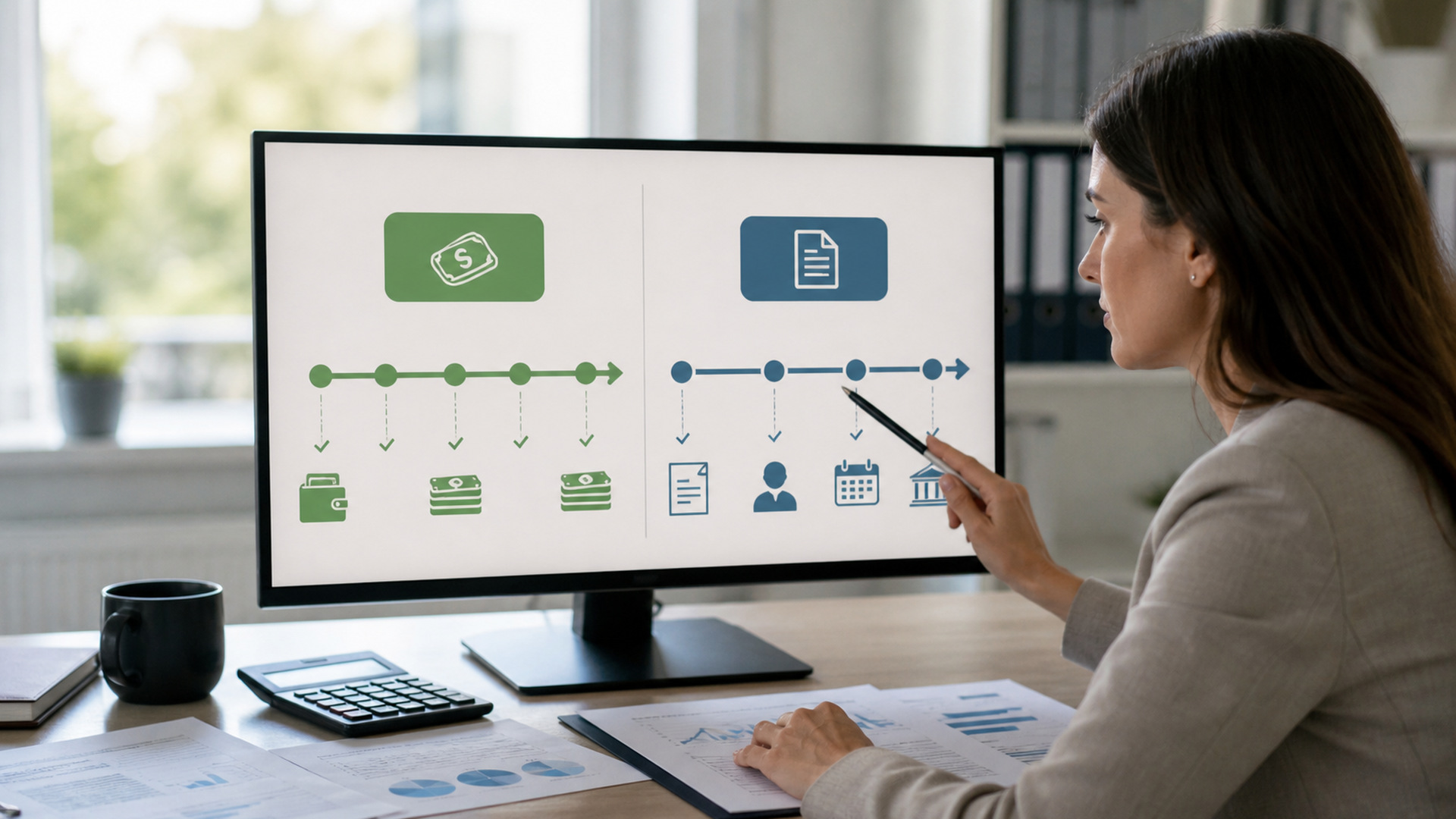
Cash basis accounting generally recognizes specified activity when cash changes hands, while accrual accounting records revenue when earned and expenses when incurred, separating economic timing from settlement timing.
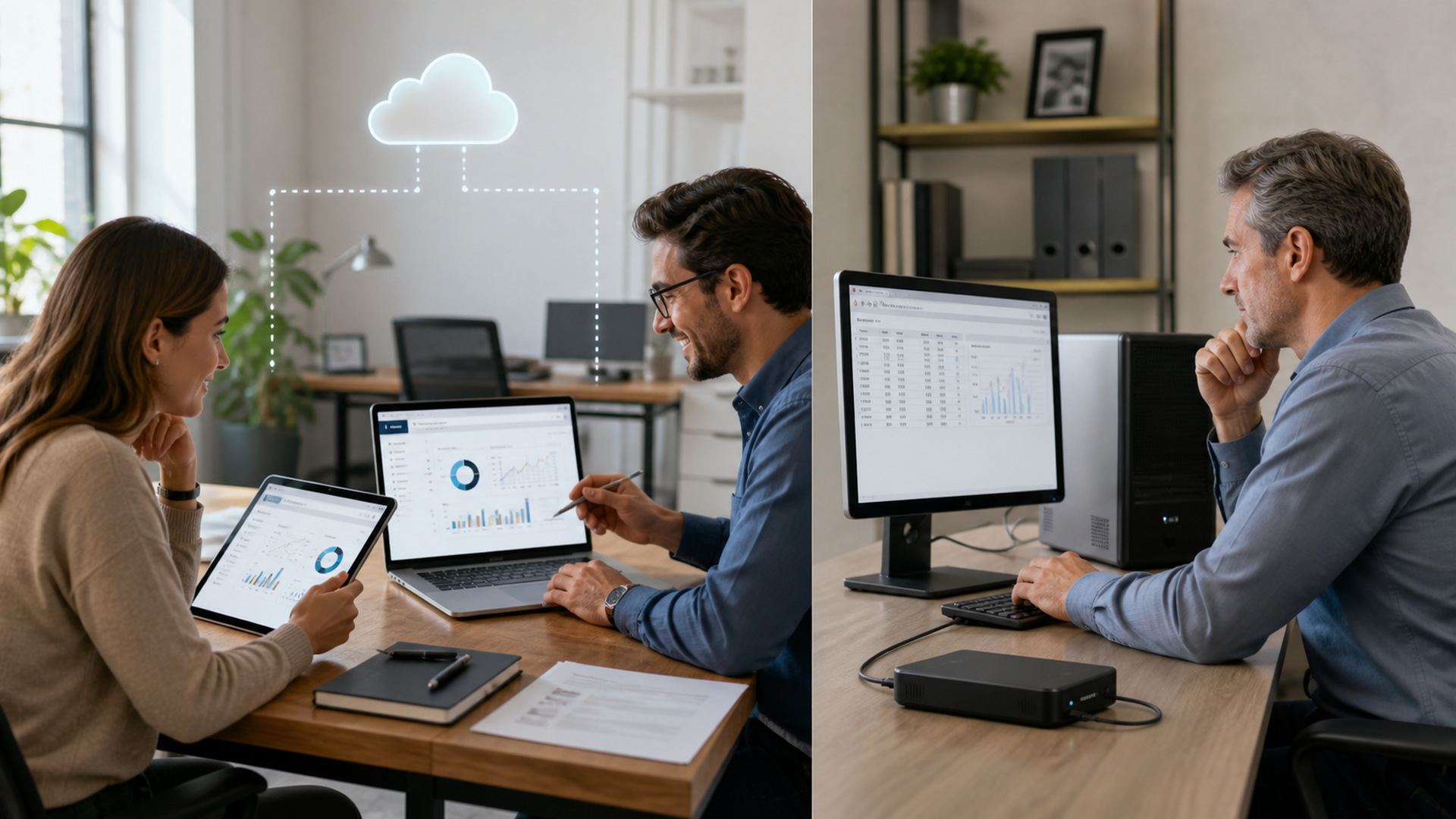
Cloud accounting shifts application hosting, release delivery, and much infrastructure operation to a provider, while desktop accounting keeps more installation, device, database, update, and recovery responsibility with the customer.
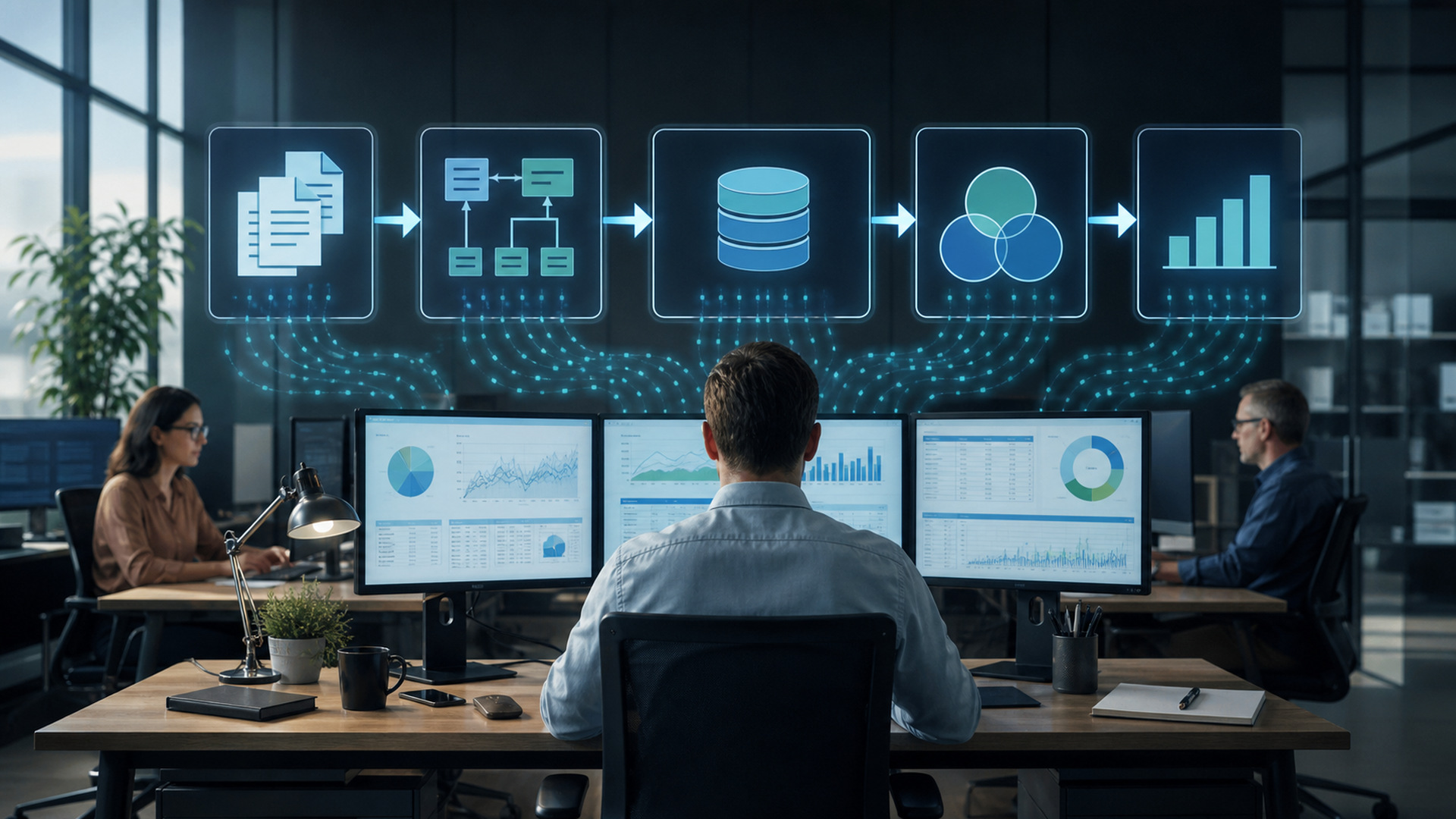
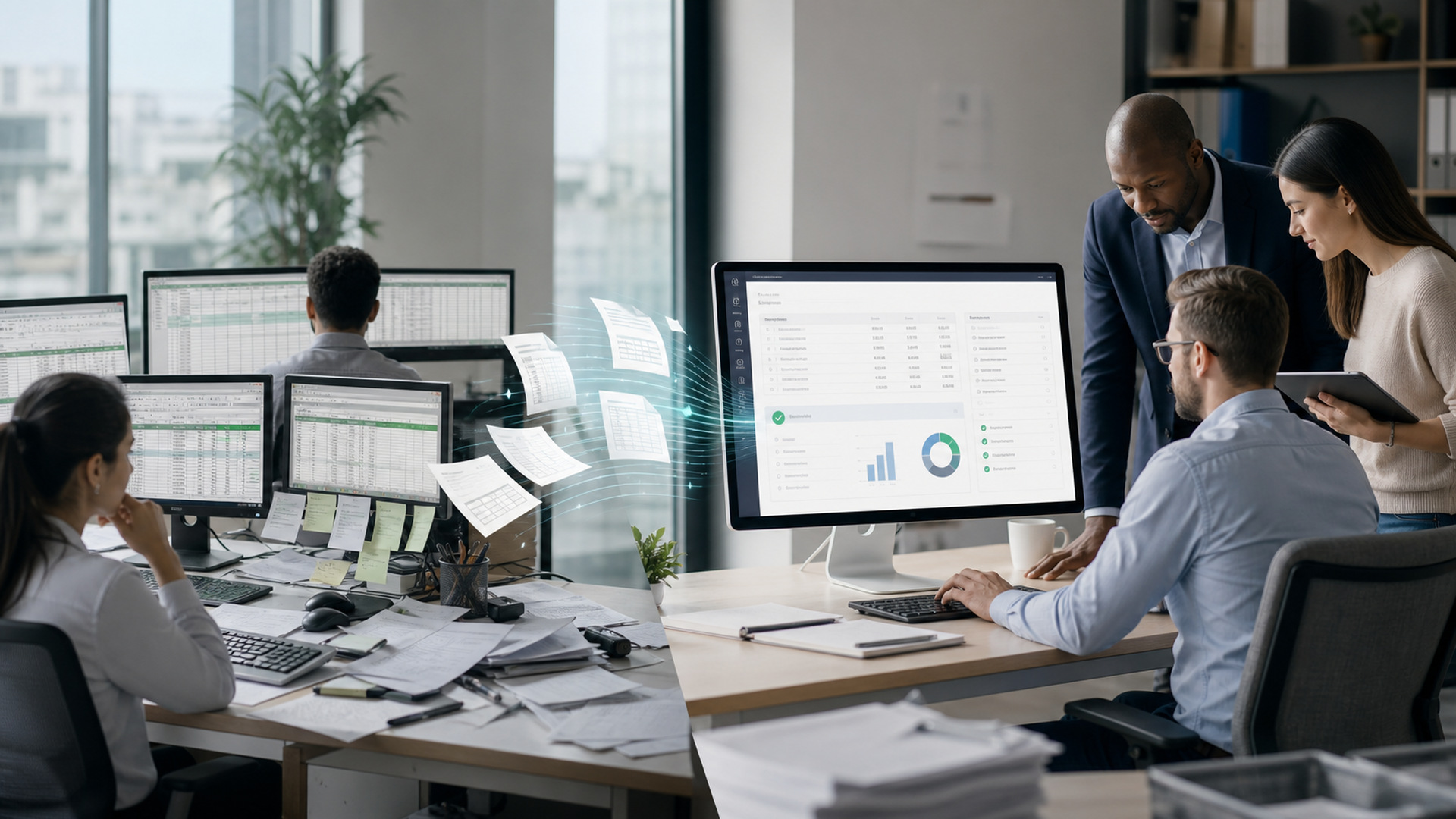
Automated bookkeeping matters because it turns repetitive transaction handling into a controlled flow of source capture, matching, coding, review, posting, and reconciliation while keeping uncertain items visible.
Accounting and tax software turns source transactions into balanced journal entries, detailed subledgers, reconciled periods, financial reports, and controlled tax calculations and filing workflows.
TaxAct Business and Intuit ProConnect Tax are compared on management model, feature depth, deployment fit, cost, support ownership, user experience, upgrade timing, and business fit.