What Makes Call Center Systems Different from Invoicing Software
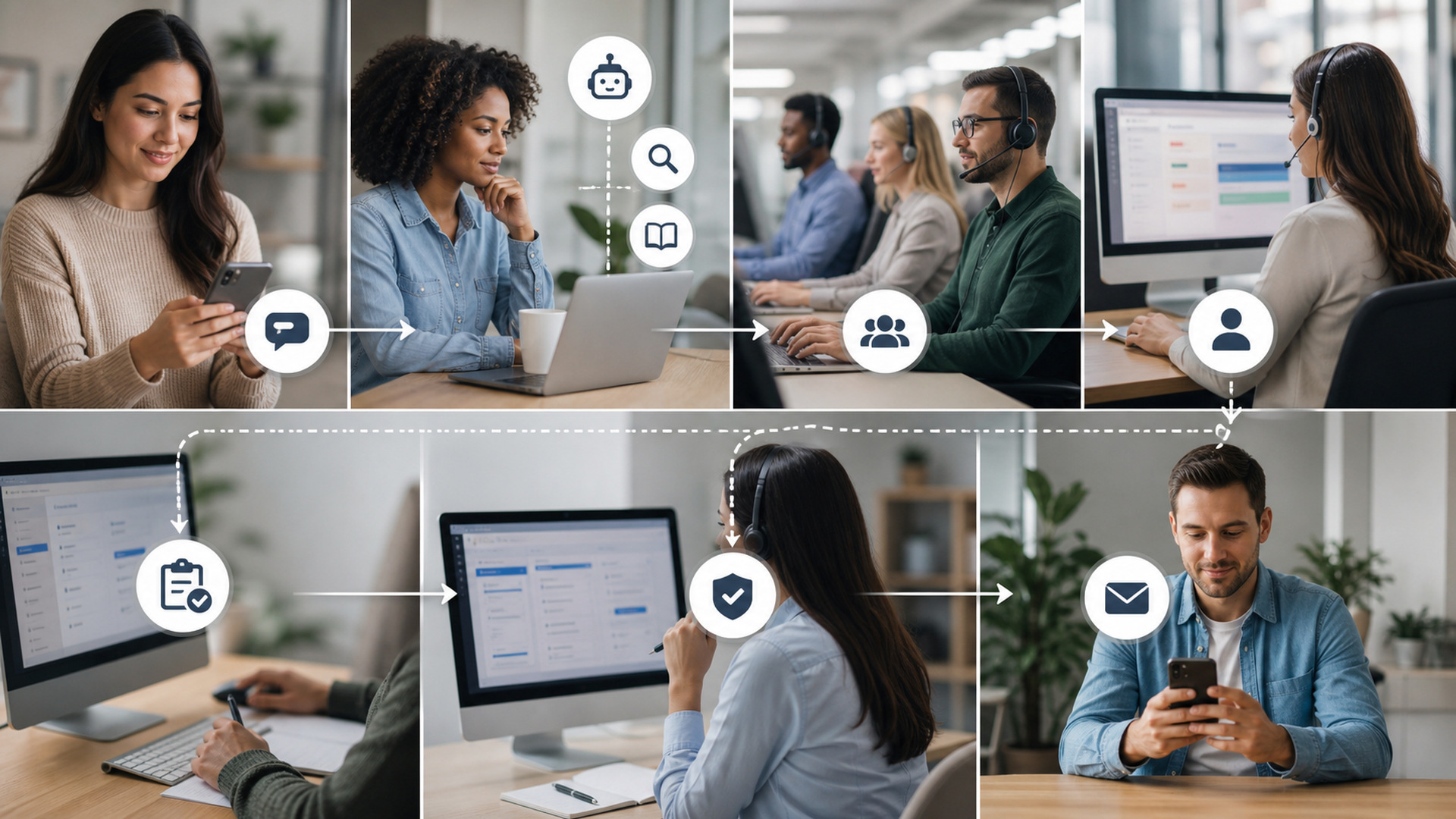
A detailed guide to call center systems and invoicing software, including contact request, agent connection, billable source, exceptions, verification, and payment application.

Reviews You Can Trust
A detailed guide to call center systems and invoicing software, including contact request, agent connection, billable source, exceptions, verification, and payment application.
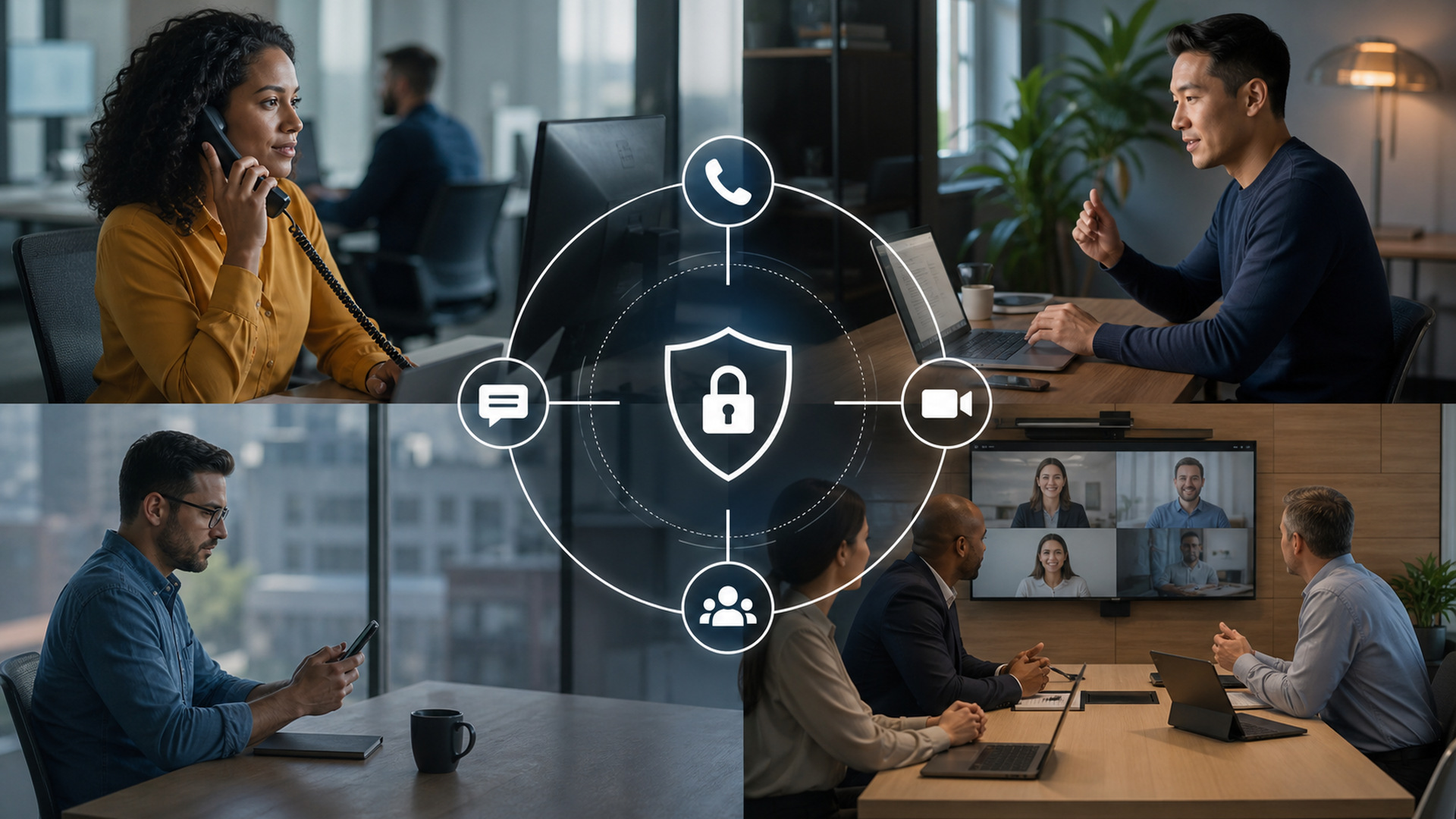
A detailed guide to call center systems permission structure, including channel access, agent skill grant, recording access, exceptions, verification, and offboarding control.
A detailed guide to call center systems data flow, including contact identifier, intent classification, authentication result, exceptions, verification, and customer record.
A detailed guide to call center systems instead of bookkeeping software, including contact demand, skill routing, financial source, exceptions, verification, and financial archive.
A detailed guide to call center systems and accounting software, including interaction demand, agent assignment, economic event, exceptions, verification, and reporting close.
A detailed guide to call center systems operating model, including service objective, staffing plan, knowledge ownership, exceptions, verification, and capacity roadmap.
A detailed guide to call center systems, including customer contact, interaction priority, media session, exceptions, verification, and follow-up task.
Communication platforms matter because they govern how identities, channels, delivery states, context, workflow events, records, consent, accessibility, and failure handling turn outreach into accountable interaction.
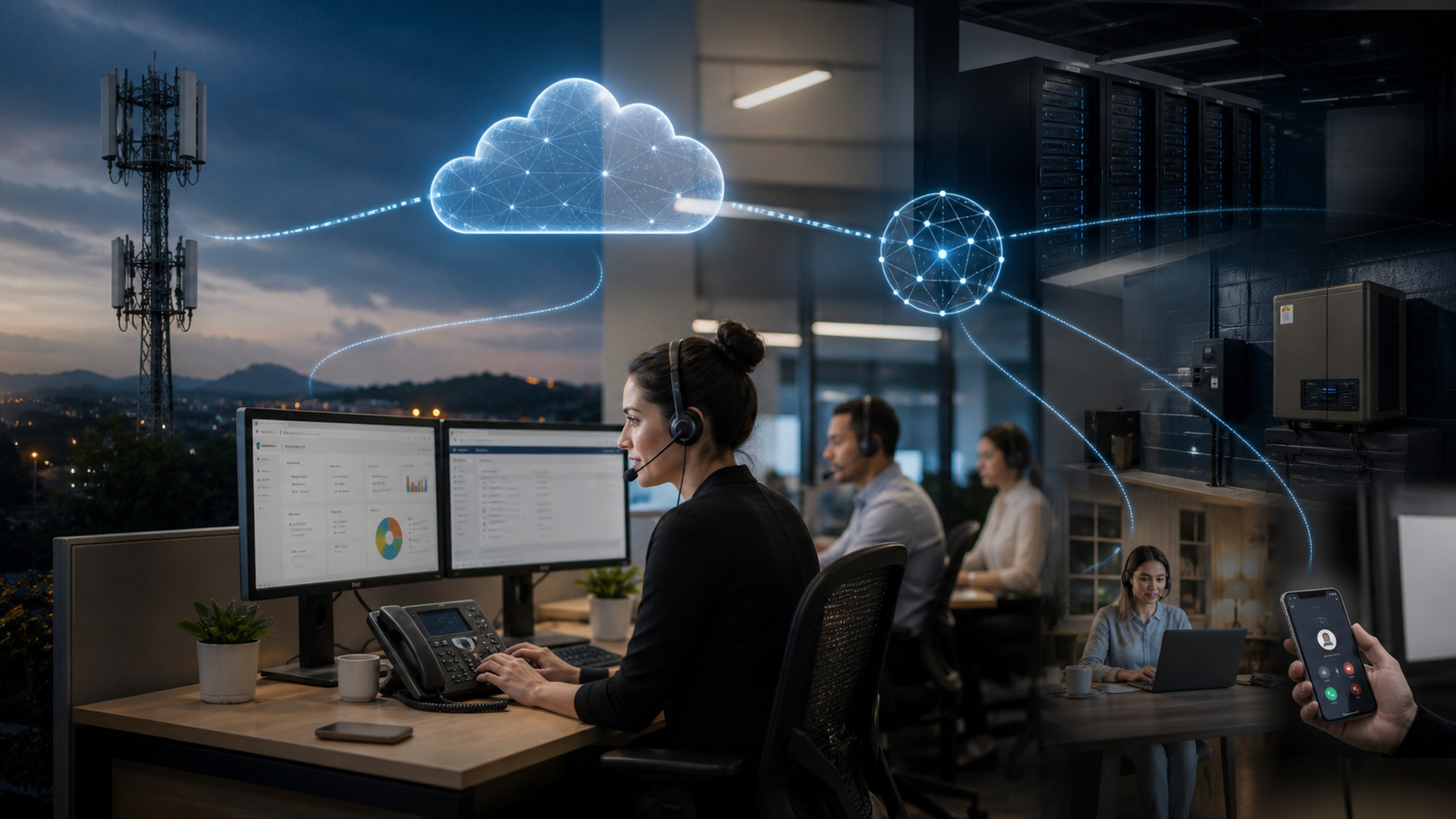
Business phone reliability matters because callers need complete signaling, media, number routing, power, network, carrier, endpoint, and human-response paths—not merely an available phone platform.
Business call routing matters because ordered policy connects numbers and caller context with schedules, queues, skills, availability, overflow, failover, records, and accountable outcomes.
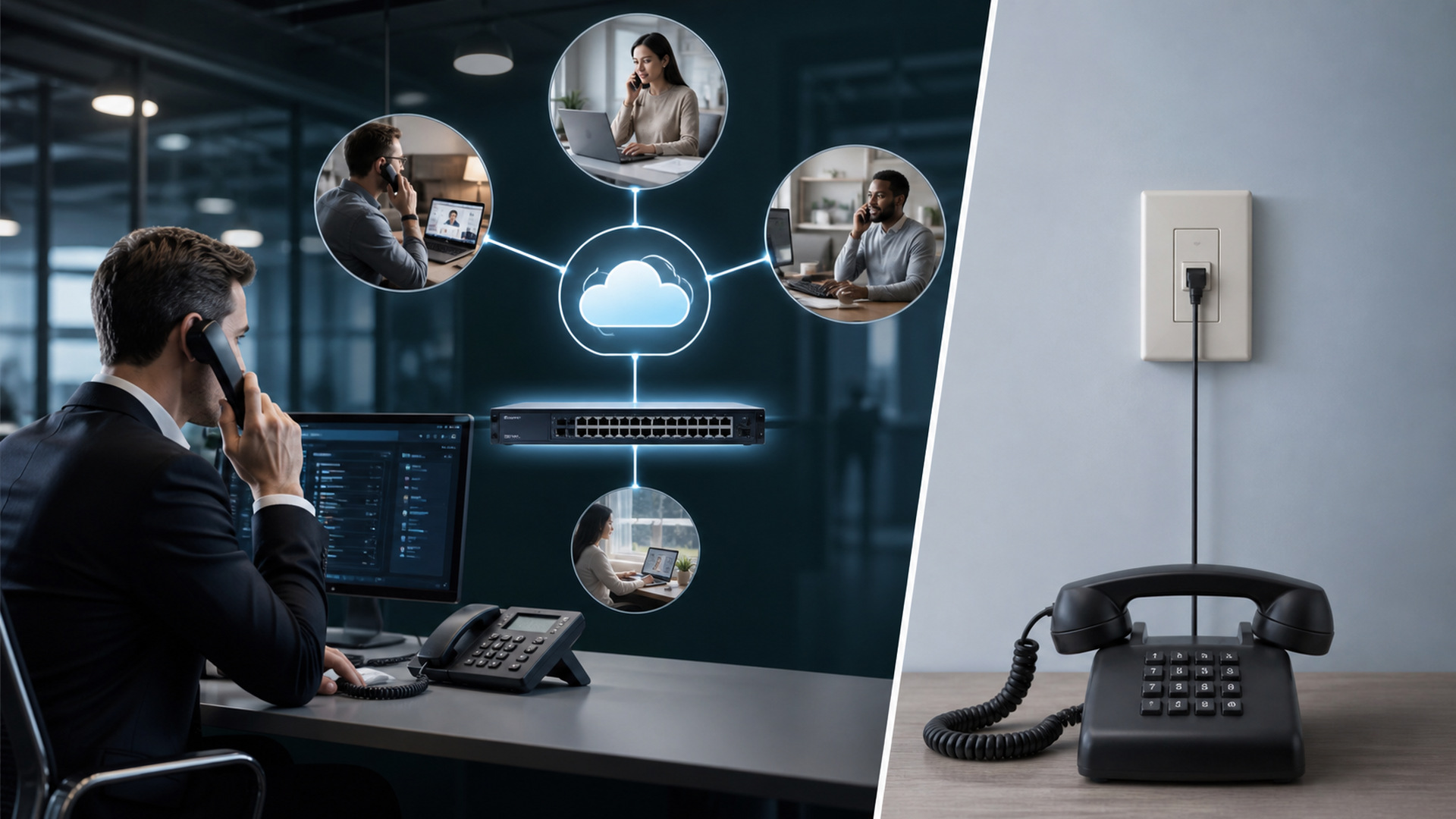
Use VoIP when flexible endpoints, routing, integration, multisite operation, and scalable sessions outweigh IP dependencies; retain specialized traditional or analog paths where verified requirements justify them.
Softphones run calling software on computers or mobile devices; desk phones provide dedicated voice hardware. That changes audio, controls, mobility, power, security, support, and failure behavior.