Why Scalability Matters in Business Solutions
Scalability matters because growth can turn a reliable process into delay, failure, and rising unit cost. The binding constraint may be software, data, an integration, or human operations.

Reviews You Can Trust
Scalability matters because growth can turn a reliable process into delay, failure, and rising unit cost. The binding constraint may be software, data, an integration, or human operations.
Cloud and on-premise solutions differ mainly in who operates infrastructure, controls releases, manages connectivity, protects data, and restores service—not simply where servers are located.
Workflow management matters because it gives every case a visible state, accountable owner, controlled handoff, exception path, and event history that can reveal delay and rework.
Use outsourced business services when specialized or variable work can be scoped and governed effectively. Retain in-house teams when strategic control, persistent demand, and institutional knowledge justify internal capability.
CRM organizes customer interactions and commercial pipeline work; ERP governs resource, fulfillment, and financial transactions. Their overlap requires explicit record ownership and reliable process handoffs.
Business software encodes repeatable capabilities; business services apply labor and judgment within a defined scope. The practical difference appears in capacity, ownership, knowledge, exceptions, and accountability.
Data analytics matters when it reduces a defined business uncertainty. Reliable analysis depends on stable metrics, traceable source data, valid comparisons, and a feedback loop connecting action to outcome.
Business automation matters because it changes how quickly and consistently repeatable work moves, while creating new requirements for validation, exception ownership, monitoring, and change control.
Business solutions work by turning operating requirements into controlled records, coordinated workflows, system handoffs, permissions, and measurable outcomes. This explainer follows that full operating loop.
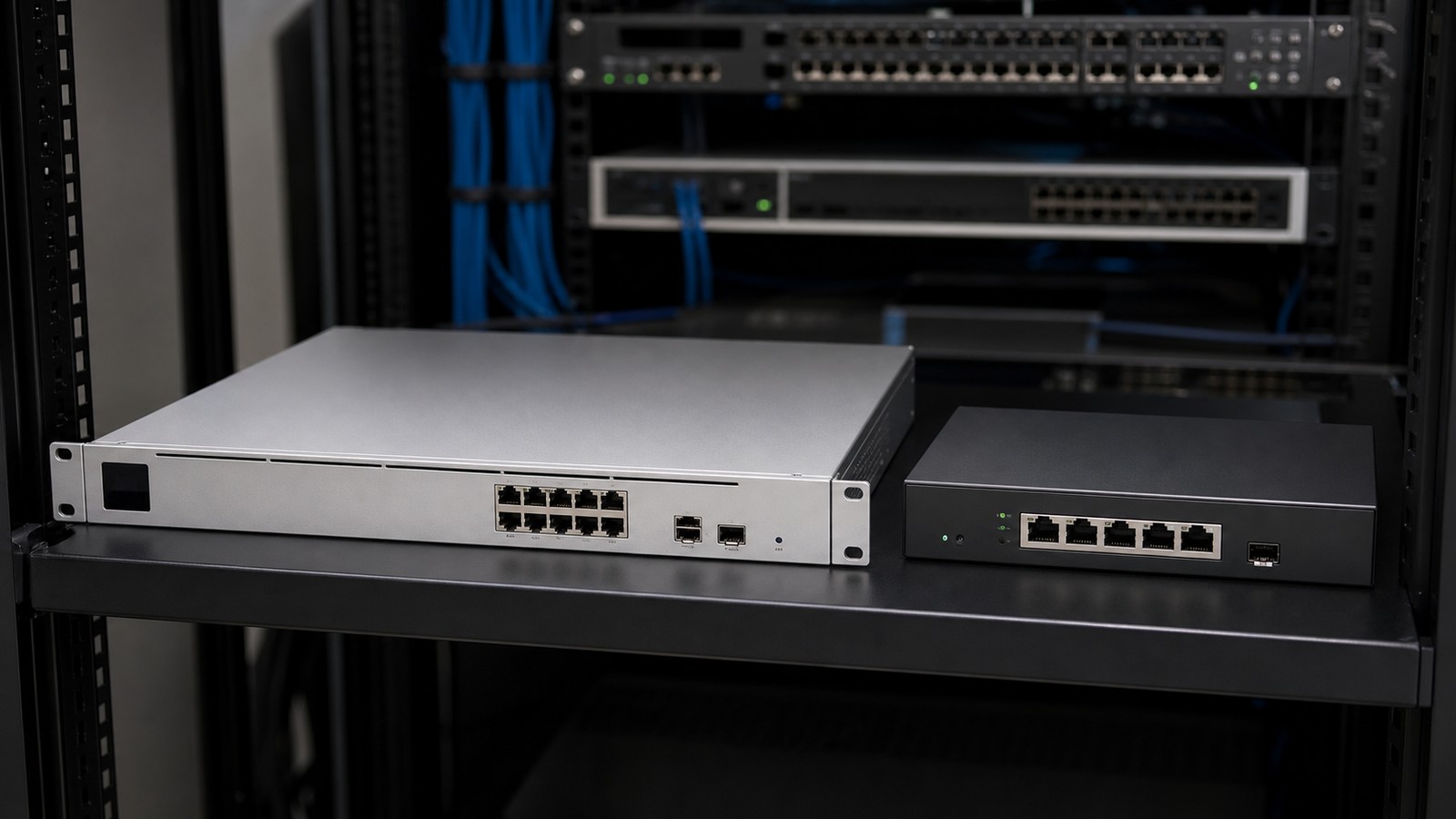
Ubiquiti Dream Machine Pro and TP-Link ER7206 are compared on management model, feature depth, deployment fit, cost, support ownership, user experience, upgrade timing, and business fit.
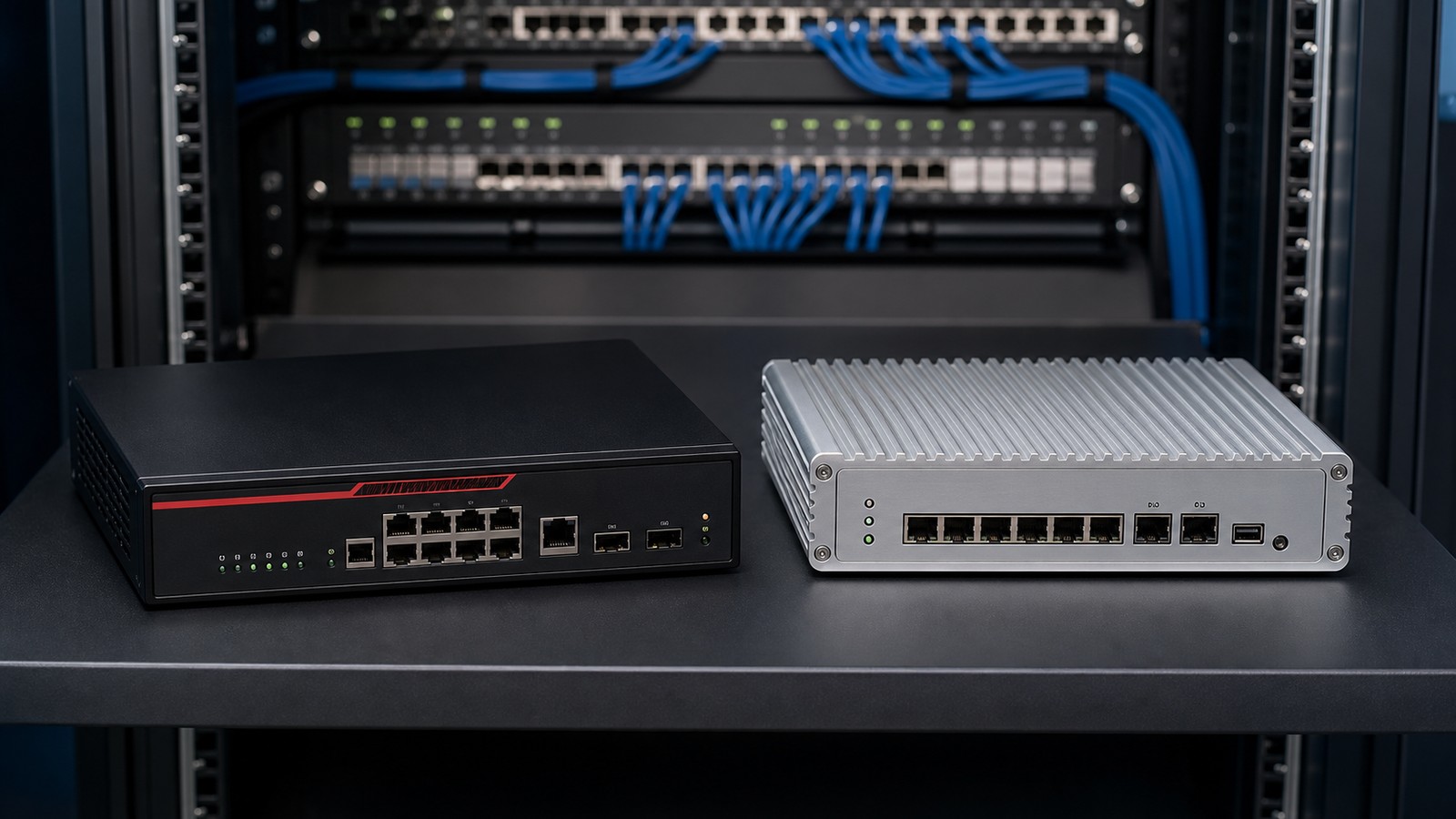
Fortinet FortiGate 60F and Netgate 6100 are compared on management model, feature depth, deployment fit, cost, support ownership, user experience, upgrade timing, and business fit.
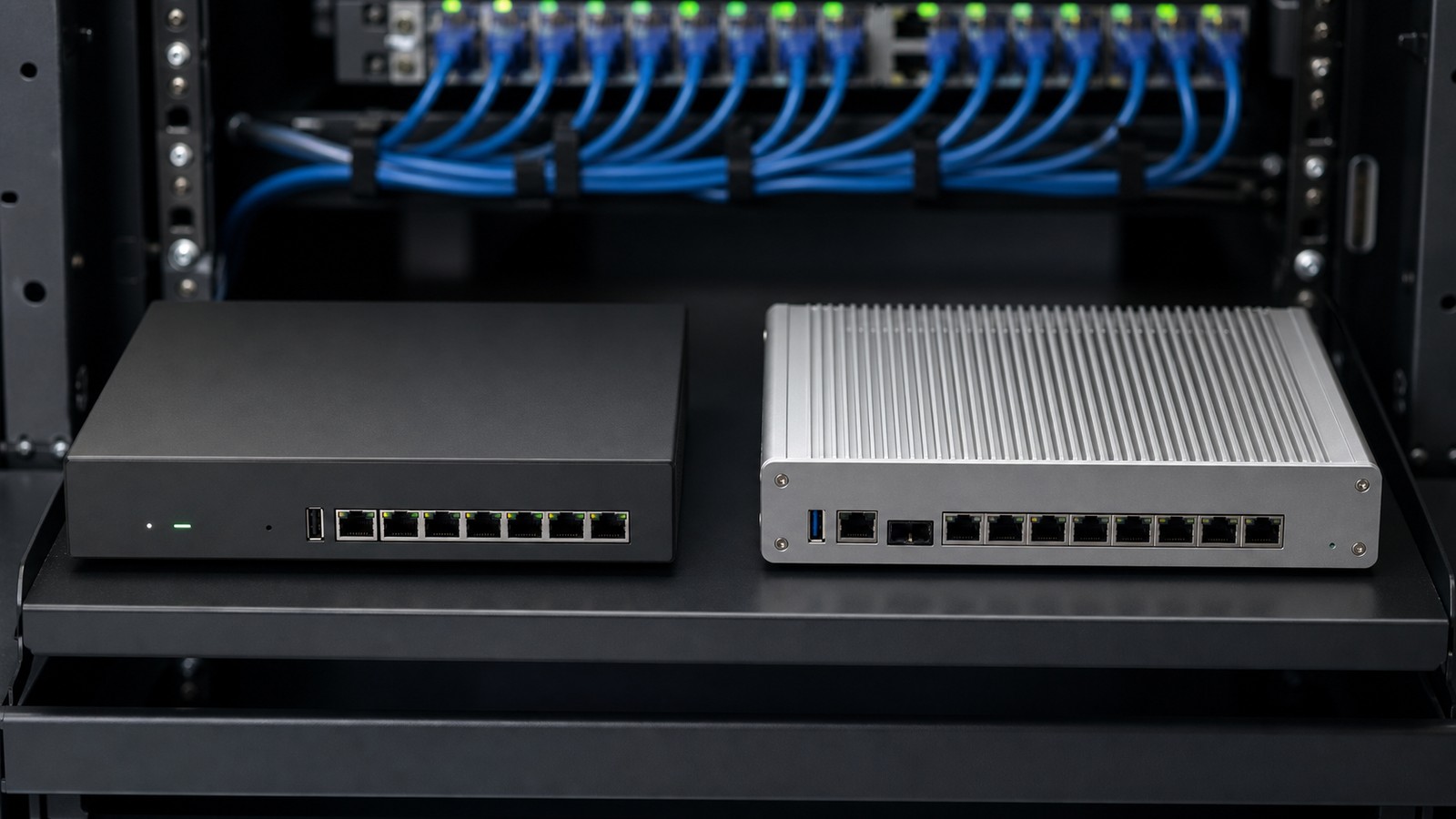
Cisco Meraki MX68 and Netgate 6100 are compared on management model, feature depth, deployment fit, cost, support ownership, user experience, upgrade timing, and business fit.