HealthSleepSnoring & Breathing Devices

Why Snoring & Breathing Devices Snoring Breathing Measurement Context Matters

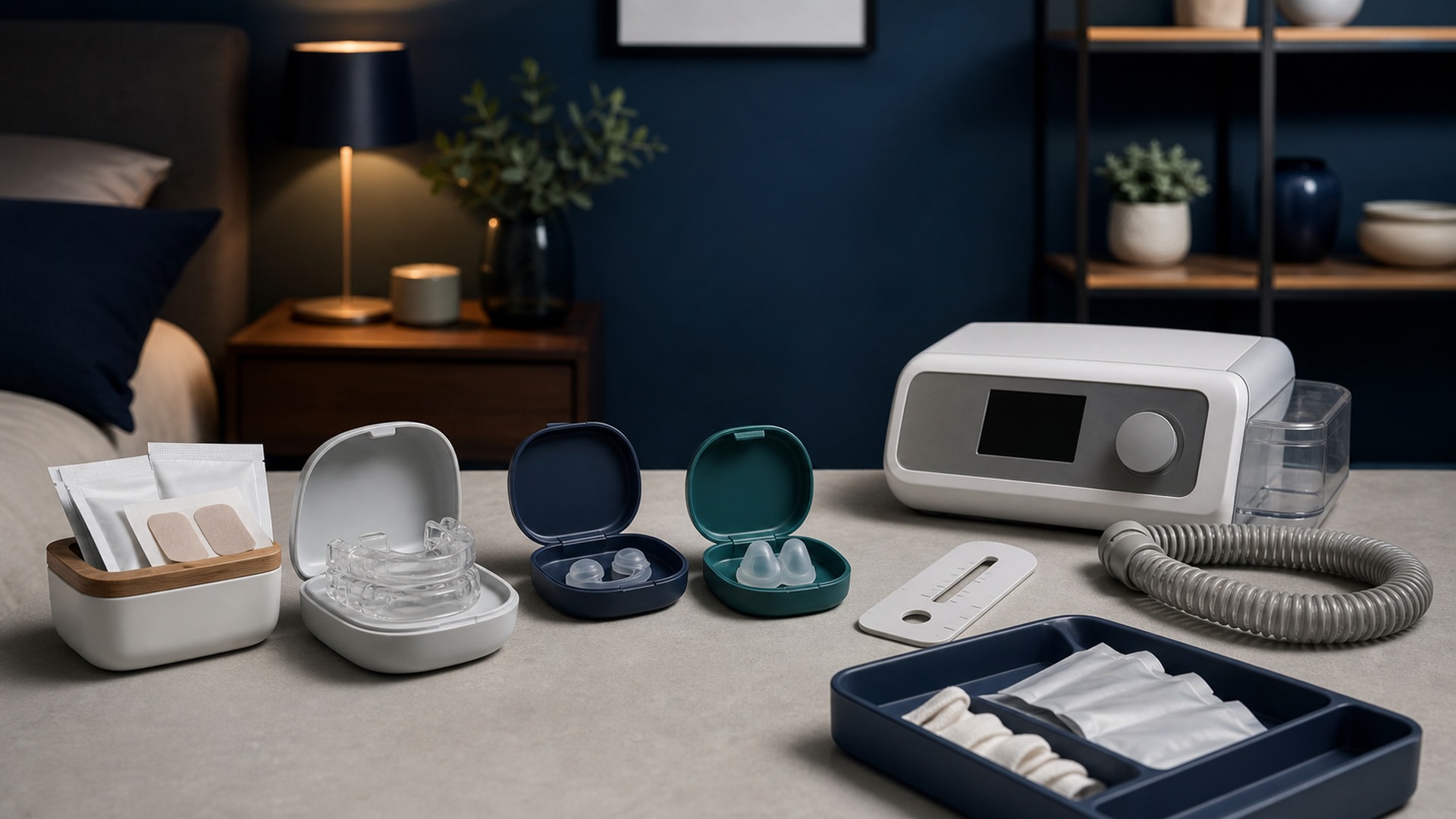
For snoring breathing devices a sound approach must identify the target condition device mechanism fit airflow seal pressure comfort mouth dryness skin or dental effects snoring reports witnessed pauses oxygen data when clinically indicated adherence and follow up The practical focus is the interpretation of results It uses airway patency interface seal and jaw position to explain what changes the outcome where uncertainty enters.
HealthSleepSnoring & Breathing Devices

Why Snoring & Breathing Devices Snoring Breathing Health Function Matters

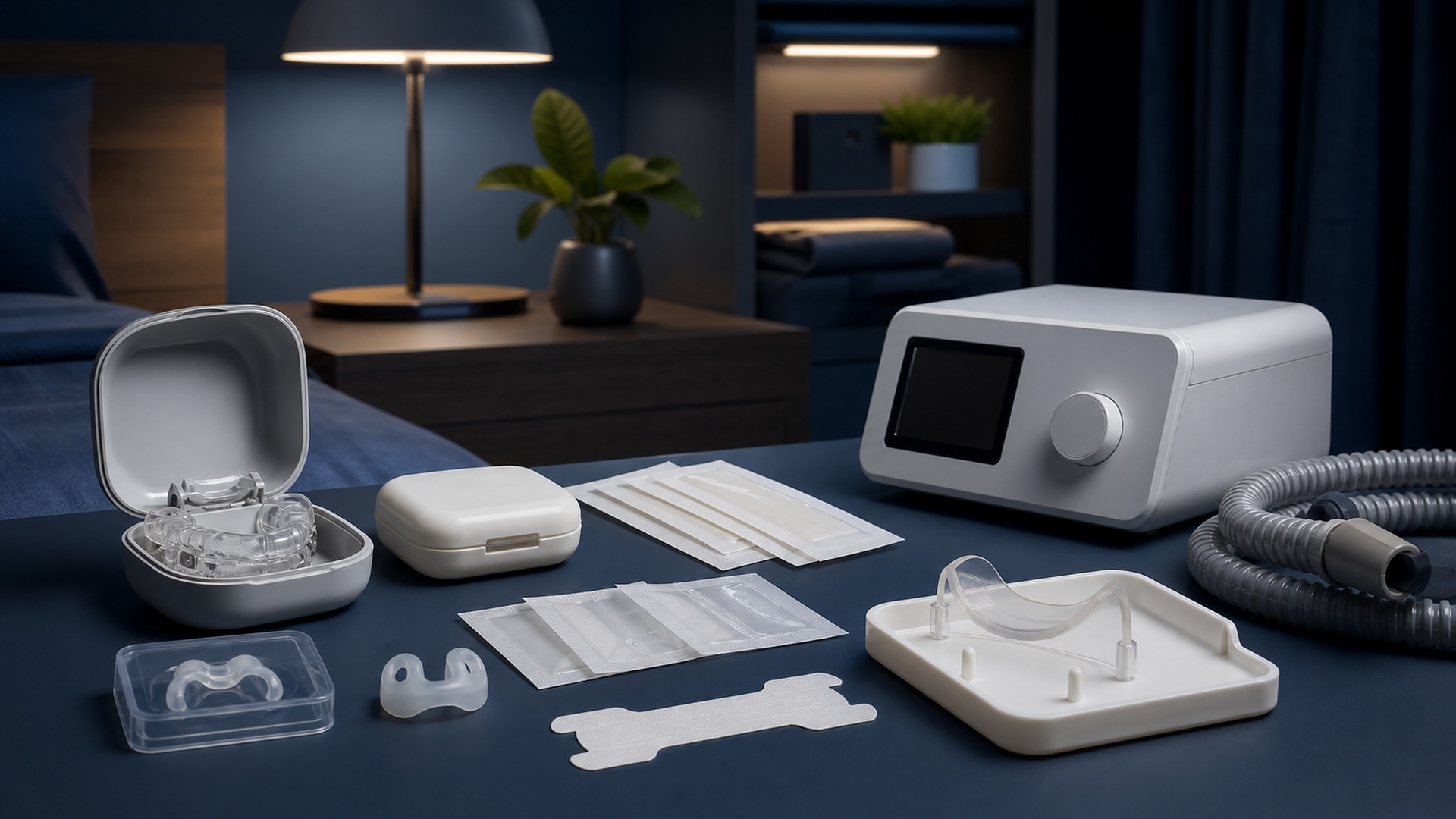
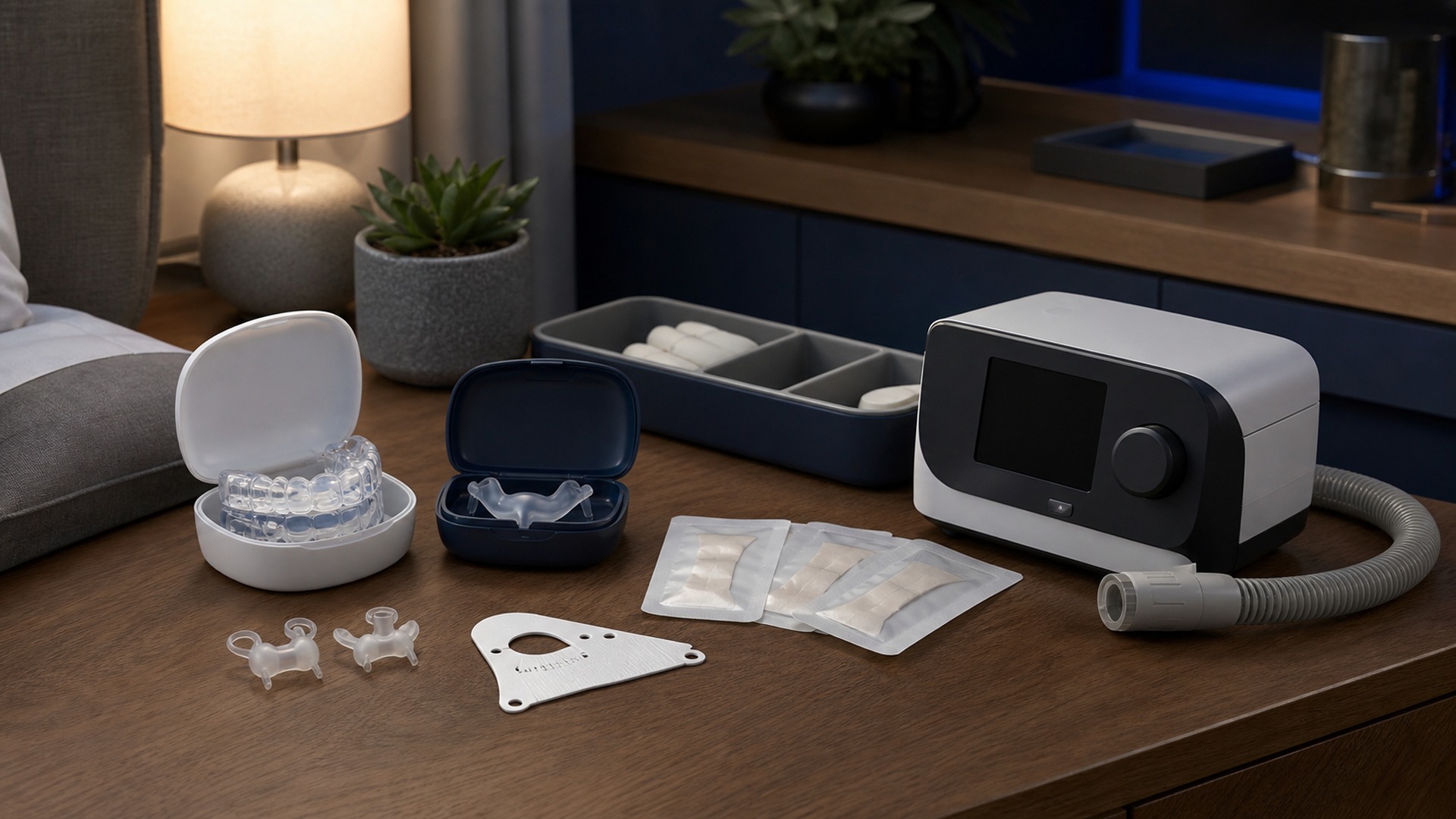
For snoring breathing devices a sound approach must alter nasal airflow airway pressure jaw or tongue position or breathing feedback to address a defined snoring or sleep breathing problem with suitability depending on diagnosis anatomy mechanism and professional fitting The analysis gives priority to the claimed health role It uses airway patency interface seal and jaw position to explain what changes the outcome where.

HealthSleepSnoring & Breathing Devices

How Snoring & Breathing Devices Works

Snoring & Breathing Devices products alter nasal airflow, airway pressure, jaw or tongue position, or breathing feedback to address a defined snoring or sleep-breathing problem, with suitability depending on diagnosis, anatomy, mechanism, and professional fitting. This explainer centers on the operating sequence. It uses airway patency, interface seal, and jaw position to explain what changes the outcome, where uncertainty enters, and which response is proportionate.

HealthSleepSleep Tracking Devices

What Makes Sleep Tracking Devices Different from Sleep Therapy Devices

The sleep therapy devices pathway delivers a condition directed therapeutic input under an established indication protocol and follow up plan In contrast Sleep Tracking Devices collects physical signals and applies software to estimate sleep patterns for trend review The deciding issue is different mechanisms For sleep tracking devices examine sensor modality and sleep window for sleep therapy devices examine clinical indication and prescribed setting.

HealthSleepSleep Tracking Devices

What Makes Sleep Tracking Devices Different from Sleep Environment Devices

The sleep environment devices pathway uses room equipment to adjust temperature humidity airflow light or background noise In contrast Sleep Tracking Devices collects physical signals and applies software to estimate sleep patterns for trend review The deciding issue is different mechanisms For sleep tracking devices examine sensor modality and sleep window for sleep environment devices examine target variable and sensor location Conveniences can be.

HealthSleepSleep Tracking Devices

When to Use Sleep Tracking Devices Instead of Sleep Comfort Products

Choose sleep tracking devices when the decision specifically fits a method that collects physical signals and applies software to estimate sleep patterns for trend review sleep comfort products instead uses material properties and sleep surface geometry to change tactile pressure thermal or positioning comfort The word instead makes this a use case decision not a ranking based on added features A situation favors sleep.

HealthSleepSleep Tracking Devices

When to Use Sleep Tracking Devices Instead of Sleep Audio Devices

The sleep audio devices pathway uses speakers and playback controls to manage the contrast between steady background sound and intermittent noise In contrast Sleep Tracking Devices collects physical signals and applies software to estimate sleep patterns for trend review The word instead makes this a use case decision not a comparison of feature quantity A situation favors sleep tracking devices when the required job.

HealthSleepSleep Tracking Devices

Why Sleep Tracking Devices Sleep Tracking Daily Routine Matters

For sleep tracking devices a sound approach must inspect and charge safely place or wear the sensor consistently verify the intended mode sync deliberately note missing data and unusual nights review multi night trends clean contact surfaces and pause use if anxiety increases The sections below investigate the repeat use process It uses sensor modality sleep window and algorithm version to explain what changes.

HealthSleepSleep Tracking Devices

Why Sleep Tracking Devices Sleep Tracking Safety Factors Matters

Safe use of sleep tracking devices depends on the condition of sensor modality, correct handling of sleep window, and a planned response when algorithm version is not working as expected. This explainer centers on the safe-use plan. It explains foreseeable misuse, maintenance failures, user warning signs, and the point at which normal operation should give way to a backup or qualified response.

HealthSleepSleep Tracking Devices

Why Sleep Tracking Devices Sleep Tracking Measurement Context Matters

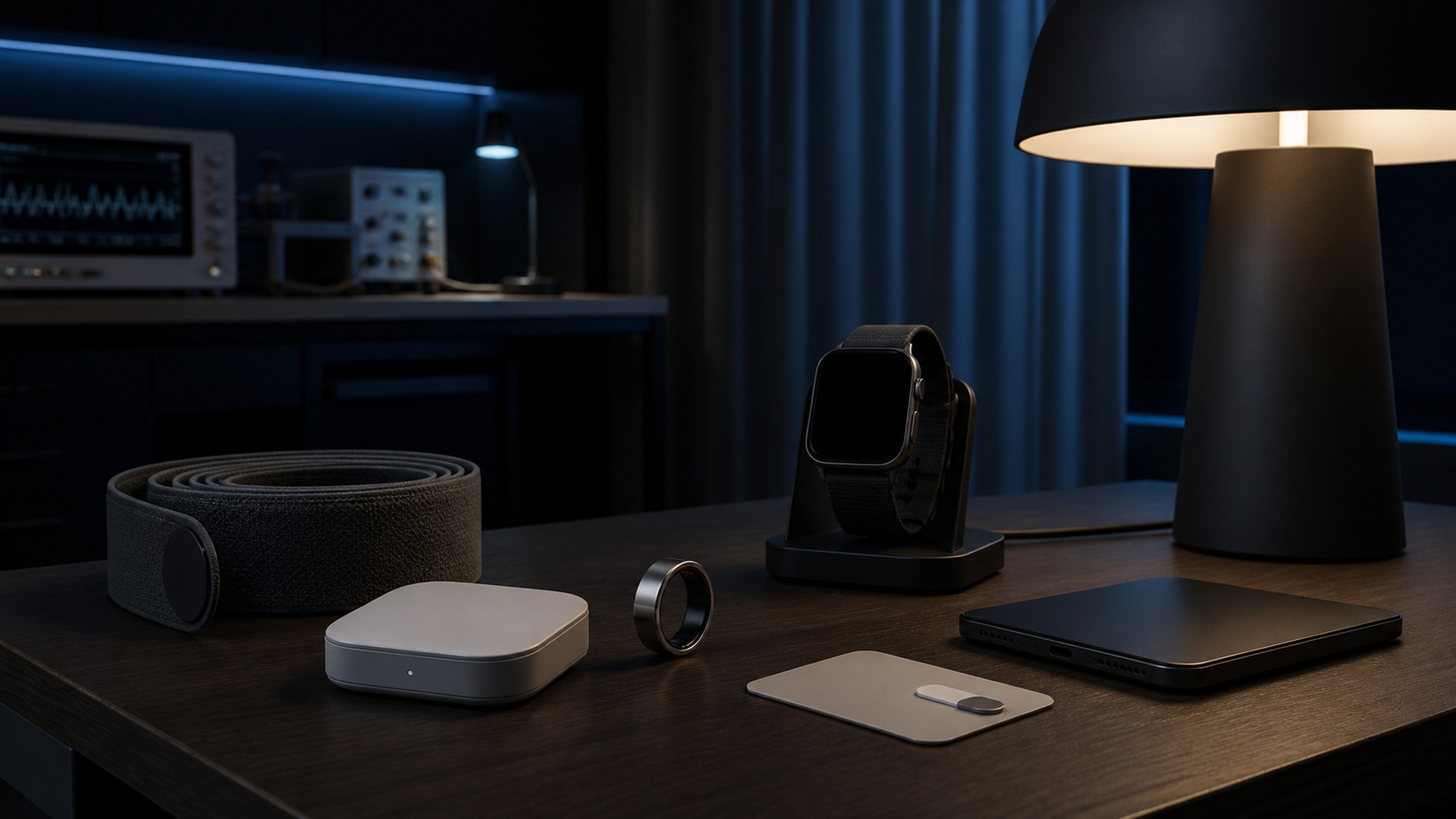
For sleep tracking devices a sound approach must compare sensor type placement sampling signal quality algorithm version missing data awake in bed time reference validation battery synchronization privacy settings night to night variability and daytime symptoms The analysis gives priority to the interpretation of results It uses sensor modality sleep window and algorithm version to explain what changes the outcome where uncertainty enters and.

HealthSleepSleep Tracking Devices

Why Sleep Tracking Devices Sleep Tracking Health Function Matters

For sleep tracking devices a sound approach must use motion optical acoustic pressure or radar like sensors plus algorithms to estimate sleep timing continuity breathing related signals or stages providing trends rather than a definitive diagnosis This review works through the claimed health role It uses sensor modality sleep window and algorithm version to explain what changes the outcome where uncertainty enters and which.

HealthSleepSleep Tracking Devices

How Sleep Tracking Devices Works

Sleep Tracking Devices products use motion, optical, acoustic, pressure, or radar-like sensors plus algorithms to estimate sleep timing, continuity, breathing-related signals, or stages, providing trends rather than a definitive diagnosis. This review works through the operating sequence. It uses sensor modality, sleep window, and algorithm version to explain what changes the outcome, where uncertainty enters, and which response is proportionate.