HealthManual Pain Relief ToolsPain Relief

When to Use Manual Pain Relief Tools Instead of Cold Therapy

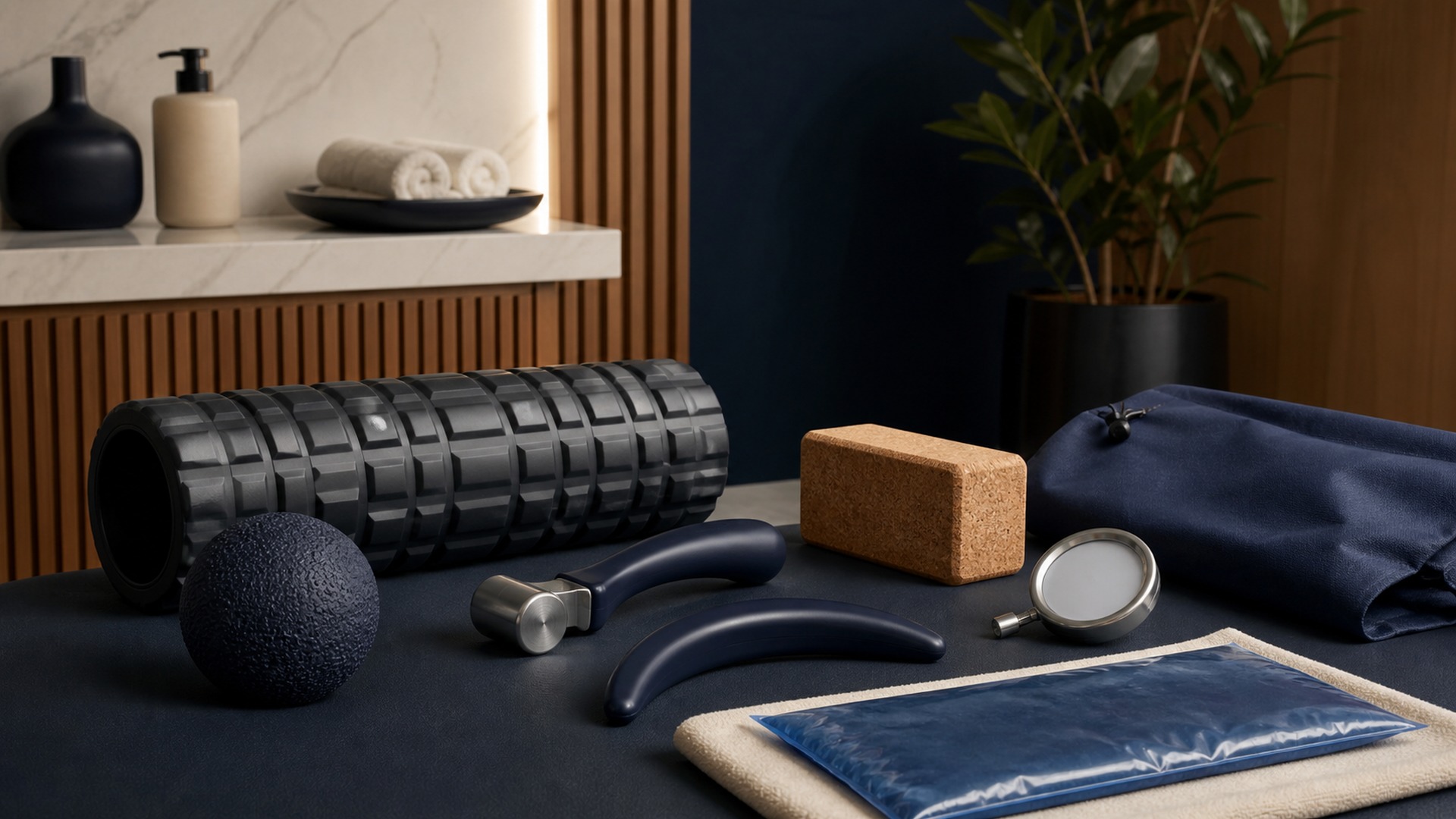
A roller or ball provides adjustable pressure and movement while a cold pack removes heat and requires insulation clocked exposure skin observation and full rewarming The word instead makes this a use case decision not a search for the longest specification list A situation favors manual pain relief tools when the required job is to apply user controlled pressure A situation favors cold therapy.
HealthManual Pain Relief ToolsPain Relief

Why Manual Pain Relief Tools Manual Pain Relief Daily Routine Matters

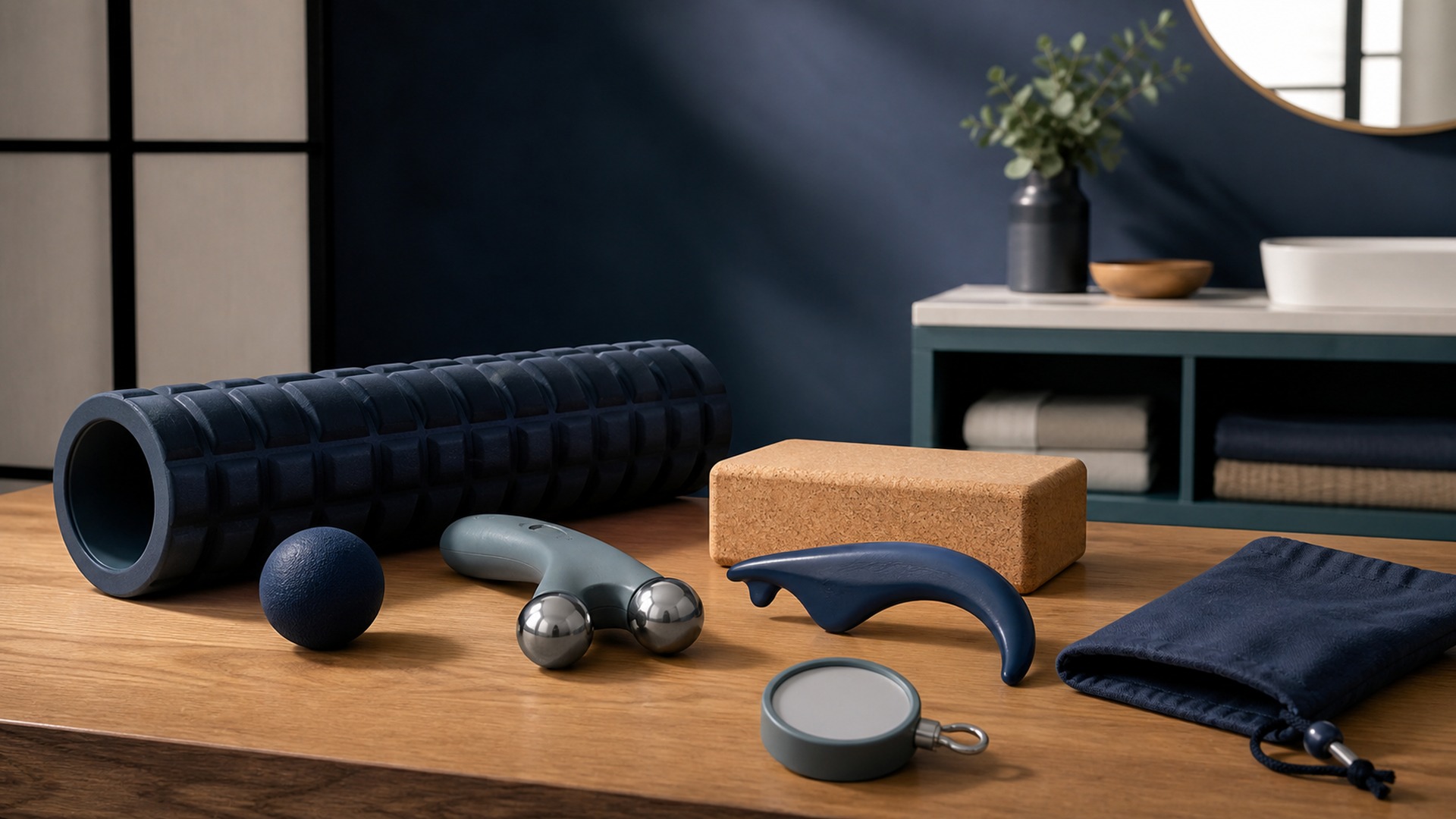
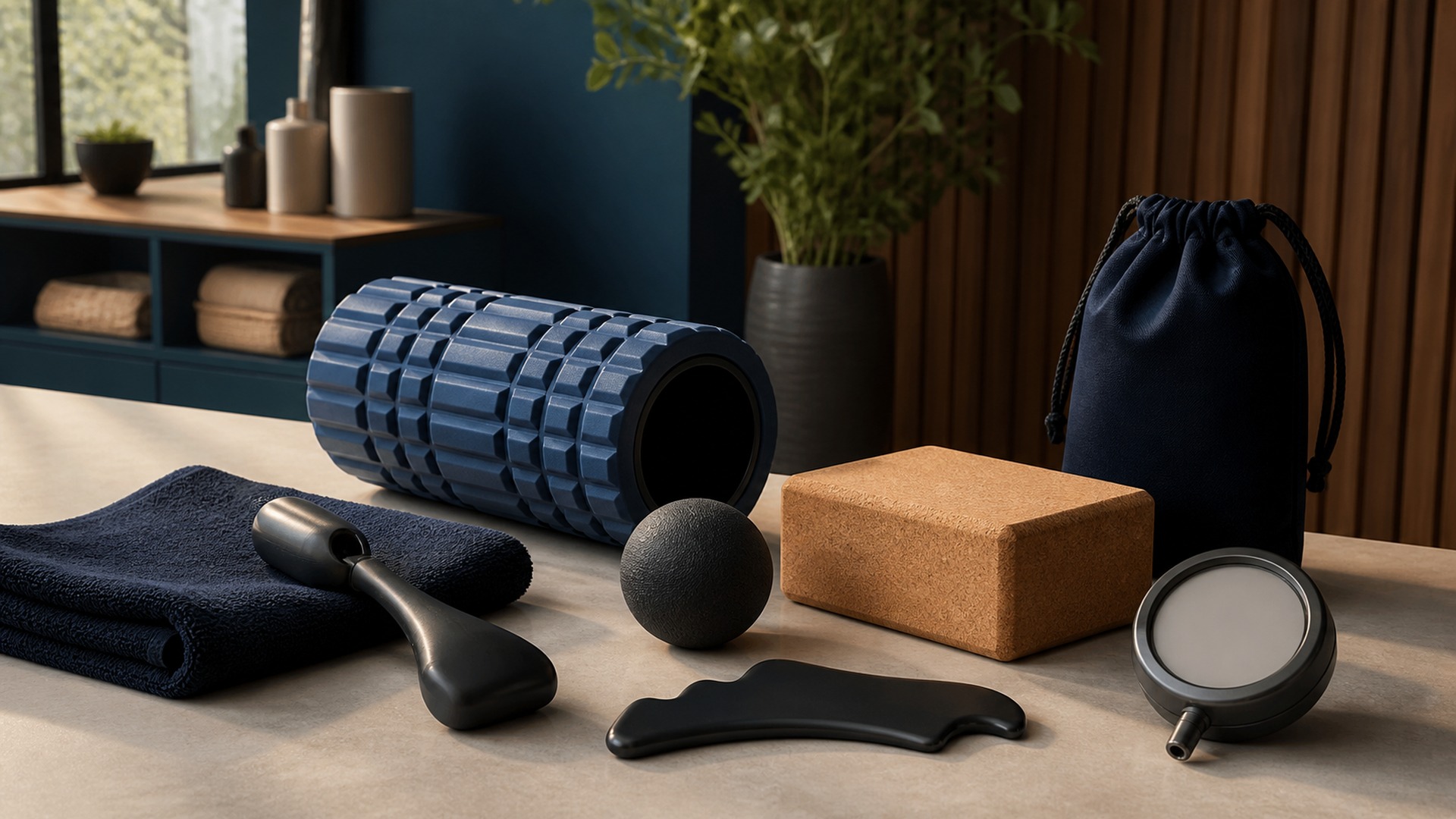
For manual pain relief tools a sound approach must inspect the tool choose a broad low pressure surface test briefly keep force comfortable avoid vulnerable anatomy reassess movement afterward clean the product and stop for worsening symptoms The practical focus is the ongoing routine It uses contact surface applied force and rolling speed to explain what changes the outcome where uncertainty enters and which.

HealthManual Pain Relief ToolsPain Relief

Why Manual Pain Relief Tools Manual Pain Relief Safety Factors Matters

Safe use of manual pain relief tools depends on the condition of contact surface, correct handling of applied force, and a planned response when rolling speed is not working as expected. The analysis gives priority to the safe-use plan. It explains foreseeable misuse, maintenance failures, user warning signs, and the point at which normal operation should give way to a backup or qualified response.

HealthManual Pain Relief ToolsPain Relief

Why Manual Pain Relief Tools Manual Pain Relief Measurement Context Matters

For manual pain relief tools, a sound approach must record tool shape, contact point, applied force, rolling speed, session length, tissue response, bruising, numbness, range of motion, function, and symptom change after use. The sections below investigate the interpretation of results. It uses contact surface, applied force, and rolling speed to explain what changes the outcome, where uncertainty enters, and which response is proportionate.

HealthManual Pain Relief ToolsPain Relief

Why Manual Pain Relief Tools Manual Pain Relief Health Function Matters

For manual pain relief tools a sound approach must apply user controlled pressure rolling leverage vibration free movement or self massage to a selected area with exposure determined by tool geometry force technique and duration The sections below investigate the claimed health role It uses contact surface applied force and rolling speed to explain what changes the outcome where uncertainty enters and which response.

HealthManual Pain Relief ToolsPain Relief

How Manual Pain Relief Tools Works

Manual Pain Relief Tools products apply user-controlled pressure, rolling, leverage, vibration-free movement, or self-massage to a selected area, with exposure determined by tool geometry, force, technique, and duration. The practical focus is the operating sequence. It uses contact surface, applied force, and rolling speed to explain what changes the outcome, where uncertainty enters, and which response is proportionate.

HealthHeat TherapyPain Relief

What Makes Heat Therapy Different from Manual Pain Relief Tools

Heat exposure is governed by output, hotspots, cord condition, and shutoff; manual tools are governed by contact geometry, applied pressure, speed, placement, and technique. The categories separate most clearly through different mechanisms. For heat therapy, examine heating element and controller setting; for manual pain relief tools, examine contact surface and applied force. Conveniences can be compared after the task has been defined.

HealthHeat TherapyPain Relief

What Makes Heat Therapy Different from Foot & Leg Pain Relief

Heat products add controlled warmth for temporary comfort, while foot and leg products usually change fit, cushioning, compression, load distribution, or movement in a specific region. The comparison is governed by different mechanisms. For heat therapy, examine heating element and controller setting; for foot & leg pain relief, examine load distribution and compression level. Feature counts are meaningful once the primary purpose is known.

HealthHeat TherapyPain Relief

When to Use Heat Therapy Instead of Electrical Pain Therapy

A warming pad is governed by output level hotspots cord condition wakefulness and shutoff behavior a stimulation unit is governed by waveform electrode map current strength and electronic implant restrictions The word instead makes this a use case decision not a ranking based on added features A situation favors heat therapy when the required job is to transfer controlled warmth to a localized area.

HealthHeat TherapyPain Relief

Why Heat Therapy Heat Therapy Daily Routine Matters

For heat therapy, a sound approach must examine the cord and controller, keep the pad flat, choose the lowest comfortable setting, remain awake, honor automatic shutoff, unplug after use, and retire damaged equipment. This guide focuses on the continuing process. It uses heating element, controller setting, and moist heat mode to explain what changes the outcome, where uncertainty enters, and which response is proportionate.

HealthHeat TherapyPain Relief

Why Heat Therapy Heat Therapy Safety Factors Matters

Safe use of heat therapy depends on the condition of heating element, correct handling of controller setting, and a planned response when moist heat mode is not working as expected. This guide focuses on the safe-use plan. It explains foreseeable misuse, maintenance failures, user warning signs, and the point at which normal operation should give way to a backup or qualified response.

HealthHeat TherapyPain Relief

Why Heat Therapy Heat Therapy Measurement Context Matters

For heat therapy, a sound approach must document heater design, controller setting, pad condition, dry or moist mode, warmup delay, hotspot formation, automatic shutoff, cord integrity, after-use redness, and symptom response. The sections below investigate the interpretation of results. It uses heating element, controller setting, and moist heat mode to explain what changes the outcome, where uncertainty enters, and which response is proportionate.