HealthNeck & Spine Relief DevicesPain Relief

What Makes Neck & Spine Relief Devices Different from Heat Therapy

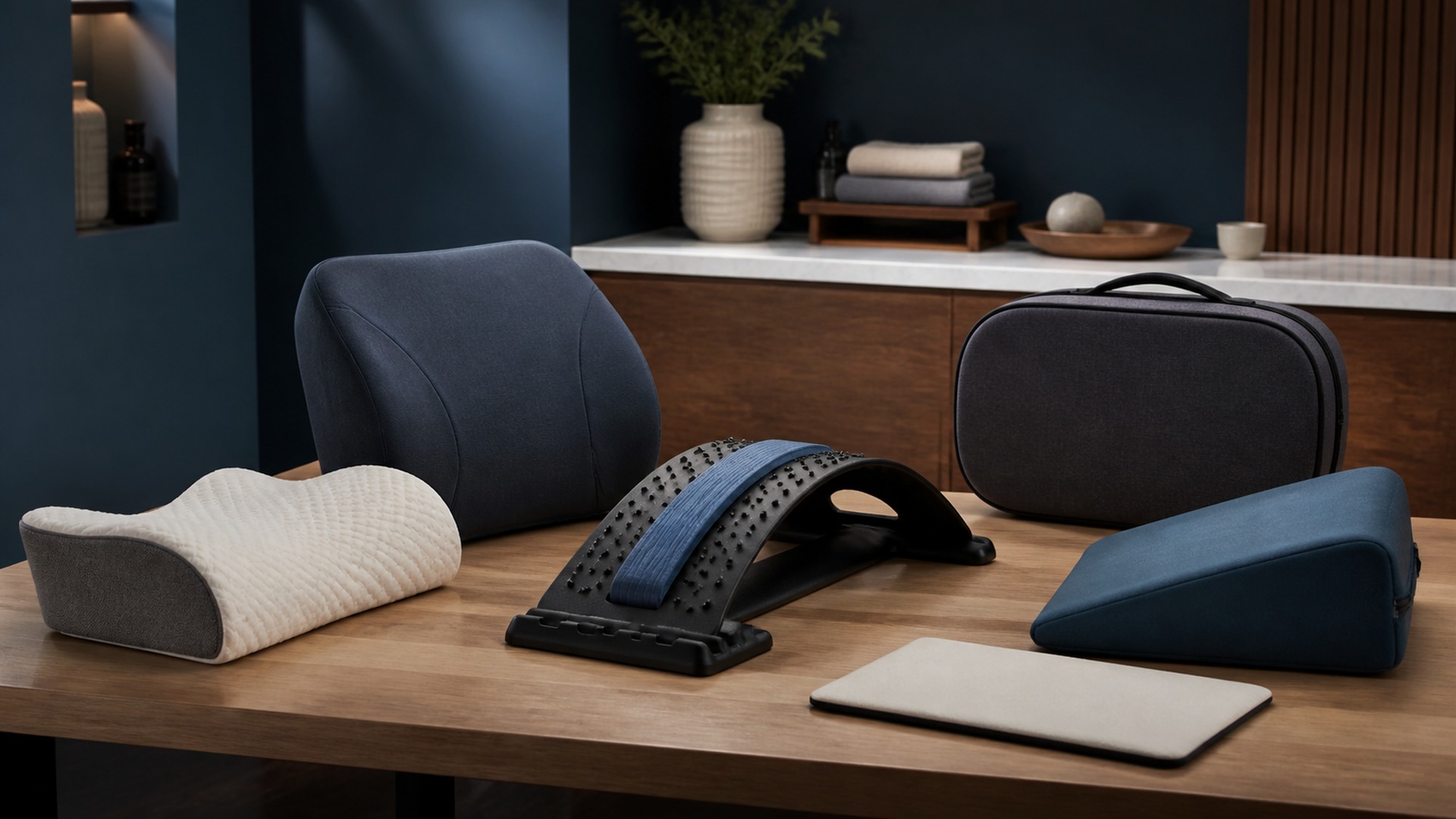
Spine devices are defined by height, alignment, contact zone, and force direction; heat devices are defined by temperature output, pad condition, hotspots, and exposure control. Choosing well requires attention to different mechanisms. For neck & spine relief devices, examine support height and contact zone; for heat therapy, examine heating element and controller setting. Feature counts are meaningful once the direct job is understood.
HealthNeck & Spine Relief DevicesPain Relief

What Makes Neck & Spine Relief Devices Different from Foot & Leg Pain Relief

Neck and spine products focus on cervical or lumbar position and neurologic warnings while foot and leg products focus on regional fit pressure cushioning compression and walking function The deciding issue is different mechanisms For neck spine relief devices examine support height and contact zone for foot leg pain relief examine load distribution and compression level Extra capabilities come later after the practical objective.

HealthNeck & Spine Relief DevicesPain Relief

When to Use Neck & Spine Relief Devices Instead of Electrical Pain Therapy

A neck or back device changes position support or traction force electrical therapy applies current and requires a different review of electrode placement and electronic implants The word instead makes this a use case decision not a ranking based on added features A situation favors neck spine relief devices when the required job is to change positioning A situation favors electrical pain therapy when.

HealthNeck & Spine Relief DevicesPain Relief

When to Use Neck & Spine Relief Devices Instead of Cold Therapy

Neck and spine devices change support geometry posture or measured traction while cold therapy is a short cooling exposure followed by skin checks and warmth recovery The word instead makes this a use case decision not a vote for whichever option has more capabilities A situation favors neck spine relief devices when the required job is to change positioning A situation favors cold therapy.

HealthNeck & Spine Relief DevicesPain Relief

Why Neck & Spine Relief Devices Neck Spine Relief Daily Routine Matters

For neck spine relief devices a sound approach must confirm the device purpose inspect fit and hardware begin with the lowest exposure keep the spine neutral monitor for radiating symptoms or dizziness stop promptly and store the device correctly This review works through the recurring sequence It uses support height contact zone and traction direction to explain what changes the outcome where uncertainty enters.

HealthNeck & Spine Relief DevicesPain Relief

Why Neck & Spine Relief Devices Neck Spine Relief Safety Factors Matters

Safe use of neck & spine relief devices depends on the condition of support height, correct handling of contact zone, and a planned response when traction direction is not working as expected. Here, the main issue is the safe-use plan. It explains foreseeable misuse, maintenance failures, user warning signs, and the point at which normal operation should give way to a backup or qualified response.

HealthNeck & Spine Relief DevicesPain Relief

Why Neck & Spine Relief Devices Neck Spine Relief Measurement Context Matters

For neck spine relief devices a sound approach must identify device type support height contact zone traction direction force setting session duration posture comfort range of motion neurologic symptoms and function before and after use This explainer centers on the interpretation of results It uses support height contact zone and traction direction to explain what changes the outcome where uncertainty enters and which response.

HealthNeck & Spine Relief DevicesPain Relief

Why Neck & Spine Relief Devices Neck Spine Relief Health Function Matters

For neck & spine relief devices, a sound approach must change positioning, support, traction, alignment cues, or localized pressure around the neck or back, with results depending on fit, force, anatomy, diagnosis, and duration. The analysis gives priority to the claimed health role. It uses support height, contact zone, and traction direction to explain what changes the outcome, where uncertainty enters, and which response is proportionate.

HealthNeck & Spine Relief DevicesPain Relief

How Neck & Spine Relief Devices Works

Neck & Spine Relief Devices products change positioning, support, traction, alignment cues, or localized pressure around the neck or back, with results depending on fit, force, anatomy, diagnosis, and duration. Here, the main issue is the operating sequence. It uses support height, contact zone, and traction direction to explain what changes the outcome, where uncertainty enters, and which response is proportionate.

HealthManual Pain Relief ToolsPain Relief

What Makes Manual Pain Relief Tools Different from Heat Therapy

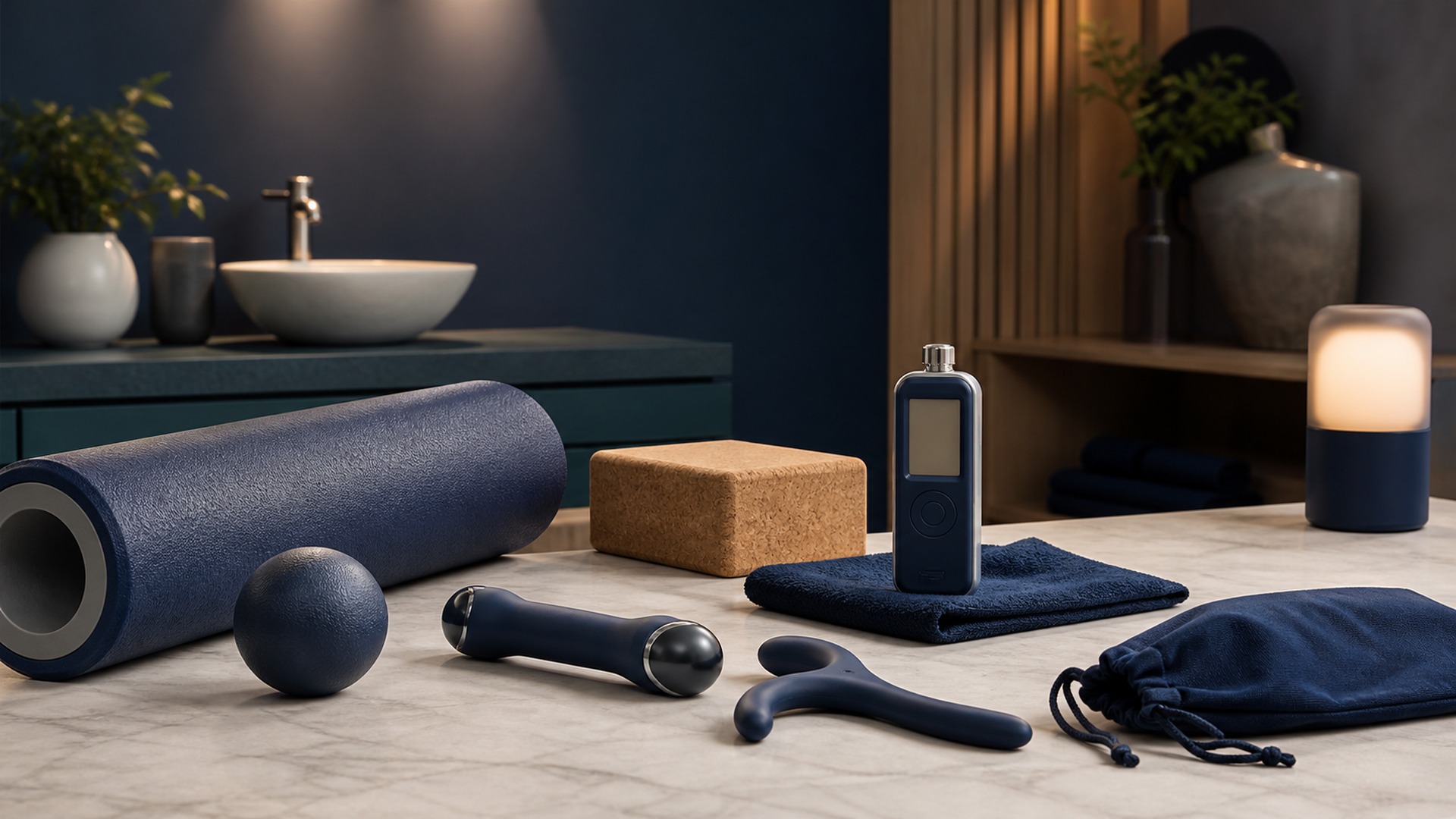
Manual products concentrate or spread physical force without intentionally warming tissue; heat products raise local temperature and require burn-prevention controls. The useful distinction begins with different mechanisms. For manual pain relief tools, examine contact surface and applied force; for heat therapy, examine heating element and controller setting. Specifications help only when the use case is specific.

HealthManual Pain Relief ToolsPain Relief

What Makes Manual Pain Relief Tools Different from Foot & Leg Pain Relief

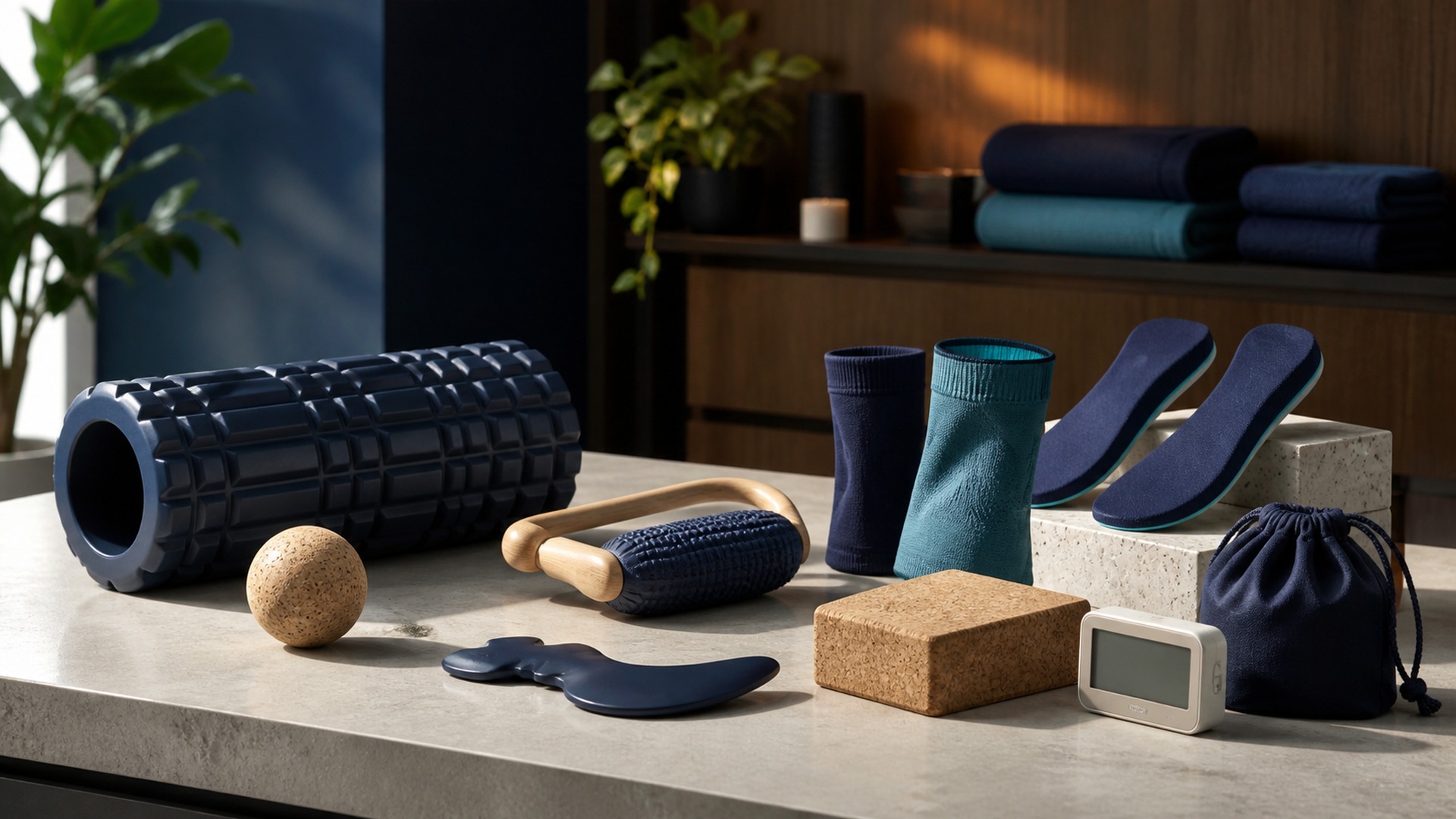
Manual tools are classified by rolling leverage or pressure while foot and leg relief includes insoles supports sleeves and other products selected for lower limb fit and function The categories separate most clearly through different mechanisms For manual pain relief tools examine contact surface and applied force for foot leg pain relief examine load distribution and compression level Specifications help only when the user’s.

HealthManual Pain Relief ToolsPain Relief

When to Use Manual Pain Relief Tools Instead of Electrical Pain Therapy

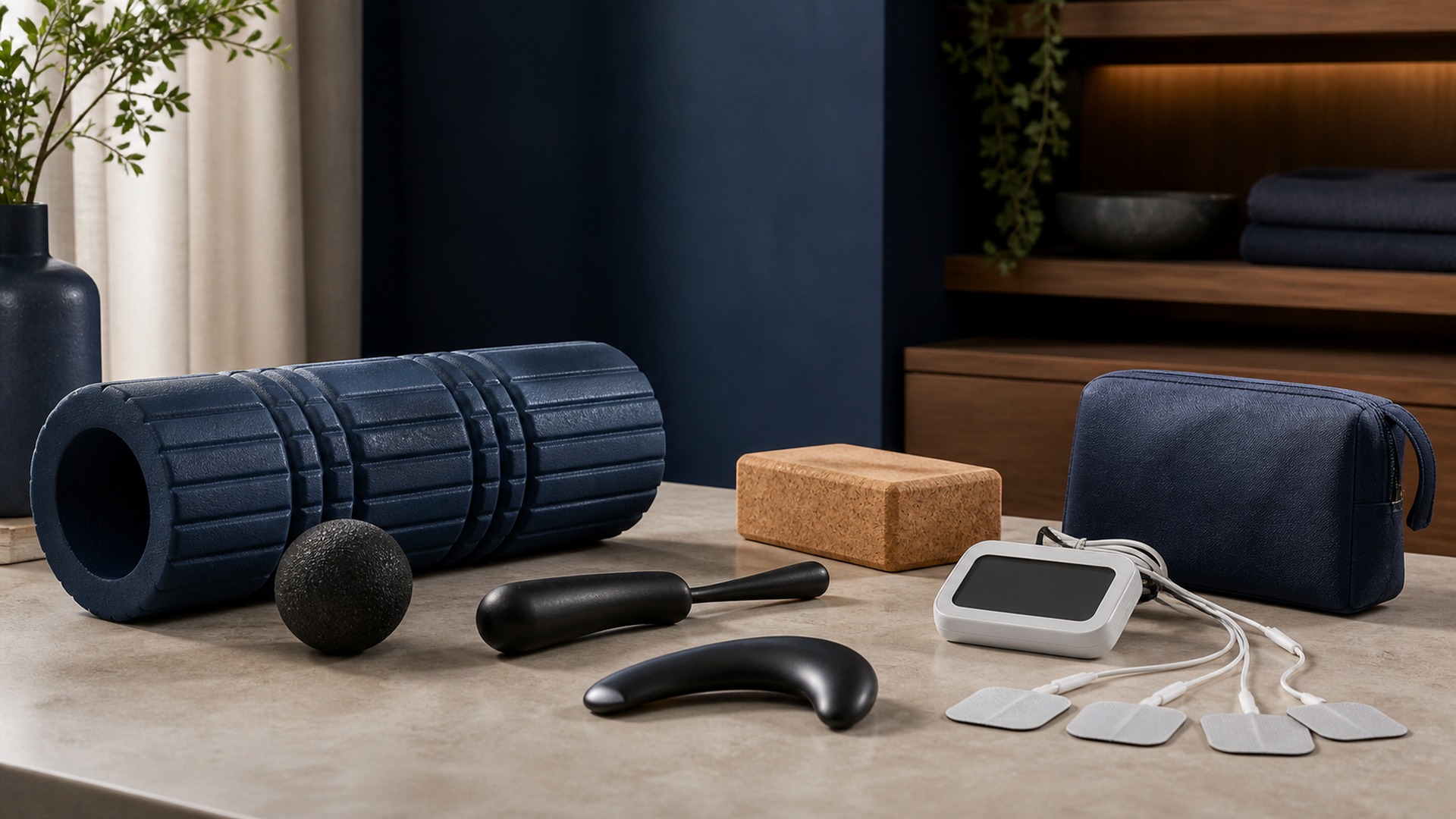
Manual tools provide direct tactile control over pressure and location electrical devices deliver patterned current and add electrode placement skin and implanted device constraints The word instead makes this a use case decision not a vote for whichever option has more capabilities A situation favors manual pain relief tools when the required job is to apply user controlled pressure A situation favors electrical pain.