This comparison examines the practical differences between compact and full-size cordless drills, focusing on Milwaukee M18 Compact and DeWalt XR performance, ergonomics, and real-world jobsite tradeoffs.

Reviews You Can Trust
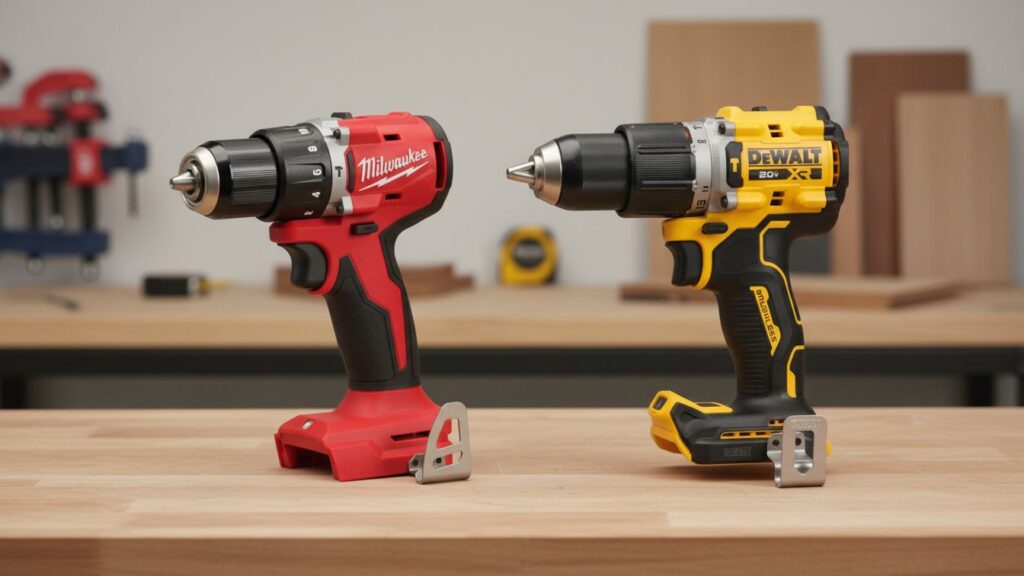
Head-to-head
Compact vs Full-Size Cordless Drills: Milwaukee M18 Compact vs DeWalt XR
A clean A/B view of what matters on real jobs: how compact handling compares to full-size headroom, plus control, fatigue over long days, kit value, and the long-term cost of buying into a battery ecosystem.
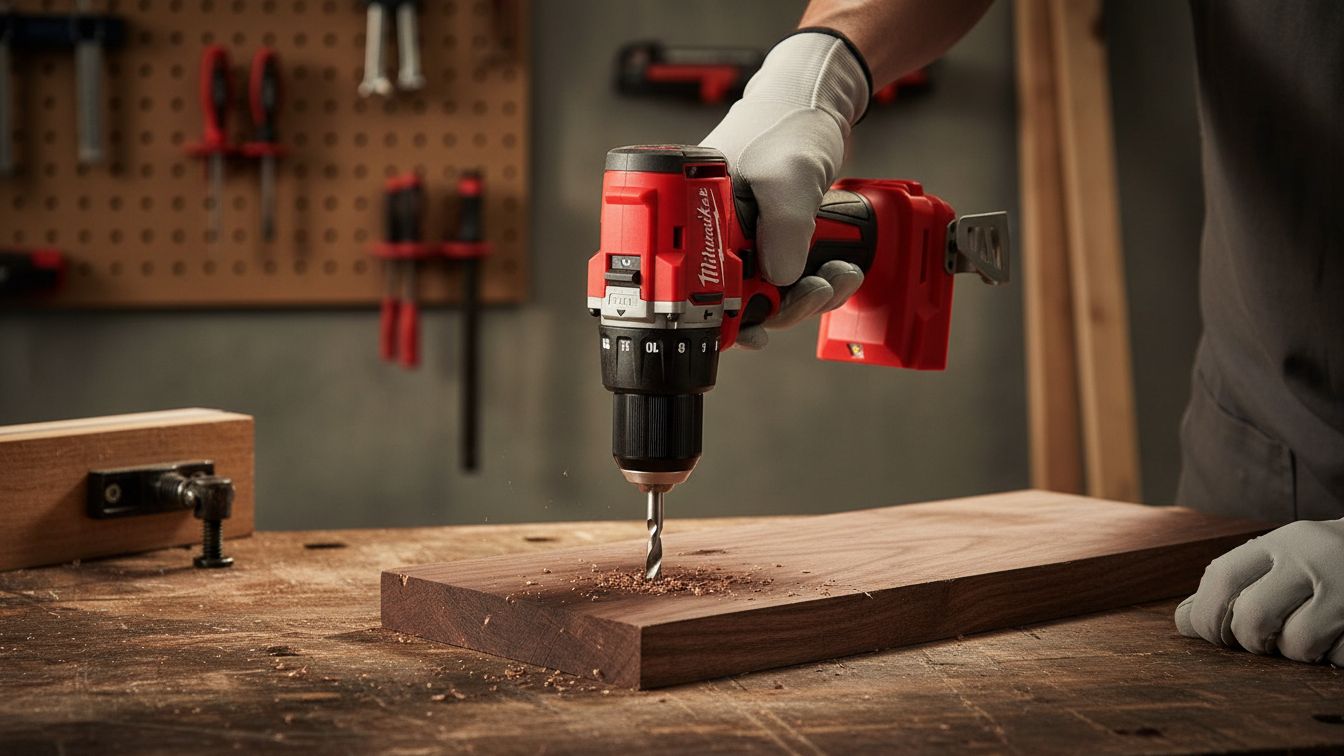
Milwaukee M18 Compact cordless drill/driver
A compact, work-ready drill that prioritizes access and reduced fatigue—ideal for service calls, cabinetry, overhead fastening, and tight spaces where full-size tools feel bulky.
- Shorter, easier handling when working inside cabinets, between studs, or around HVAC/electrical runs
- Comfortable for long fastening sessions, especially overhead or one-handed positioning
- Smart pick if your drill sees lots of daily “in and out” tasks rather than constant heavy boring
VS
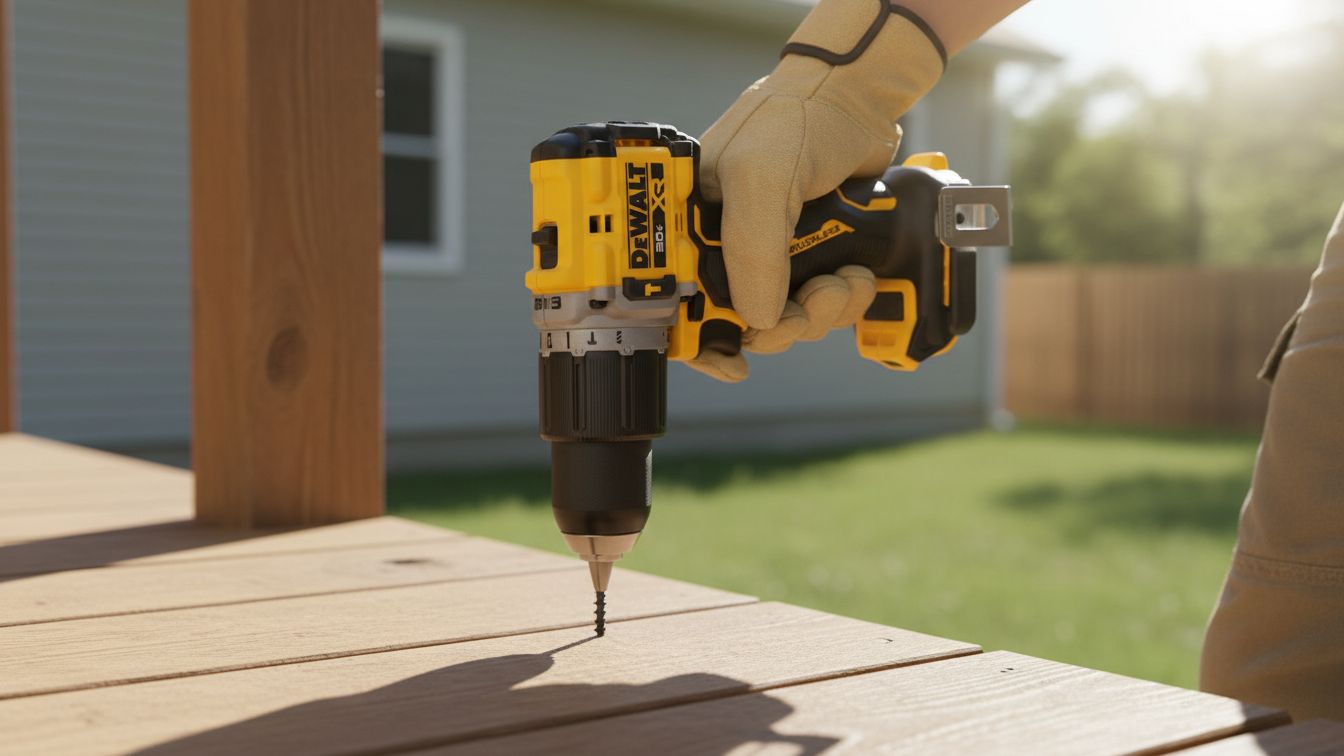
DeWalt XR cordless drill/driver
A full-size, jobsite-focused option built for higher-demand drilling and driving—better when you routinely push larger bits, work in dense stock, or need more headroom under load.
- More comfortable margin when boring larger holes or driving long fasteners in dense material
- Better fit for crews that want one drill to cover tough tasks without feeling maxed out
- Strong ecosystem availability and frequent kit bundles for building out a cordless lineup
Power under load
Capable for routine holes
More headroom on demanding work
DeWalt
Control & clutch consistency
Very good for clean seating
Very good, especially mid-range
Tie
Ergonomics (feel + fatigue)
Compact and easier in tight work
Larger footprint, steady grip
Milwaukee
Value (typical kit pricing)
Good, varies by kit
Often strong in widely sold kits
DeWalt
Battery ecosystem depth
Massive M18 platform
Large 20V MAX lineup
Milwaukee
Real-world context
This comparison reflects a synthesis of professional reviews, manufacturer data, long-term user feedback, and use-case patterns to highlight how each drill typically performs in everyday projects.
Milwaukee — Why people choose it
- Compact size that makes cabinet work, electrical rough-ins, and tight framing bays easier
- Comfortable handling for repetitive fastening and overhead positioning
- Deep M18 lineup if you plan to expand beyond a drill into specialty and trade tools
DeWalt — Why people choose it
- More working margin for larger bits, dense stock, and long fasteners
- Strong kit ecosystem and broad availability for crews and supply-run convenience
- Good “one drill covers most jobs” fit when you regularly ask more from a single tool
Verdict: Choose DeWalt XR if your work routinely leans toward heavier drilling and you want more headroom under load with strong kit availability. Choose Milwaukee M18 Compact if access, reduced fatigue, and tight-space handling matter most—especially for service work, cabinetry, and everyday fastening where a smaller drill is simply easier to live with.