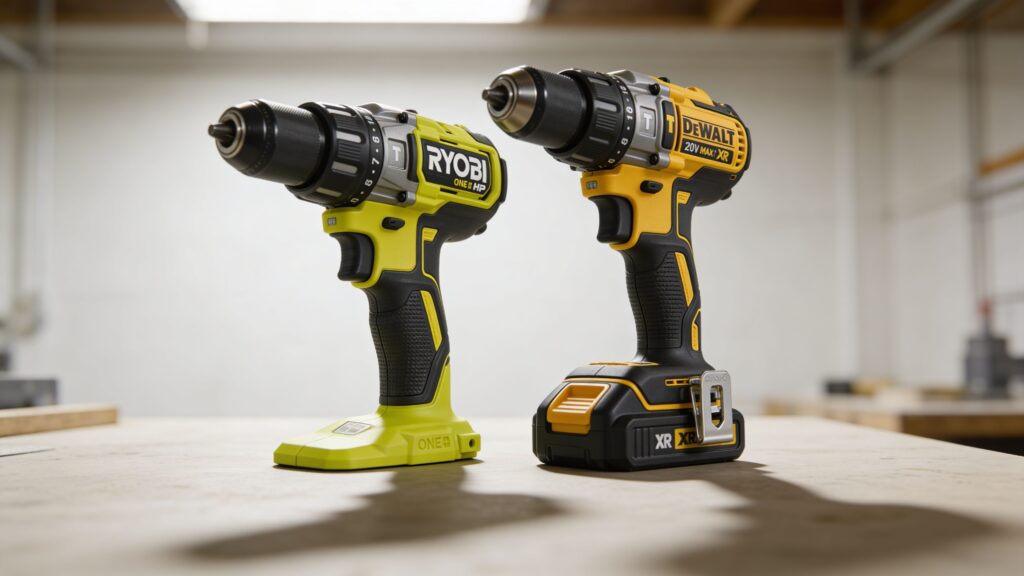
Choosing between compact and full-size hammer drills depends on job demands, workspace constraints, and performance expectations. This head-to-head comparison examines size, power, control, and real-world usability to clarify key tradeoffs.

Head-to-head
A clean A/B view of what matters on real jobs: access in tight bays, comfort overhead, drilling pace in wood and masonry, and how each size class fits the way pros actually work day to day.
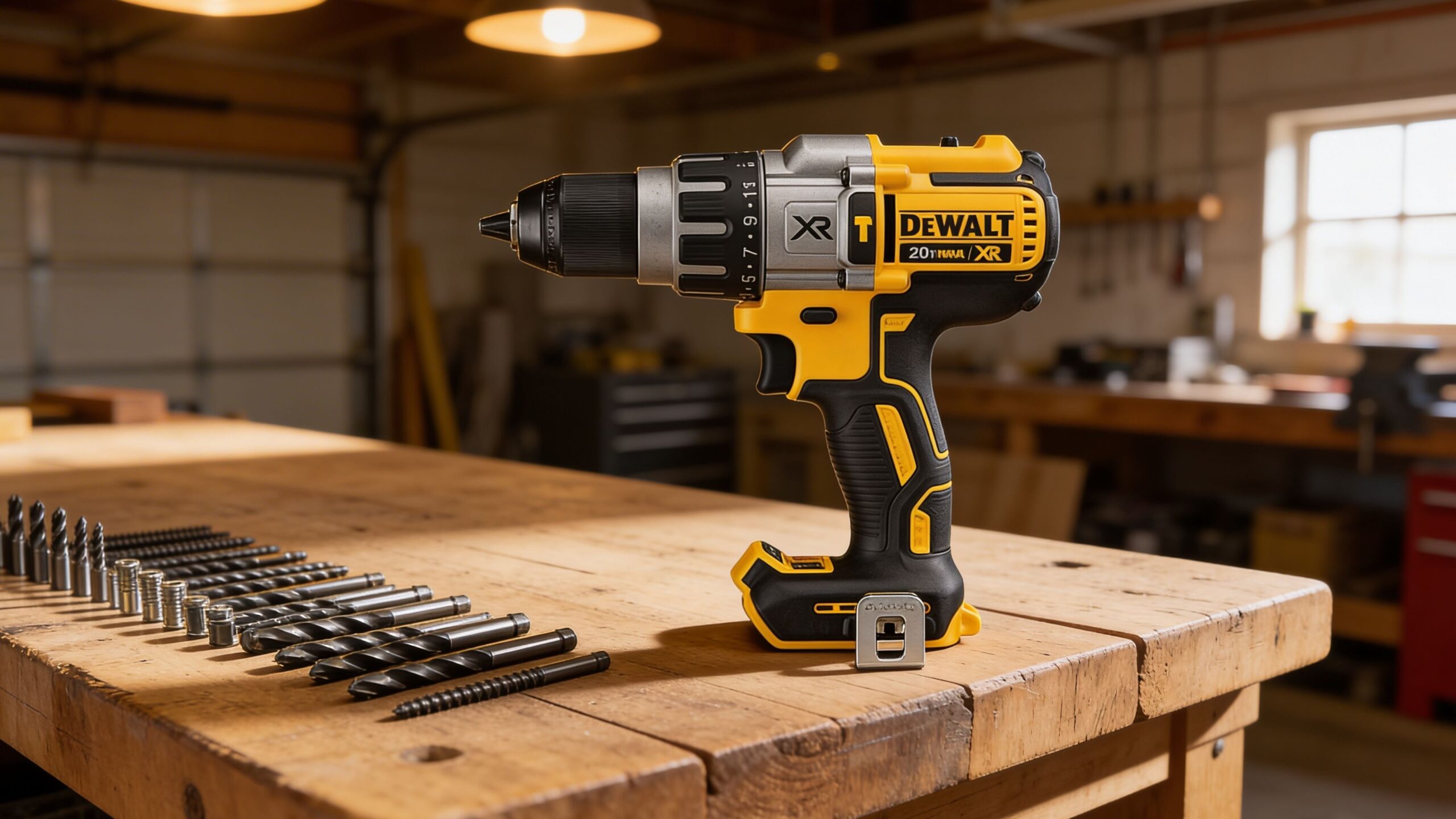
Built for access and control. The shorter head and lighter feel help with cabinet installs, service work, and overhead drilling where fatigue and clearance matter more than maximum output.
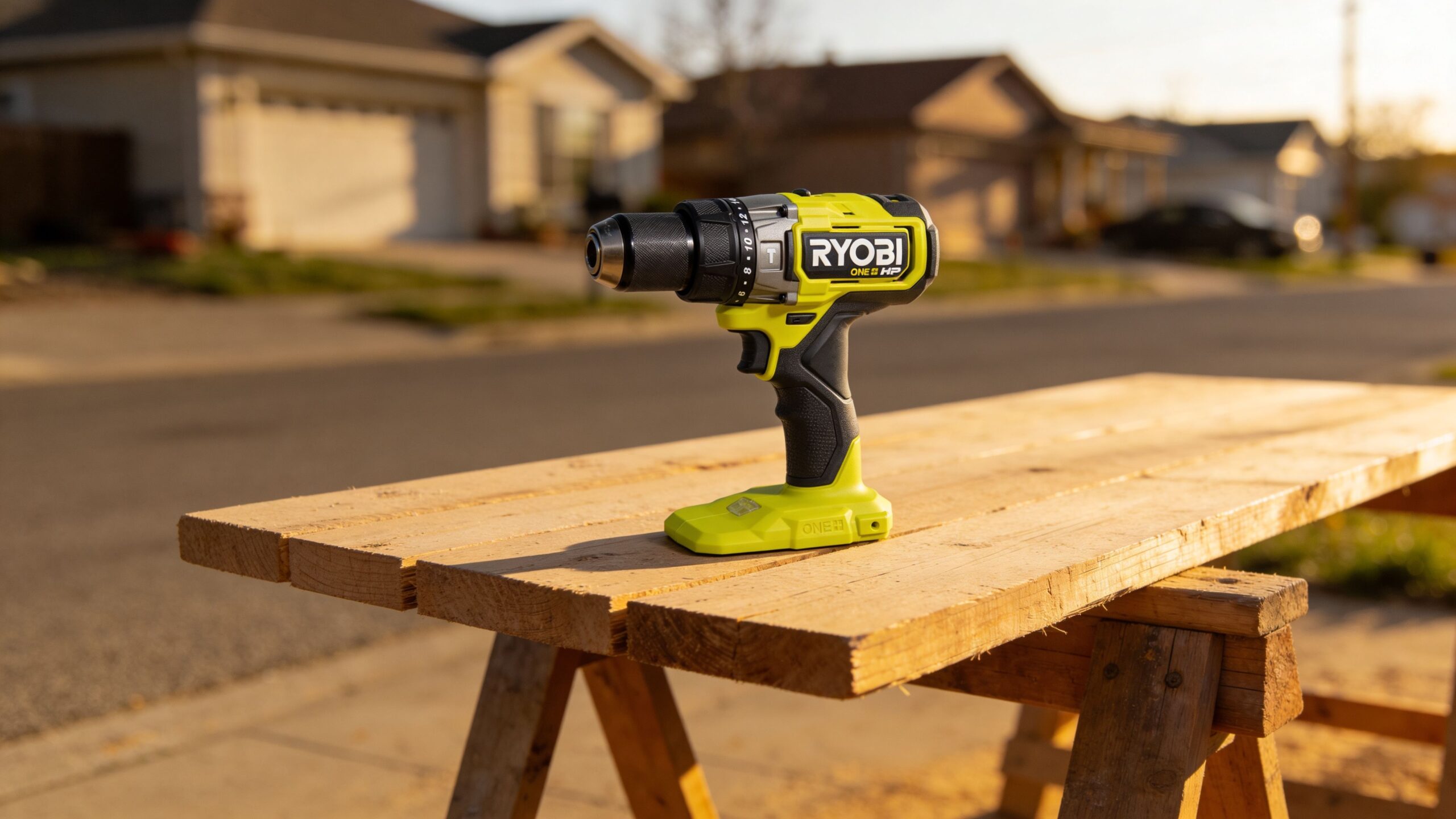
Built to push harder for longer. The larger motor and heavier stance tend to feel more composed when drilling bigger holes, mixing, or working in concrete where sustained output matters.
Deep dive
Compact and full-size hammer drills can both handle everyday drilling and fastening, but they solve different problems. The real separation shows up in workflow: how often you’re working in tight bays or overhead, how frequently you’re leaning into tougher drilling, and how much “reserve” you need before the tool starts to feel strained. This deep dive focuses on practical outcomes—access, fatigue, control during starts, steadiness under load, and ownership considerations that affect your day more than a spec sheet.
When access drives the decision: compact hammer drills earn their keep when the job is defined by clearance. A shorter front end and lighter overall feel make it easier to stay square in stud bays, inside cabinets, around pipes, and in ceiling work. That translates to fewer awkward body positions, cleaner starts when you’re braced poorly, and less frustration when the drill is constantly being repositioned. In practice, the compact advantage is less about “less power” and more about being able to apply the power you do have in spaces where a larger drill can’t be held comfortably.
When the work pushes back: full-size hammer drills tend to feel more composed when drilling sessions get demanding—larger hole sizes, denser stock, or frequent anchors in concrete and block. The benefit isn’t just speed; it’s how consistently the tool keeps moving when resistance increases, and how steady it feels when the bit starts to bite. Over a longer day, that extra headroom can reduce stalls, cut down on “feathering” through tough spots, and keep the drill from feeling like it’s operating at its limit.
Control, fatigue, and ownership over time: if your typical day is heavy on repetitive fastening, pilot holes, and quick transitions, a compact drill often feels more predictable because it’s easier to handle precisely and to support for long stretches. If your routine includes frequent tough drilling where you’d otherwise switch tools, a full-size drill can simplify the kit by covering more high-load tasks without feeling overworked. Over the long run, the smarter choice is usually the one that matches your dominant workload: compact for access and comfort-first jobs, full-size for sustained drilling and heavier-duty coverage—both can be “right,” depending on what your projects ask of the tool most often.
Methodology
This comparison is built around the kinds of tasks that separate a compact hammer drill from a full-size one in everyday work. Instead of chasing spec-sheet advantages, we focus on how each size class behaves when you’re drilling, fastening, and switching between jobs—especially where clearance, fatigue, and “reserve power” change outcomes. Our approach blends task-based evaluation with real-world context so the results stay relevant whether the drill is used occasionally or all day.
Tasks: boring common holes in framing lumber, drilling repeated pilot holes and driving fasteners with frequent start–stop cycles, overhead and ladder-position work to gauge fatigue, and light-to-moderate masonry drilling to see how each size handles vibration, control, and sustained effort.
What we scored: how consistently power shows up when resistance increases, how controllable the tool feels during starts and near-finish driving, balance and comfort with typical battery sizes, confidence in the chuck/bit retention during repeated drilling, and the day-to-day ownership experience (platform flexibility, common accessories, and practical kit value).
How results are interpreted: findings are weighted by use context. In tight spaces and overhead work, handling and predictability carry more importance; in frequent masonry and larger-hole work, sustained output and composure under load matter more. We judge results by repeatable outcomes—smooth starts, fewer stalls, less fatigue, and cleaner workflow—not single best-case moments.
What we ignored: advertised torque or impact-rate claims in isolation, peak “one-time” performance stories, and features that don’t translate into consistent results across typical jobs and common battery pairings.
FAQ
Verdict
In this matchup, there isn’t a universal winner—there’s a better fit based on how the drill will actually be used. The right choice comes down to whether access and reduced fatigue matter more, or whether sustained drilling performance and added headroom carry greater weight in your typical workload.
Best for Tight, Frequent, Mixed Tasks
Compact Hammer DrillThe more practical choice when clearance, lighter handling, and day-long comfort shape most of your work.
Tip: If your projects are evenly split, consider which scenario happens more often—tight access or heavy drilling—and choose the size that supports that majority use case.
Jump to the sections that help you choose between compact and full-size hammer drills—where the real tradeoffs show up in handling, workload, and day-to-day usability.
We prioritize reputable sellers, easy returns, and reliable availability.
Tip: Match accessories to your most common jobs—compact drills benefit most from lighter batteries and shorter bits, while full-size drills shine with larger bits and better dust control.
Choose a retailer
Prices checked regularly. We may earn a commission at no cost to you.