Corded and cordless tools solve different problems in real-world use, and this comparison examines their performance, mobility, runtime, and tradeoffs to clarify which setup fits specific tasks best.

Reviews You Can Trust
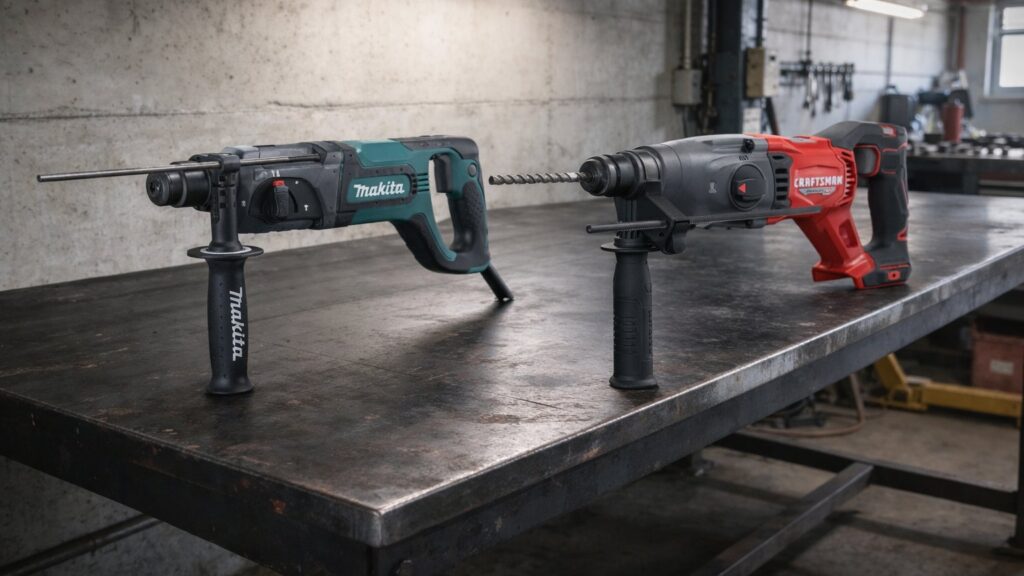
Head-to-head
Corded vs Cordless: Key Differences Explained
A clean A/B view of what matters in real use: sustained power, mobility on active jobsites, runtime and downtime, tool weight, and the broader tradeoffs that shape pro buying decisions.
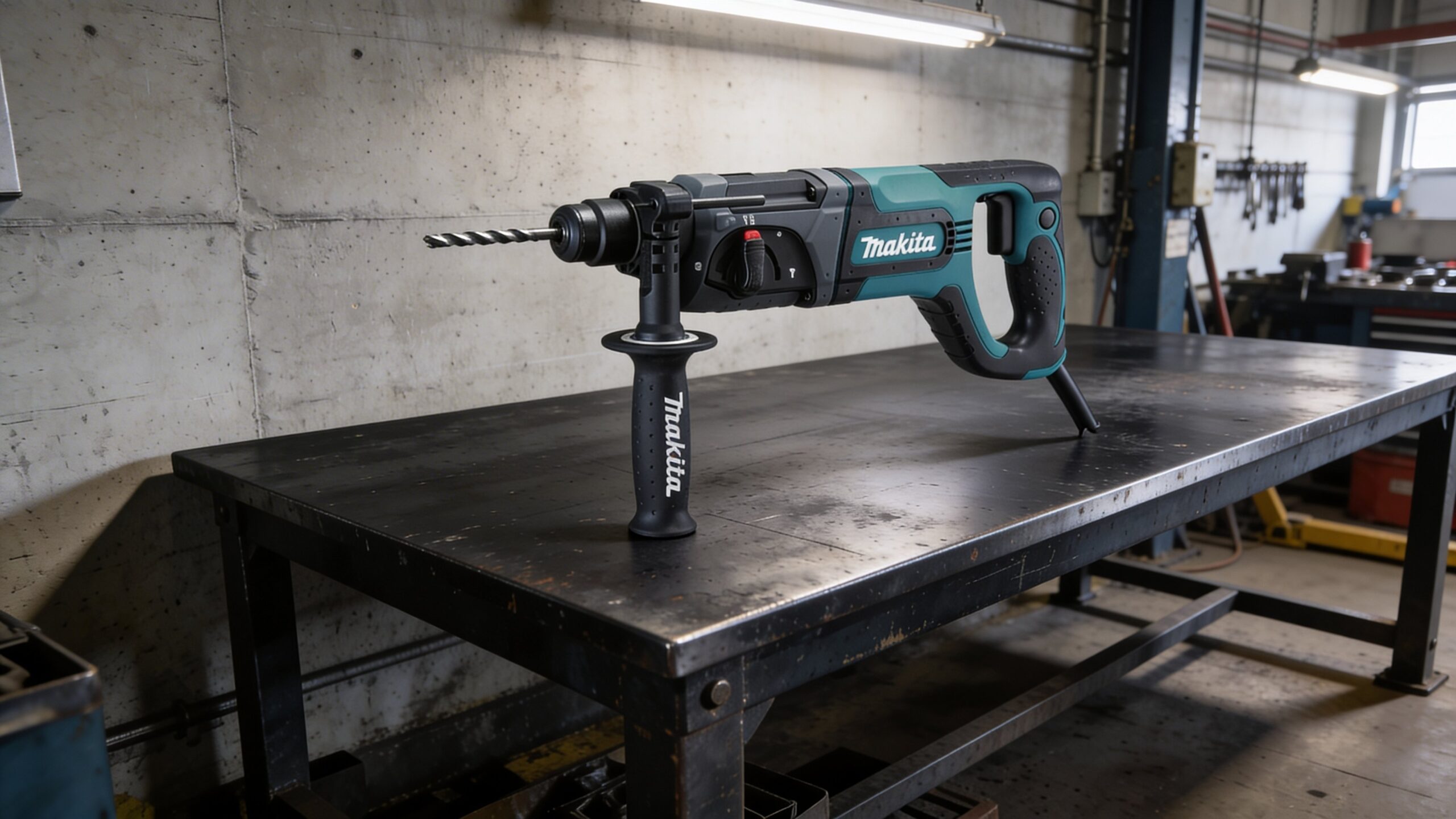
Corded Rotary Hammer
A plug-in setup built around uninterrupted output and steady heavy-duty work. It fits crews drilling or chiseling for long stretches where access to power matters less than sustained performance.
- Delivers consistent drilling and chiseling without battery swaps or charge planning
- Usually the better fit for extended concrete work near reliable power access
- Often offers stronger value when maximum mobility is not the priority
VS
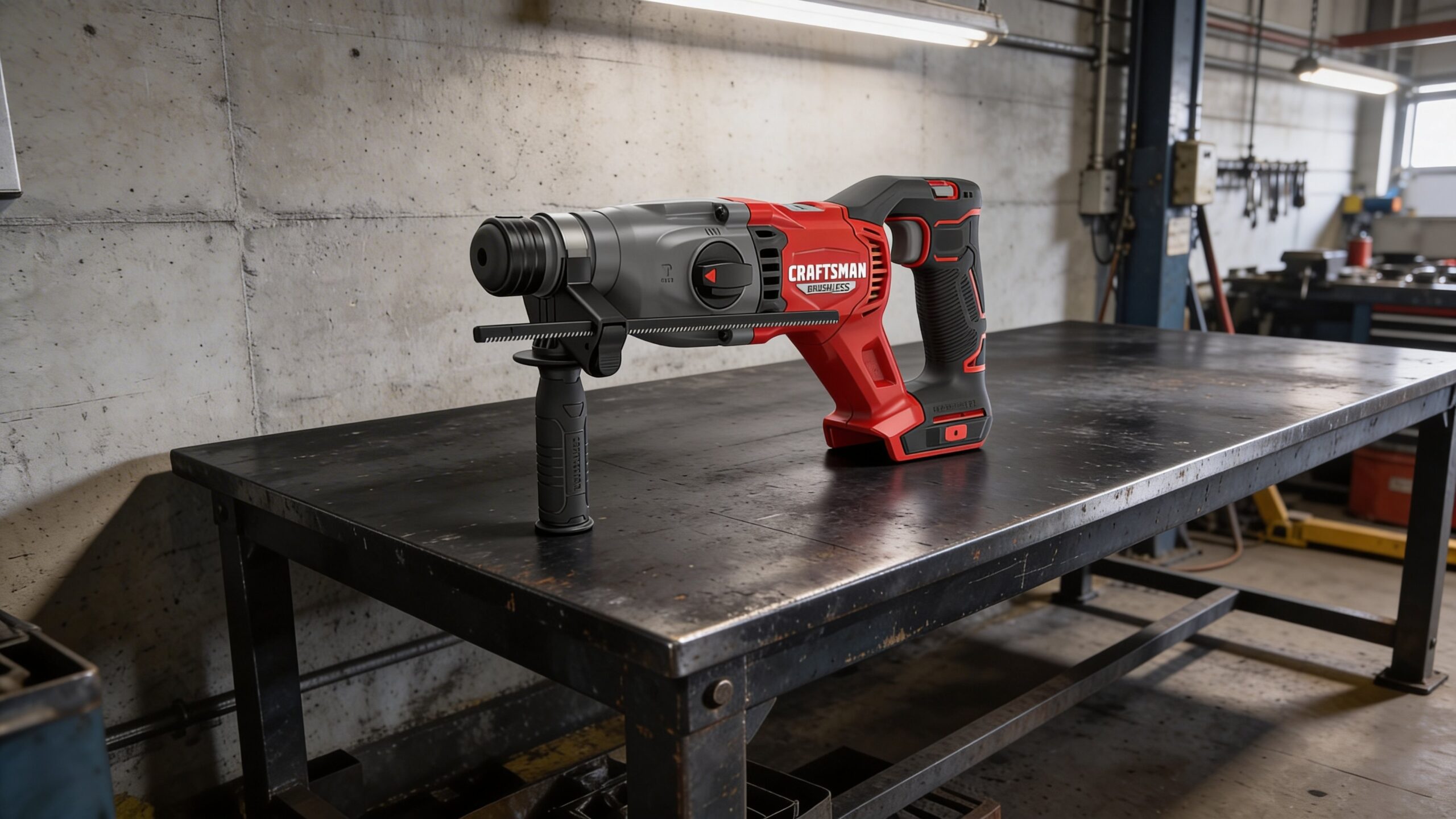
Cordless Rotary Hammer
A mobility-first option that works best when outlets are inconvenient, ladders are involved, or punch-list drilling happens across a large site. It trades some endurance and cost efficiency for freedom of movement.
- Much easier to carry across scaffolding, remodel sites, and service calls
- Better for short-to-medium drilling sessions where cord management slows the job
- Higher convenience comes with battery planning, added pack cost, and runtime limits
Power under load
More consistent over long runs
Strong, but battery-dependent
Corded Rotary Hammer
Control & clutch consistency
Very stable and predictable
Very good in modern pro models
Corded Rotary Hammer
Ergonomics (feel + fatigue)
Heavier setup with cord drag
Freer movement, easier positioning
Cordless Rotary Hammer
Value (typical kit pricing)
Usually lower buy-in
Higher total cost with batteries
Corded Rotary Hammer
Battery ecosystem depth
No platform dependency
Strong upside if you share packs
Cordless Rotary Hammer
Real-world context
This comparison reflects a synthesis of professional reviews, manufacturer data, long-term user feedback, and use-case patterns to highlight how each drill typically performs in everyday projects.
Corded Rotary Hammer — Why people choose it
- Better fit for repeated drilling and chiseling where stopping to recharge is a liability
- Usually makes more sense for shop, crew, and site setups with easy power access
- Often the simpler value choice when performance matters more than portability
Cordless Rotary Hammer — Why people choose it
- Faster to deploy for overhead work, ladders, exterior punch lists, and remote locations
- Cleaner workflow on busy jobsites where cords create drag, clutter, or setup delays
- More attractive when you already own batteries on the same platform (reducing extra buy-in)
Verdict: Choose Corded Rotary Hammer if your work centers on longer drilling sessions, repeated concrete tasks, or any job where uninterrupted output and lower upfront cost matter most. Choose Cordless Rotary Hammer if you move constantly, work away from outlets, or need faster setup and better mobility across active jobsites. For many pros, the decision comes down less to “better” and more to whether endurance or portability drives the workday.