
Cordless Drills Buying Guide for Professional Contractors
Cordless drills are core tools across construction, remodeling, and maintenance work, used for everything from repetitive fastening to demanding drilling in varied materials. The category spans a wide range of power levels, duty cycles, and design priorities, making selection more complex than it initially appears. Performance expectations differ by trade, work environment, and daily workload, and small differences in design or capability can have meaningful impacts on efficiency, fatigue, and long-term reliability.
This buying guide explains the technical and practical factors that shape professional-grade drill selection. It clarifies power systems, torque and speed considerations, durability standards, ergonomics, and workflow tradeoffs. By the end, readers will understand the terminology, decision criteria, and use-case alignment needed to evaluate cordless drills with confidence for professional applications.
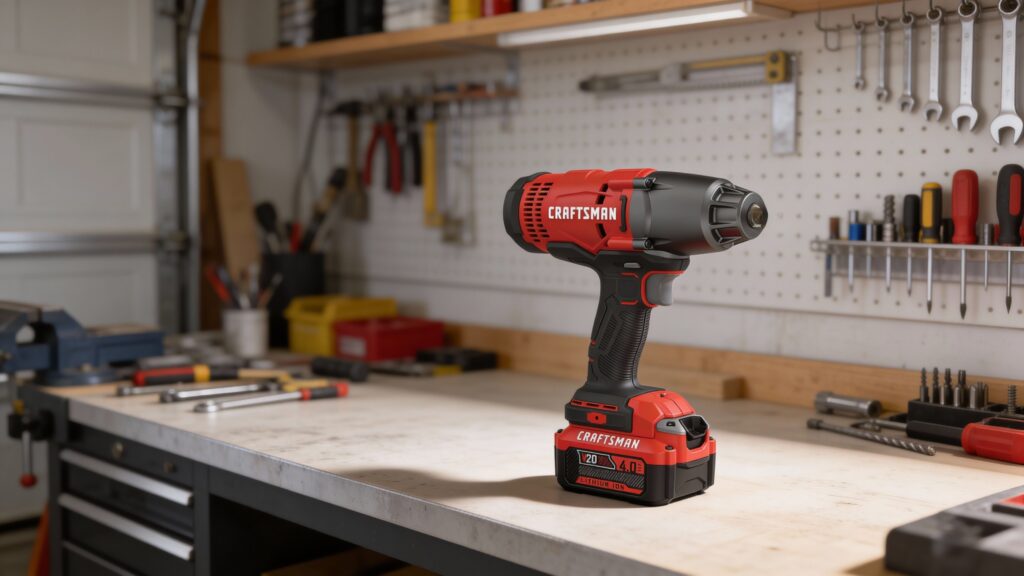
Buying framework
How to think about buying a cordless drill
For professional contractors, most cordless drills can handle routine tasks, but the differences that shape daily performance show up in control, balance, battery decisions, and fatigue over repeated cycles—not in a single high-load moment. Use this framework to define your jobsite priorities and tradeoffs before narrowing down features or configurations.
Control beats peak torque: Prioritize smooth trigger modulation and a predictable clutch so you can start fasteners cleanly, avoid cam-outs, and maintain accuracy when working near finished surfaces.
Balance is a “hidden spec”: Battery size and pack placement change handling. A setup that feels stable at waist height can become fatiguing overhead, on ladders, or during long fastening runs.
Choose your size by workload: Compact drills favor tight spaces and frequent repositioning. Full-size drills offer more sustained output and heat tolerance for larger bits, denser materials, and heavy cycles.
Buy the platform, not just the drill: Battery compatibility, charger options, and long-term pack availability shape uptime and workflow. Align around a platform strategy that supports the tools you rely on daily.
Ergonomics wins over paper specs: Grip geometry, head length, sightlines, and chuck feel affect precision and fatigue across a full day. If handling is inconsistent, you pay for it in speed and rework.
Who this is for
Pick the drill that matches how you actually work
Professional cordless drill needs vary by trade, environment, and daily workload. Use these profiles to align drill size, balance, and battery strategy with how the tool is used on real jobsites—not just how it looks on paper.
Finish trades & interior work: prioritize control, compact size, and clean clutch engagement for repetitive fastening near finished surfaces. What matters most is precision, balance, and reduced fatigue during long stretches of detailed work.
Rough framing & structural tasks: prioritize sustained output, heat management, and stability with larger bits or fasteners. The key factor is consistency under repeated load rather than short bursts of power.
Service calls & mobile work: prioritize portability, fast battery swaps, and predictable performance across varied materials. Reliability and readiness matter more than maximum capacity on any single task.
Overhead or ladder-heavy work: prioritize balance, lighter configurations, and compact batteries to reduce strain. A setup that feels neutral in hand will noticeably improve control and endurance over a full day.
Mixed-use contractors: prioritize versatility, ergonomic comfort, and a flexible battery setup that adapts to both light-duty and demanding jobs. The goal is minimizing tool changes while maintaining consistent handling across tasks.
What to pay attention to
Which cordless drill specs actually matter
Cordless drill spec sheets often highlight numbers that look decisive but translate poorly to daily work. What matters on a professional jobsite is how a drill feels in hand, how it behaves under sustained use, and how consistently it performs across different tasks and conditions.
Specs that affect feel
Trigger response, balance, clutch behavior, and ergonomics shape control, accuracy, and fatigue over long workdays.
Specs that affect capability
Physical size, battery configuration, and sustained behavior determine what tasks are practical and repeatable.
Trigger control: Rarely documented but immediately noticeable, smooth trigger modulation allows precise starts, cleaner fastening, and better control when working near finished surfaces.
Weight and balance: Published weights exclude real-world battery setups. How a drill balances with compact versus larger packs has a major impact on comfort, especially overhead or on ladders.
Clutch consistency: Even, predictable clutch engagement matters more than raw ratings. Inconsistent clutches lead to cam-outs, stripped fasteners, and rework during repetitive tasks.
Head length: Shorter head length improves access between studs, inside cabinets, and in confined framing situations. Fit often determines effectiveness more than added output.
Battery capacity (Ah): Amp-hour ratings affect runtime, not strength. Larger packs extend use between swaps but add weight and change balance, which can increase fatigue over a full day.
Often overhyped: peak torque figures, voltage labels, and isolated performance claims that don’t reflect control, balance, or sustained jobsite behavior.
Avoid these traps
Common mistakes people make when buying a cordless drill
Most dissatisfaction with a cordless drill comes from mismatches between expectations and real jobsite use. These are the most common mistakes professionals run into—and how to think past them before committing.
Chasing peak torque instead of control: High torque figures look decisive but offer little benefit if trigger response is abrupt or unpredictable. On the jobsite, controlled starts and repeatable fastening matter far more than headline power.
Assuming bigger always means more capable: Larger drills can feel reassuring but often add unnecessary weight and bulk. Over time, that extra mass shows up as fatigue, especially in tight spaces or overhead work.
Overlooking battery balance: Larger battery packs extend runtime but can significantly change how a drill handles. Poor balance affects accuracy and endurance long before runtime becomes a limitation.
Optimizing for rare edge-case tasks: Some applications demand maximum output, but they’re not the norm for most contractors. Selecting around infrequent demands often compromises comfort and efficiency during daily work.
Reading voltage labels too literally: Voltage branding is not a direct measure of usable power. Motor efficiency, electronics, and tool design play a much larger role in how the drill actually performs.
Thinking of the drill as a standalone tool: A cordless drill rarely exists in isolation. Battery compatibility, charging logistics, and future tool expansion often matter more than small differences between individual drill configurations.
Decision guidance
Which type of cordless drill is right for you
For professional contractors, the right drill is defined by daily workload, environment, and fatigue management, not headline specs. Use this guidance to match drill size and configuration to the work you do most often—not the occasional edge case.
Choose a compact drill if: your work involves finish tasks, service calls, punch lists, or frequent fastening in tight or overhead spaces. Compact drills prioritize control, balance, and reduced fatigue, making them easier to manage across long days with varied tasks.
Choose a full-size drill if: your routine includes larger bits, dense materials, or repeated high-load drilling where sustained output matters. Full-size drills handle demanding cycles more comfortably, but trade maneuverability and endurance for capacity.
If your work spans both: prioritize balance with the battery setup you’ll use most often. A drill that remains stable and predictable across tasks usually outperforms one chosen purely for maximum capability.
Optimize for your daily workload: most contractors spend the majority of their drill time on moderate drilling and fastening. Choosing for those repeat tasks improves speed, accuracy, and comfort more than preparing for infrequent heavy-duty jobs.
When a drill isn’t the right answer: if driving long or structural fasteners is a primary task, a dedicated driver can reduce strain and improve consistency. Pairing tools for specific roles often delivers better results than oversizing a single drill.
Ownership & compatibility
What you’re really buying into long term
For professional contractors, a cordless drill is part of a broader system that affects workflow, uptime, and replacement decisions over years of use. Long-term satisfaction depends on battery strategy, serviceability, and how well the platform supports evolving jobsite demands.
Battery ecosystem realities: Battery size options determine how flexible the tool feels day to day. Smaller packs reduce fatigue for service work, while larger packs support longer drilling cycles but change balance and charging habits.
Platform commitment: A cordless drill often anchors a larger tool lineup. Staying within a compatible battery system simplifies charging, storage, and swapping, especially when multiple tools are in rotation on the same jobsite.
Serviceability and wear items: Chucks, switches, and clutches experience real wear over time. Access to replacement parts, straightforward servicing, and durable consumables matter more than short-term performance gains.
Workflow friction: Charging speed, battery swap frequency, and storage logistics affect productivity. A system that integrates cleanly into daily routines reduces downtime and prevents small inefficiencies from compounding across projects.
Total cost of ownership: Batteries tend to be the primary long-term cost driver. Over several years, replacement cycles and expansion needs usually outweigh small differences in initial purchase decisions.
FAQ
Cordless drill buying guide FAQ
Quick answers to the questions contractors ask most when choosing a cordless drill—focused on jobsite reality, long-term use, and day-to-day handling rather than spec-sheet noise.
Do I need a 20V drill, or is 12V enough?
What’s the real difference between “18V” and “20V Max”?
How important is torque for a cordless drill?
What battery size (Ah) should I use?
Should I buy a drill/driver kit or tool-only?
Do I need a hammer drill?
Is an impact driver better than a drill for driving screws?
What features actually matter day to day?
How long should a cordless drill last?
Bottom line
The simplest way to pick the right cordless drill
For professional contractors, most modern drills are capable enough. Long-term satisfaction comes from choosing a drill that matches your real workload, feels controlled in daily use, and fits cleanly into your existing workflow.
If you want predictable ownership: commit to a battery platform that supports your current tools and future expansion, then plan around the battery sizes you’ll actually rotate through on the job.
If control and comfort drive your productivity: prioritize balance, trigger modulation, and consistent clutch behavior with the battery setup you’ll use most often.
If your work leans heavier: choose a drill built for sustained output in dense materials, but avoid upsizing solely for rare edge-case tasks.
If fastening dominates your day: pairing a manageable drill with a dedicated driver often delivers better control and less fatigue than relying on a single oversized tool.
Final check: picture the most common jobsite scenario you face—tight access, overhead work, quick service calls, or long drilling sessions. The drill that feels most composed there is usually the right choice.
Reading Shortcuts
Jump to the sections that matter most for choosing the right drill.
Decision Reminders
A quick checklist before you commit to a drill + battery platform.
- Prioritize control over peak torque: smooth trigger response and predictable clutch behavior matter more than headline power.
- Size should match daily work: compact drills reduce fatigue in tight or overhead spaces, while full-size tools suit sustained heavy tasks.
- Battery choice affects handling: larger packs extend runtime but can shift balance and increase strain during long sessions.
- Think beyond the tool itself: battery compatibility, charging logistics, and future expansion shape long-term ownership.
- Plan for battery rotation: having multiple batteries ready often keeps work moving better than relying on a single large pack.
- Ignore spec-sheet hype: voltage labels and maximum torque claims rarely predict comfort, control, or consistency in real use.
Glossary Snippets
Quick translations for the terms that confuse buyers most.
When to Use a Top 10 Review
Use a Top 10 when you want a fast, structured way to narrow the field before deciding.
- You’re still orienting yourself: The format helps translate specs into practical use cases and priorities.
- You want a smart shortlist: Rankings group tools by role, workload, and capability to reduce overload.
- You want quick category guidance: Sections like Best Overall or Best for Pros explain positioning, not final answers.
- You’re thinking long term: Useful for comparing platform depth, battery ecosystems, and ownership considerations.
Already down to 2–3 models? A Comparison is usually faster than reading full reviews.
When to Use a Comparison
Best when you already have a shortlist and want the clearest tradeoffs before deciding.
- You’re down to 2–3 finalists: side-by-side differences surface faster than scanning full reviews.
- You care about real-world feel: balance, trigger control, fatigue, and handling stand out clearly in comparisons.
- You want category-level takeaways: control, ergonomics, power delivery, runtime, and ownership are easier to weigh head-to-head.
- You need a quick decision: comparisons act as the final filter once the shortlist is set.
Still exploring? Start with a Top 10 to identify the right drill type first.