
Cordless Drills Buying Guide – How to Choose the Right One
Cordless drills occupy a wide middle ground between light household tasks and demanding jobsite work, with variations in power delivery, size, balance, and battery systems that significantly affect how they perform. What appears to be a simple tool choice often involves tradeoffs between control, endurance, torque, weight, and long-term versatility across different materials and workloads.
This buying guide explains the core factors that shape cordless drill performance, clarifying terminology, design priorities, and the practical implications of common specifications. By the end, readers will understand how to evaluate real-world needs, recognize meaningful tradeoffs, and make informed decisions grounded in function, ergonomics, and long-term use.
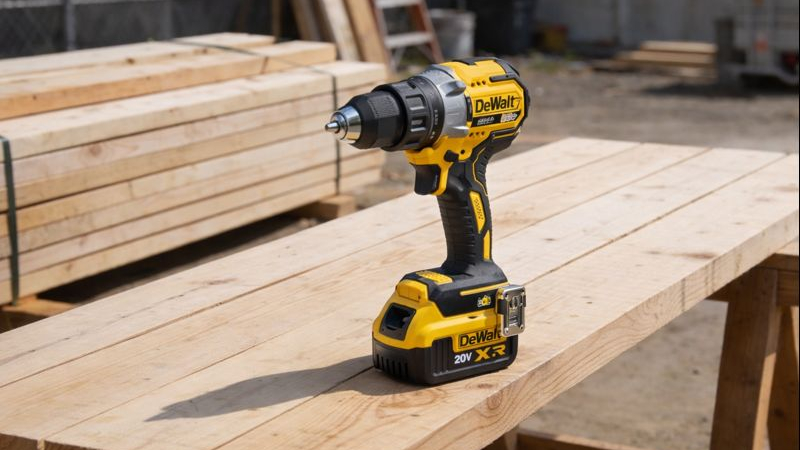
Buying framework
How to think about buying a cordless drill
Cordless drills span a wide range of sizes, power levels, and design priorities, many of which are subtle until extended use reveals them. Most are capable of basic tasks, but long-term satisfaction depends on control, balance, battery decisions, and how the tool behaves across varied materials and durations. This framework helps clarify what deserves attention before narrowing choices further.
Control matters more than maximum force: Consistent low-speed response and a predictable clutch improve accuracy, reduce fastener damage, and make the drill easier to manage in delicate or repetitive tasks.
Balance changes with battery choice: Larger batteries extend runtime but alter weight distribution. Poor balance becomes noticeable during overhead work, one-handed use, and longer sessions.
Match tool size to real use: Smaller drills excel in confined spaces and light-duty work, while larger formats provide stability and capacity for denser materials and sustained workloads.
Think beyond the single tool: Battery systems influence future compatibility, charging flexibility, and long-term support. Early platform decisions shape how easily your tool set can grow over time.
Ergonomics affect everyday outcomes: Grip shape, reach, visibility, and chuck operation influence comfort and precision. Tools that feel intuitive reduce fatigue and improve consistency across projects.
Who this is for
Pick the drill that matches how you actually work
Cordless drills perform differently depending on how often they’re used, the spaces they’re used in, and the types of tasks they handle. These profiles help clarify which capability level fits your work, so you can focus on the features that matter and ignore those that don’t.
Homeowners & light DIY: focus on comfort, manageable size, and predictable clutch control. For occasional tasks like furniture assembly, mounting hardware, and small repairs, ease of handling and balance matter more than raw output.
Weekend projects (decks, shelving, small remodels): prioritize smooth low-speed control, consistent performance under moderate load, and battery endurance for longer sessions. What matters most is a drill that stays comfortable and stable as projects stretch on.
Tight spaces (cabinets, studs, awkward angles): prioritize compact dimensions, short head length, and clear sightlines around the chuck. In confined environments, control and access often outweigh outright power.
Pros & daily use: focus on durability, sustained power delivery, and batteries that support frequent cycling. Tools that remain composed through repeated drilling and driving reduce fatigue and maintain consistency across long workdays.
One-drill households: prioritize versatility, balance, and adaptability across a wide range of tasks. A setup that handles light duty comfortably while retaining enough capacity for larger jobs tends to offer the most practical long-term flexibility.
What to pay attention to
Which cordless drill specs actually matter
Spec sheets often highlight large numbers, but many are measured in isolation or presented without context. What matters in everyday use is how a drill feels in your hand and how it behaves over time, not how it looks on paper. These are the details that translate most directly into real-world performance.
Specs that affect feel
Control, balance, clutch behavior, and ergonomics determine how precise and comfortable the drill feels.
Specs that affect capability
Size, battery choices, and sustained behavior under load determine what work the drill can handle comfortably.
Trigger control: Not listed on spec sheets, but immediately noticeable in use. Predictable low-speed response improves accuracy, especially when starting fasteners or working in softer materials.
Weight and balance: Listed weights rarely reflect real use with a battery installed. Balance shifts noticeably between compact and larger batteries, affecting fatigue during overhead or extended work.
Clutch consistency: Even engagement across settings helps prevent overdriving and stripped fasteners. Inconsistent clutch behavior undermines control, regardless of how powerful the drill appears on paper.
Head length: Shorter drills access cabinets, studs, and corners more easily. In tight spaces, compact dimensions often matter more than added power.
Battery capacity (Ah): Higher capacity increases runtime, not strength. Larger batteries add weight and alter balance, so smaller packs swapped more often can feel better in everyday use.
Often overhyped: Peak torque figures, voltage labeling, and single-number performance claims that don’t reflect how a drill behaves during sustained, real-world work.
Avoid these traps
Common mistakes people make when buying a cordless drill
Most dissatisfaction with a cordless drill comes from mismatching the tool to how it’s actually used. These are common assumptions that lead to frustration—and how to think about them more clearly before deciding.
Prioritizing peak torque over control: Large torque figures sound reassuring but often mask how abruptly a drill delivers power. Poor low-speed control makes precise work harder and increases mistakes on everyday tasks.
Choosing the largest drill “just in case”: Bigger drills add weight, bulk, and fatigue that show up on routine jobs. Tools sized for rare heavy tasks often feel awkward and unnecessary for daily use.
Overlooking battery size and balance: Battery capacity affects more than runtime. Larger packs shift weight and change how the drill handles, which can reduce comfort and accuracy over time.
Planning around uncommon extremes: Some buyers optimize for occasional heavy-duty scenarios. This often results in a drill that feels less controlled and less comfortable for the work done most often.
Reading voltage labels as power ratings: Voltage numbers are not direct indicators of real-world strength. How a drill delivers power and manages load matters far more than how it’s labeled.
Thinking of the drill as a standalone tool: A first cordless drill often sets future choices. Ignoring battery compatibility and long-term flexibility can limit options later, even if the drill itself seems adequate at the start.
Decision guidance
Which type of cordless drill is right for you
The right drill depends more on how you work day to day than on labels or headline specifications. Use this guidance to align drill size and capability with your real workload, not the occasional edge case.
Choose a compact drill if: most of your work involves household projects, light professional use, or frequent tasks in tight or overhead spaces. Compact drills favor control, balance, and reduced fatigue, which pays off during cabinetry, furniture assembly, pilot holes, and everyday fastening.
Choose a full-size drill if: your regular work includes larger holes, dense materials, or repeated heavy fastening where sustained output matters. These drills offer more capacity for demanding tasks but tend to be bulkier and more tiring during routine work.
If you’re deciding between sizes: pay attention to balance with the battery you’ll use most. A drill that feels steadier and easier to control often delivers better results over time than one that only offers extra capacity on paper.
Prioritize your most common work: for many users, the majority of drilling and driving falls into moderate, repeatable tasks. Selecting a drill that feels comfortable and predictable for those jobs usually leads to greater satisfaction than optimizing for occasional heavy use.
When a drill may not be enough: if your primary task is driving long or structural fasteners, a dedicated impact driver can be a better complement. Pairing a comfortable drill with a task-specific tool often works better than moving up to a heavier drill alone.
Ownership & compatibility
What you’re really buying into long term
A cordless drill is part of a broader system that shapes how it performs over time. Long-term ownership is defined by battery choices, compatibility, serviceability, and how smoothly the tool fits into your day-to-day workflow as projects and demands evolve.
Battery ecosystem realities: Battery size options affect weight, balance, and runtime across different tasks. Over time, having the right mix of compact and higher-capacity batteries matters more than any single pack that comes with the drill.
Compatibility and upgrade paths: Battery and charger compatibility influences which tools you can add later without friction. A flexible platform makes it easier to expand your tool set as needs change, rather than forcing resets or workarounds.
Serviceability and wear items: Parts that see regular use—such as chucks, switches, and clips— shape long-term satisfaction. Easy access to replacements and straightforward service options reduce downtime and extend the useful life of the tool.
Workflow fit and daily friction: Charging time, battery swapping, storage, and transport all affect how convenient a drill is to live with. Tools that integrate smoothly into your routine tend to get used more consistently and with less frustration.
Long-term ownership costs: Batteries are the most common replacement item over years of use. Whether you buy kits or tool-only setups, planning for future battery replacements usually has a larger impact on total ownership cost than small differences at the initial purchase.
FAQ
Cordless drill buying guide FAQ
Quick answers to the questions people ask most when choosing a cordless drill—focused on real use, not spec-sheet hype.
Do I need a 20V drill, or is 12V enough?
What’s the real difference between “18V” and “20V Max”?
How important is torque for a cordless drill?
What battery size (Ah) should I buy?
Should I buy a drill/driver kit or tool-only?
Do I need a hammer drill?
Is an impact driver better than a drill for driving screws?
What features actually matter day to day?
How long should a cordless drill last?
Bottom line
The simplest way to pick the right cordless drill
Most cordless drills today are capable of basic work. Long-term satisfaction comes from choosing one that matches how you actually use it and feels comfortable, predictable, and easy to control during everyday tasks.
If you want the smoothest ownership path: commit to a battery ecosystem you can grow into and choose battery sizes that fit your real work—lighter packs for comfort, larger ones for longer sessions.
If day-to-day feel matters most: focus on balance, trigger response, and consistent clutch behavior. These details shape how enjoyable and controlled the drill feels every time you use it.
If your work regularly pushes limits: a full-size drill offers more capacity for dense materials and larger bits, but that added size only pays off if those tasks are frequent.
If fastening dominates your workload: pairing a compact drill with an impact driver often makes more sense than moving to a heavier drill alone.
Final check: picture where and how you’ll use the drill most—tight spaces, overhead work, quick fixes, or longer sessions. The option that feels best in that situation is usually the right long-term choice.
Reading Shortcuts
Jump to the sections that matter most for choosing the right drill.
Decision Reminders
A quick checklist before you commit to a drill + battery platform.
- Choose control over peak torque: smooth low-speed response keeps starts clean and reduces mistakes on everyday tasks.
- Match size to your work: compact tools excel in tight or overhead spaces, while full-size drills suit frequent heavy drilling.
- Battery choice changes the feel: larger packs add runtime but can shift balance and increase fatigue during longer sessions.
- Buy the platform, not just the drill: battery compatibility, charger options, and future tools shape long-term ownership.
- Plan for the second battery: two manageable packs often keep work flowing better than one heavy battery.
- Ignore headline labels: voltage branding and single-number claims rarely reflect how a drill feels in real use.
Glossary Snippets
Quick translations for the terms that confuse buyers most.
When to Use a Top 10 Review
This format is best when you need a fast, informed shortlist before narrowing your choice.
- You’re still orienting yourself: A Top 10 helps translate specs and categories into practical use cases.
- You want a broad scan of the field: It shows how different sizes, capability levels, and priorities stack up.
- You want “best for” framing: Rankings like Best Overall or Best Compact help you align tools with common needs.
- You’re comparing ecosystems, not details: Useful for understanding platform depth and long-term ownership tradeoffs.
If you’re already down to two or three options, a Comparison usually gets you to a decision faster.
When to Use a Comparison
Use this format once you’ve narrowed the field and want the clearest tradeoffs.
- You’re down to 2–3 finalists: side-by-side views surface meaningful differences faster than full reviews.
- You care about real-world feel: balance, trigger response, fatigue, and ergonomics become obvious head-to-head.
- You want a category winner: comparisons highlight strengths across control, power delivery, runtime, and ownership factors.
- You need to decide efficiently: this is the shortest path from shortlist to confident choice.
Earlier in the process? Start with a Top 10 to identify the right drill category first.