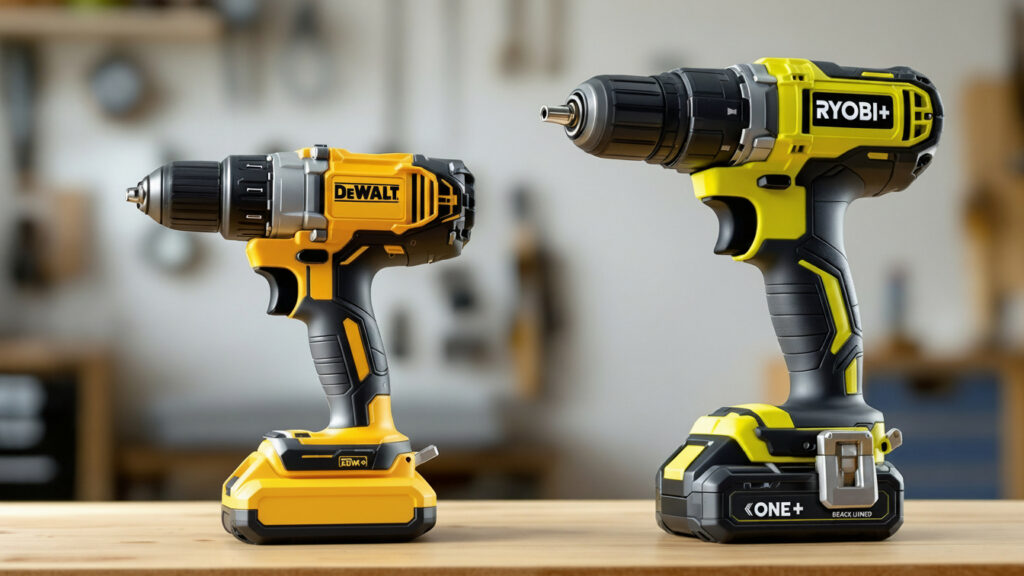
DeWalt 20V Max XR vs Ryobi ONE+: Pro Performance or Better Value?

This comparison examines DeWalt 20V Max XR and Ryobi ONE+ through real-world performance, durability, ecosystem depth, and cost considerations to help readers understand practical tradeoffs before choosing.

By: Review Streets Research Lab
Updated: January 25, 2026
Approx. 10–12 min read
DeWalt 20V Max XR vs Ryobi ONE+_ Pro Performance or Better Value_

Head-to-head

DeWalt 20V Max XR vs Ryobi ONE+: Pro Performance or Better Value?

A clean A/B view of what matters in real work: consistency under load, build quality over time, control for repeatable fasteners, ergonomics for long sessions, kit value, and the long-term cost of buying into a battery ecosystem.
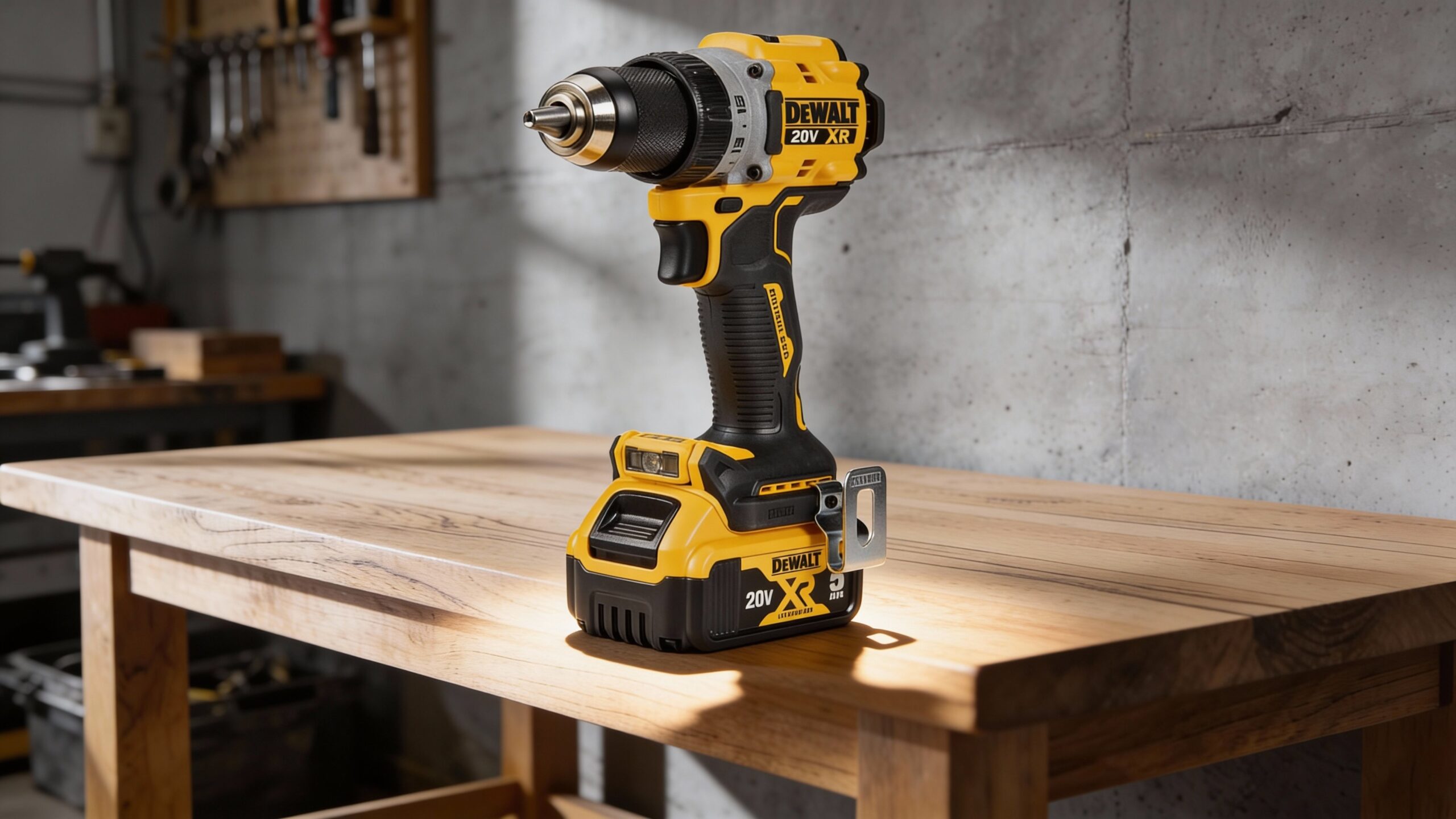
DeWalt 20V Max XR cordless drill/driver

DeWalt 20V Max XR cordless drill/driver

A pro-leaning platform with steady, repeatable performance in framing, punch lists, and daily fastening—best when you want jobsite-ready results and wide kit availability across common trades.

Score 9.0 Best for daily jobsite work Battery 20V MAX Why buy pro kits + availability
  • Consistent performance for pilots, cabinetry installs, and routine holes in framing lumber
  • Balanced feel that suits long fastening runs and overhead touch-ups
  • Strong platform choice when you’ll expand into impacts, saws, and specialty trade tools
VS
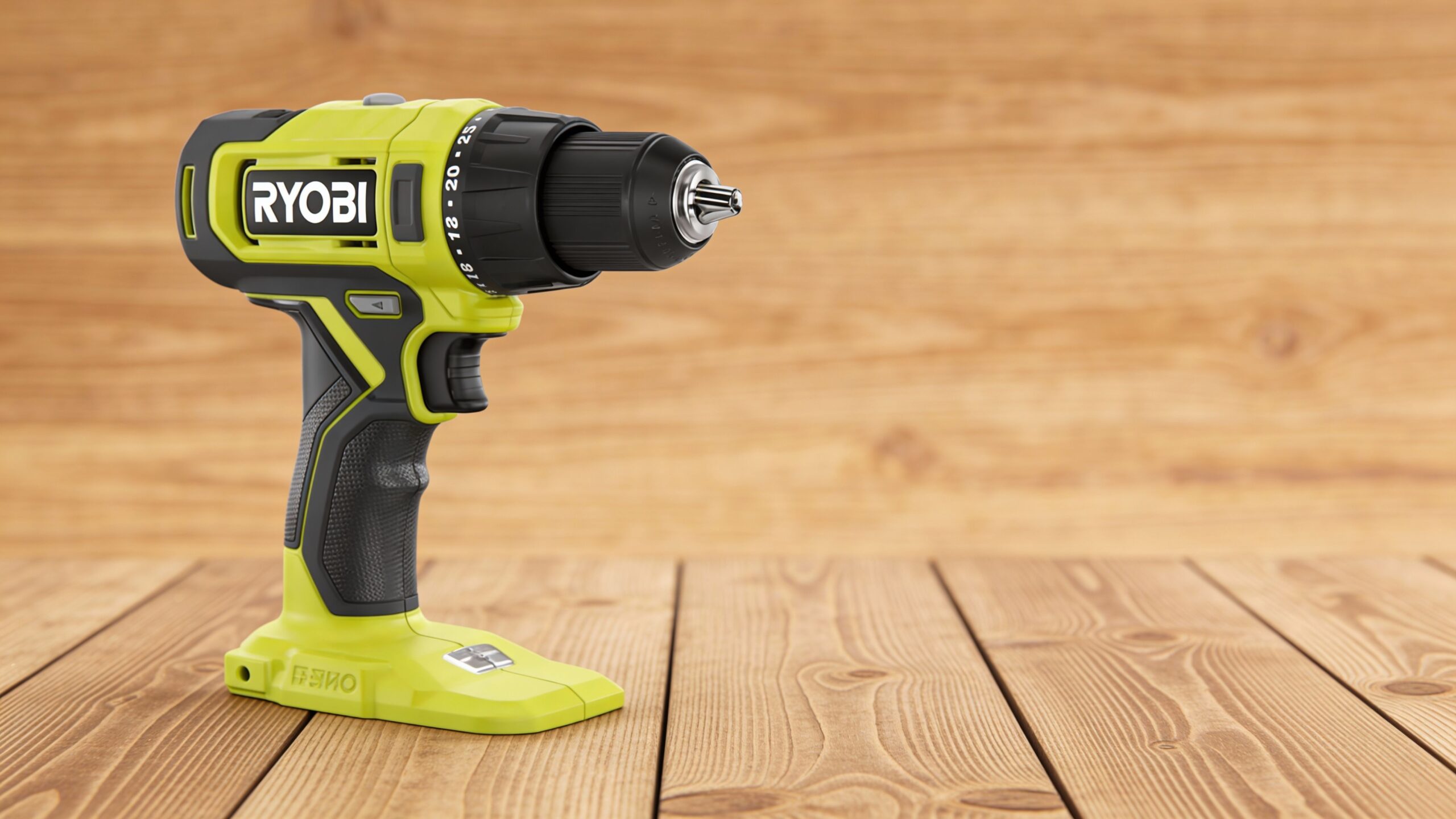
Ryobi ONE+ cordless drill/driver

Ryobi ONE+ cordless drill/driver

A value-forward ecosystem that’s easy to buy into and expand—best for homeowners, landlords, and weekend builders who want broad tool variety without paying pro-platform prices.

Score 8.4 Best for DIY + home projects Battery ONE+ Why buy lower buy-in + breadth
  • Great fit for shelving, furniture builds, fixtures, and light-to-medium repairs
  • Often delivers better “tools per dollar” when buying starter kits and bundles
  • Wide ONE+ lineup makes it easy to grow into yard tools and handy household add-ons
Power under load
More sustained
Good for typical DIY
DeWalt
Control & clutch consistency
Very consistent
Good, varies by kit
DeWalt
Ergonomics (feel + fatigue)
Balanced, jobsite-ready
Comfortable, lighter duty
DeWalt
Value (typical kit pricing)
Strong promos, higher buy-in
Often best value
Ryobi
Battery ecosystem depth
Large trade-focused lineup
Huge DIY + home breadth
DeWalt
Real-world context
This comparison reflects a synthesis of professional reviews, manufacturer data, long-term user feedback, and use-case patterns to highlight how each platform typically performs in everyday projects.

DeWalt — Why people choose it

  • More composed feel when workloads get repetitive or materials get denser
  • Strong day-to-day control for clean starts and predictable screw seating
  • Trade-friendly ecosystem if you’ll add impacts, saws, nailers, and specialty tools

Ryobi — Why people choose it

  • Excellent platform value for households building a cordless collection over time
  • Wide range of ONE+ tools for DIY, garage, and light yard maintenance needs
  • Easy buy-in through starter kits and bundles that stretch a budget further
Verdict: Choose DeWalt 20V Max XR if you’re a frequent user who needs more consistent performance under load, stronger long-term durability, and a platform that scales well for trade work. Choose Ryobi ONE+ if your priority is better overall value—especially in starter kits—and a broad, practical tool lineup for home projects and occasional builds.
Read FAQs

Deep dive

What actually matters in this matchup

DeWalt 20V Max XR and Ryobi ONE+ can both handle everyday drilling and fastening, but they differ in how “steady” they feel when materials fight back and how confidently they fit into an ownership plan. The practical gap shows up in consistency during repeat tasks, how the tool behaves when you lean into it, how fatigue builds over longer sessions, and how easy it is to expand into the next tools you’ll actually buy.

Power that feels predictable: The DeWalt XR side tends to feel more composed when you move from light fastening into denser stock or frequent pilot holes, which matters when the work pace is steady and stops are costly. Ryobi ONE+ often feels best when the workload is mixed and intermittent—plenty capable for routine tasks, but less “set-and-forget” when projects regularly push into harder materials or longer runs.

Control, starts, and finish quality: What separates these platforms day to day is how cleanly they start a screw, how consistently they seat fasteners without surprise cam-outs, and how controllable the tool feels at the low end. DeWalt’s strength is repeatable control across varied jobs, while Ryobi’s strength is getting dependable results with less investment when the priority is completing projects efficiently rather than dialing in the most consistent feel across many hours.

Ownership is the real decision: Batteries, chargers, replacements, and the next tool purchase typically matter more than the first drill. DeWalt’s ecosystem tends to reward long-term build-out for work-focused tools and easy jobsite replacement, while Ryobi’s ecosystem often rewards broad household coverage—adding more tools for home, garage, and light outdoor tasks without raising the cost of “buying in” too quickly.

Where each platform fits best: DeWalt 20V Max XR is usually the better match when reliability confidence and consistent feel are part of the workflow—frequent use, repeat tasks, and projects where performance needs to stay steady as conditions change. Ryobi ONE+ is often the better fit when the goal is strong everyday capability and system value—building a versatile set for home projects, repairs, and occasional builds without paying for pro-level headroom you may not regularly use.

Methodology

How we evaluated these cordless drills

Our comparison of DeWalt 20V Max XR and Ryobi ONE+ is built around real-world work patterns—common drilling and fastening jobs that reveal how a platform behaves in daily use, not how it reads on a spec sheet. We focus on the outcomes that matter: how consistently the drill drives and drills as resistance changes, how controllable it feels during starts and finish work, how tiring it is to run for longer sessions, and what ownership looks like once you add batteries, chargers, and the next tools in the lineup.

Tasks: boring clean holes in common construction wood, drilling pilots in denser material, driving cabinet and framing fasteners, repeated start–stop cycles for installation work, and overhead/one-handed use to assess balance and fatigue with typical battery sizes.

What we scored: usable power under resistance, control at low speeds, clutch and trigger predictability, ergonomics over longer runs, reliability confidence from build feel and user feedback patterns, and ecosystem strength (battery options, tool breadth, and day-to-day availability).

How results are interpreted: results are evaluated with a context-aware lens—prioritizing different attributes depending on the job. A platform that feels steadier in repeat tasks may matter most for frequent users, while kit value and ecosystem breadth can matter more for households and mixed project use.

What we ignored: advertised torque claims, isolated lab-style numbers without clear day-to-day impact, and minor feature differences that don’t meaningfully change how accurately, comfortably, or consistently the drill performs in real projects.

FAQ

DeWalt 20V Max XR vs Ryobi ONE+: Common questions

Which platform makes more sense for everyday home projects?
For many home projects, Ryobi ONE+ is often the easier entry point because of its lower upfront cost and wide range of compatible tools. It covers common drilling and fastening needs without requiring a larger investment in the platform.
When does DeWalt 20V Max XR become the better choice?
DeWalt 20V Max XR tends to make more sense when tools are used frequently or for longer sessions. Its consistency under load and broader trade-focused ecosystem can matter more when reliability and repeatability affect workflow.
Is the difference noticeable in real-world use?
The difference is usually felt during more demanding or repetitive tasks rather than light, occasional work. DeWalt often feels steadier as resistance increases, while Ryobi generally feels sufficient and comfortable for typical household use.
How important is the battery ecosystem when choosing?
The battery system often matters more over time than the drill itself. DeWalt’s ecosystem is geared toward expanding into work-focused tools, while Ryobi’s ONE+ lineup emphasizes versatility across home, garage, and light outdoor tools.
Which option offers better long-term value?
Long-term value depends on how the tools will be used. Ryobi can offer better value when building a broad collection for varied home projects, while DeWalt can offer better value through durability and consistency for frequent or sustained use.

Key Takeaways

  • DeWalt 20V Max XR emphasizes consistency and confidence under repeated or heavier workloads, which matters most when tools are used frequently and downtime has real consequences.
  • Ryobi ONE+ prioritizes accessibility and system value, making it easier to build a broad cordless lineup for varied home projects without a high upfront commitment.
  • The practical difference between these platforms is felt more in endurance and predictability over time than in basic drilling or fastening capability.
  • Comfort and control become more important as work sessions get longer, subtly favoring platforms designed around sustained use rather than occasional tasks.
  • Battery ecosystem choice often outweighs the drill itself, shaping long-term flexibility, replacement convenience, and overall ownership cost.
  • Choosing between these two is less about maximum power and more about aligning workload intensity and expansion plans with the right platform philosophy.

Verdict

The Best Cordless Drill for Most People

In this matchup, the deciding factor is how often the drill will be used and what “value” means in practice—lower buy-in and broad versatility, or steadier performance and stronger long-term confidence when the work is frequent.

#1 Winner

DeWalt 20V Max XR cordless drill/driver

The more dependable choice when you want consistent feel across varied tasks and a platform that holds up well as usage becomes more frequent.

  • More composed feel as resistance increases in everyday drilling and fastening
  • Predictable control that supports cleaner starts and repeatable screw seating
  • Work-focused ecosystem that scales well if you keep adding tools over time

Runner-up

Jump to the Head-to-Head

Tip: If you already own batteries in one ecosystem, that often outweighs small differences in feel or performance.

Where to Buy

We prioritize reputable sellers, easy returns, and reliable availability.

Price checks happen regularly. Some links may earn a commission—never affects rankings.

Accessories You’ll Want

  • Quality drill/driver bit set (Phillips, Torx, square, plus spares of your most-used sizes)
  • Impact-rated driver bits (more durable for repetitive fastening and tougher screws)
  • Extra battery pack (one compact for balance + one higher-capacity for longer sessions)
  • Drill bit set for wood and metal (common sizes for pilots, hardware installs, and light fabrication)
  • Magnetic bit holder (speeds up bit changes and helps reduce dropped fasteners)

Tip: When comparing DeWalt 20V Max XR vs Ryobi ONE+, plan around batteries first—future tools should share the same packs to keep ownership simple and affordable.