
The DeWalt DCD740B right-angle drill is built for tight spaces, but performance always comes with compromises. In this review, we test real-world power, control, and ergonomics, compare it against similar compact drills, and break down where it excels—and where it falls short—so you can decide if it fits your workflow.
DeWalt DCD740B Right-Angle Drill Review: Performance, Pros, and Cons
By: Review Streets Research Lab
Updated: April 2, 2026
Approx. 8–10 min read
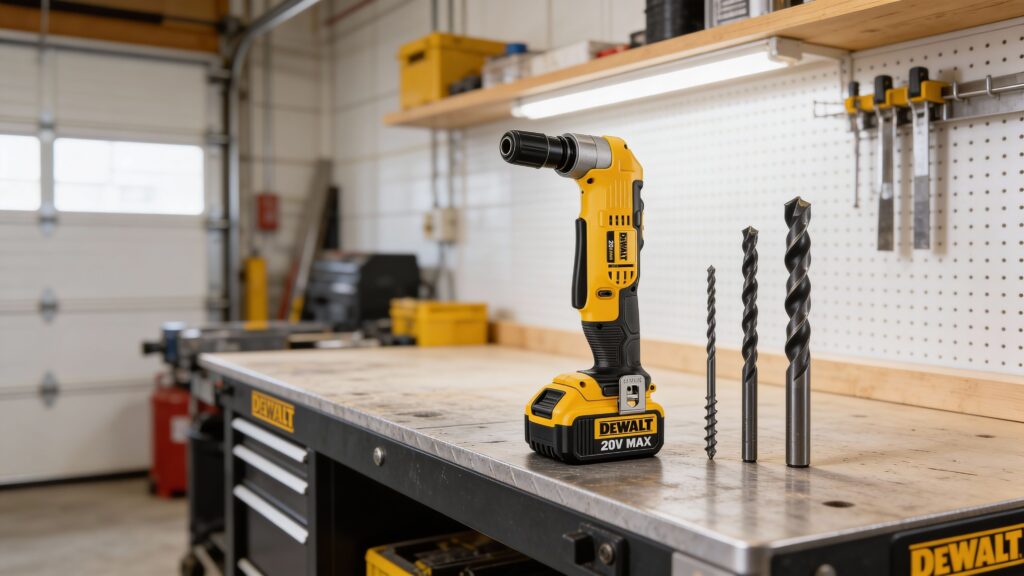
Quick Summary
The DeWalt DCD740B is a purpose-built right-angle drill designed for work where a standard drill can’t fit. In real use, it prioritizes access, steady control, and a confident feel in cabinets, studs, and tight framing bays, while giving up some speed and versatility compared with full-size drill/drivers.
7.8
Score
Best for: Compact installs
Pros & Cons
DeWalt DCD740B: what we liked (and what we didn’t)
A quick look at the biggest strengths and tradeoffs based on performance, handling, and everyday usability.
Pros
- Tight Access: Gets into cabinets, stud bays, and corners where a standard drill can’t work comfortably.
- Controlled Starts: Predictable trigger response helps you keep bits from skating and reduces blowout on cleaner holes.
- Jobsite Practicality: Designed for awkward installs like plumbing, electrical, and framing touch-ups where angle control matters.
- Secure Handling: Stable grip and balanced feel make it easier to keep the bit square in constrained positions.
- Durability Confidence: Feels built for repeated use in tight, impact-prone spaces without feeling delicate.
Cons
- Slower Workflow: Not the fastest choice for open-area drilling compared with a conventional drill/driver.
- Bulk in Hand: The right-angle shape can feel awkward for overhead work or long sessions in cramped positions.
- Niche Versatility: Best as a problem-solver, but most users will still want a standard drill for everyday tasks.
- Value Tradeoff: Costs can be harder to justify if you only occasionally need a right-angle tool.
Specs
DeWalt DCD740B key specifications
These are the core specs and practical details most buyers compare across right-angle cordless drills.
| Spec | DeWalt DCD740B |
|---|---|
| Type | Cordless right-angle drill |
| Platform | DeWalt 20V MAX |
| Voltage | 20V MAX (nominal 18V) |
| Speed | Single-speed: up to 650 RPM (manufacturer-rated) |
| Chuck | 3/8" keyless chuck |
| Torque | Up to 360 unit watts out (claimed) |
| Length | Compact right-angle head for stud bays and cabinets |
| Weight | Approx. 3.9 lbs bare; varies by battery |
| Clutch settings | Multiple clutch settings plus drill mode |
| LED light | Yes (integrated work light) |
| Included | Tool only (battery and charger sold separately) |
| Best use | Drilling and driving in tight framing, plumbing, and electrical installs |
| Warranty | DeWalt limited warranty (typically 3-year limited, 1-year service) |
Performance
How the DeWalt DCD740B performs
We evaluated drilling speed, power delivery, control, and comfort in the kinds of tight-access situations this tool is built for—inside cabinets, between studs, and during common remodel tasks where a standard drill is hard to position squarely.
Drilling Speed
Steady in wood and light materials, but it’s not the quickest option when you have open access and room to work.
Torque & Power
Strong enough for typical right-angle work, with good bite on larger fasteners, but it can slow down on longer or denser drives.
Control & Handling
Excellent for keeping the bit aligned in awkward positions, with predictable trigger response for clean starts and stops.
Balance & Comfort
Comfortable for short bursts in cramped areas, though overhead work can feel more fatiguing than with a standard drill shape.
Noise & Vibration
Typical for the category—noticeable under load, but not harsh, and generally easy to manage during everyday install work.
Overall Performance
A capable right-angle drill that delivers the access and control most buyers want, with the expected tradeoffs in speed and all-day comfort.
Testing note: Performance observations are based on real-world drilling, driving, and handling scenarios in tight-access install and remodel situations using common materials and fasteners.
Build Quality
Build quality & durability
The DeWalt DCD740B feels like a purpose-built specialty tool rather than a scaled-down standard drill. The body is rigid, the grip stays secure in awkward positions, and the overall feel favors control and stability in tight spaces over sleek, lightweight handling.
Key contact points—chuck, right-angle head, and battery interface—feel solid with minimal flex. The chuck holds bits securely, and the head doesn’t feel loose or twisty when you’re pushing at an angle. In practice, that means fewer mid-hole corrections and more consistent alignment when access is limited.
Day-to-day durability cues are strong for typical install work: it tolerates being carried, repositioned, and set down repeatedly without feeling delicate. Heat and strain show up most when you lean on it for longer drilling runs, but it generally inspires the kind of “use it, don’t baby it” confidence you want from a tight-access drill.
The tradeoff is portability. The right-angle form factor can feel bulkier in the hand than a compact drill/driver, especially in overhead or extended sessions. If your work regularly demands access and controlled positioning, the sturdier feel is worth it; if it’s an occasional-use tool, the extra heft may be harder to justify.
Setup & Maintenance
Setup, daily use, and upkeep
The DeWalt DCD740B is straightforward to set up, but getting the best results comes down to matching its right-angle design to the task. Choose clutch or drill mode appropriately, control your pressure, and position your body so the head stays square to the work surface for cleaner holes and steadier driving.
Best setup for common tasks
- Driving Screws: Use the clutch to prevent overdriving, especially in cabinets or tight framing. Start lower and increase only if the fastener stalls.
- Long Fasteners: Switch to drill mode for uninterrupted power. Keep firm, straight pressure to reduce cam-out and side loading.
- Stud Bay Drilling: Use sharp spade or auger bits and maintain steady feed pressure so the motor doesn’t bog mid-cut.
- Cabinet Installs: Keep the head fully seated and square before starting. Light pressure at first helps avoid wandering in finished surfaces.
What to do for smoother starts
- Brace The Head: Stabilize the right-angle head against a surface or your free hand to keep the bit aligned at startup.
- Feather The Trigger: Ease into rotation to prevent skating and to keep screws from stripping in tight quarters.
- Drill Pilot Holes: In hardwood or dense material, start with a smaller bit to reduce strain and improve final alignment.
Maintenance (simple but important)
- Clean The Chuck: Remove dust and debris regularly so bits clamp fully and run true.
- Inspect The Head: Check the right-angle housing for buildup or looseness after heavy use to maintain alignment.
- Clear The Vents: Keep airflow paths open to prevent excess heat during repeated drilling in confined spaces.
- Rotate Batteries: Avoid draining packs completely; swapping early helps extend battery life and maintain steady output.
Tip: In tight spaces, brace your stance, keep two hands on the tool when possible, and start at a controlled speed. Staying square and avoiding sudden trigger pulls reduces binding and improves accuracy in confined installs.
Real-World Use
Where the DeWalt DCD740B fits best
On paper, the DeWalt DCD740B is a compact right-angle drill. In real projects, it proves most useful when access is limited and keeping the bit square in tight quarters matters more than raw speed.
Cabinet and built-in installs
The right-angle head makes it easier to drill and drive inside cabinets, closets, and corner assemblies where a standard drill can’t sit flat. It offers better control for hinge screws, shelf supports, and tight interior work.
Framing and stud bays
In between studs or joists, the DCD740B helps maintain alignment without forcing awkward body positions. It’s well suited for running small-to-medium holes and driving fasteners where clearance is limited.
Plumbing and electrical installs
For routing lines or conduit in confined spaces, the drill’s shape allows controlled starts and steady feed pressure. It works best as a specialty solution alongside a standard drill rather than a one-tool replacement.
Where it’s less ideal
If most of your work happens in open areas, a conventional drill/driver will usually feel faster and more comfortable. The right-angle design trades general versatility and all-day ease for tight-access capability.
Value
Is the DeWalt DCD740B worth it?
The DeWalt DCD740B makes the most sense when tight-access drilling is a regular part of your work. Its value shows up in control and problem-solving capability rather than raw speed. For occasional use, less specialized drills cost less and cover more general tasks.
Price-to-performance takeaway
You’re paying for access, alignment control, and the convenience of a dedicated right-angle tool—along with compatibility in DeWalt’s 20V MAX ecosystem. It delivers the best return if you frequently work in cabinets, stud bays, or confined spaces, or already own DeWalt batteries. For open-area drilling, a standard drill/driver offers better overall value.
Tip: If you already have DeWalt 20V MAX batteries, the tool-only option is usually the smartest buy. First-time buyers should compare kit pricing, since adding a battery and charger separately can quickly outweigh the initial savings.
FAQ
DeWalt DCD740B FAQ
Quick answers to the most common questions about the DeWalt DCD740B—compatibility, use cases, and what to expect in real-world install work.
Is the DeWalt DCD740B a brushless drill?
No. The DCD740B uses a brushed motor. It’s designed for tight-access drilling and driving rather than maximum efficiency or extended heavy-load runtime.
Does the DCD740B work with all DeWalt 20V MAX batteries?
Yes. It’s part of the DeWalt 20V MAX platform and is compatible with standard 20V MAX batteries. Larger-capacity packs can extend runtime but add noticeable weight.
Is this a hammer drill?
No. The DCD740B is a right-angle drill/driver and does not have a hammer function. It’s intended for wood and light-duty drilling rather than masonry.
Who is this drill best for?
It’s best for work in tight spaces—cabinets, stud bays, plumbing runs, and electrical installs—where a standard drill can’t sit straight or comfortably.
Can it replace a standard drill/driver?
Not entirely. It’s a specialty tool built for access. For open-area drilling and faster general work, a conventional drill/driver is usually more efficient.
Should I buy tool-only or a kit?
Tool-only makes sense if you already own DeWalt 20V MAX batteries and a charger. First-time buyers should compare kit pricing to avoid separately purchasing power components.
What are the most common downsides?
The main tradeoffs are slower drilling speed compared to standard drills and a bulkier feel during extended or overhead use. It’s highly useful, but specialized.
Alternatives
Best alternatives to the DeWalt DCD740B
If the DCD740B’s tight-access design fits your needs but you’re weighing different tradeoffs—price, platform, or overall compactness—these three options offer meaningful alternatives depending on how and where you work.
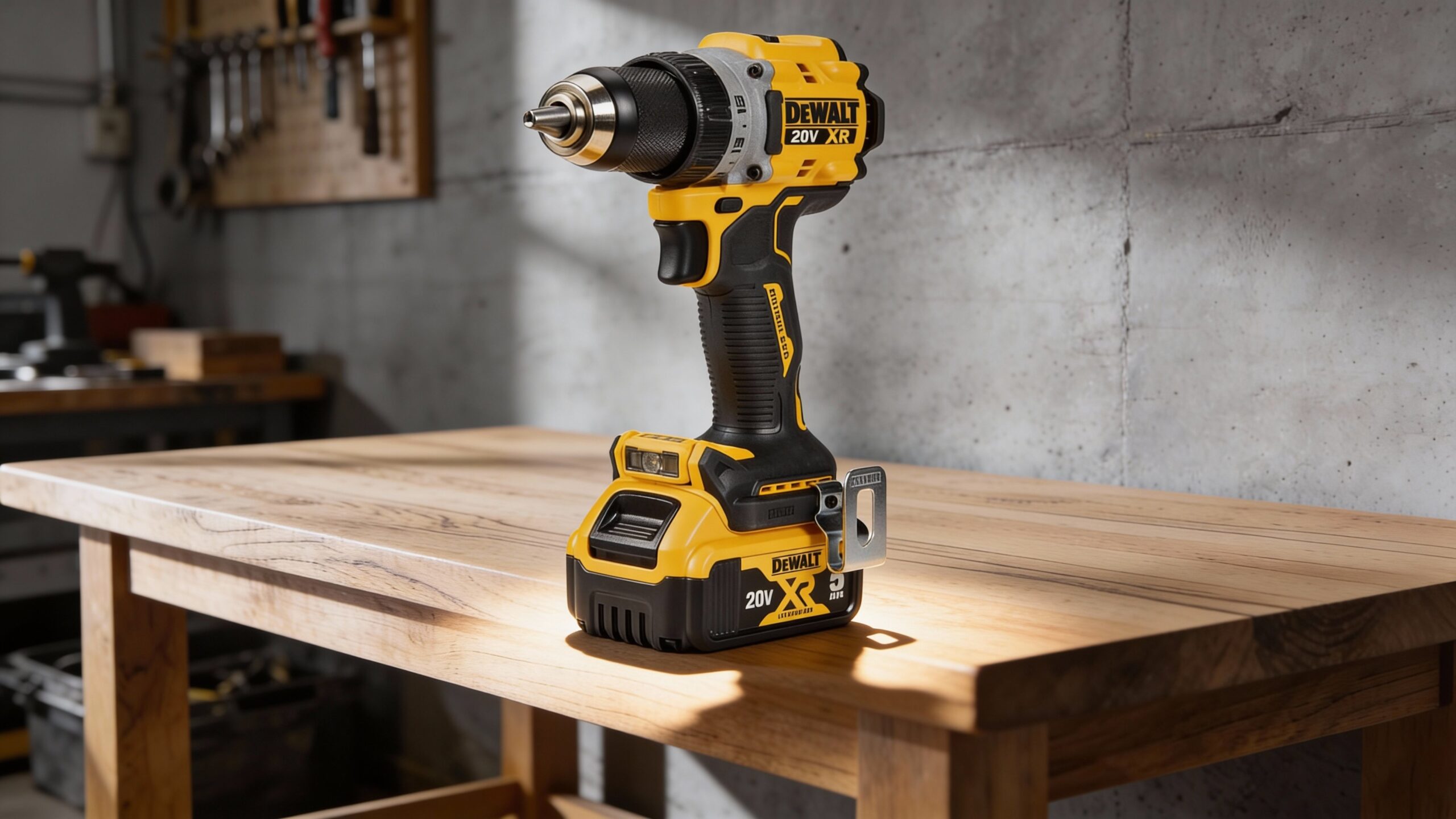
DeWalt DCD791 (20V MAX XR)
General Use
A compact standard drill/driver that makes more sense if most of your work happens in open areas. You lose tight-angle access, but gain faster drilling and easier all-day handling for everyday projects.
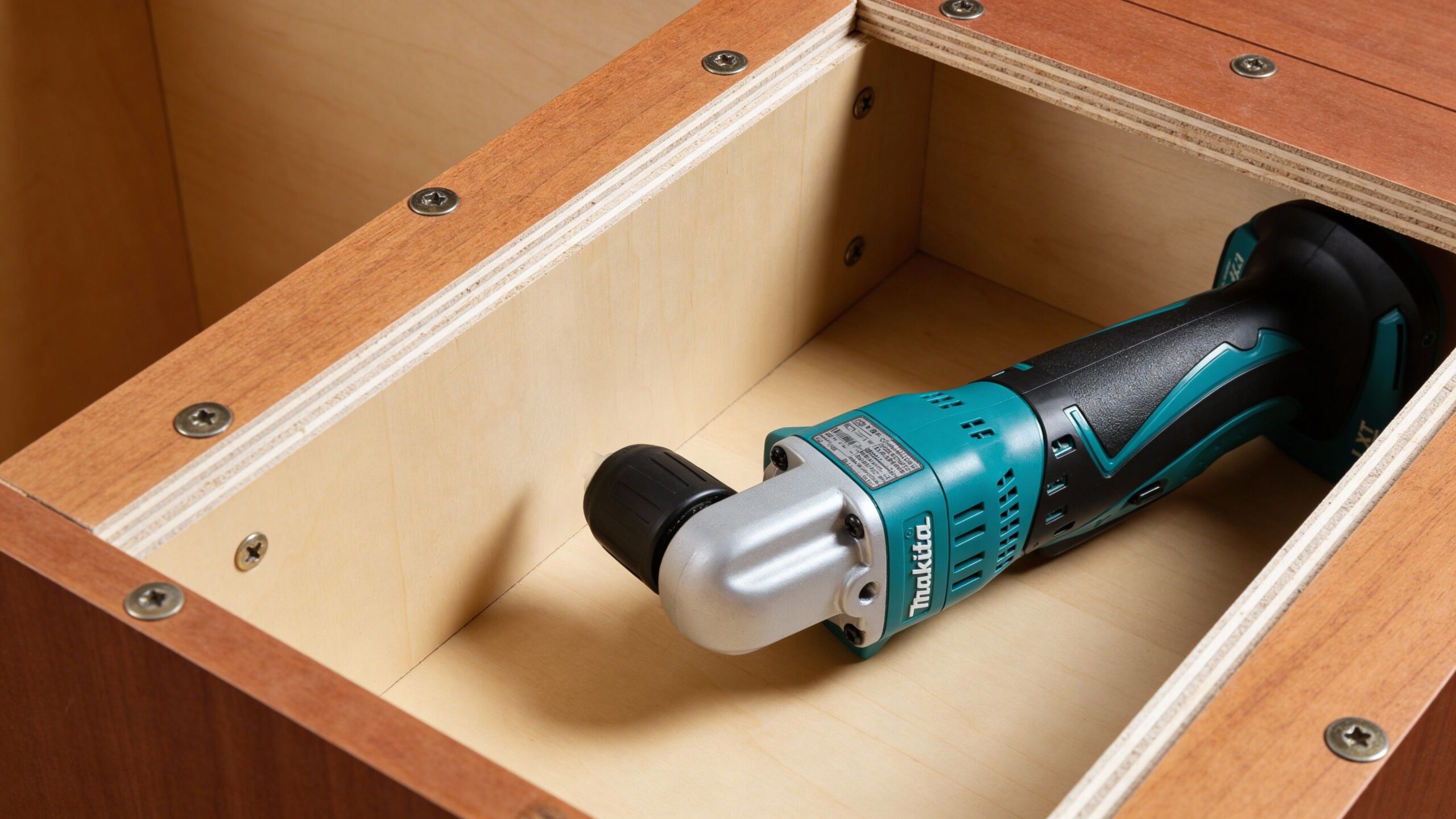
Makita XAD02 (18V LXT Right-Angle)
Lighter Feel
A slimmer right-angle option that emphasizes smoother handling and reduced fatigue. It’s a good choice if you want tight-access capability with a lighter overall feel, even if peak driving strength is lower.
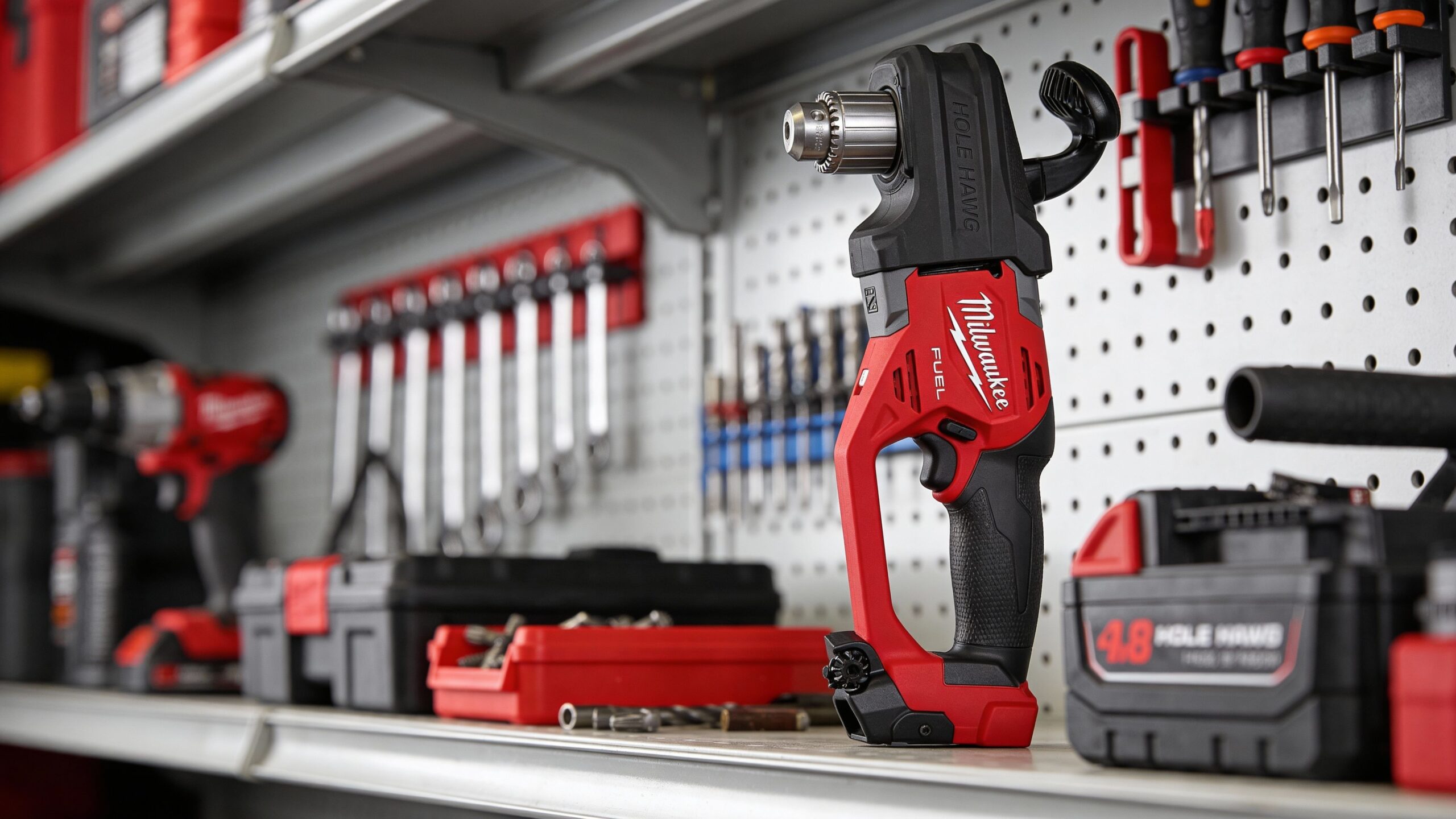
Milwaukee M18 Right-Angle Drill
More Power
A stronger right-angle alternative if you prioritize torque and already own M18 batteries. It’s typically bulkier than the DeWalt but offers more headroom for tougher installs and repeated fastening.
Sources
Sources & reference notes
Specifications and platform details referenced in this review were verified using publicly available manufacturer documentation and current product listings. Where configurations vary by kit, we note differences directly in the article.
- DeWalt — product documentation and published specifications for the DeWalt DCD740B right-angle drill referenced in this review.
- DeWalt 20V MAX platform compatibility information, including battery and charger fit across tool-only and kit configurations.
- Retail product listings used to confirm current naming, model/SKU variations, and common bundled accessories.
Where to Buy
DeWalt DCD740B
20V MAX Right-Angle Drill
Typical price range: $129–$249
Pricing varies by retailer and whether batteries/charger are included.
Check Current PriceReview Snapshot
DeWalt DCD740B
7.8
Tight-space specialist tool
Best for installs in cabinets and stud bays, with the tradeoff of slower general drilling compared with a standard drill/driver.
- Performance: Confident for typical tight-access drilling and driving
- Handling: Excellent alignment control, but can feel bulky overhead
- Value: Makes most sense if you use it often or already own 20V MAX batteries
Top 10 List
See the best right-angle drills right now
Want the full picture? Our Top 10 breaks down the best right-angle drills by access, control, and real-world usability.
View the Top 10Compare Models
Compare this drill head-to-head
See how the DeWalt DCD740B stacks up against other right-angle drills across access, control, and overall value.
View ComparisonsAccessories You’ll Want
- Compact drill/driver bit set (short bits help maintain clearance in cabinets and tight framing bays)
- Brad-point and twist drill bit assortment (clean starts in wood plus common sizes for pilot holes and hardware installs)
- Extra battery pack (one smaller pack for balance and one higher-capacity pack for longer tight-access sessions)
- Stubby bit extensions (adds reach when needed without turning the drill into an awkward lever)
- Magnetic bit holder (keeps fasteners secure and reduces dropped bits during overhead or confined work)
Tip: Since this drill lives on the 20V MAX platform, matching batteries and keeping a few short bits on hand makes day-to-day work smoother—especially when you’re bouncing between tight installs and open-area tasks.