
The DeWalt DCD996B hammer drill is built for demanding drilling and fastening, but how does it perform in real-world conditions? In this review, we examine power, control, durability, and battery efficiency, weighing practical strengths against limitations to help determine where it fits—and where it doesn’t—on today’s jobsite.
DeWalt DCD996B Hammer Drill Review: Performance, Pros, and Cons
By: Review Streets Research Lab
Updated: April 2, 2026
Approx. 8–10 min read
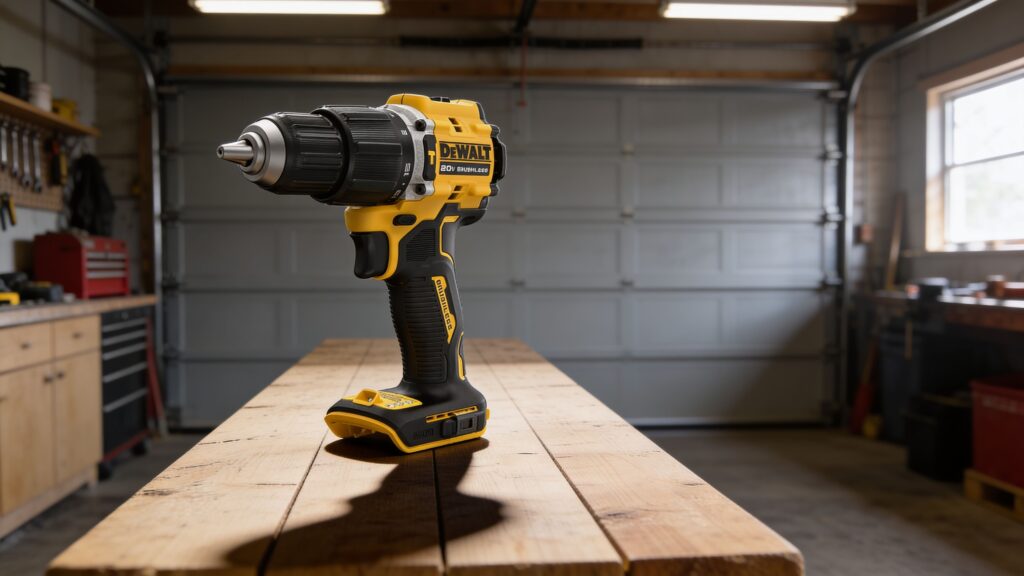
Quick Summary
The DeWalt DCD996B is a high-output hammer drill that feels confident under load, with steady control for drilling, driving, and occasional masonry work. It suits demanding DIY and regular jobsite tasks where speed and consistency matter, but it can feel bulky for tight spaces or extended overhead use compared with more compact options.
8.7
Score
Best for: Remodeling & jobsite drilling
Pros & Cons
DeWalt DCD996B: what we liked (and what we didn’t)
A quick look at the biggest strengths and tradeoffs based on performance, handling, and everyday usability.
Pros
- Strong Under Load: Pushes through tough drilling and driving without feeling strained or stalling easily.
- Reliable Hammer Mode: Handles occasional masonry tasks confidently, reducing the need to swap tools for small concrete jobs.
- Good Control: Predictable trigger response helps start holes cleanly and keep fasteners from jumping or stripping.
- Jobsite-Ready Build: Feels durable and confidence-inspiring in daily use, with few “fragile” touchpoints.
- Broad System Fit: Works smoothly within a common platform, making it easy to match batteries and accessories you already use.
Cons
- Bulky Feel: Size and balance can be awkward in tight bays, cabinet work, or other close-quarters drilling.
- Fatigue Over Time: With typical setups, extended overhead or one-handed use can wear you down faster than compact models.
- Noise And Vibration: Hammer drilling in particular can be loud and harsh, making hearing protection feel non-optional.
- Value Depends: If you rarely drill dense materials or concrete, a lighter, less expensive drill can make more sense.
Specs
DeWalt DCD996B key specifications
These are the core specs and practical details most buyers compare across top cordless hammer drills.
| Spec | DeWalt DCD996B |
|---|---|
| Type | Cordless hammer drill/driver (brushless) |
| Platform | DeWalt 20V MAX XR |
| Voltage | 20V MAX |
| Speed | 3-speed: 0–450 / 0–1,300 / 0–2,000 RPM |
| Chuck | 1/2" metal ratcheting chuck |
| Torque | Up to 820 UWO (manufacturer-rated) |
| Length | Approx. 8.4" |
| Weight | Varies by battery; noticeably heavier with 5.0Ah+ packs |
| Clutch settings | Multiple settings for driving plus drill and hammer modes |
| LED light | Yes (3-mode LED with spotlight feature) |
| Included | Tool only (no battery or charger) |
| Best use | Heavy drilling and driving, remodeling, and light masonry work |
| Warranty | DeWalt limited warranty (typically 3-year tool coverage) |
Performance
How the DeWalt DCD996B performs
We evaluated drilling speed, power delivery, control, and handling across common DIY and remodel tasks—wood drilling, long fasteners, occasional masonry holes, and repeated starts/stops—to understand how the tool behaves in real-world conditions.
Drilling Speed
Moves quickly through common lumber and sheet goods, keeping momentum with clean starts when the bit is sharp.
Torque & Power
Strong under load for larger fasteners and tougher drilling, with steady pull that reduces slowdowns mid-hole.
Control & Handling
Trigger response is predictable, helping with careful starts and controlled driving, though the body feels substantial in tight work.
Balance & Comfort
Comfortable for typical drilling sessions, but heavier battery setups can shift balance and add fatigue during overhead use.
Noise & Vibration
Comparable to other high-output drills in standard use; hammer drilling is noticeably louder and harsher on the hands.
Overall Performance
A strong performer for demanding drilling and driving with credible hammer-drill capability, with the main tradeoff being size and long-session comfort.
Testing note: Performance observations reflect practical drilling, driving, and handling scenarios using common construction materials, typical bits, and everyday fasteners.
Build Quality
Build quality & durability
The DeWalt DCD996B feels built for demanding drilling and driving. The housing comes across as rigid, the grip texture stays secure with dusty hands or gloves, and the tool’s overall balance leans toward stability and control rather than ultra-light compactness.
Key contact points—chuck, front housing, and battery interface—feel solid with little flex in normal use. The metal ratcheting chuck clamps down confidently, and the controls have a positive, no-fuss feel that helps the tool track straight when you’re pushing harder drilling or driving.
In everyday handling, it gives the impression of a drill you don’t have to baby. It tolerates being set down firmly, moved between work areas, and run for repeated tasks without feeling loose or rattly, and it manages heat in a way that supports steady, consistent work.
The tradeoff is portability: this is not the smallest or lightest option, especially with larger batteries. If you prioritize a more rugged, planted feel and long-term ownership confidence over tight-space convenience, its construction is likely to fit the way you work.
Setup & Maintenance
Setup, daily use, and upkeep
The DeWalt DCD996B rewards proper setup. Select the appropriate speed range, engage the clutch for controlled driving, and switch to drill or hammer mode based on material. Matching the configuration to the task leads to cleaner holes, fewer stripped fasteners, and steadier performance throughout demanding projects.
Best setup for common tasks
- Driving Screws: Use a lower speed range with the clutch engaged. Start mid-range on the clutch and fine-tune to prevent overdriving.
- Structural Fasteners: Shift to a low gear in drill mode. Apply steady pressure and back off slightly if the fastener begins to bind.
- Wood Drilling: Use higher speed with moderate pressure. Let the bit cut at its own pace to reduce heat and wandering.
- Concrete Or Masonry: Switch to hammer mode, keep the tool square, and periodically clear dust to maintain cutting efficiency.
What to do for smoother starts
- Begin Slowly: Start in the lower speed range for precise positioning before increasing speed.
- Control The Trigger: Gradually squeeze the trigger to prevent bit skating and early stripping.
- Create A Pilot: Mark or pre-drill a small guide hole to help the bit track accurately from the start.
Maintenance (simple but important)
- Clean The Chuck: Remove dust and debris regularly so bits seat fully and tighten evenly.
- Clear Air Vents: Keep vents unobstructed to support cooling during extended drilling sessions.
- Check Battery Rails: Wipe battery contacts and rails with a dry cloth to ensure consistent power transfer.
- Monitor Bit Condition: Replace worn bits promptly to reduce strain on the motor and improve hole quality.
Tip: When drilling larger holes or working in hammer mode, use two hands, brace your stance, and apply steady pressure. Controlled speed and stable positioning improve accuracy and help prevent sudden binding.
Real-World Use
Where the DeWalt DCD996B fits best
On paper, the DeWalt DCD996B is a high-output hammer drill. In real projects, it proves most useful when you need dependable drilling power, controlled driving, and the flexibility to handle both wood and light masonry without switching tools.
Home renovation & remodeling
Well suited for framing touch-ups, cabinet installs, and structural fastening. It maintains steady performance when boring larger holes or driving long screws, helping renovation tasks move along without constant tool changes.
Workshop builds and DIY projects
For building shelves, workbenches, or storage systems, the DCD996B offers consistent starts and confident driving, reducing rework from wandering bits or partially driven fasteners.
Light jobsite and installation work
Installers and remodel crews benefit from its balance of power and control, especially when tackling mixed materials. It handles repeat drilling and fastening tasks reliably across a full day’s workflow.
Where it’s less ideal
For overhead work or tight cabinet spaces, its size and weight can feel cumbersome. If compact reach and low fatigue are your top priorities, a smaller drill may be easier to live with.
Value
Is the DeWalt DCD996B worth it?
The DeWalt DCD996B makes the most sense when it’s used for regular drilling, driving, and occasional masonry—projects where power, control, and durability actually matter. If your needs are lighter or infrequent, less expensive drills can handle basic tasks without the added size or cost.
Price-to-performance takeaway
What you’re really paying for here is strong real-world performance, confident handling under load, and long-term ownership within DeWalt’s 20V MAX system. Value improves if you already own compatible batteries or find a kit bundle, while tool-only purchases favor buyers already invested in the platform.
Tip: If you don’t already have DeWalt 20V MAX batteries, compare kit pricing versus tool-only. The upfront savings of tool-only often disappear once you factor in the cost of adding batteries and a charger.
FAQ
DeWalt DCD996B FAQ
Quick answers to the most common questions about the DeWalt DCD996B—compatibility, use cases, and what to expect in real-world work.
Is the DeWalt DCD996B a brushless drill?
Yes. The DCD996B uses DeWalt’s brushless motor design, which focuses on better efficiency, steady power delivery, and longer service life compared to brushed models.
Does the DCD996B work with all DeWalt 20V MAX batteries?
Yes. It’s part of the DeWalt 20V MAX platform and works with compatible 20V MAX batteries. Higher-capacity packs generally provide better sustained performance for demanding drilling and long fasteners.
Is the DeWalt DCD996B a hammer drill?
Yes. It’s a hammer drill/driver, meaning it can drill into brick, block, and light concrete using hammer mode. For frequent or heavy masonry work, a dedicated rotary hammer is still the better choice.
Who is this drill best for?
It’s a good fit for homeowners, remodelers, and light pros who regularly tackle tougher drilling and driving—larger holes, long fasteners, and mixed materials—where consistent power matters more than ultra-compact size.
Is it overkill for basic DIY?
For occasional light tasks like furniture assembly or small pilot holes, it may be more drill than necessary. Its advantage shows up as projects get bigger or materials get tougher.
What should I look for when buying a kit vs tool-only?
Tool-only makes sense if you already own DeWalt 20V MAX batteries and a charger. If not, compare kit options and battery sizes—larger packs are helpful for longer sessions and heavier drilling.
What are the most common downsides?
The main tradeoffs are size and weight compared to compact drills, along with a higher cost than entry-level models. If tight spaces or all-day overhead work are priorities, a smaller drill may feel easier to manage.
Alternatives
Best alternatives to the DeWalt DCD996B
If the DCD996B feels close but not quite right, these options cover the most common tradeoffs—better value kits, lighter handling, or newer compact designs—so you can choose based on how and where you actually work.
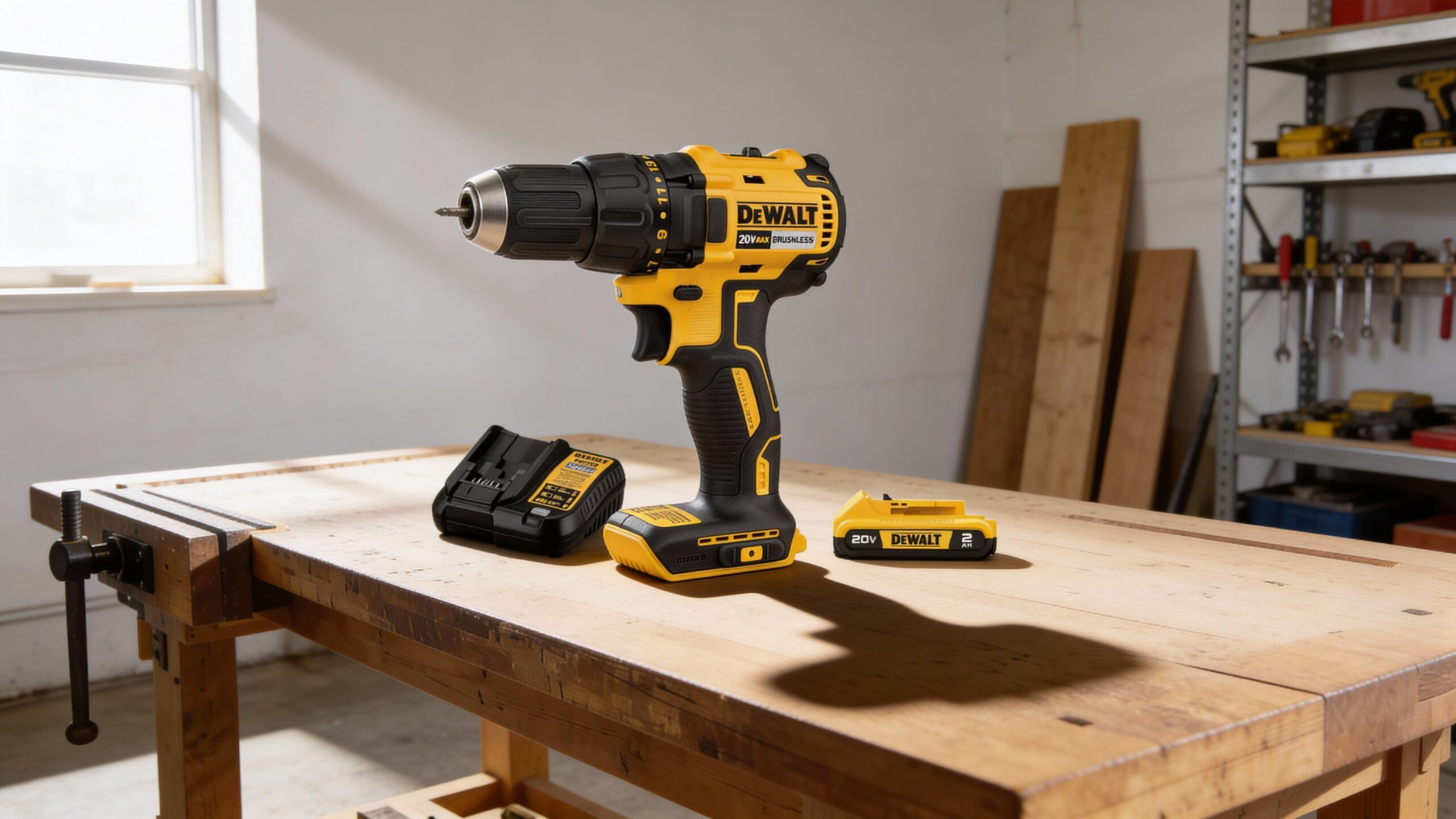
DeWalt DCD791 (20V MAX XR)
Best Value
A lighter, simpler XR drill that covers everyday drilling and driving well—often easier on the arms and typically bundled in value-focused kits for buyers who don’t need hammer-drill capability.
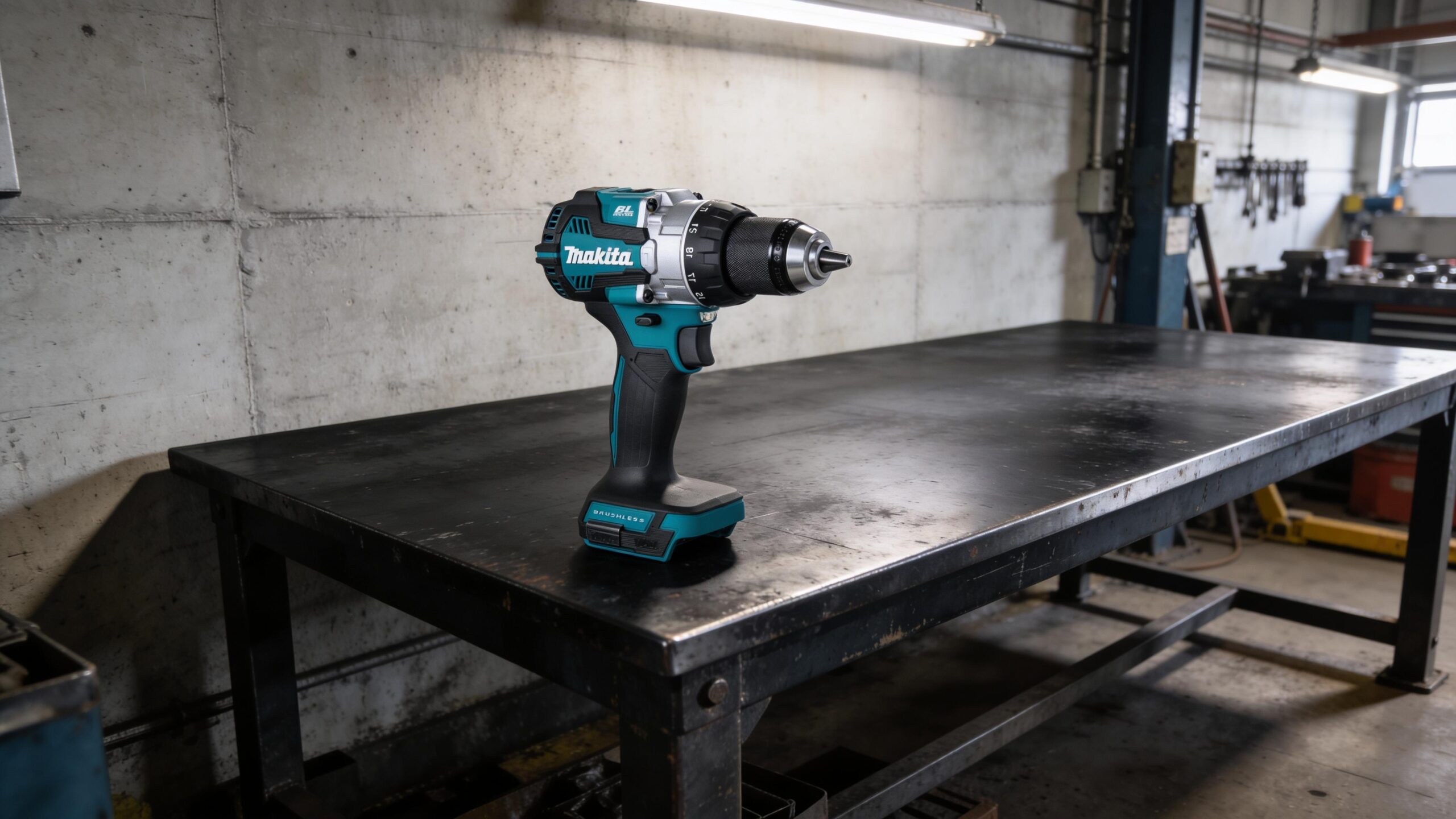
Makita XPH12 (18V LXT)
Lighter Feel
A compact hammer drill known for smooth control and easier handling. It’s a good choice if you want masonry capability in a smaller package with less fatigue during overhead or tight-space work.
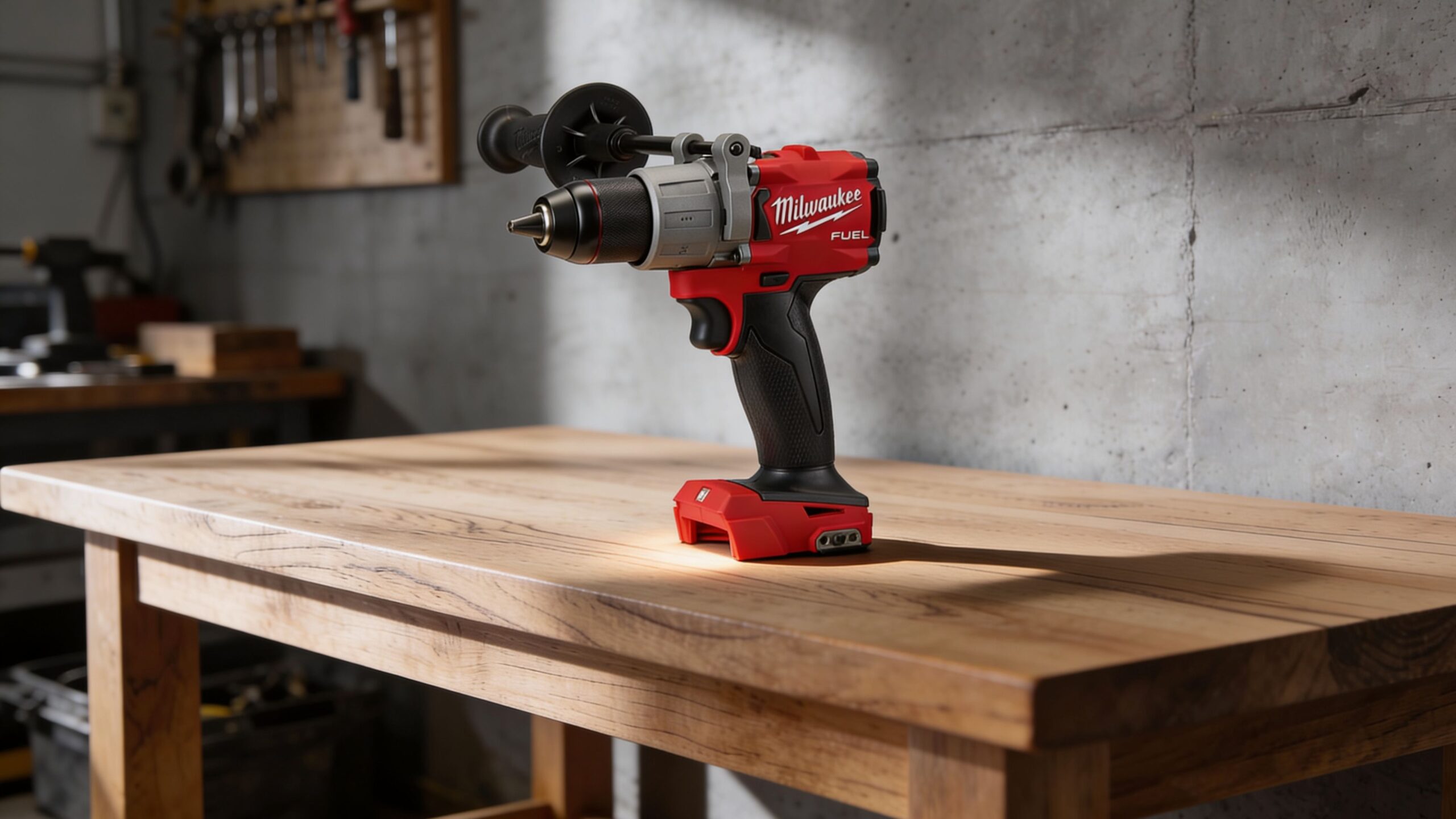
Milwaukee 2904-20 (M18 FUEL)
Newer Compact
A current-generation compact hammer drill that leans toward smaller size and modern ergonomics, making it appealing if you want strong performance in a more maneuverable form factor.
Sources
Sources & reference notes
Specifications and platform details referenced in this review were verified using publicly available manufacturer information and current product listings. Where configurations vary by kit, we note differences directly in the article.
- DeWalt — product documentation and published specifications referenced for the DeWalt DCD996B Hammer Drill Review: Performance, Pros, and Cons.
- DeWalt 20V MAX platform and battery compatibility information, including common tool-only and kit configurations.
- Retail product listings used to confirm current naming, SKU variations, included accessories, and bundle contents where applicable.
Where to Buy
DeWalt DCD996B
20V MAX XR Hammer Drill/Driver
Typical price range: $129–$229
Pricing varies by retailer and whether the listing is tool-only or part of a kit with batteries and a charger.
Check Current PriceReview Snapshot
DeWalt DCD996B
8.7
Strong power, solid build
Best for remodeling and tougher drilling/driving, with the tradeoff of a bulkier feel in tight or overhead work.
- Performance: Stays composed when pushing larger holes and long fasteners
- Handling: Good control, but heavier setups can add fatigue over time
- Value: Makes most sense if you already own 20V MAX batteries or buy as a kit
Top 10 List
See the best hammer drills right now
Want the full picture? Our Top 10 breaks down the best hammer drills by real-world performance, handling, and value.
View the Top 10Compare Models
Compare this drill head-to-head
See how the DeWalt DCD996B stacks up against other top hammer drills across power, handling, and value.
View ComparisonsAccessories You’ll Want
- Quality drill/driver bit set (helps reduce cam-outs and stripping during repetitive driving)
- Masonry bit set (cleaner holes in brick and block when using hammer mode for occasional anchors)
- Extra battery pack (one compact for balance plus one higher-capacity for longer, tougher sessions)
- Right-angle attachment (makes tight bays and cabinet corners workable without awkward wrist angles)
- Magnetic bit holder (speeds swaps and helps prevent dropped bits on ladders or overhead work)
Tip: The best day-to-day experience comes from matching batteries and bits to your workload—keep a compact pack for maneuverability, a larger pack for heavy drilling, and refresh worn bits before they start slowing your work.