
The DeWalt DW130V Mixing Drill is built for demanding material mixing, but how does it hold up in real jobsite conditions? In this review, we evaluate its power, control, and durability, highlighting practical strengths, notable limitations, and key tradeoffs to help professionals decide if it fits their workflow.
DeWalt DW130V Mixing Drill Review: Performance, Pros, and Cons
By: Review Streets Research Lab
Updated: April 2, 2026
Approx. 8–10 min read
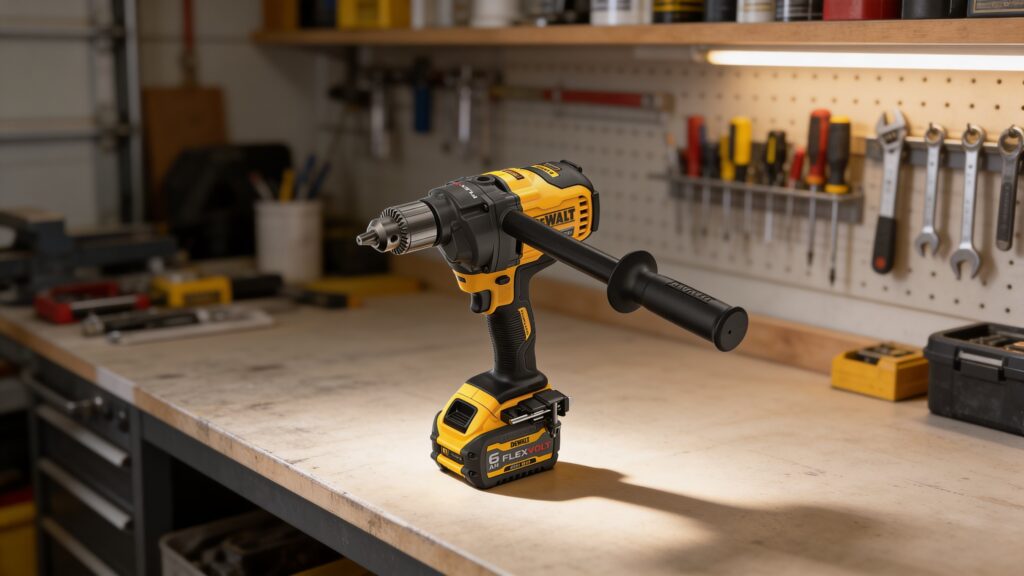
Quick Summary
The DeWalt DW130V is a purpose-built mixing drill that prioritizes steady torque delivery and controlled handling when working through thick compounds and longer batches. It feels confident under load and supports a consistent mixing rhythm, making it a solid fit for frequent mixing tasks where control matters. The tradeoff is bulk and fatigue over extended overhead or tight-space work.
8.4
Score
Best for: Daily mixing jobs
Pros & Cons
DeWalt DW130V: what we liked (and what we didn’t)
A quick look at the biggest strengths and tradeoffs based on performance, handling, and everyday usability.
Pros
- Strong torque: Keeps mixing moving through thick material without bogging down or feeling strained.
- Steady control: Predictable speed changes help prevent splatter and support consistent blending.
- Confident handling: Balanced grip and stance feel stable when the paddle loads up mid-batch.
- Workflow ready: Well-suited for repeated mixing sessions where consistency matters more than compactness.
- Rugged feel: Built with the kind of durability you want when a tool is expected to run hard and often.
Cons
- Bulky profile: Size and stance can be awkward in tight rooms, corners, or close-to-wall mixing.
- Fatigue factor: Weight and leverage add up during long sessions, especially above waist height.
- Cord management: Requires a reliable power source, and the cord can slow quick moves between work areas.
- Niche value: Makes the most sense for frequent mixing; occasional users may be better served by a general-purpose drill.
Specs
DeWalt DW130V key specifications
These are the core specs and practical details most buyers compare across professional mixing drills.
| Spec | DeWalt DW130V |
|---|---|
| Type | Corded mixing drill |
| Platform | 120V AC (corded) |
| Voltage | 120V |
| Speed | Variable speed, single range |
| Chuck | 1/2" keyed chuck |
| Torque | High-torque mixing output (manufacturer-rated) |
| Length | Approx. full-size mixing drill footprint |
| Weight | Heavier corded build; stable under load |
| Clutch settings | No clutch (direct-drive mixing design) |
| LED light | No |
| Included | Tool only |
| Best use | Mixing mortar, thinset, drywall mud, paint, and similar materials |
| Warranty | DeWalt limited warranty (varies by region/product) |
Performance
How the DeWalt DW130V performs
We evaluated mixing consistency, power delivery under load, start/stop control, and overall handling across common jobsite materials to understand how this mixing drill behaves in real-world conditions.
Drilling Speed
For non-mixing tasks, it can spin bits acceptably, but its strength is steady mixing rather than quick hole-making.
Torque & Power
Strong, consistent torque keeps thick mixes moving with fewer stalls and less strain when the paddle loads up.
Control & Handling
Good trigger feel and predictable ramp-up help manage splatter and keep the mix uniform as viscosity changes.
Balance & Comfort
Stable stance and leverage feel secure in a bucket, though bulk can add fatigue during longer or awkward-position mixes.
Noise & Vibration
Noise is typical for a high-torque corded tool, with manageable vibration when the paddle stays centered and loaded evenly.
Overall Performance
A reliable mixing-focused performer with strong load handling and control, best for frequent batches where consistency matters.
Testing note: Performance observations are based on real-world mixing and handling scenarios using common construction materials and typical batch sizes.
Build Quality
Build quality & durability
The DeWalt DW130V feels purpose-built for repeated mixing work. The housing feels rigid, the grips stay secure with dusty or damp hands, and the overall stance favors control and stability when a paddle is loaded in a bucket.
Key contact points—chuck, front housing, and controls—feel solid with minimal flex. The chuck holds a mixing paddle securely, and the tool stays composed when resistance changes mid-mix. In practice, that means fewer re-tightens, less wobble, and more consistent blending.
In everyday use, it gives the impression of a tool you can set down between batches and move around a job without babying. It stays stable during longer runs, and the overall build inspires confidence when you’re mixing heavier materials that tend to push back and heat tools up.
The tradeoff is portability: it’s a larger, heavier corded tool, and it feels best when you can keep a steady stance and manage the cord. If you value durability and predictable mixing behavior over compact storage and quick one-handed work, the construction makes sense.
Setup & Maintenance
Setup, daily use, and upkeep
The DeWalt DW130V is straightforward to get running—secure your mixing paddle, choose a controlled speed, and brace the tool for steady blending. Most setup comes down to matching paddle size and speed to material thickness so you get smoother mixes, less splatter, and more consistent results from batch to batch.
Best setup for common tasks
- Thin Materials: Use lower speed and light pressure to keep paint or thin compounds from splashing while blending evenly.
- Thick Mixes: Start slow, then gradually increase speed once the material loosens to avoid sudden torque kickback.
- Large Buckets: Keep the paddle centered and work in slow circles to pull material from the edges without overloading the drill.
- Repeated Batches: Let the tool cool briefly between mixes to maintain consistent performance during longer sessions.
What to do for smoother starts
- Begin Submerged: Start the paddle fully in the material to reduce splatter and improve early control.
- Ease On Power: Feather the trigger during the first few seconds to keep the mix from jumping.
- Stabilize The Bucket: Brace or wedge the container so it doesn’t spin as the material thickens.
Maintenance (simple but important)
- Clean After Use: Wipe down the chuck and housing so dried material doesn’t build up around moving parts.
- Vent Care: Keep air openings clear of dust and debris to help manage heat during longer mixing runs.
- Paddle Condition: Rinse and inspect paddles after each job so bent shafts or caked-on material don’t affect balance.
- Cord Check: Look over the power cord regularly and avoid tight wraps to prevent internal damage over time.
Tip: For thicker materials, use two hands, keep your stance braced, and run the drill at a controlled speed. Letting the paddle do the work improves consistency, reduces fatigue, and helps prevent sudden bind-ups as the mix stiffens.
Real-World Use
Where the DeWalt DW130V fits best
On paper, the DeWalt DW130V is a dedicated mixing drill. In real projects, it proves most useful when steady torque, controlled starts, and consistent blending matter more than compact size or one-handed convenience.
Mortar, thinset, and tile prep
Well suited for mixing mortar and thinset to a smooth, workable consistency. The drill stays composed as materials thicken, helping maintain even blends without frequent stalls or sudden surges.
Drywall mud and compound batches
Handles joint compound and texture mixes with good control, making it easier to dial in thickness and avoid air pockets—especially helpful when preparing multiple buckets during finishing work.
Paint, epoxy, and coatings
Provides predictable speed changes for blending paint, coatings, and specialty materials, allowing for cleaner starts and more uniform results when consistency matters across larger volumes.
Where it’s less ideal
For quick drilling tasks or tight, overhead spaces, the DW130V can feel bulky. It’s designed for mixing performance first, so lighter drills or compact drivers are easier to manage for small fastening or drilling jobs.
Value
Is the DeWalt DW130V worth it?
The DeWalt DW130V makes the most sense when mixing is a frequent part of your work—multiple batches, thicker materials, and a need for consistent results without fighting the tool. If you only mix occasionally, a less specialized drill can be enough, even if it feels slower or less controlled.
Price-to-performance takeaway
You’re paying for steady torque delivery, controlled starts, and a build that feels ready for repeated mixing sessions. The value shows up over time in fewer stalls, more predictable mixing, and less need to baby the tool on site. It’s most compelling for buyers who want a dedicated mixer rather than stretching a general-purpose drill beyond its comfort zone.
Tip: If this is mainly for mixing, prioritize a dedicated mixing drill over a standard drill/driver. If you only mix a few buckets per year, a lower-cost option can be practical—just pair it with the right paddle and keep speeds conservative.
FAQ
DeWalt DW130V FAQ
Quick answers to the most common questions about the DeWalt DW130V—compatibility, use cases, and what to expect in real-world mixing work.
Is the DeWalt DW130V a dedicated mixing drill?
Yes. It’s designed primarily for mixing materials like mortar, thinset, joint compound, and coatings where steady torque and control matter more than compact size.
Can it be used for drilling holes too?
It can handle basic drilling tasks, but it’s not optimized for fast, frequent hole-making. Most buyers choose it for mixing performance rather than general drilling versatility.
What kind of mixing paddle works best?
Use a paddle matched to the material and bucket size. Larger paddles are better for thicker mixes but increase load, so start at a low speed and let the drill ramp up gradually.
Who is this mixing drill best for?
It’s best for anyone who mixes regularly and wants consistent results—tile prep, drywall finishing, and recurring batch work where control and reliability matter.
Is it overkill for occasional DIY mixing?
If you only mix a few buckets a year, a less specialized drill may be sufficient. The upside of a dedicated mixer is smoother handling with thicker materials and fewer stalls when the mix stiffens.
What should I consider before buying a corded mixer?
Plan for access to power and cord management around buckets and work areas. Corded tools can be a good fit for longer sessions because they don’t depend on battery runtime.
What are the most common downsides?
The most common tradeoffs are size and weight, plus reduced convenience for quick tasks compared to smaller drills. It’s also louder than light-duty tools when working through thick material.
Alternatives
Best alternatives to the DeWalt DW130V
If the DeWalt DW130V fits your mixing needs but you’re weighing different tradeoffs—lighter handling, lower upfront cost, or a different brand ecosystem—these are three practical alternatives worth considering.
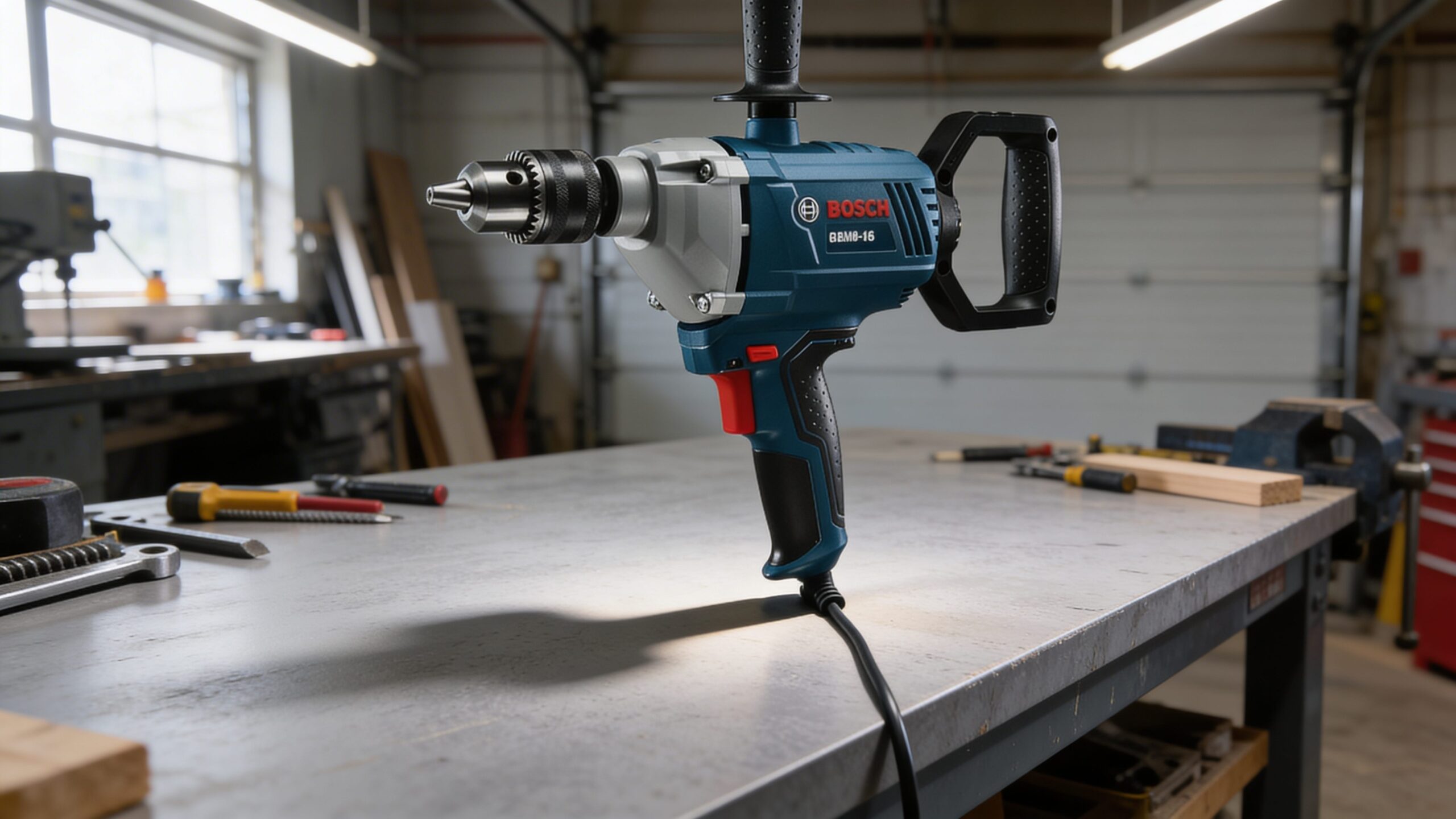
Bosch GBM9-16
Best Value
A straightforward corded mixer that trades some refinement for a lower entry cost. It’s a practical option if you want reliable torque for mortar and compound without paying for a more premium feel.
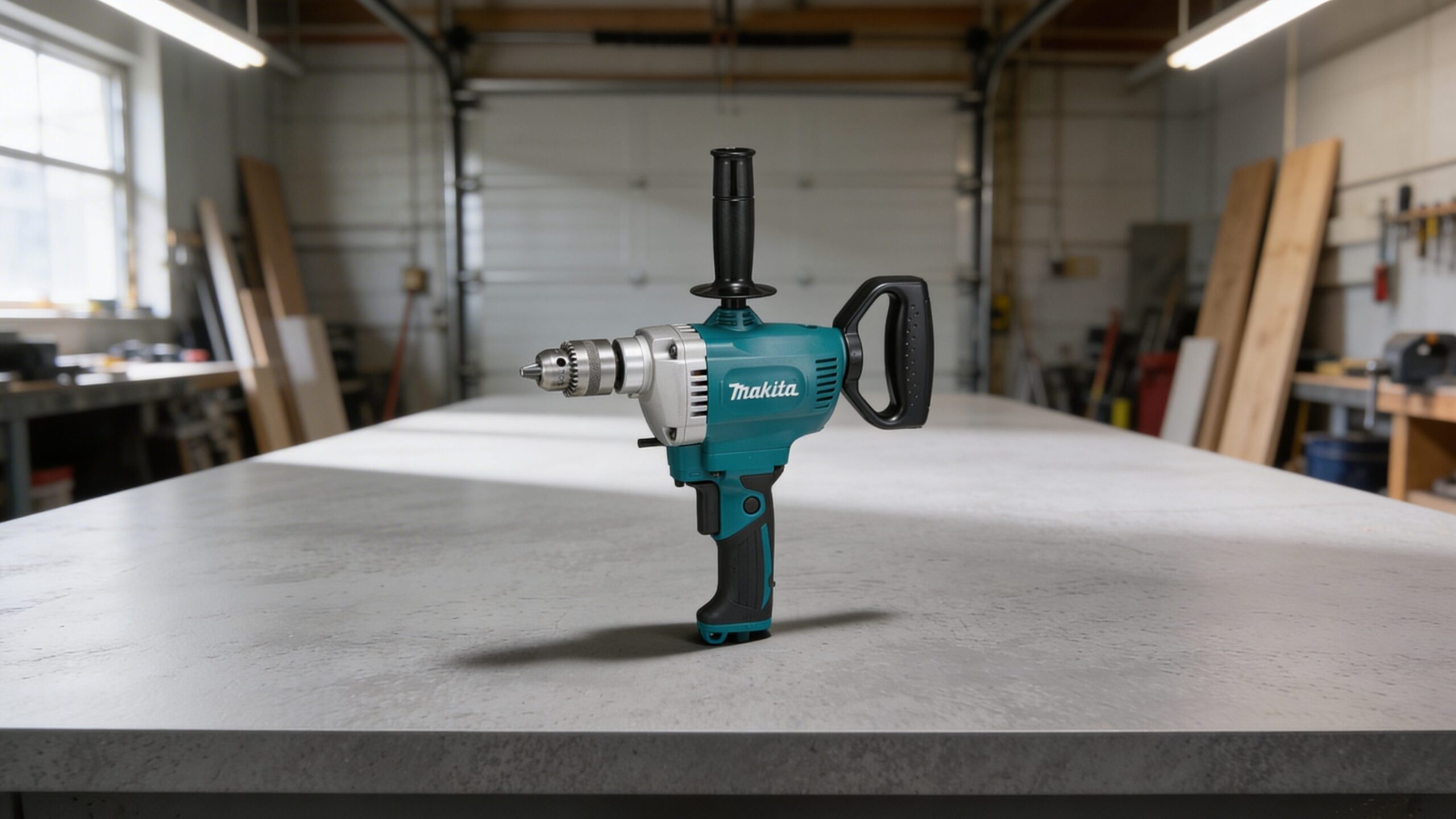
Makita DS4012
Smoother Feel
Known for more refined speed control and lighter handling, this is a good pick if you value smoother starts and easier maneuvering over the DW130V’s heavier, more planted mixing stance.
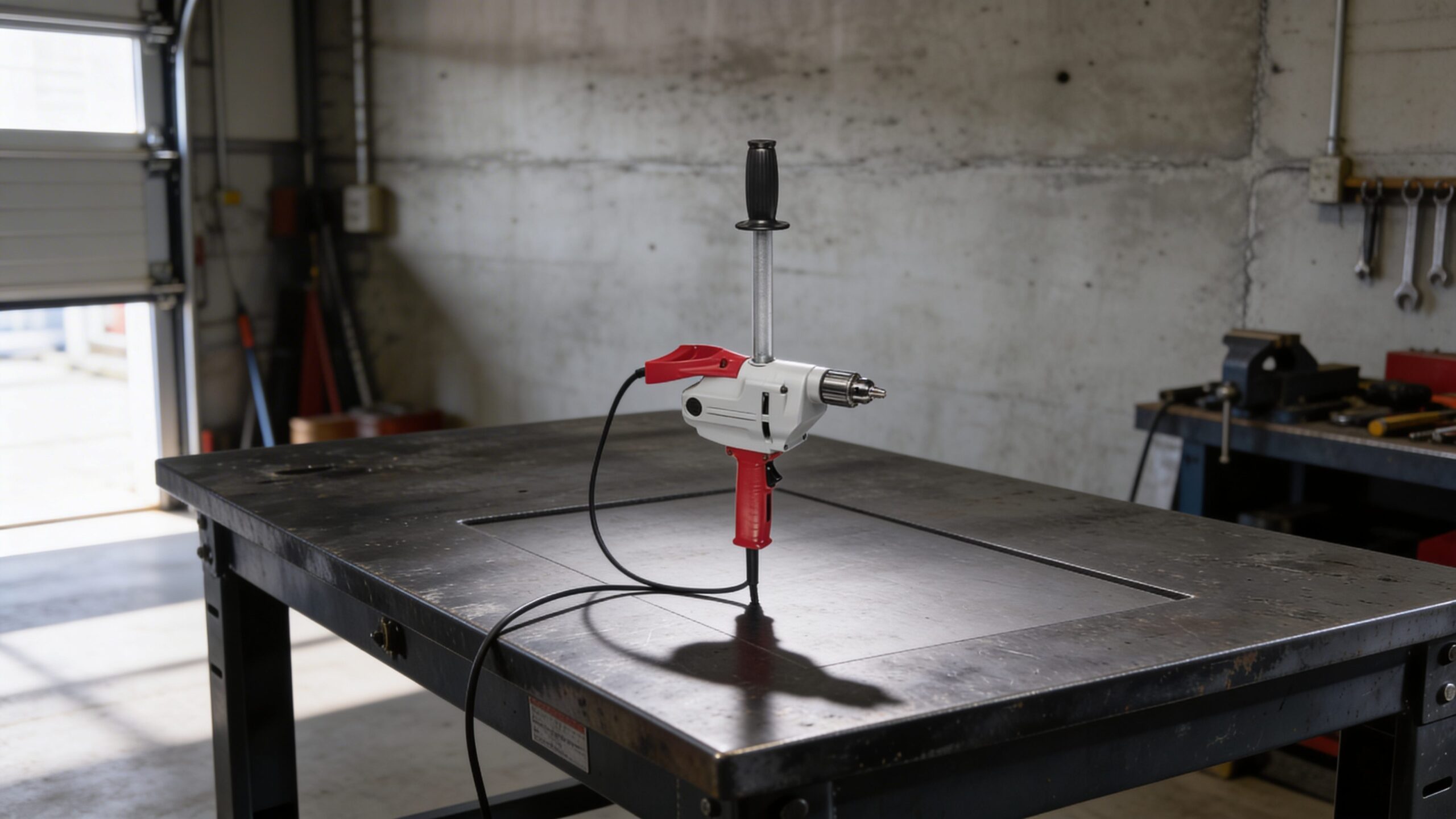
Milwaukee 1660-6
Heavy Duty
A more industrial-feeling mixer built for tougher batches and longer sessions. Choose this if you prioritize brute durability and sustained load handling over the DW130V’s balance of control and comfort.
Sources
Sources & reference notes
Specifications and compatibility details referenced in this review were verified using publicly available manufacturer documentation and current product listings. Where configurations vary by retailer or packaging, we note differences directly in the article.
- DeWalt — product documentation and published specifications for the DeWalt DW130V Mixing Drill.
- Corded power and accessory compatibility information relevant to mixing paddles and common jobsite use.
- Retail product listings used to confirm current naming, SKU variations, and what’s included in typical listings.
Where to Buy
DeWalt DW130V
Mixing Drill
Typical price range: $119–$229
Pricing varies by retailer and what’s included (paddle, accessories, or packaging).
Check Current PriceReview Snapshot
DeWalt DW130V
8.4
Strong mixing torque + control
Best for frequent material mixing where steady load handling matters more than compact size and portability.
- Performance: Keeps thick mixes moving with fewer stalls as resistance changes
- Handling: Stable in a bucket, but bulk can add fatigue in tight or awkward positions
- Value: Pays off with regular mixing; occasional users may not need a dedicated mixer
Top 10 List
See the best mixing drills right now
Want the full picture? Our Top 10 breaks down the best mixing drills by performance, control, and real-world use.
View the Top 10Compare Models
Compare this mixing drill head-to-head
See how the DeWalt DW130V compares with other mixing drills across control, handling, and real-world mixing performance.
View ComparisonsAccessories You’ll Want
- Heavy-duty mixing paddles (matched to mortar, thinset, paint, or compound for smoother, more consistent blending)
- Spare paddle shaft or backup mixer (keeps work moving if a paddle bends or gets caked with hardened material)
- 5-gallon mixing buckets (stable containers that reduce tipping and allow full paddle movement)
- Extension cord (jobsite-rated) (maintains consistent power delivery without overheating on longer runs)
- Cleaning brush and scraper (removes dried material from the chuck and housing to extend tool life)
Tip: Paddle style and size have a bigger impact on mixing results than most buyers expect—match the paddle to the material and bucket depth to improve control, reduce strain, and protect the drill over time.