DeWalt DWD210G vs Bosch 1006VSR: Which Corded Drills Is Better?

This head-to-head comparison examines the DeWalt DWD210G and Bosch 1006VSR corded drills, focusing on real-world performance, handling differences, durability, and practical tradeoffs to inform your buying decision.

By: Review Streets Research Lab
Updated: February 26, 2026
Approx. 10–12 min read
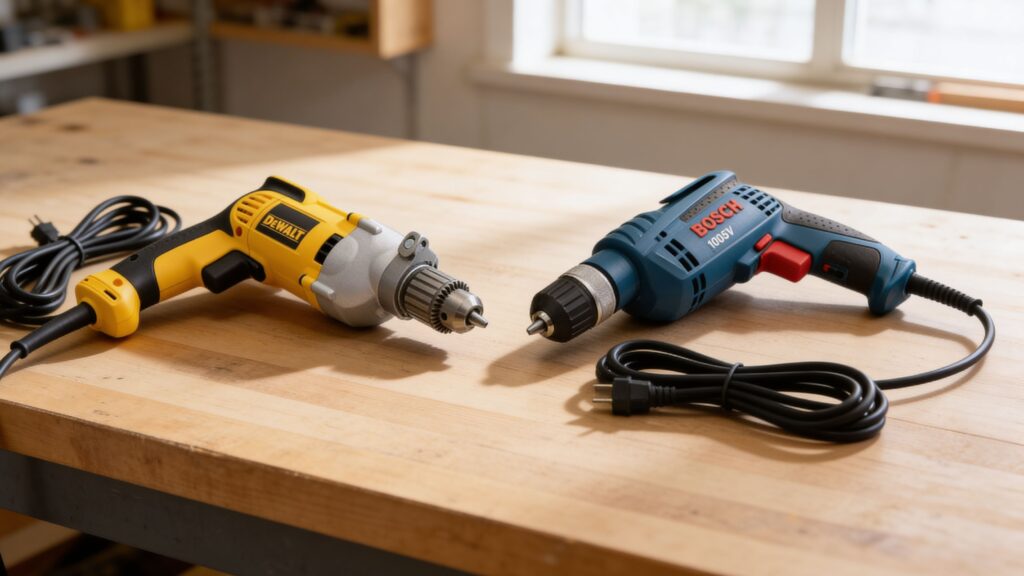
DeWalt DWD210G and Bosch 1006VSR corded drills positioned side by side on a workshop bench for professional comparison

Head-to-head

DeWalt DWD210G vs Bosch 1006VSR Corded Drill Comparison

A clean A/B view of what matters on real jobs: sustained drilling power, trigger control for clean starts, comfort over longer sessions, and practical value when you want dependable corded performance without battery tradeoffs.
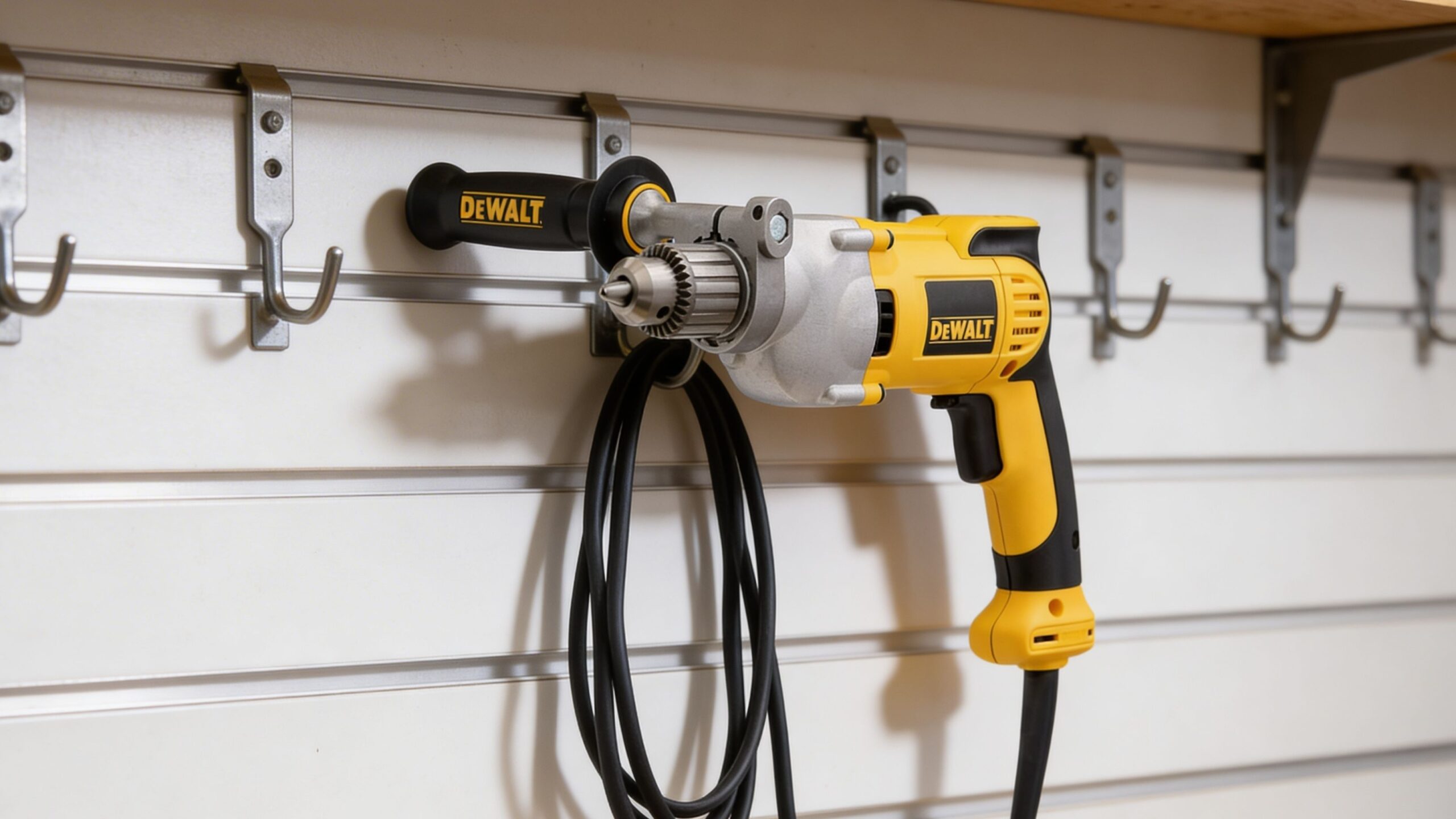
DeWalt DWD210G corded 1/2-inch drill

DeWalt DWD210G 1/2" Corded Drill

A more heavy-duty feel with strong capacity for larger bits and tougher materials—best when you want a straightforward corded drill for repeated holes in wood and metal without stepping up to a full mixing drill.

Score 8.7 Best for higher-load drilling Battery corded Why buy capacity + steadiness
  • Better suited to larger hole saws, step bits, and thicker stock where a smaller drill can feel strained
  • Solid, predictable trigger response for controlled starts in metal and clean pilot holes
  • A practical pick when you want a workhorse corded drill with fewer compromises under load
VS
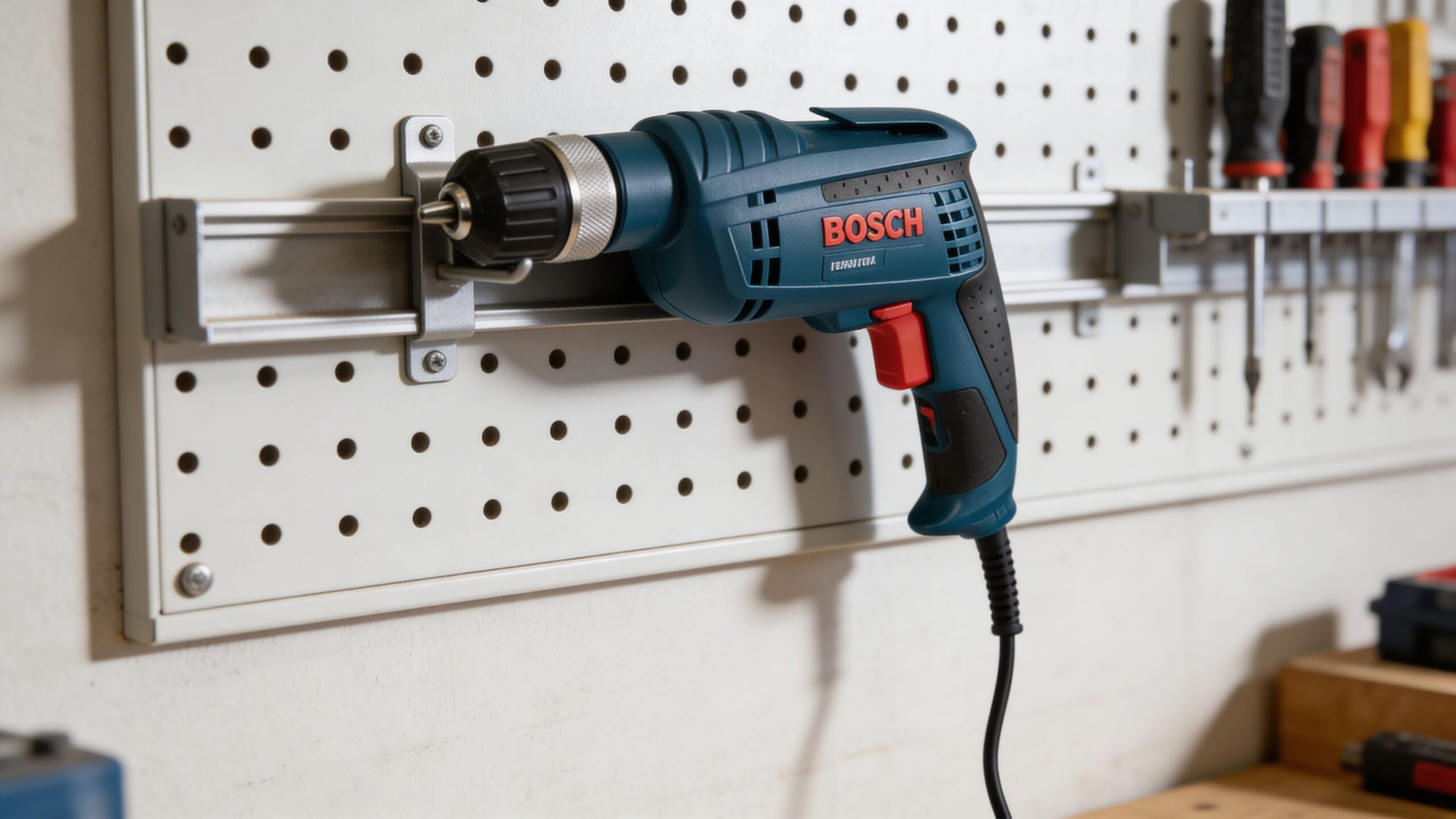
Bosch 1006VSR corded 3/8-inch drill

Bosch 1006VSR 3/8" Corded Drill

A lighter, more compact corded drill that’s easy to control for routine drilling and fastening—best when you value handling, accessibility in tighter spots, and a simpler tool that still feels jobsite-capable.

Score 8.3 Best for everyday drilling Battery corded Why buy control + value
  • Easier to manage for repeated pilot holes, hardware installs, and lighter metal work
  • Comfortable size for overhead use and tight stud bays where bulky drills can fight you
  • Strong choice when you want dependable corded performance without paying for extra capacity
Power under load
More headroom for larger bits
Best for moderate, steady drilling
DeWalt
Control & clutch consistency
Good trigger modulation
Very good low-speed control
Bosch
Ergonomics (feel + fatigue)
Sturdy, can feel heavier
Lighter, easier to manage
Bosch
Value (typical kit pricing)
Pays off if you need capacity
Often a better buy for basics
Bosch
Battery ecosystem depth
Not applicable (corded)
Tie
Real-world context
This comparison reflects a synthesis of professional reviews, manufacturer data, long-term user feedback, and use-case patterns to highlight how each drill typically performs in everyday projects.

DeWalt — Why people choose it

  • More confidence when stepping up to larger bits or drilling tougher material without bogging down
  • Better fit for jobs that demand 1/2" capacity and a more heavy-duty feel
  • Good choice when you want a straightforward corded workhorse for repeated drilling

Bosch — Why people choose it

  • More comfortable handling for routine drilling, pilots, and lighter installs (especially overhead or in tight areas)
  • Strong control for clean starts and tidy results when precision matters more than brute capacity
  • Typically a smarter value when your workload is steady, not extreme
Verdict: Choose DeWalt DWD210G if your work regularly pushes larger bits, thicker stock, or tougher materials and you want the extra capacity and steadiness that shows up under load. Choose Bosch 1006VSR if your projects are more routine—pilot holes, installs, and lighter drilling—where control, maneuverability, and value matter most over maximum capacity.
Read FAQs

Deep dive

What actually matters in this matchup

Both the DeWalt DWD210G and Bosch 1006VSR are corded drills built for straightforward, dependable work—but they feel meaningfully different when the task shifts from “routine holes” to “repeat this all day.” The decision is less about headline specs and more about how each tool manages resistance, how controllable it feels at the start of a hole, and how much effort it takes to keep the drill steady and comfortable across a long list of tasks.

Power delivery in real materials: The biggest practical separator is how confidently each drill pushes through tougher moments—larger bits, thicker lumber, or metal that wants to grab. The DeWalt tends to feel more “settled” when the bit loads up, which matters when you’re stepping up in bit size or drilling repeated holes where slowdown affects workflow. The Bosch is typically better suited to steady, moderate drilling where control and consistency matter more than brute push.

Starts, control, and clean results: Many corded-drill frustrations come from the first second—walking on metal, wandering on finished surfaces, or the bit biting before you’re ready. In practice, the drill that feels easier to modulate at the trigger and easier to hold on-line usually produces cleaner starts and fewer reworks. The Bosch often favors this kind of “easy to place, easy to guide” use, while the DeWalt’s advantage shows up more after the hole is established and resistance increases.

Fatigue and handling over long sessions: Corded drills remove battery weight, but they can still wear you out through bulk, balance, and how much grip effort it takes to keep the tool stable. If your day includes overhead holes, tight stud bays, or lots of repositioning, the more compact, manageable drill is usually the one that keeps you fresher. If the work is mostly on a bench or at waist height with larger bits, a sturdier, more substantial feel can translate into better control once the tool is loaded.

Reliability confidence and ownership reality: With corded tools, “ecosystem” matters less than with cordless, but the ownership experience still shows up in practical ways: how predictable the tool feels over time, how well it holds up to occasional binding, and how easy it is to keep the drill in service when you need it. The DeWalt tends to make more sense when your projects regularly demand extra capacity and you’d rather have margin than finesse. The Bosch tends to fit better when your workload is frequent but moderate, where comfort and controllability are the things you notice most.

Methodology

How we evaluated these corded drills

Our evaluation focuses on real tasks that reveal practical differences between corded drills—how they start a hole, how they behave when material pushes back, and how comfortable they remain across repeated use. The goal is to reflect decision-making in the real world, where control, fatigue, and reliability confidence often matter more than isolated spec claims.

Tasks: clean starts and pilot holes in wood, repeated holes in thicker lumber, drilling in metal where wandering and grab are common, step-up bit sizes to simulate higher resistance, and overhead or awkward-angle drilling to evaluate handling and fatigue.

What we scored: power delivery under real load, trigger control for predictable starts, stability and balance in common positions, build confidence during binding or resistance, chuck confidence for repeatable bit retention, and day-to-day value as experienced through workflow—not list price.

How results are interpreted: outcomes are assessed using a context-aware approach, recognizing that the “better” drill can change depending on priorities—higher-load drilling versus routine holes, long sessions versus occasional use, and tight access versus open bench work.

What we ignored: advertised headline claims that don’t reliably show up in repeatable use, isolated lab-style numbers without context, and minor features that don’t meaningfully change control, comfort, or consistency on typical drilling tasks.

FAQ

DeWalt DWD210G vs Bosch 1006VSR: Common questions

Which drill is the better all-around choice for typical household and workshop tasks?
For routine drilling, installs, and general shop use, the Bosch 1006VSR is often the easier fit because it tends to feel more manageable and controllable. The DeWalt DWD210G can still work well for these tasks, but its advantages show up more when the workload gets heavier.
When does the DeWalt DWD210G make more sense than the Bosch 1006VSR?
The DeWalt is the more practical pick when you expect larger bits, thicker materials, or frequent drilling that pushes a tool harder. If your work regularly moves beyond basic pilot holes and light-duty tasks, the extra capacity and steadier feel can matter more than a smaller footprint.
Is the difference between 1/2" and 3/8" capacity important in real use?
It can be, depending on what you drill and how often. A 1/2" capacity drill typically accommodates a broader range of larger shank bits and can feel more comfortable when stepping up in bit size, while a 3/8" drill often covers everyday drilling with an emphasis on control and easier handling.
Which one is easier to control for clean starts in metal or on finished surfaces?
Control at the start of a hole usually favors the drill that feels easier to modulate and keep on-line. In practice, many users will find the Bosch easier to place and guide for careful starts, while the DeWalt tends to show its benefits more once resistance increases and the hole is established.

Key Takeaways

  • The DeWalt DWD210G makes more sense when your work regularly pushes larger bits or tougher materials, where extra capacity and a steadier feel under load reduce frustration.
  • The Bosch 1006VSR favors control and manageability, which can matter more than raw capacity for routine drilling, installs, and overhead or tight-space tasks.
  • Choosing between 1/2" and 3/8" capacity is less about specs and more about how often you step up in bit size and encounter resistance that changes how the drill feels in hand.
  • In lighter-duty, repetitive tasks, comfort and trigger modulation tend to shape the day-to-day experience more than maximum drilling headroom.
  • For buyers who want margin for tougher jobs, the DeWalt provides more flexibility; for those prioritizing ease of handling and value in steady workloads, the Bosch is often the more balanced fit.

Verdict

The Right Corded Drill Depends on Your Workload

In this matchup, the better choice comes down to how demanding your typical drilling tasks are and how much value you place on capacity versus day-to-day control and handling.

Recommended for Higher-Load Work

DeWalt DWD210G 1/2" Corded Drill

A stronger fit when projects regularly involve larger bits, thicker materials, or sustained drilling where extra headroom and a steadier feel under load provide practical benefits.

  • Handles larger-diameter bits with more confidence
  • Feels more composed when resistance increases
  • Offers added flexibility for tougher, repeated drilling tasks

Better for Everyday Drilling and Control

Jump to the Head-to-Head

Tip: If most of your projects are moderate in scope, comfort and control may outweigh maximum capacity; if you frequently step up in bit size, extra headroom can be worth it.

Where to Buy

We prioritize reputable sellers, easy returns, and reliable availability.

Price checks happen regularly. Some links may earn a commission—never affects rankings.

Accessories You’ll Want

  • High-quality drill bit set (wood and metal bits in common sizes, plus a few spares of what you use most)
  • Step bit set (especially useful for clean holes in sheet metal, electrical boxes, and hardware installs)
  • Hole saw kit with arbor (for larger openings in wood and sheet goods when the job calls for it)
  • Chuck key or chuck maintenance brush (helps keep the chuck clean and gripping well over time)
  • Heavy-duty extension cord (proper gauge for tool use to reduce voltage drop on longer runs)

Tip: For corded drills, bit quality and a proper extension cord gauge often matter more than small spec differences—both can improve control and reduce strain on the tool.