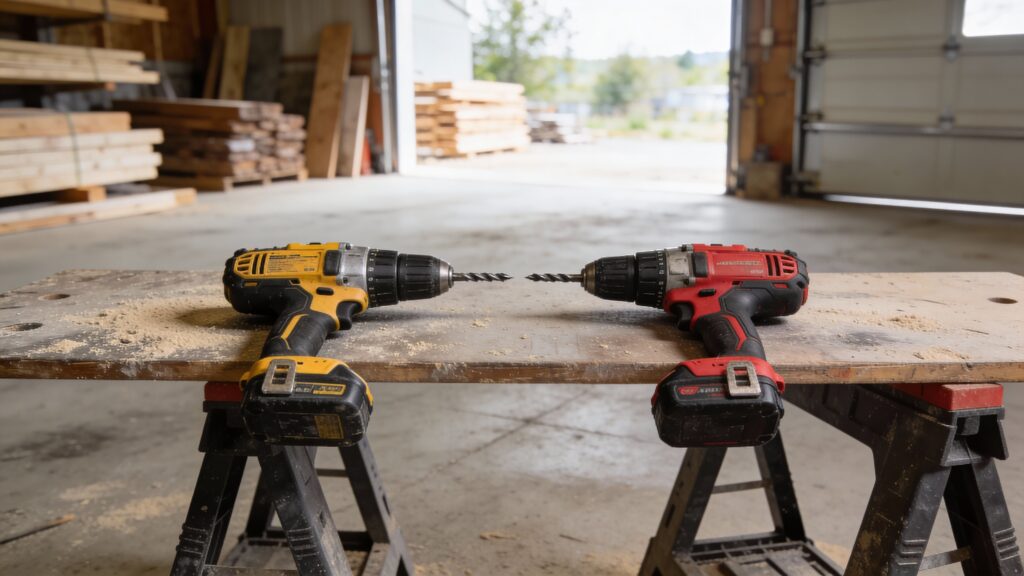
DeWalt vs Craftsman Cordless Drills at Lowe’s — Which Is Better?

This head-to-head comparison examines DeWalt and Craftsman cordless drills at Lowe’s, focusing on real-world performance, battery platforms, durability, and long-term value to clarify meaningful tradeoffs.

By: Review Streets Research Lab
Updated: January 14, 2026
Approx. 10–12 min read
DeWalt vs Craftsman Cordless Drills at Lowe’s — Which Is Better_

Head-to-head

DeWalt vs Craftsman Cordless Drills at Lowe’s — Which Is Better?

A clean A/B view of what actually matters on real projects: drilling and driving feel, control in common materials, durability expectations, kit value, and the long-term cost of buying into a battery platform.

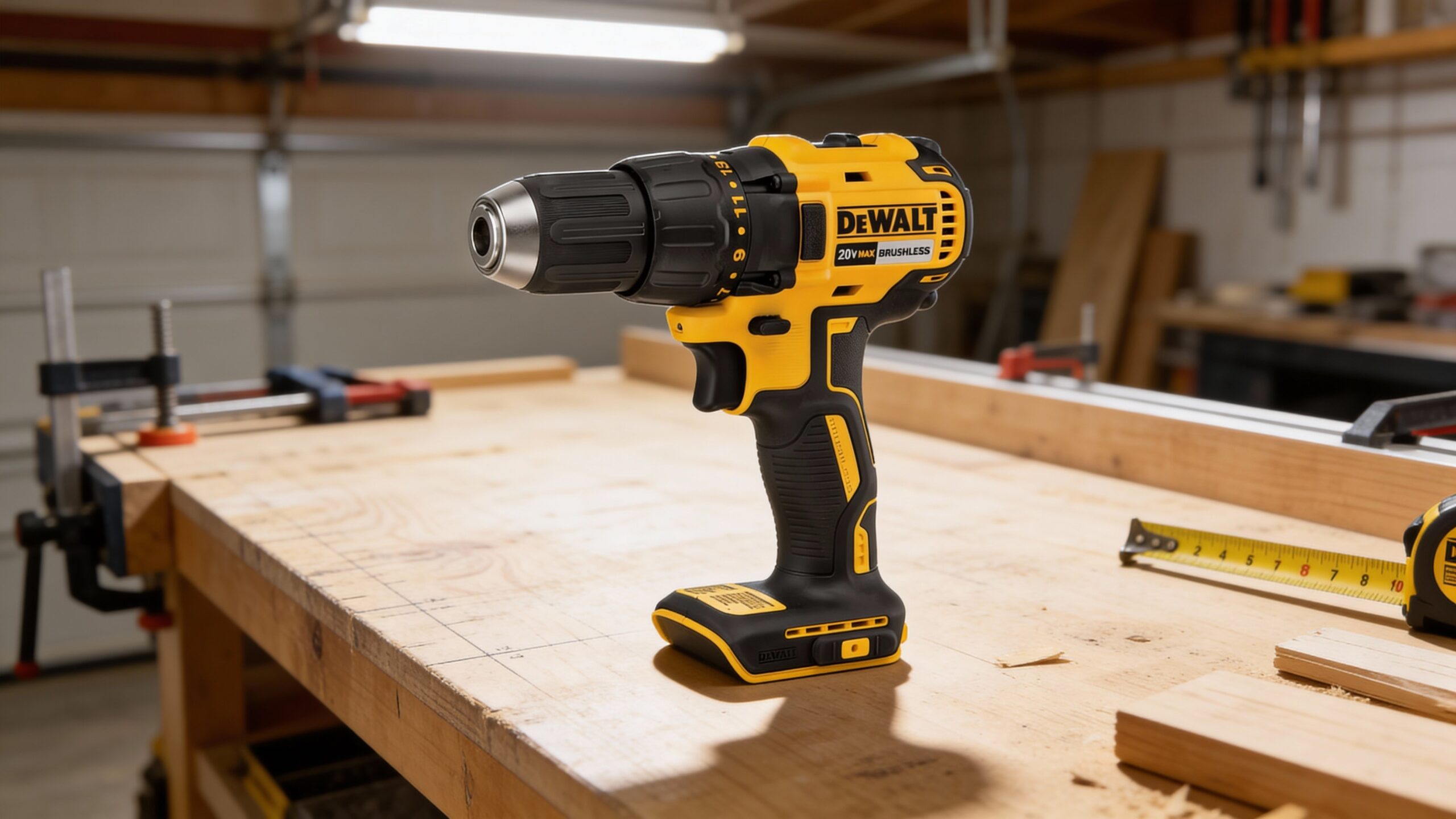
DeWalt 20V MAX cordless drill/driver kit

DeWalt 20V MAX Cordless Drill/Driver Kit

A widely supported, jobsite-ready platform with strong kit options. Best when you want dependable drilling/driving feel and an easy path to expand into more 20V MAX tools over time.

Score 8.8 Best for Pros + serious DIY Battery 20V MAX Why buy durability + platform depth
  • More confidence in tougher drilling and longer driving runs
  • Better long-term flexibility if you’ll add more cordless tools
  • Common kits are easy to find with broad battery options
VS
Craftsman V20 cordless drill/driver kit

Craftsman V20 Cordless Drill/Driver Kit

A practical, budget-friendly choice that covers everyday drilling and driving without overbuying. Best for homeowners and light-to-moderate use where kit value and straightforward handling matter most.

Score 8.2 Best for Homeowners + value Battery V20 Why buy solid kits for less
  • Strong value for household projects and occasional weekend work
  • Comfortable, no-fuss drill/driver feel for common fasteners
  • Good entry point if you want a small V20 set over time
Power under load
Stronger headroom
Good for typical tasks
DeWalt
Control & clutch consistency
More predictable
Good, less refined
DeWalt
Ergonomics (feel + fatigue)
Balanced, firm grip
Comfortable, simple
Tie
Value (typical kit pricing)
Good, often mid-price
Usually better deal
Craftsman
Battery ecosystem depth
Very large
Growing
DeWalt
Real-world context
This comparison reflects a synthesis of professional reviews, manufacturer data, long-term user feedback, and use-case patterns to highlight how each drill typically performs in everyday projects.

DeWalt — Why people choose it

  • More dependable feel when drilling bigger holes or driving longer fasteners
  • Broader 20V MAX lineup makes it easier to standardize batteries
  • Often the safer pick for frequent jobsite use

Craftsman — Why people choose it

  • Better kit value for straightforward household drilling and driving
  • Simple, approachable platform for occasional to moderate use
  • Good choice if you want V20 tools without pro-tier pricing
Verdict: Choose DeWalt if your work regularly pushes a drill—more demanding materials, longer fastener runs, and a bigger future tool plan on one battery. Choose Craftsman if you want strong Lowe’s kit value for home projects and occasional jobsite tasks without paying for extra headroom you won’t use.
Read FAQs

Deep dive

What actually matters in this matchup

DeWalt and Craftsman can both cover everyday drilling and driving, but the meaningful separation shows up in how steady each feels when the work gets repetitive, the material pushes back, or you need consistent results across a full project. This deep dive focuses on usable power under real load, controlled starts and repeatable fastening, fatigue over time, and the long-term ownership realities of committing to 20V MAX vs V20.

For general projects: the difference is less about peak capability and more about how the drill behaves when conditions aren’t perfect—dense lumber, longer fasteners, mixed materials, and stop-and-go work. DeWalt typically feels more composed with fewer slowdowns as demands increase, while Craftsman tends to feel best when the workload stays in the “standard household” range where smooth, straightforward progress matters most.

For repeatable driving and clean starts: control shows up in how confidently the tool starts a bit, how consistently the clutch helps prevent overdriving, and how predictable the drill feels when you’re doing the same task dozens of times. DeWalt usually provides a more refined sense of control for repeatable fastening and cleaner starts in harder material; Craftsman is often a better fit when the priority is simple, forgiving operation for mixed DIY tasks rather than maximum consistency under tougher conditions.

For ownership over time: the tool is only part of the decision—batteries, chargers, and the range of compatible tools determine how “expensive” a drill becomes over the years. DeWalt’s 20V MAX platform tends to favor long-term flexibility when you plan to add tools and batteries across many jobs. Craftsman’s V20 platform tends to favor practical value when you want a smaller, focused set that handles household maintenance and occasional upgrades without investing into a larger ecosystem.

Methodology

How we evaluated these cordless drills

Our evaluation focused on repeatable, real-world tasks that make the practical differences between DeWalt 20V MAX and Craftsman V20 drills show up in use—not on paper. We emphasize outcomes that affect day-to-day work: how confidently each drill starts, how steadily it drives as resistance changes, how tiring it feels after a full project, and what ownership looks like once batteries and future tool needs are part of the decision.

Tasks: drilling pilot holes and larger holes in common lumber, driving mixed fasteners into framing and sheet goods, repeated start–stop cycles for control and clutch behavior, and extended overhead/awkward-position work to assess balance and fatigue with typical battery sizes.

What we scored: usable power when the bit loads up, consistency of trigger response and clutch control, comfort and handling over longer sessions, chuck confidence during repeated bit changes, and practical ownership factors such as kit value, battery options, and platform flexibility over time.

How results are interpreted: results are interpreted through a context-aware lens—some users benefit most from extra headroom and long-run durability, while others get more value from predictable handling and right-sized kits. We weigh performance, usability, and ownership based on how the drills are typically used across real projects.

What we ignored: isolated advertised claims and spec-sheet comparisons that don’t reliably predict repeatable outcomes in everyday drilling and driving, as well as minor features that don’t materially change workflow, comfort, or long-term ownership value.

FAQ

DeWalt vs Craftsman cordless drills: Common questions

Which drill makes more sense for typical home projects?
For most home projects, both drills are capable, but the decision usually comes down to workload and expectations. Craftsman often appeals when projects are occasional and straightforward, while DeWalt tends to suit users who expect more frequent use or tougher materials over time.
Is the difference noticeable during everyday drilling and driving?
In lighter tasks, the difference is subtle. As resistance increases or tasks repeat, DeWalt generally feels more composed, while Craftsman feels best when the work stays within common household drilling and fastening needs.
How important is the battery platform when choosing between these two?
Battery platforms matter most if you plan to add tools later. DeWalt’s 20V MAX system offers broader long-term flexibility, while Craftsman’s V20 system tends to suit buyers who want a smaller, more contained tool collection.
Which is easier to live with during longer projects?
Comfort and fatigue depend on balance, control, and how consistently the drill behaves as work continues. DeWalt typically feels steadier during longer or more demanding sessions, while Craftsman favors a simpler, easygoing feel for shorter projects.
Does Lowe’s availability change the decision?
Availability can influence convenience rather than performance. Lowe’s consistently stocks both brands, but kit selection, battery bundles, and promotions can shift value over time, making it worth checking current options before deciding.

Key Takeaways

  • The real difference between DeWalt and Craftsman shows up as workload increases—both handle everyday tasks, but DeWalt tends to feel steadier when projects get longer or materials get tougher.
  • Craftsman often makes more sense when projects are occasional and predictable, prioritizing straightforward use and accessible kit value over extra performance headroom.
  • Control and consistency matter more than raw capability in daily use, especially for repeated fastening and clean starts where small differences add up over a full project.
  • Comfort and fatigue are shaped by balance and behavior over time, not just weight—how the drill responds as resistance changes can affect how confident it feels late in a job.
  • Battery platform choice becomes increasingly important the longer you own the tool, with DeWalt favoring broader expansion and Craftsman favoring a more contained, value-focused setup.
  • For most buyers, the better choice depends less on headline features and more on how often the drill is used, how demanding the work is, and whether future tool expansion is likely.

Verdict

The Best Cordless Drill for Most People

In this DeWalt vs Craftsman matchup, the better choice comes down to how hard you’ll lean on the drill and how long you plan to stay in the battery ecosystem. When projects get longer, materials get tougher, or consistency matters across repeated tasks, the drill that stays composed and predictable tends to be the safer long-term buy.

#1 Winner

DeWalt 20V MAX Cordless Drill/Driver Kit

The more dependable choice for frequent use—steadier performance under real load and a broader platform that pays off if you expect to add tools over time.

  • Holds its feel and pace better as tasks get more demanding
  • More consistent control for repeatable drilling and driving
  • Stronger long-term flexibility within the 20V MAX ecosystem

Runner-up

Jump to the Head-to-Head

Tip: If you already own batteries in one system, that convenience can matter more than small performance differences.

Where to Buy

We prioritize reputable sellers, easy returns, and reliable availability.

Price checks happen regularly. Some links may earn a commission—never affects rankings.

Accessories You’ll Want

  • Drill & driver bit set (a few quality Philips, Torx, and square bits for common fasteners)
  • Brad-point wood drill bits (cleaner holes for shelves, hardware, and finish work)
  • Spade bits or a small hole-saw kit (for rough-in holes, plumbing/electrical passes, and larger openings)
  • Extra battery (one in the tool, one on the charger to avoid downtime)
  • Magnetic bit holder (faster swaps and fewer dropped screws on ladders or in tight spaces)

Tip: prioritize accessories that match your battery platform and the jobs you do most—bits and an extra battery usually improve day-to-day results more than chasing higher advertised specs.