Dual-Handle vs Single-Handle Mixing Drills: Key Differences Explained

Dual-handle and single-handle mixing drills serve similar purposes but differ in control, stability, and handling. This comparison examines their design tradeoffs and practical performance in real-world mixing applications.

By: Review Streets Research Lab
Updated: March 13, 2026
Approx. 10–12 min read
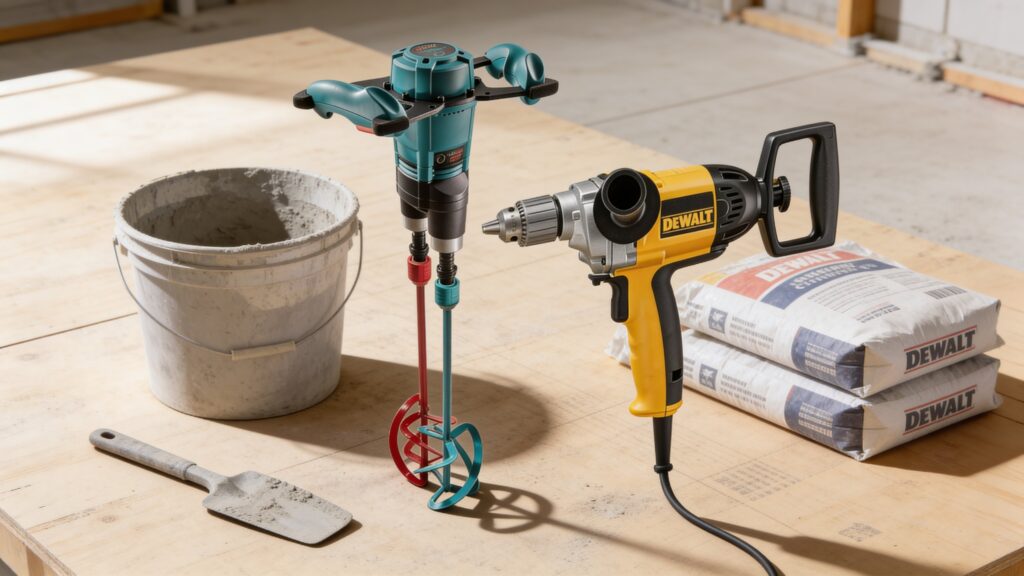
Dual-handle mixing drill and single-handle mixing drill placed side-by-side on a contractor workbench for comparison

Head-to-head

Dual-Handle vs Single-Handle Mixing Drills: Key Differences Explained

A clean A/B view of what matters in real mixing work: control through heavier materials, steadiness at startup, comfort across repeated batches, workflow flexibility, and the practical tradeoffs between a dedicated mixer layout and a more general drill-style format.
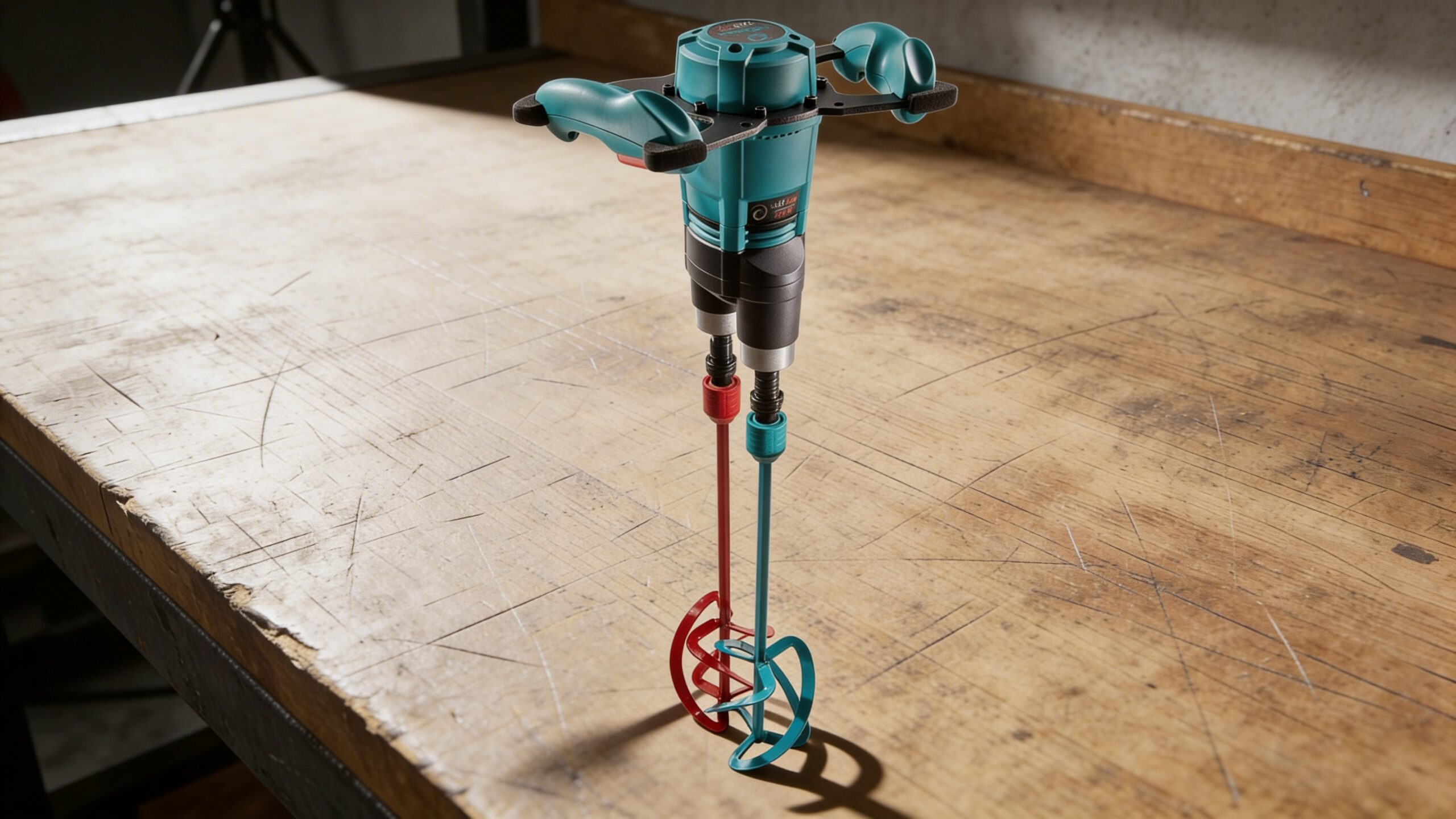
Dual-Handle Mixing Drill

Dual-Handle Mixing Drill

A purpose-built mixer layout that feels more settled once material resistance increases. It makes the most sense for regular mortar, thinset, grout, and other heavier batch work where leverage and stability matter.

Score 8.9 Best for heavy repeated mixing Battery AC corded Why buy control + leverage
  • Usually easier to keep steady when thicker material starts pulling against the paddle
  • Two-hand grip helps reduce the improvised feel common with harder-starting mixes
  • Stronger fit for pros who mix often and want a more dedicated tool format
VS
Single-Handle Mixing Drill

Single-Handle Mixing Drill

A simpler drill-style approach that can be easier to move, store, and repurpose. It tends to make more sense when mixing is lighter, less frequent, or part of a broader tool workflow rather than a dedicated daily task.

Score 8.4 Best for lighter mixed-duty use Battery AC corded Why buy versatility + simplicity
  • Often feels easier to reposition between buckets or around tighter work areas
  • Can be a practical choice when lighter mixing jobs are only one part of the day
  • Usually gives up some steadiness under heavier drag in exchange for broader utility
Power under load
Better composure in heavier mixes
Capable, but less settled as drag rises
Dual-Handle
Control & clutch consistency
Excellent leverage and steadiness
Good, more dependent on grip and technique
Dual-Handle
Ergonomics (feel + fatigue)
More stable during long heavy batches
Simpler to carry and reposition
Tie
Value (typical kit pricing)
Worth it for frequent dedicated mixing
Often more flexible for occasional use
Single-Handle
Battery ecosystem depth
Dedicated mixing-first layout
Broader crossover with general drilling tasks
Single-Handle
Real-world context
This comparison reflects a synthesis of professional reviews, manufacturer data, long-term user feedback, and use-case patterns to highlight how each drill typically performs in everyday projects.

Dual-Handle — Why people choose it

  • Better leverage when the mix thickens and the tool wants to twist off line
  • More controlled feel for repeated batches where steadiness matters more than compactness
  • Usually the more confidence-inspiring format for tile, flooring, masonry, and renovation work

Single-Handle — Why people choose it

  • More familiar drill-style layout for lighter mixing and intermittent material prep
  • Easier to store and move around when space or portability matters (especially between smaller jobs)
  • Can be the smarter buy when a dedicated heavy-batch mixer would sit unused too often
Verdict: Choose Dual-Handle Mixing Drill if your work regularly involves thicker materials, larger batches, or longer sessions where stability and control matter more than versatility. Choose Single-Handle Mixing Drill if mixing is lighter, more occasional, or only one part of your workflow and you want a simpler format that is easier to move, store, and live with day to day.
Read FAQs

Deep dive

What actually matters in this matchup

On paper, both mixing drill styles can handle common material prep, but the meaningful differences show up in control, leverage, fatigue, and how confidently each tool manages thicker mixes over repeated batches. This comparison focuses on how the handle layout changes the working experience once the paddle is in the bucket and the material starts pushing back.

When batches get heavier: the bigger question is not whether the drill can spin the paddle, but how controlled and settled it feels while doing it. Dual-handle designs usually make that workload easier to steady, especially when drag increases and the tool wants to twist in your hands.

When versatility matters more: single-handle designs tend to make more sense when mixing is part of the job rather than the whole job. They are often easier to move around, store, and adapt to lighter-duty tasks, which can matter more than maximum composure in the bucket.

Over time: the real tradeoff is between dedicated mixing confidence and broader day-to-day flexibility. One format favors repeated, heavier material work with less drama; the other favors a simpler, more general-purpose workflow when constant high-resistance mixing is not the main demand.

Methodology

How we evaluated these mixing drills

Our evaluation focused on real mixing tasks that expose meaningful differences between handle styles, not brochure claims. Each format was assessed through practical use scenarios designed to show how control, stability, fatigue, and day-to-day usability change once thicker materials and repeated batches enter the picture.

Tasks: mixing lighter and heavier materials, repeated bucket starts, maintaining control through thicker batches, repositioning between mixes, and longer sessions that reveal differences in leverage, steadiness, and operator fatigue.

What we scored: performance under real mixing load, consistency of control, usability over repeated tasks, build confidence, and ownership factors such as versatility, accessories, and long-term fit for the work.

How results are interpreted: outcomes are judged through a context-aware evaluation approach, recognizing that the importance of stability, maneuverability, comfort, and flexibility shifts depending on the material being mixed, the size of the batch, and how often the tool is used.

What we ignored: advertised specs, isolated lab-style claims, and features that do not consistently translate into repeatable real-world mixing performance.

FAQ

Dual-Handle vs Single-Handle Mixing Drills: Common questions

Which handle style is better for heavier mortar or thinset mixes?
Dual-handle mixing drills usually make more sense once materials become thicker and harder to control. The extra leverage and more centered grip tend to make the tool feel steadier through startup and during longer, heavier batches.
When does a single-handle mixing drill make more sense?
A single-handle format is often the better fit when mixing is lighter, less frequent, or only one part of the job. It can also be easier to move, store, and work with when a dedicated heavy-duty mixer is not necessary.
Is the difference mainly about power, or does handle design change the experience?
Handle design changes the working experience in a meaningful way, especially once the material starts resisting the paddle. Even when both tools are capable of mixing, the amount of leverage, control, and operator effort can feel noticeably different.
Which style is easier to manage over a long workday?
That depends on the workload. Dual-handle designs can reduce strain during repeated heavy mixing by improving control, while single-handle designs may feel less cumbersome when the day includes lighter batches, repositioning, or more varied tasks.

Key Takeaways

  • Dual-handle mixing drills prioritize leverage and stability, which tends to matter more as materials become thicker and mixing resistance increases.
  • Single-handle mixing drills favor versatility and easier handling, making them a practical choice when mixing is occasional or part of a broader set of tasks.
  • The biggest real-world difference is control under load—two-handle layouts generally feel more planted during heavier batches.
  • Single-handle designs often feel simpler to reposition, store, and transport, which can matter when mixing is not the main job.
  • Frequent mixing work typically favors tools designed specifically for mixing, while lighter workloads may benefit from a more general-purpose format.
  • Choosing between these formats is less about raw capability and more about how often, and how heavily, the tool will be used.

Verdict

Choosing the Right Mixing Drill Handle Style

In this matchup, the decision comes down less to raw capability and more to how each tool behaves during real mixing work. Handle layout changes how stable the drill feels, how much effort it takes to control thick materials, and how practical the tool is to live with day to day.

Most Controlled for Heavy Mixing

Dual-Handle Mixing Drill

The dual-handle layout generally provides the most confidence when mixing thicker materials or larger batches where stability and leverage matter.

  • Better leverage and steadiness when material resistance increases
  • More comfortable control during repeated or extended mixing sessions
  • Often the preferred format for regular mortar, grout, or thinset work

Alternative Fit

Jump to the Head-to-Head

Tip: The more often thick materials are mixed, the more noticeable the stability advantage of a dual-handle mixer becomes.

Where to Buy

We prioritize reputable sellers, easy returns, and reliable availability.

Price checks happen regularly. Some links may earn a commission—never affects rankings.

Accessories You’ll Want

  • Mixing paddles in the right size and style (different materials flow better with the correct paddle design for mortar, thinset, grout, paint, or adhesive)
  • Heavy-duty mixing buckets (sturdier buckets hold up better under repeated mixing and make cleanup easier)
  • Spare paddle adapters or chucks (helpful when switching between paddle styles or replacing worn connection hardware)
  • Work gloves with good grip (useful for better control when the drill starts to pull against thicker material)
  • Bucket scraper or mixing tool cleaner (helps remove buildup faster and keeps paddles and buckets usable longer)

Tip: Match the paddle and attachment system to the materials you mix most often—compatibility and easy replacement matter as much as the drill itself.