First Cordless Drill: DeWalt 20V Max XR vs Ryobi ONE+

This head-to-head comparison examines DeWalt 20V Max XR and Ryobi ONE+ cordless drills, focusing on real-world performance, features, ecosystem differences, and practical tradeoffs that matter to first-time buyers.

By: Review Streets Research Lab
Updated: January 22, 2026
Approx. 10–12 min read
First Cordless Drill: DeWalt 20V Max XR vs Ryobi ONE+

Head-to-head

First Cordless Drill: DeWalt 20V Max XR vs Ryobi ONE+

A clean A/B view for first-time drill buyers: real-world drilling and fastening performance, handling and control, kit value, and the long-term implications of choosing a battery platform.

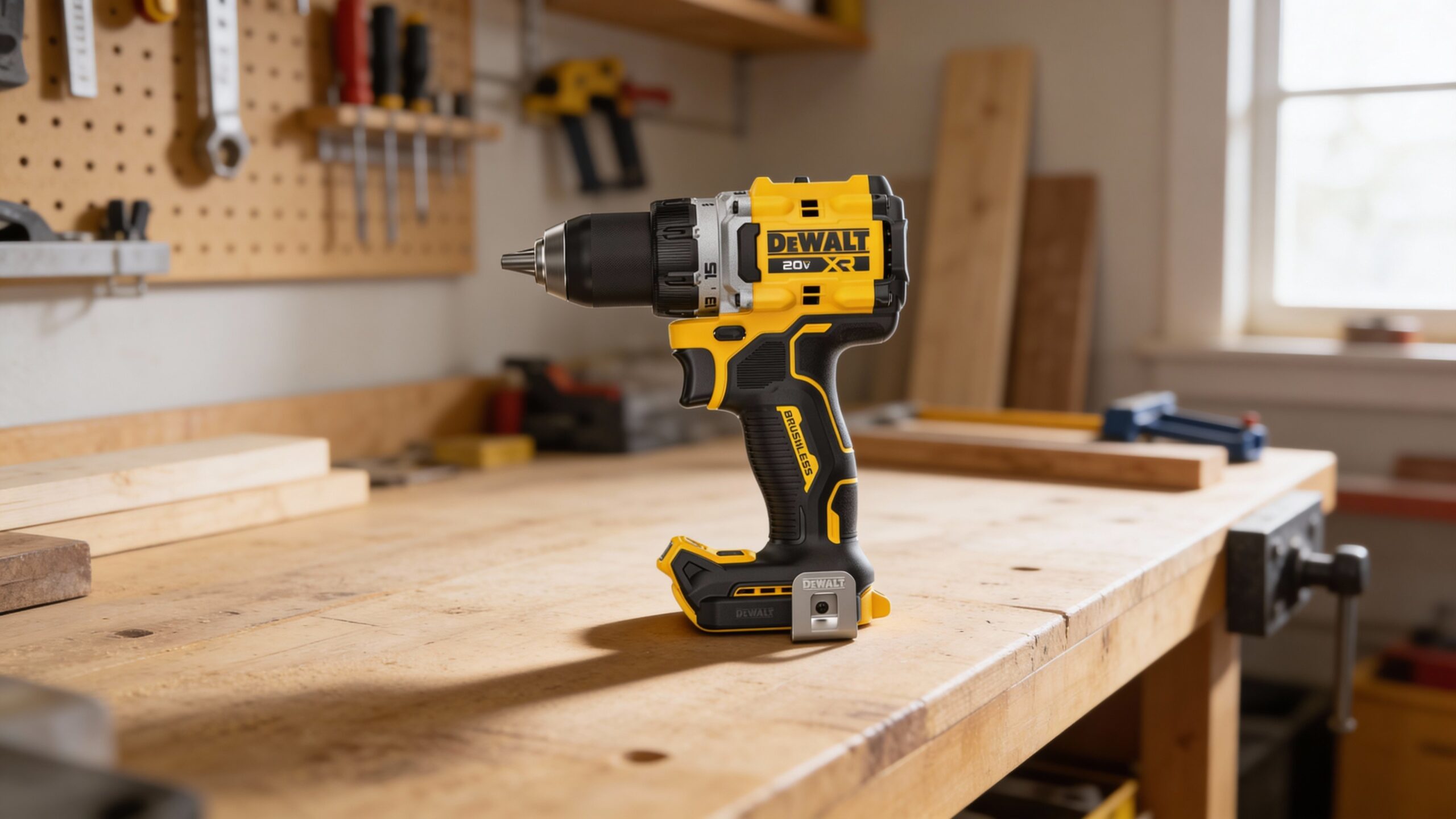
DeWalt 20V Max XR cordless drill/driver

DeWalt 20V Max XR

A jobsite-leaning drill platform that feels confident in common home projects—pilot holes, cabinetry, light framing, and repeatable fastening—while offering a straightforward path to upgrading into pro-grade kits.

Score 8.8 Best for tougher mixed projects Battery 20V MAX Why buy performance + platform
  • Typically feels more composed when drilling larger holes or driving longer fasteners in denser stock
  • Solid balance of speed and control for everyday drilling plus repeatable screw seating
  • Strong long-term upside if you expect to expand beyond a drill into a broader cordless lineup
VS
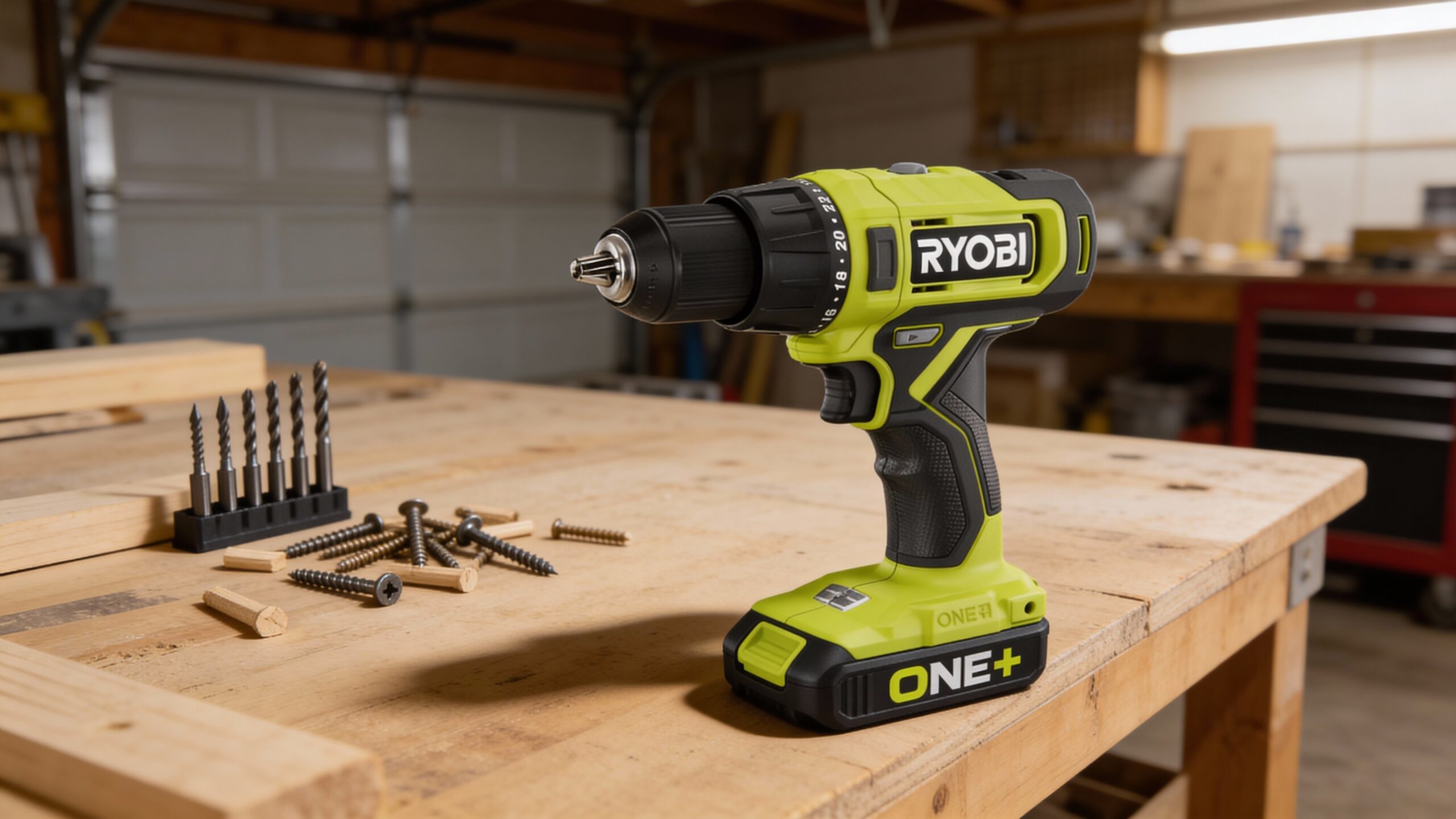
Ryobi ONE+ cordless drill/driver

Ryobi ONE+

A budget-friendly, homeowner-first ecosystem that’s easy to buy into for routine drilling and fastening—great for occasional projects, shared-house tools, and building a versatile kit without overspending.

Score 8.2 Best for value-focused DIY Battery ONE+ 18V Why buy low buy-in + variety
  • Often the easiest way to get a capable starter drill with batteries and charger at a lower total cost
  • Comfortable for light-to-medium tasks like furniture assembly, pilot holes, and household repairs
  • Big ONE+ lineup makes it simple to add useful tools without changing batteries
Power under load
More headroom for tougher holes
Best for routine tasks
DeWalt
Control & clutch consistency
Very good for repeatable seating
Good for typical household use
DeWalt
Ergonomics (feel + fatigue)
Balanced, work-ready feel
Easygoing for casual projects
Ryobi
Value (typical kit pricing)
Competitive, especially in promos
Often the lower total buy-in
Ryobi
Battery ecosystem depth
Large and pro-leaning
Huge DIY-friendly variety
DeWalt
Real-world context
This comparison reflects a synthesis of professional reviews, manufacturer data, long-term user feedback, and use-case patterns to highlight how each drill typically performs in everyday projects.

DeWalt — Why people choose it

  • More confidence in tougher drilling and longer fasteners when projects move beyond “light DIY”
  • Good control for clean starts, straighter holes, and consistent screw depth
  • Strong platform choice if you plan to add higher-demand tools over time

Ryobi — Why people choose it

  • Lower entry cost for a starter kit with batteries and charger, especially for occasional use
  • Comfortable for household projects like furniture assembly, hanging, and basic repairs
  • Wide ONE+ range makes it easy to build a practical DIY set around one battery family
Verdict: Choose DeWalt 20V Max XR if your “first drill” needs to cover tougher, mixed work—light framing, denser materials, and frequent use—while keeping a clear upgrade path into a more pro-leaning platform. Choose Ryobi ONE+ if you want dependable everyday capability for household projects with a lower total buy-in and a large, DIY-friendly tool ecosystem to expand into over time.
Read FAQs

Deep dive

What actually matters in this matchup

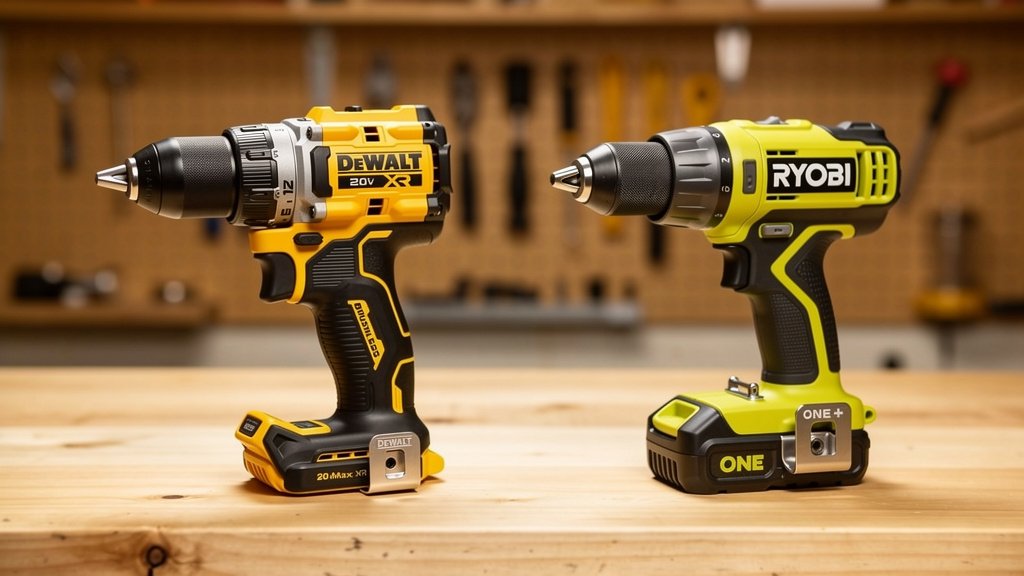
DeWalt 20V Max XR and Ryobi ONE+ can both handle everyday drilling and fastening, but the meaningful differences show up in how confidently each tool pushes through tougher material, how controllable the trigger feels at the start of a screw, and how the system choice affects ownership over time. This section focuses on outcomes—smooth starts, fewer stalls, less hand fatigue, and a more dependable workflow—rather than spec-sheet claims.

Power in real materials: The separation usually appears when projects move past soft pine and short screws. DeWalt tends to feel more composed when the bit starts to bind, the hole size increases, or the fastener length grows—meaning fewer interruptions and less need to “feather” your way through stubborn spots. Ryobi is generally more at home in routine tasks, where the goal is consistent progress without needing the extra margin that shows up in denser stock or repeated heavy work.

Control that prevents mistakes: For first-time drill owners, control often matters more than raw strength. A predictable trigger and a clutch that behaves consistently reduce stripped screw heads, overdriven fasteners, and wandering starts—especially in cabinets, drywall anchors, and hardware installs. DeWalt typically rewards a firmer, more work-focused grip when precision matters. Ryobi usually feels approachable for lighter fastening, where smooth starts and a steady hand are the main priorities.

Ergonomics over a full project: Comfort is what keeps a drill feeling “easy” after an hour of assembly, shelving, or overhead work. Balance with a common battery size, grip shape, and vibration control affect fatigue more than most shoppers expect. Ryobi often fits the casual, stop-and-go project rhythm well, where comfort and simplicity are the point. DeWalt tends to suit longer sessions and more frequent use, where steadiness and a more planted feel can make repetitive tasks less taxing.

Reliability confidence and day-to-day workflow: A drill that feels secure—chuck engagement, steadiness while drilling, and fewer “surprises” under load—can be the difference between a smooth build and constant resets. DeWalt generally signals more confidence when you’re leaning into the work or drilling repeatedly, which matters in framing touch-ups, deck repairs, and harder materials. Ryobi can be the better fit when expectations are realistic: household repairs, light builds, and occasional use where the tool’s simplicity is a feature, not a limitation.

Ownership matters as much as the drill: These platforms aren’t just a single purchase. DeWalt’s ecosystem is often attractive when the plan is to expand into more demanding tools over time or when broader availability is important. Ryobi’s appeal is the low-friction path to building a versatile home kit—useful tools that share batteries, often with a lower overall buy-in. In practice, the “right” choice is the system you’ll actually stick with as your projects grow.

Bottom line for this matchup: DeWalt 20V Max XR generally favors tougher mixed projects and frequent use where extra composure under load and a more work-ready feel reduce slowdowns. Ryobi ONE+ generally favors value-driven ownership and routine household projects where comfort, simplicity, and an easy-to-expand ecosystem are the priority.

Methodology

How we evaluated these cordless drills

DeWalt 20V Max XR and Ryobi ONE+ were evaluated through practical, repeatable tasks designed to surface meaningful differences in everyday use. The focus is on how each drill behaves in common projects—where control, consistency, and reliability matter more than advertised specifications.

Tasks: drilling pilot holes and larger-diameter holes in typical construction lumber, driving a range of common fasteners, repeated start-and-stop cycles, and overhead work to observe balance, control, and fatigue during realistic project flow.

What we scored: how smoothly power is delivered under load, trigger response and clutch predictability, ergonomics during extended use, perceived build confidence, and the practical benefits of each battery ecosystem for long-term ownership.

How results are interpreted: outcomes are assessed using a context-aware approach, recognizing that the importance of power headroom, precision, comfort, and value shifts depending on project type, frequency of use, and expectations over time.

What we ignored: isolated lab-style torque figures, marketing-driven claims, and features that do not consistently translate into noticeable advantages during real-world drilling and fastening.

FAQ

DeWalt 20V Max XR vs Ryobi ONE+: Common questions

Which drill is the better choice for a first-time cordless drill owner?
Both can work well as a first drill, but the better choice depends on expectations. DeWalt generally suits buyers who want extra headroom for tougher projects, while Ryobi often fits those prioritizing ease of entry and everyday household use.
Will I notice a difference in power during normal home projects?
In light tasks like furniture assembly or basic repairs, the difference is usually subtle. The gap becomes more noticeable when drilling larger holes or driving longer fasteners, where DeWalt tends to feel more composed under load.
Which drill is easier to control for beginners?
Ryobi ONE+ is often perceived as more forgiving for new users, especially for lighter fastening and start-stop tasks. DeWalt rewards a steadier hand when precision matters, but may feel firmer and more work-focused overall.
How important is the battery ecosystem in this decision?
Battery compatibility matters more over time than on day one. Ryobi appeals to buyers who want to build a broad set of home and yard tools on one affordable platform, while DeWalt suits those planning to expand into more demanding cordless tools.
Is one better for longer projects or repeated use?
For extended sessions or frequent use, DeWalt generally feels more stable and confidence-inspiring. Ryobi remains comfortable for shorter, intermittent projects where convenience and lower fatigue expectations are the priority.
Can either drill handle occasional heavier tasks?
Both can manage heavier tasks on occasion, but expectations should be realistic. DeWalt tends to handle these situations with less slowdown, while Ryobi is better viewed as capable within limits rather than a frequent heavy-use tool.

Key Takeaways

  • DeWalt 20V Max XR favors projects that occasionally push beyond light DIY, offering more confidence under load when materials get denser or fasteners get longer.
  • Ryobi ONE+ prioritizes approachability and value, making it easier to get started and build a broad home tool kit without a high upfront commitment.
  • The difference between these drills is felt more in consistency and control during tougher moments than in everyday, light-duty tasks.
  • Comfort and balance shape the experience over longer sessions, with Ryobi fitting intermittent projects well and DeWalt feeling steadier during extended use.
  • Battery platform choice often matters more over time than the drill itself, influencing future tool options, cost, and convenience.
  • For most first-time buyers, matching the drill to realistic project demands and ownership plans delivers better satisfaction than chasing maximum performance.

Verdict

The Best Cordless Drill for Most First-Time Buyers

In this head-to-head, the deciding factors are how confidently the drill handles tougher moments, how comfortable it remains over longer sessions, and how well the battery platform supports future needs beyond the first purchase.

Recommended Pick

DeWalt 20V Max XR Drill/Driver

A stronger choice when projects occasionally demand more consistency under load and when long-term platform flexibility is part of the plan.

  • Feels more composed during heavier drilling and longer fasteners
  • Maintains predictable control across a wider range of tasks
  • Offers a clear upgrade path as project demands increase

Also consider

Jump to the Head-to-Head

Tip: Existing batteries or plans to expand into a specific tool ecosystem can outweigh small performance differences between drills.

Where to Buy

We prioritize reputable sellers, easy returns, and reliable availability.

Price checks happen regularly. Some links may earn a commission—never affects rankings.

Accessories You’ll Want

  • Quality drill/driver bit set (Phillips, Torx, square, plus spares of your most-used sizes)
  • Brad-point and spade bit assortment (cleaner starts in wood and the common sizes used for framing, shelving, and hardware)
  • Extra battery pack (one compact for balance + one higher-capacity for longer sessions)
  • Magnetic bit holder or bit sleeve (speeds up repetitive driving and helps reduce dropped screws)
  • Right-angle attachment (helps in cabinets, between studs, and other tight spaces where a standard drill won’t fit)

Tip: When buying extras, match batteries and chargers to the same platform—sticking with one ecosystem usually delivers the best long-term convenience and cost.