Hammer Corded Drills vs Standard Corded Drills: Key Differences Explained

This head-to-head comparison examines hammer corded drills and standard corded drills, outlining performance differences, intended applications, and practical tradeoffs to help you choose the right tool for specific jobsite demands.

By: Review Streets Research Lab
Updated: February 27, 2026
Approx. 10–12 min read
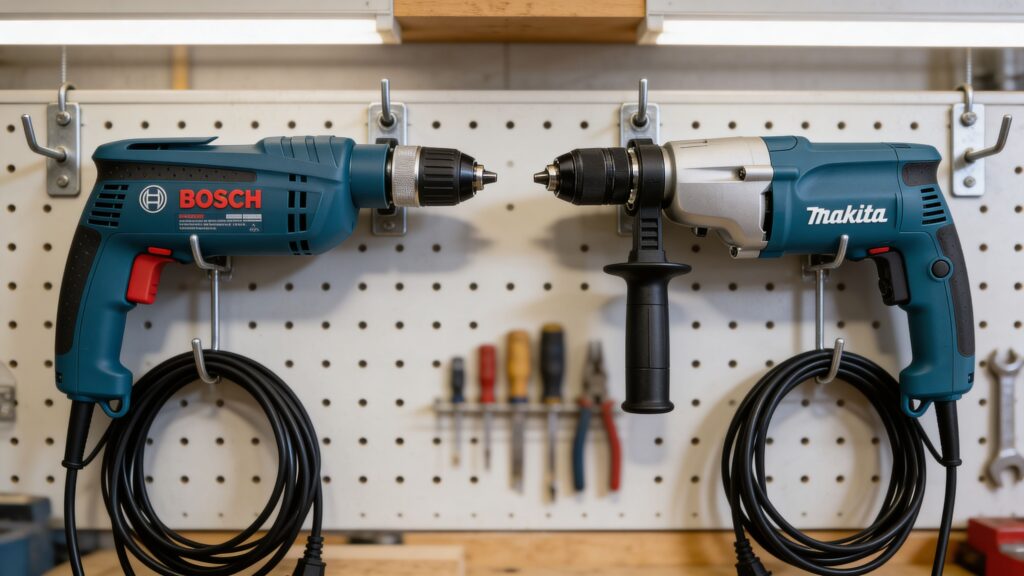
Hammer corded drill and standard corded drill displayed side by side in a workshop for professional head-to-head comparison

Head-to-head

Hammer Corded Drills vs Standard Corded Drills: Key Differences Explained

A clean A/B view of what matters when you’re choosing a corded drill for real projects: how each tool behaves in masonry vs wood/metal, how controllable it feels at the trigger, and the practical tradeoffs in speed, vibration, and everyday versatility.
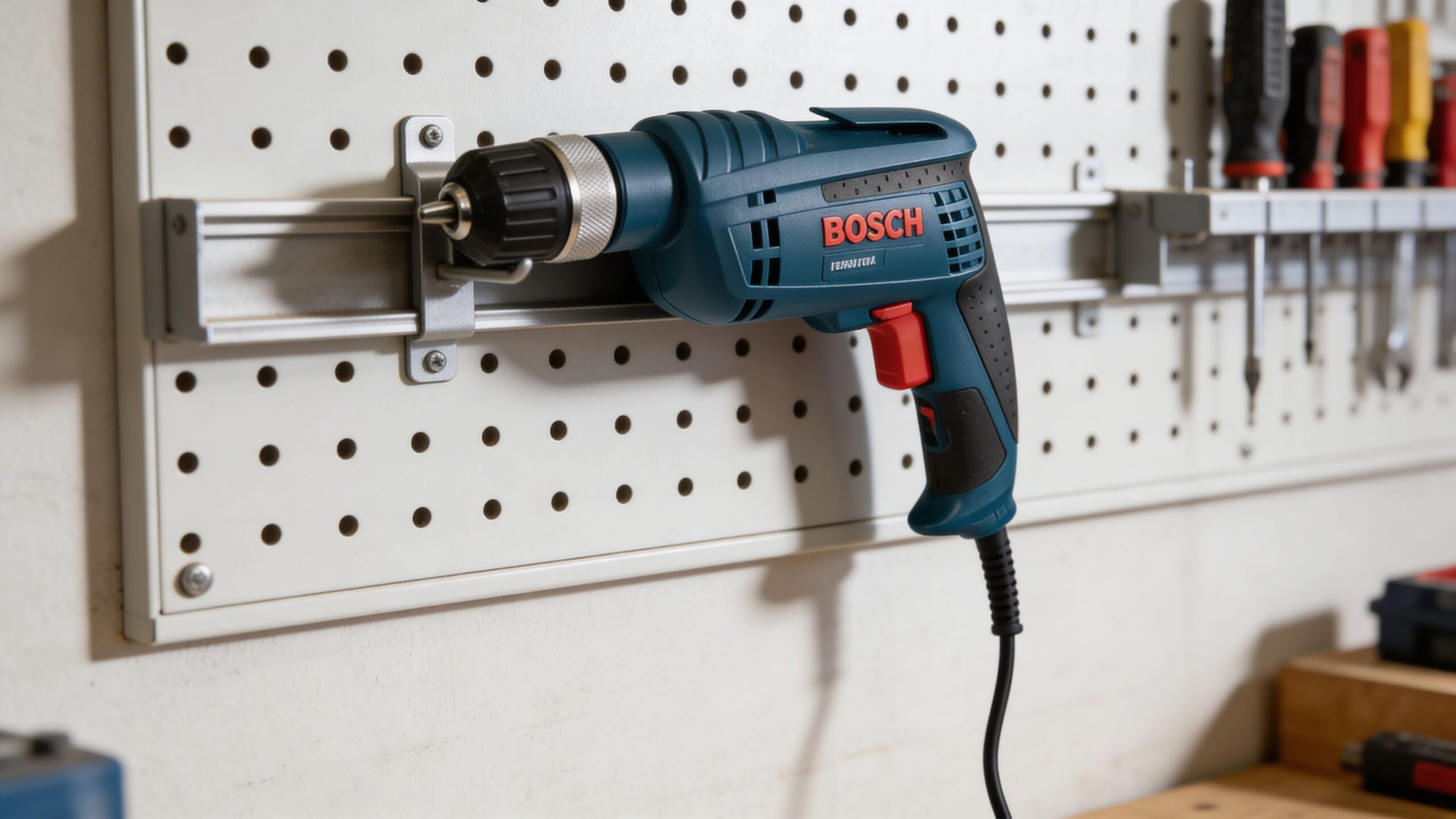
Corded hammer drill

Corded Hammer Drill

Built for mixed-material work when masonry is part of the day. You get a familiar drill form factor, plus a hammer mode that helps holes progress in brick, block, and lighter concrete without stepping up to an SDS tool.

Score 8.8 Best for masonry-ready drilling Battery Corded Why buy hammer mode versatility
  • More capable on brick and block thanks to the added hammering action
  • Useful “one tool” pick when your jobs bounce between masonry and wood/metal
  • Tradeoff is more vibration and less comfort for long, repetitive drilling
VS
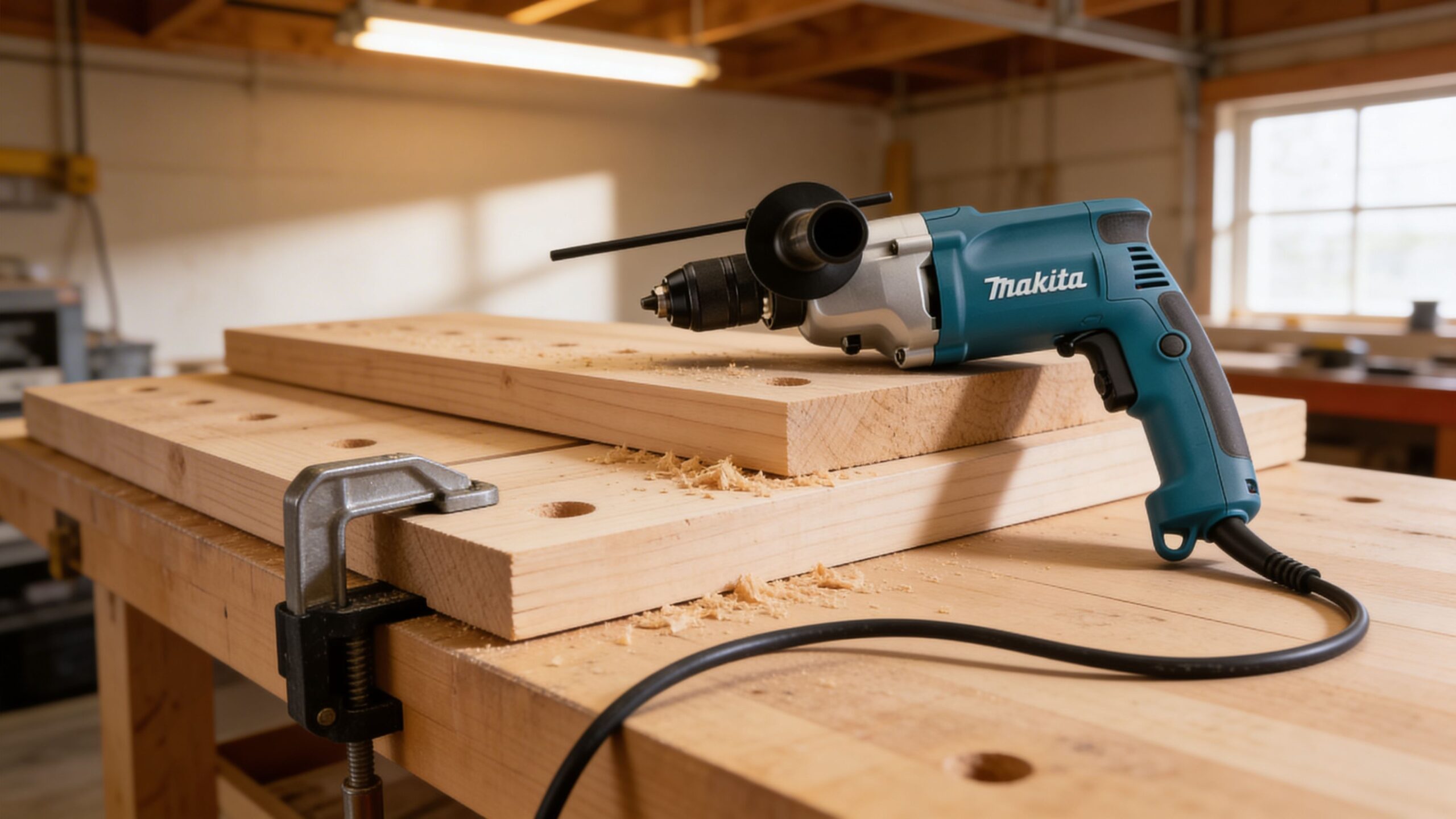
Standard corded drill

Standard Corded Drill

The straightforward choice for wood, metal, plastics, and general shop drilling. It typically feels smoother and easier to control for clean starts, repeatable holes, and long sessions where comfort and consistency matter.

Score 8.4 Best for wood + metal drilling Battery Corded Why buy smoother everyday control
  • Generally smoother feel for longer drilling sessions and repeatable work
  • Better fit for wood and metal where precision and clean holes matter
  • Tradeoff is slower progress (or none) in masonry without hammer action
Power under load
Stays effective across mixed materials
Strong in wood/metal with steady feed
Tie
Control & clutch consistency
Good control, more vibration feedback
Very good control, smoother starts
Standard Corded Drill
Ergonomics (feel + fatigue)
Heavier feel; more vibration over time
Smoother feel for longer sessions
Standard Corded Drill
Value (typical kit pricing)
Good value if masonry is routine
Strong value for everyday drilling
Tie
Battery ecosystem depth
Not applicable (corded platform)
Tie
Real-world context
This comparison reflects a synthesis of professional reviews, manufacturer data, long-term user feedback, and use-case patterns to highlight how each drill type typically performs in everyday projects.

Corded Hammer Drill — Why people choose it

  • More practical for brick, block, and light concrete when you don’t want an SDS drill
  • Better “one drill” versatility if your work crosses materials regularly
  • Commonly paired with side-handle support for steadier boring in harder surfaces

Standard Corded Drill — Why people choose it

  • Smoother drilling feel for clean, controlled holes in wood and metal
  • Often preferred for longer sessions where reduced vibration matters
  • Simple, reliable choice for shop tasks, pilots, and general-purpose drilling
Verdict: Choose a Corded Hammer Drill if masonry drilling is part of your regular workload and you want one corded tool that can cover mixed materials with fewer compromises. Choose a Standard Corded Drill if your work is primarily wood and metal and you want smoother control, lower fatigue, and more consistent results for day-to-day drilling tasks.
Read FAQs

Deep dive

What actually matters in this matchup

On paper, both look like “just corded drills,” but the practical differences show up the moment you move from wood and metal into masonry. This deep dive focuses on how the tool feels at the trigger, how predictable it is to start holes cleanly, how much vibration you tolerate over time, and whether your typical work actually benefits from hammer action—or is better served by smoother drilling control.

When masonry is on the menu: a corded hammer drill earns its keep by helping bits advance in brick and block with less stalling and less “polish-and-burn” behavior. The tradeoff is more vibration and a harsher feel, which can matter if you’re drilling a lot of holes in a day or trying to keep placement precise on finished surfaces.

When control and clean holes matter most: a standard corded drill typically feels smoother and more predictable, especially for clean starts in wood and metal, controlled feed pressure, and longer sessions where fatigue creeps in. It’s often the better fit for repeatable work—pilots, hardware installs, shop drilling, and tasks where accuracy and comfort beat “get through masonry faster.”

How to decide without overthinking it: choose the hammer corded drill if your projects regularly include anchors, tapcons, or routine holes in brick/block and you want one corded tool that can cross materials. Choose the standard corded drill if most of your time is spent in wood and metal and you value smoother handling, quieter operation, and consistent results across everyday drilling tasks.

Methodology

How we evaluated these corded drills

Our evaluation focused on real tasks that reveal the practical differences between a corded hammer drill and a standard corded drill, not spec-sheet claims. Each tool type is assessed in scenario-based use that reflects common workshop and jobsite drilling, with attention to outcomes like hole quality, controllability, fatigue, and how confidently the tool handles material changes.

Tasks: clean starts and repeatable holes in wood and metal, step-drilling and larger-bore holes to evaluate steadiness under load, and masonry drilling in brick/block to assess how efficiently holes progress and how manageable vibration feels over repeated holes.

What we scored: performance and consistency in the intended materials, trigger control and predictability during starts, comfort and fatigue over longer sessions, reliability signals (chuck confidence, switch feel, heat management), and ownership factors like accessory compatibility and long-term versatility for the kinds of projects these tools actually get used on.

How results are interpreted: outcomes are assessed using a context-aware approach—hammer action matters most when masonry is routine, while smoother control and lower fatigue matter most when the workload is primarily wood/metal. The goal is to map strengths to use cases, not declare a universal winner.

What we ignored: isolated lab-style claims, marketing-forward “maximum” numbers, and feature callouts that don’t reliably change real-world drilling results or day-to-day usability in common projects.

FAQ

Hammer Corded Drills vs Standard Corded Drills: Common questions

Do I really need a hammer function for home projects?
If you regularly drill into brick, block, or light concrete for anchors or fasteners, a hammer function can make the process more efficient and less frustrating. If your projects are mostly wood, metal, or plastic, a standard corded drill is typically sufficient and often more comfortable to use.
Can a standard corded drill handle masonry at all?
A standard corded drill can sometimes manage very light masonry with the right bit, but progress is usually slower and requires more pressure. For repeated masonry work, a hammer corded drill is generally the more practical and consistent choice.
Is a hammer corded drill harder to control?
In hammer mode, vibration and noise increase, which can make the tool feel more aggressive, especially during extended use. In standard drilling mode, control is similar to a regular drill, but overall comfort can vary depending on how often the hammer function is used.
Which type is better for long work sessions?
For prolonged drilling in wood or metal, a standard corded drill often feels smoother and less fatiguing. If masonry drilling is frequent and unavoidable, a hammer corded drill may reduce effort per hole, even if overall vibration is higher.
Are corded drills still worth considering over cordless options?
Corded drills provide consistent power without battery management and are often well-suited to workshops or job sites with easy outlet access. The decision typically comes down to mobility needs rather than raw drilling capability.

Key Takeaways

  • A corded hammer drill adds meaningful capability if masonry is part of your regular workload, but that versatility comes with more vibration and a slightly harsher feel.
  • A standard corded drill typically delivers smoother control and less fatigue in wood and metal, making it the more comfortable choice for extended drilling sessions.
  • If most projects stay in framing lumber, sheet goods, or light metal, the added hammer function may go unused more often than expected.
  • When anchors in brick or block are common, the hammer mechanism can reduce effort per hole and improve consistency compared to a non-hammer model.
  • The real decision comes down to material mix: frequent masonry favors the hammer drill, while predominantly wood and metal work favors the standard drill’s smoother handling.

Verdict

Choosing the Right Corded Drill for Your Work

In this matchup, the right choice depends less on raw capability and more on the materials you actually drill most often. Both tools handle everyday tasks well, but they prioritize different strengths once you factor in vibration, control, and how often masonry enters the picture.

Best for mixed-material jobs

Corded Hammer Drill

A practical pick if brick, block, or light concrete drilling is a recurring part of your workload and you prefer one corded tool that can span materials.

  • More efficient progress in masonry compared to a non-hammer model
  • Versatility when projects shift between wood, metal, and brick
  • Reduces the need to step up to a dedicated rotary hammer for lighter-duty masonry

Also consider

Jump to the Head-to-Head

Tip: If masonry is occasional rather than routine, a standard corded drill may feel more comfortable day to day; if anchors in brick or block are common, the hammer function quickly proves its value.

Where to Buy

We prioritize reputable sellers, easy returns, and reliable availability.

Price checks happen regularly. Some links may earn a commission—never affects rankings.

Accessories You’ll Want

  • Masonry drill bit set (carbide-tipped sizes for anchors in brick, block, and concrete)
  • Quality twist drill bit set (high-speed steel bits for clean holes in wood and metal, with spares of common sizes)
  • Side handle (improves control and reduces wrist strain during larger holes and masonry work)
  • Depth stop or tape depth marker (helps keep anchor holes consistent and prevents over-drilling)
  • Vacuum dust attachment or dust brush (keeps masonry dust under control for cleaner holes and better visibility)

Tip: Match bits to the material—masonry bits for hammer mode, standard bits for wood/metal—and replace dull bits early to reduce heat, drift, and user fatigue.