
Hammer Drills Buying Guide for Remodeling Projects
Hammer drills occupy a distinct role in remodeling projects, bridging the gap between standard drilling tasks and heavy masonry work. They are used for installing anchors in concrete, fastening framing into brick, running mechanical lines through block walls, and other structural modifications. Choosing the right model is more complex than it appears, as performance depends on impact mechanism design, power source, torque delivery, ergonomics, and compatibility with various bit systems and materials.
This buying guide clarifies the technical factors that influence performance and durability in renovation settings. It explains key terminology, outlines tradeoffs between size and power, and distinguishes features that matter for intermittent upgrades versus sustained construction phases. By the end, readers will understand how to evaluate capacity, control, and long-term reliability in a remodeling context.
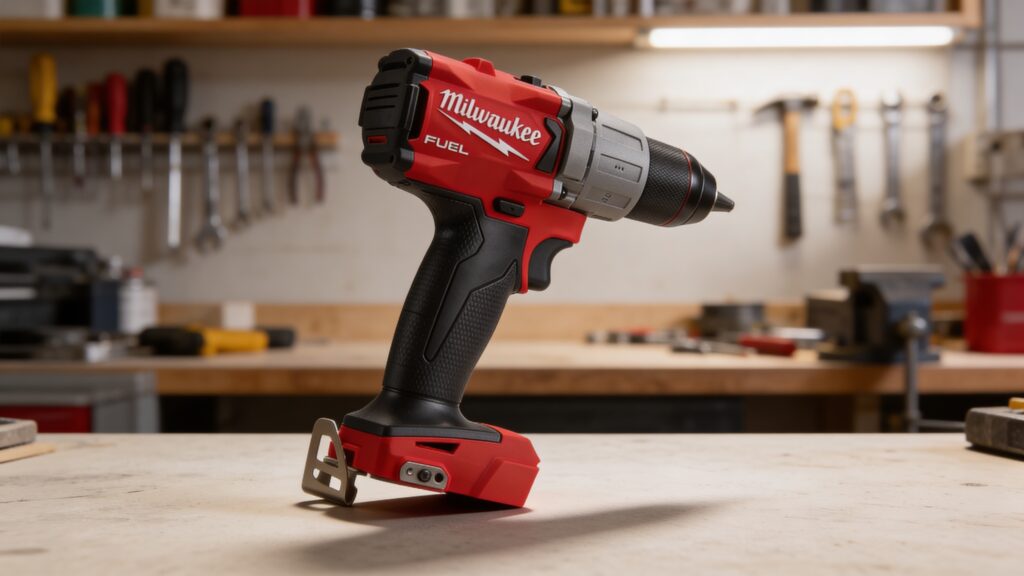
Buying framework
How to think about buying a hammer drill
Hammer drills cover a wide spread of remodeling work, from light-duty anchor holes to frequent drilling in concrete, brick, and block. Choosing correctly is often less about raw power and more about how the tool delivers impact, manages heat, and stays controllable in awkward positions. Use this framework to decide what matters for your projects before comparing brands or models.
Impact delivery beats headline power: Prioritize a hammer mechanism that stays consistent under load so holes progress steadily without excessive vibration or stalling in dense masonry.
Control is the real safety margin: Variable speed, a stable side handle, and predictable torque response help you keep the bit aligned, reduce walking, and avoid sudden bind-ups when the bit catches.
Match capacity to material and frequency: Occasional holes for fasteners call for a lighter setup, while repeated drilling in concrete benefits from higher sustained speed, better cooling, and tougher components.
Think through power and runtime: Corded tools offer consistent output, while cordless tools trade weight and battery management for mobility. Plan around typical hole sizes, session length, and access to charging.
Durability is a system choice: Metal gear trains, dust management, and a secure chuck matter because remodeling exposes tools to grit, heat, and mixed materials that accelerate wear and loosen fasteners over time.
Who this is for
Pick the drill that matches how you actually work
The right hammer drill depends on the scope of your remodeling work, how often you drill into masonry, and whether jobs happen in open rooms or tight structural spaces. Use these profiles to align size, power source, and durability with the way your projects actually unfold.
Occasional home updates: drilling a handful of anchor holes for shelving, wall mounts, or light fixture installs in concrete or brick. Prioritize manageable weight, steady trigger control, and straightforward hammer engagement. What matters most is predictable performance without excessive bulk.
Room-by-room remodelers: frequent drilling for framing anchors, ledger boards, and utility runs in mixed materials. Prioritize sustained speed under load, effective vibration control, and dependable runtime. What matters most is consistency across repeated tasks.
Tight interior renovations: working inside cabinets, between studs, or along ceilings where positioning is awkward. Prioritize compact dimensions, balanced ergonomics, and a stable side handle for control. What matters most is maneuverability without sacrificing drilling accuracy.
Structural modification projects: enlarging openings, setting multiple anchors, or drilling into dense concrete regularly. Prioritize robust gearing, heat management, and secure chuck retention. What matters most is durability during sustained, higher-demand use.
Mixed-material households: alternating between wood framing, metal brackets, and occasional masonry drilling. Prioritize mode switching clarity, balanced torque delivery, and adaptable power options. What matters most is versatility that handles varied tasks without constant adjustment.
What to pay attention to
Which hammer drill specs actually matter
Spec sheets can make hammer drills look dramatically different, but many numbers are measured in ideal conditions that don’t reflect remodeling realities. These are the specifications that influence real-world control and drilling performance — and the ones that rarely change how the tool behaves in concrete or brick.
Specs that affect feel
Vibration control, handle stability, trigger modulation, and overall balance determine how composed the drill feels under impact.
Specs that affect capability
Impact rate, sustained speed under load, chuck design, and power source determine how efficiently it drills masonry.
Impact mechanism behavior: Consistent hammering under pressure matters more than peak impact numbers, especially when drilling repeated anchor holes in dense concrete.
Weight and vibration: Heavier drills may feel steadier, but excess vibration increases fatigue. Balance and effective dampening shape how manageable the tool feels over a full work session.
Side handle stability: A secure, adjustable side handle improves control and reduces wrist strain, particularly when the bit binds or encounters aggregate in masonry.
Drilling capacity ratings: Maximum hole diameter in concrete or masonry signals intended workload. Exceeding that range regularly leads to slower progress and added wear.
Battery capacity and power source: Higher amp-hour ratings extend runtime but increase weight, while corded tools offer steady output at the cost of mobility.
Often overhyped: single peak torque figures, marketing voltage labels, and headline impact counts that don’t reflect sustained drilling performance in real materials.
Avoid these traps
Common mistakes people make when buying a hammer drill
Most dissatisfaction with a hammer drill comes from misjudging the type of remodeling work it will actually handle. These are the most common mistakes we see—and how to avoid them before committing to a tool.
Focusing on impact numbers alone: High blows-per-minute figures suggest speed, but they do not guarantee steady progress in dense concrete. Consistency under load and control during drilling shape the experience more than headline metrics.
Choosing maximum capacity for occasional tasks: Selecting a drill rated for large-diameter holes can add weight and bulk that hinder everyday use. Matching capacity to typical hole sizes results in better balance and less fatigue over time.
Overlooking vibration management: Repeated masonry drilling amplifies small comfort differences. Ignoring handle stability and dampening often leads to quicker fatigue and less precise hole placement.
Assuming cordless and corded behave the same: Mobility and steady output involve tradeoffs. Considering runtime, charging access, and sustained performance helps prevent frustration mid-project.
Using a hammer drill for every material: Engaging hammer mode in wood or metal increases wear and reduces control. Thinking in terms of material-appropriate modes preserves both accuracy and tool longevity.
Ignoring long-term durability factors: Remodeling environments introduce dust, heat, and repeated stress. Evaluating build quality and heat management matters more than small differences in advertised specifications.
Decision guidance
Which type of hammer drill is right for you
The right hammer drill depends more on your remodeling workload and environment than on headline specifications. Use this to match tool size, power source, and durability to the work you perform most often.
Choose a compact hammer drill if: your projects involve occasional anchor holes in brick or light concrete and frequent work in finished interiors. A lighter, shorter tool improves control in cabinets, along ceilings, and in tight framing bays, where maneuverability matters more than maximum capacity.
Choose a higher-capacity hammer drill if: you regularly drill medium to large diameter holes in concrete or set multiple anchors in one session. Tools designed for sustained impact and better heat management maintain progress under load, though they add weight and bulk.
If mobility shapes your workflow: cordless models support ladder work and room-to-room movement, but require planning around runtime and charging. If your work stays near outlets and involves long drilling sessions, steady corded output can reduce interruptions.
Match the tool to your 80% tasks: most remodeling drilling falls within moderate hole sizes and intermittent use. Select the configuration that feels balanced and controlled for those routine jobs, and scale up only if heavy masonry drilling is truly frequent.
When a hammer drill isn’t the right tool: for large-diameter holes in solid concrete or repeated demolition-style drilling, a dedicated rotary hammer may be more appropriate. Using the correct category prevents unnecessary strain on both the tool and the user.
Ownership & compatibility
What you’re really buying into long term
A hammer drill—especially a cordless one—is part of a broader system that shapes how you work over time. Long-term value comes from battery lifecycle, parts availability, service access, and how smoothly the tool fits into evolving remodeling needs.
Battery ecosystem and lifecycle: Different battery sizes affect weight, runtime, and balance during masonry drilling. Over time, replacement costs and availability matter, particularly if you rely on larger packs for sustained work.
Charger access and workflow friction: Consider how and where batteries will be charged between tasks. Limited charger capacity or long recharge cycles can slow remodeling timelines more than small differences in drilling speed.
Compatibility with accessories: Chuck design, bit retention, and support for common masonry and anchor bits influence day-to-day efficiency. Easy access to replacement chucks, side handles, and wear components simplifies long-term upkeep.
Serviceability and parts support: Remodeling environments introduce dust and vibration that accelerate wear. Availability of switches, gear components, and authorized service centers determines whether a tool can be maintained rather than replaced.
Total ownership costs over time: Initial kits may include batteries and chargers, while tool-only options suit established systems. Across years of use, battery replacements and routine maintenance typically shape overall cost more than small differences at purchase.
FAQ
Hammer drill buying guide FAQ
Quick answers to the questions people ask most when choosing a hammer drill—focused on remodeling realities, not spec-sheet claims.
Do I really need hammer mode for remodeling?
What’s the difference between a hammer drill and a rotary hammer?
How much drilling capacity do I actually need?
Is cordless powerful enough for concrete?
What role does vibration control play?
Can I use the same bits as a standard drill?
Does higher impact rate mean faster drilling?
What features matter most in tight remodeling spaces?
How long should a hammer drill last?
Bottom line
The simplest way to pick the right hammer drill
Most hammer drills can handle occasional masonry work. The right one is the tool sized for your typical remodeling tasks, not the rare extreme job you might encounter once.
If your masonry work is occasional: choose a lighter, more compact hammer drill that stays balanced and controllable in finished interiors and tight framing.
If you drill concrete regularly: move toward a higher-capacity tool built for sustained impact and better heat management, accepting the added size and weight.
If mobility shapes your projects: cordless flexibility can outweigh steady corded output, but only if you plan realistically for battery size and charging workflow.
If day-to-day comfort matters most: prioritize vibration control, side-handle stability, and balance with the battery you will actually use.
Final check: match the drill to your 80% tasks, confirm it fits your battery ecosystem, and avoid sizing up for rare scenarios that don’t define your remodeling work.
Reading Shortcuts
Jump to the sections that matter most for choosing the right hammer drill.
Decision Reminders
A quick checklist before you commit to a hammer drill + battery platform.
- Prioritize steady impact over headline numbers: consistent drilling progress in concrete matters more than peak blows-per-minute claims.
- Match capacity to your typical hole size: oversizing for rare large anchors adds weight and fatigue to everyday remodeling tasks.
- Balance affects control: the battery you actually use can change how stable the drill feels in tight spaces or overhead.
- Consider your power setup: cordless adds mobility but requires runtime planning, while corded offers steady output with less flexibility.
- Protect long-term durability: dust, vibration, and heat are part of remodeling, so build quality and service support shape ownership satisfaction.
- Ignore marketing voltage labels: real-world control, vibration management, and sustained performance define the experience more than branding terms.
Glossary Snippets
Quick translations for the terms that confuse buyers most.
When to Use a Top 10 Review
If you want the fastest shortlist, this is the format that gets you to a confident pick.
- You’re narrowing the field quickly: A ranked overview helps you see which hammer drills stand out for different remodeling workloads.
- You want structured “best for” categories: Formats like Best Overall or Best for Heavy Concrete clarify typical use cases at a glance.
- You’re comparing capability tiers: Side-by-side summaries make it easier to separate compact, mid-capacity, and higher-demand options.
- You’re exploring battery platforms: A Top 10 view highlights ecosystem depth and long-term ownership considerations.
Already down to 2–3 models? A Comparison is usually faster than reading full reviews.
When to Use a Comparison
Best when you’re choosing between specific models and want the clearest tradeoffs.
- You’re down to 2–3 hammer drills: a side-by-side view highlights real differences in size, weight, and drilling capacity.
- You’re weighing comfort vs. capability: head-to-head layouts make vibration control, balance, and sustained output easier to judge.
- You want clarity by category: comparisons often call out a winner for control, runtime, or durability without reading multiple full reviews.
- You need a final tie-breaker: this format speeds up decisions once your shortlist already fits your remodeling workload.
Still exploring? Start with a Top 10 to identify the right hammer drill type before narrowing it down.