
Hammer Drills Buying Guide for Small Contractors
Hammer drills occupy a specialized category within power tools, combining rotational drilling with percussive force to penetrate masonry, concrete, and other dense materials. For small contractors, these tools must bridge diverse jobsite demands, from anchor installation and light demolition to routine fastening in mixed substrates. Selecting appropriately involves more than matching voltage or size. Considerations such as impact mechanism design, energy output, ergonomics, duty cycle, and material compatibility all influence long-term performance and reliability.
This buying guide clarifies the core specifications, mechanical differences, and practical tradeoffs that shape real-world use. It explains how impact energy, blow rate, chuck type, vibration control, and power source affect productivity and tool longevity. By the end, readers will understand the terminology, performance indicators, and decision criteria necessary to evaluate hammer drills with confidence and precision.
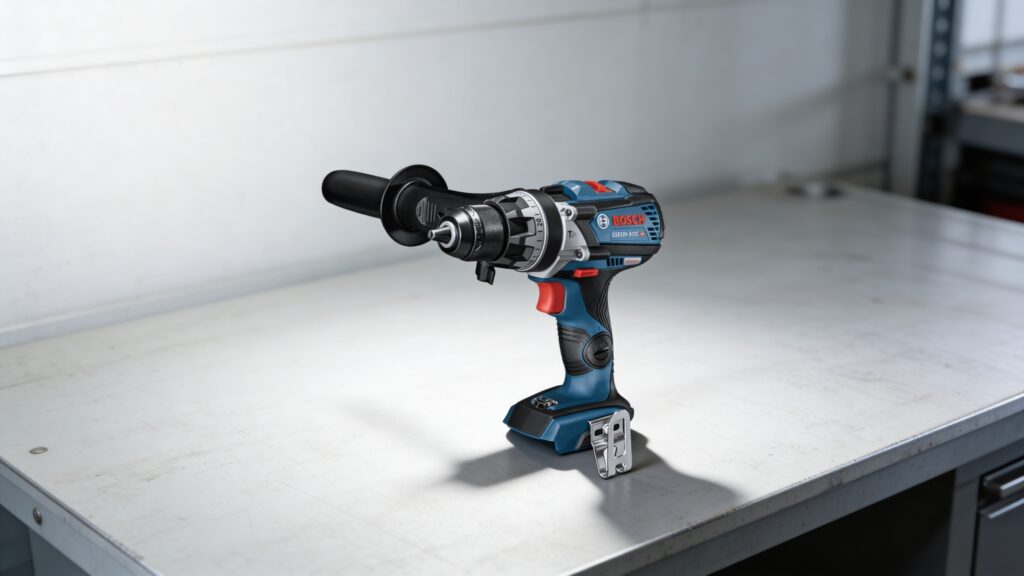
Buying framework
How to think about buying a hammer drill
Hammer drills can look interchangeable on paper, but day-to-day results depend on how impact action, torque, and handling come together in the materials you actually drill. For small contractors, the right fit must cover occasional masonry holes as well as routine drilling and fastening, without turning fatigue, vibration, or heat into the limiting factor. Use this framework to define your priorities before narrowing the field.
Prioritize the materials you hit most: Small, frequent anchor holes in masonry reward fast starts and consistent impact action, while mixed-substrate work demands stable drilling control when hammer mode is off.
Impact performance is not just speed: Look for a hammer action that stays steady under load. If progress stalls in dense concrete, you lose accuracy, overheat bits, and spend more time correcting the hole.
Match size and weight to your day: Compact bodies reduce strain in overhead and ladder work. Larger tools offer more headroom for sustained masonry drilling, larger bits, and longer duty cycles.
Choose the system around the drill: Battery format, charger logistics, and tool interchangeability affect how smoothly you rotate tools across tasks. Standardizing reduces downtime when multiple jobs run at once.
Control and comfort protect accuracy: Trigger modulation, grip shape, and vibration management matter most when you’re placing holes precisely and repeating the task all day without fatigue affecting results.
Who this is for
Pick the drill that matches how you actually work
The right hammer drill depends on the scope of your projects, how often you drill into masonry, and the environments you work in. Use these profiles to align capability, size, and durability with real jobsite demands—without carrying more tool than your workflow requires.
Remodeling contractors (mixed materials): move between wood framing, light masonry, and fastening throughout the day. Prioritize reliable mode switching, balanced weight, and controlled low-speed drilling—what matters most is versatility without sacrificing accuracy.
Concrete & anchor installers: drill frequent holes in block and poured concrete, often overhead or at ladder height. Prioritize consistent impact action, vibration management, and sustained runtime—what matters most is steady progress without excessive fatigue.
Service technicians (electrical, plumbing, HVAC): work in finished spaces, mechanical rooms, and tight framing. Prioritize compact dimensions, clear sightlines, and predictable trigger control—what matters most is precision in confined environments.
Light commercial crews: handle repeated drilling across multiple units or job sites in a single week. Prioritize durability, heat management, and battery standardization— what matters most is minimizing downtime during sustained use.
Small general contractors (one primary drill): rely on a single tool for diverse tasks, from anchor setting to routine driving. Prioritize balanced performance, manageable weight, and system compatibility—what matters most is dependable coverage across jobs.
What to pay attention to
Which hammer drill specs actually matter
Spec sheets can make hammer drills appear dramatically different, but many figures are presented without context. The specifications that shape daily performance are the ones that influence control, sustained impact behavior, and fatigue over time — not just headline numbers printed on the box.
Specs that affect feel
Trigger response, vibration control, grip shape, and balance determine how stable and accurate the drill feels in use.
Specs that affect capability
Impact energy, blow rate, motor output, and battery format determine how effectively the tool handles masonry and sustained work.
Impact energy and blow rate: These numbers influence how efficiently the drill penetrates concrete, but consistency under load matters more than a high advertised peak.
Weight and vibration: Heavier tools can feel more stable, yet increased mass and vibration transfer contribute to fatigue during overhead or repetitive drilling.
Mode switching and clutch behavior: Clear transitions between drilling and hammer modes, along with predictable clutch engagement, improve accuracy in mixed-material work.
Head length and overall size: Compact bodies improve access between studs and in service spaces, which can matter more than raw power on many job sites.
Battery capacity and format: Larger packs extend runtime but change balance and handling. For intermittent masonry tasks, manageable weight often improves real productivity.
Often overhyped: peak torque claims, marketing voltage labels, and isolated performance figures that don’t reflect how the drill behaves during sustained, real-world use.
Avoid these traps
Common mistakes people make when buying a cordless drill
Most dissatisfaction with a hammer drill comes from mismatching capability to actual jobsite demands. These are the most common misunderstandings small contractors encounter—and how to avoid them before committing to a platform.
Focusing only on peak impact numbers: High impact energy or blow rate figures can look decisive, but they don’t guarantee steady progress in dense concrete. Consistency under load and manageable vibration often determine real productivity.
Choosing maximum size for occasional heavy tasks: Larger hammer drills add weight and bulk that show up during overhead anchoring and routine drilling. Selecting for rare extreme use can reduce comfort on everyday work.
Ignoring vibration and ergonomics: Repeated masonry drilling transfers shock through the handle. Over time, poor vibration control leads to fatigue and reduced accuracy, even if the drill appears powerful on paper.
Assuming hammer mode performance defines the whole tool: Many small contractors switch between wood, metal, and masonry in a single day. A drill that performs well only in hammer mode may feel less refined in standard drilling tasks.
Overlooking battery format and balance: Larger batteries extend runtime but change handling and center of gravity. For intermittent masonry work, overall balance can matter more than maximum run time.
Neglecting long-term system planning: A hammer drill often anchors a broader cordless setup. Compatibility, charger logistics, and shared batteries influence workflow more than small differences in headline specifications.
Decision guidance
Which type of cordless drill is right for you
The right hammer drill depends more on your daily workload than on peak specifications. Use this to choose the configuration that aligns with how often you drill masonry, how long you work at a stretch, and how much maneuverability your environment requires.
Choose a compact hammer drill if: masonry holes are occasional and much of your week involves wood or light fastening. Compact bodies reduce fatigue in overhead or ladder work and fit more easily between studs or inside finished spaces.
Choose a full-size hammer drill if: you routinely set anchors in concrete or drill larger-diameter holes where sustained impact output matters. Larger tools handle repeated load better, but they add weight and bulk that you will notice in tighter environments.
Standard battery vs larger capacity packs: if your masonry tasks are intermittent, standard-capacity batteries keep the tool lighter and better balanced. If you drill concrete for extended sessions, larger packs reduce interruptions but increase overall weight.
Prioritize balance over headline numbers: if two configurations seem close on paper, focus on how steady and controllable the tool feels with the battery you plan to use. In repeated drilling, manageable vibration and weight often improve real output more than small differences in advertised performance.
When a hammer drill may not be the right tool: if your primary task is frequent, heavy concrete drilling or larger anchor diameters, a rotary hammer is often more appropriate. Matching the tool type to the material protects productivity and reduces unnecessary strain.
Ownership & compatibility
What you’re really buying into long term
A cordless hammer drill is part of a broader system. Long-term ownership depends on battery compatibility, service access, replacement parts, and how smoothly the tool integrates into your daily workflow as your business evolves.
Battery ecosystem depth: Consider how many battery capacities are available and how widely they’re stocked. Over time, replacement costs and availability matter as much as initial performance, especially when multiple crews share packs.
Platform longevity and expansion: A hammer drill often anchors a growing cordless lineup. Evaluate whether the system supports additional tools you may add later, reducing friction as your workload expands.
Wear items and serviceability: Chucks, switches, and internal components experience stress in masonry work. Accessible service centers and readily available replacement parts extend usable life and limit downtime.
Workflow and charging logistics: Charging speed, multi-port chargers, and battery swap routines influence how smoothly a jobsite runs. Efficient rotation between tools reduces interruptions during anchor or concrete work.
Total ownership costs: Batteries typically represent the largest long-term expense. Planning for replacement cycles and matching battery size to actual usage helps control ongoing costs beyond the initial purchase.
FAQ
Cordless drill buying guide FAQ
Quick answers to the questions small contractors ask most when choosing a hammer drill—focused on real jobsite use, not spec-sheet claims.
Do I need a 20V drill, or is 12V enough?
What’s the real difference between “18V” and “20V Max”?
How important is torque for a cordless drill?
What battery size (Ah) should I buy?
Should I buy a drill/driver kit or tool-only?
Do I need a hammer drill?
Is an impact driver better than a drill for driving screws?
What features actually matter day to day?
How long should a cordless drill last?
Bottom line
The simplest way to pick the right cordless drill
Most hammer drills in the same class can handle routine anchor and mixed-material work. The right choice comes down to matching size, impact capability, and battery setup to the jobs you actually perform each week.
If masonry is occasional: choose a compact hammer drill that stays comfortable in overhead and tight-space work, and rely on standard-capacity batteries to keep weight manageable.
If you drill concrete frequently: move to a full-size configuration that maintains steady impact under load, even if it adds some bulk during lighter tasks.
If comfort affects productivity: prioritize balance, vibration control, and predictable trigger response over small differences in headline specifications.
If you’re building a long-term setup: commit to a battery platform that supports your broader tool needs and plan for replacement cycles as part of normal ownership.
Final check: define your most common 80% tasks, consider the spaces you work in, and select the configuration that feels sustainable for full days—not just capable on the toughest hole.
Reading Shortcuts
Jump to the sections that matter most for choosing the right hammer drill.
Decision Reminders
A quick checklist before you commit to a drill + battery platform.
- Prioritize steady impact over headline numbers: consistent performance in concrete matters more than a high peak spec on paper.
- Match size to your daily workload: compact reduces fatigue in tight or overhead work; larger tools handle repeated masonry drilling better.
- Battery choice changes balance: higher-capacity packs extend runtime but can noticeably increase weight during long sessions.
- Think in systems, not single tools: charger logistics, shared batteries, and platform depth affect workflow every day.
- Plan for rotation, not just runtime: two manageable batteries often keep jobs moving more smoothly than one oversized pack.
- Be cautious with marketing voltage labels: real-world control, vibration, and durability influence results more than branding terms.
Glossary Snippets
Quick translations for the terms that confuse buyers most.
When to Use a Top 10 Review
If you want the fastest shortlist, this is the format that gets you to a confident pick.
- You’re narrowing the field: A ranked overview helps you quickly see which models align with masonry workload and jobsite demands.
- You want structured categories: Format labels like Best Overall or Best for Heavy Concrete clarify who each tool is designed for.
- You need a time-efficient scan: Summaries highlight tradeoffs in size, impact output, and battery setup without reading every full review.
- You’re comparing ownership paths: Lists make it easier to see how different platforms approach durability and long-term ecosystem fit.
Already down to 2–3 models? A Comparison is usually faster than reading full reviews.
When to Use a Comparison
Best when you’re choosing between specific models and want the clearest tradeoffs.
- You’ve already shortlisted: side-by-side specs and notes clarify real differences in size, impact output, and handling.
- You want tradeoffs explained clearly: comparisons highlight how each option balances comfort, sustained masonry performance, and battery demands.
- You value category callouts: winner-by-category summaries make it easier to see strengths in control, runtime, or durability.
- You need a fast final call: once your shortlist is set, a head-to-head format speeds the last decision step.
Still exploring? Start with a Top 10 to identify the right drill type before narrowing to finalists.