
Hammer Drills Buying Guide: How to Choose the Right One
Hammer drills occupy a broad middle ground between standard drilling and light-duty masonry work, spanning tasks from anchoring hardware to boring dense materials. The category includes varied mechanisms, modes, and form factors, each suited to different substrates, workloads, and control needs. As a result, selecting an appropriate hammer drill often involves more nuance than comparing basic power figures or feature lists, especially when balancing performance, handling, and long-term use.
This guide clarifies key terms, operating principles, and practical tradeoffs that shape real-world results. By outlining decision criteria such as impact action, speed control, ergonomics, and durability, it enables readers to evaluate options systematically and align capabilities with intended applications.
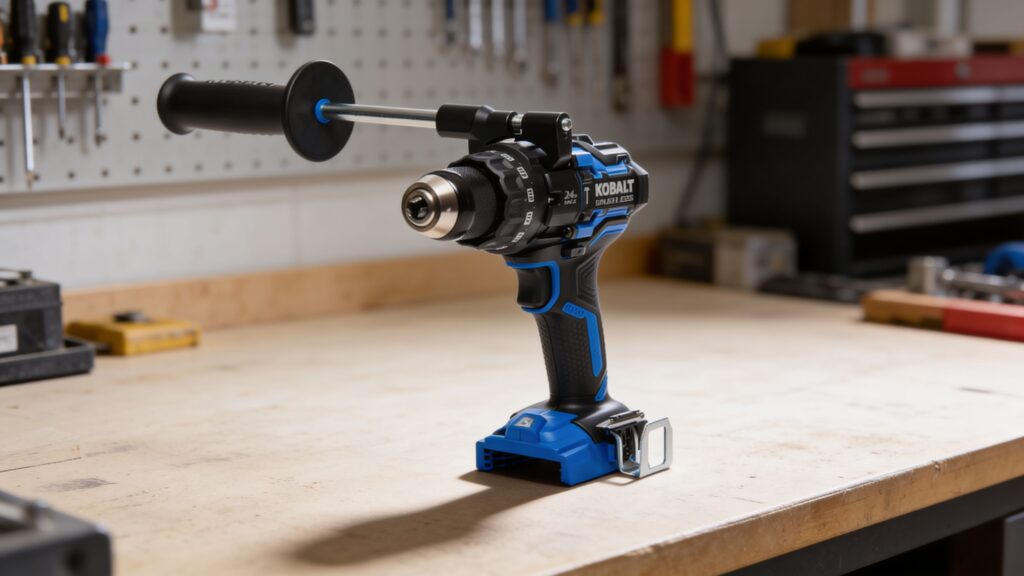
Buying framework
How to think about buying a hammer drill
Hammer drills cover a wider range of work than they appear to at first glance, from general drilling and driving to occasional masonry tasks. The differences that shape real ownership show up in how the hammer mechanism engages, how controllable the tool feels at low speed, and how well it manages heat and vibration over longer sessions. Use this framework to decide what matters for your workload before comparing brands or models.
Match action to material: Hammer mode is designed for masonry, while standard drilling and driving demand steady torque and clean bit control; a clear mode system keeps performance predictable across tasks.
Control matters more than force: Smooth trigger response and a consistent clutch help you start holes accurately, reduce bit walking on hard surfaces, and protect fasteners when switching back to driving work.
Plan for heat and runtime: Masonry drilling loads the motor continuously; battery capacity, cooling, and duty cycle determine whether performance stays stable or fades during repeated holes.
Balance affects accuracy: Larger batteries and heavier front ends can increase fatigue and vibration, which shows up in overhead work and precision drilling, not just in long sessions.
Think in system terms: Bit compatibility, chuck quality, and battery ecosystem influence how reliably the tool fits your workflow, especially if you expect it to serve as a primary drill over time.
Who this is for
Pick the drill that matches how you actually work
Hammer drills suit a wide range of users, but not every workload benefits equally from the added impact function. How often you drill masonry, where the work happens, and how long sessions last all influence which capability level makes sense. Use these profiles to align features with real use, not assumed needs.
Homeowners & light DIY: use a hammer drill occasionally for anchors, concrete fasteners, and general household tasks. Control, manageable weight, and simple mode switching matter most, since comfort and predictability outweigh raw impact strength.
Renovation and project work: drill into masonry intermittently during remodels, framing, or fixture installs. Consistent hammer action, stable handling under load, and reasonable runtime matter most once sessions extend beyond a few quick holes.
Mixed-material environments: move frequently between wood, metal, and masonry in the same job. Clear mode separation, reliable clutch behavior, and balanced ergonomics matter most to avoid constant adjustment fatigue and handling errors.
Regular masonry use: drill concrete or block frequently for mounting, anchoring, or structural prep. Sustained impact performance, heat management, and vibration control matter most when hammer mode is used repeatedly rather than occasionally.
One-drill households: rely on a single tool for both general drilling and light masonry needs. Versatility, comfortable handling across modes, and predictable performance matter most when the drill must adapt without specialization.
What to pay attention to
Which hammer drill specs actually matter
Hammer drill specifications can appear decisive on paper, yet many are measured in ways that obscure how the tool behaves in real use. The factors below distinguish what influences control and comfort from what determines practical capability when drilling masonry or switching back to standard drilling tasks.
Specs that affect feel
Trigger response, vibration control, balance, and ergonomics shape accuracy and fatigue during everyday drilling.
Specs that affect capability
Hammer mechanism design, battery capacity, and sustained performance under load determine usable workload.
Trigger and speed control: Smooth, predictable speed modulation helps prevent bit wandering on masonry and improves accuracy when transitioning between drilling and driving tasks.
Weight and vibration: Hammer mode introduces repeated impacts that amplify fatigue. Overall balance and vibration damping matter more during longer masonry sessions than bare tool weight alone.
Mode separation: Clear, positive switching between hammer, drill, and drive modes prevents accidental misuse and keeps performance consistent across different materials.
Battery capacity (Ah): Larger batteries extend runtime during continuous masonry drilling but also increase weight and bulk. Matching capacity to session length keeps handling predictable.
Sustained behavior: Heat buildup, motor efficiency, and cooling design influence whether impact performance remains steady or drops off during repeated holes.
Often overhyped: maximum impact rates, peak torque figures, and voltage labels that emphasize momentary output rather than controllable, repeatable performance.
Avoid these traps
Common mistakes people make when buying a hammer drill
Most frustration with a hammer drill comes from mismatched expectations rather than faulty tools. These are the most common assumptions that lead to disappointment—and how to rethink them before committing.
Assuming hammer mode equals masonry performance: Hammer action varies widely in effectiveness. Light-duty mechanisms can handle anchors and small holes but struggle with sustained concrete work, leading to slower progress and excess vibration.
Prioritizing impact force over control: Aggressive hammer action sounds useful, but poor speed control makes accurate starts difficult. In real use, predictable engagement matters more than maximum impact.
Overlooking vibration and fatigue: Hammer drilling amplifies hand strain over time. Ignoring ergonomics and damping can turn short masonry tasks into tiring sessions that affect accuracy.
Choosing size without considering frequency: Full-size hammer drills are often selected “just in case.” For users who drill masonry only occasionally, the added weight and bulk can make everyday drilling less comfortable.
Expecting one tool to replace dedicated solutions: Hammer drills are versatile, but they are not substitutes for rotary hammers in heavy concrete. Misjudging this leads to slow work and unnecessary wear.
Reading spec numbers without context: Impact rates, torque figures, and voltage labels are easy to compare but rarely describe sustained behavior. How the drill feels after repeated holes is a better indicator than any single metric.
Decision guidance
Which type of hammer drill is right for you
The right hammer drill depends on how often you drill masonry, how long sessions last, and how much versatility you need outside of concrete. Use this guidance to match hammer drill capability to real workloads, not occasional edge cases.
Choose a compact hammer drill if: you drill masonry occasionally and spend most of your time in wood, metal, or light fastening. Compact hammer drills are easier to control, less fatiguing overhead, and better suited to anchors, small holes, and mixed-material tasks.
Choose a full-size hammer drill if: masonry drilling is frequent or sessions involve repeated holes in concrete or block. Larger hammer drills handle heat better, maintain impact consistency longer, and feel more stable under sustained load, though they trade off maneuverability.
If your work mixes materials: prioritize clear mode switching and balanced handling across drill, drive, and hammer settings. A hammer drill that transitions cleanly between modes reduces setup friction and minimizes mistakes when tasks change quickly.
Think in terms of duty cycle: short bursts of masonry favor lighter tools, while repeated drilling favors mass, cooling, and battery capacity. Match the tool to how long hammer mode stays engaged, not just how hard it hits once.
When a hammer drill isn’t the right answer: if concrete drilling is heavy or structural, a rotary hammer is more appropriate, and if most work is fastening, an impact driver is a better complement. Hammer drills sit between these tools and work best when used within that middle ground.
Ownership & compatibility
What you’re really buying into long term
A hammer drill is not a single-purpose purchase. Long-term ownership is shaped by battery compatibility, parts availability, service access, and how smoothly the tool fits into ongoing projects as demands change.
Battery ecosystem realities: Hammer drilling places higher, more sustained loads on batteries. Having access to multiple battery sizes helps balance runtime, weight, and fatigue depending on whether work involves quick anchor holes or longer masonry sessions.
Compatibility and future tools: A hammer drill often anchors a broader cordless system. Battery and charger compatibility across drills, drivers, and specialty tools reduces friction as your tool collection expands.
Consumables and wear items: Chuck components, switches, and vibration-related parts experience more stress in hammer mode. Easy access to replacement parts and common accessories affects longevity more than initial specifications.
Workflow fit: Charging time, battery swapping, storage size, and accessory organization all influence day-to-day use. Tools that integrate smoothly into your work rhythm reduce interruptions over longer projects.
Long-term ownership costs: Batteries typically drive replacement expense over time. Planning for battery lifecycle, spares, and eventual replacements matters more than small differences in the tool itself.
FAQ
Hammer drill buying guide FAQ
Quick answers to the questions people ask most when choosing a hammer drill—focused on real use, not spec-sheet hype.
Do I need a hammer drill or a regular drill?
How much masonry work justifies a hammer drill?
Is hammer mode always more powerful?
Does hammer drilling wear the tool faster?
What battery size works best for hammer drilling?
Can a hammer drill replace a rotary hammer?
Is a hammer drill good for driving screws?
What features matter most in daily use?
How long should a hammer drill last?
Bottom line
The simplest way to pick the right hammer drill
Most hammer drills are capable of light masonry and everyday drilling. The right choice is the one that feels controlled, balanced, and appropriate for how often you actually use hammer mode—not the most extreme scenario you can imagine.
If masonry work is occasional: focus on comfort, control, and easy mode switching. A hammer drill that behaves well as a normal drill will see more use than one optimized only for impact.
If you drill concrete regularly: prioritize stability, vibration management, and sustained performance. These factors matter more over repeated holes than how hard the drill hits once.
If daily comfort matters most: pay attention to balance with the battery you’ll actually run and how predictable the trigger feels. Those details shape accuracy and fatigue on every job.
If you’re building a long-term setup: think beyond the drill itself and consider battery compatibility, charging workflow, and replacement needs. Ownership friction shows up long after the first project.
Final check: picture your most common tasks and environments—tight spaces, overhead holes, or repeated masonry anchors. Choose the hammer drill that feels best there, and avoid overbuying for work you rarely do.
Reading Shortcuts
Jump to the sections that matter most for choosing the right hammer drill.
Decision Reminders
A quick checklist before you commit to a hammer drill and battery platform.
- Don’t buy hammer power you won’t use: occasional masonry favors comfort and control over aggressive impact action.
- Think about vibration, not just force: repeated hammering amplifies fatigue, especially in overhead or longer sessions.
- Mode switching should feel obvious: clear separation between drill, drive, and hammer modes prevents mistakes and frustration.
- Battery size affects masonry work fast: hammer drilling drains batteries quickly and heavier packs change balance noticeably.
- Plan for sustained use, not single holes: heat management and consistency matter more than how hard the drill hits once.
- Know when this isn’t the right tool: heavy concrete favors a rotary hammer, while frequent fastening favors an impact driver.
Glossary Snippets
Quick translations for the terms that confuse buyers most.
When to Use a Top 10 Review
If you want a fast, structured shortlist, this format helps narrow the field efficiently.
- You’re still defining your needs: Rankings organize options by use case and translate specs into practical differences.
- You want a broad market scan: A Top 10 view shows compact, general-use, and heavier-duty options in one place.
- You want category-based guidance: Labels like Best Overall or Best for Masonry help frame choices without deep research.
- You’re evaluating long-term fit: Useful for understanding platform depth, battery compatibility, and ownership tradeoffs.
Already down to 2–3 options? A Comparison is usually faster than reading full reviews.
When to Use a Comparison
Best when you’ve shortlisted options and want the clearest tradeoffs.
- You’re down to 2–3 finalists: side-by-side views surface differences faster than full reviews.
- You care about real-world feel: balance, trigger control, vibration, and fatigue are clearer head-to-head.
- You want category outcomes: comparisons highlight winners by control, ergonomics, sustained output, and ownership fit.
- You need a quick decision: once the shortlist exists, a Comparison is the fastest path to clarity.
Still exploring? Start with a Top 10 to identify the right type first.