High Torque vs High RPM Hammer Drills: Key Differences Explained

High torque and high RPM hammer drills serve different performance priorities. This comparison examines real-world tradeoffs, drilling behavior, and application fit to help guide informed tool selection decisions.

By: Review Streets Research Lab
Updated: February 25, 2026
Approx. 10–12 min read
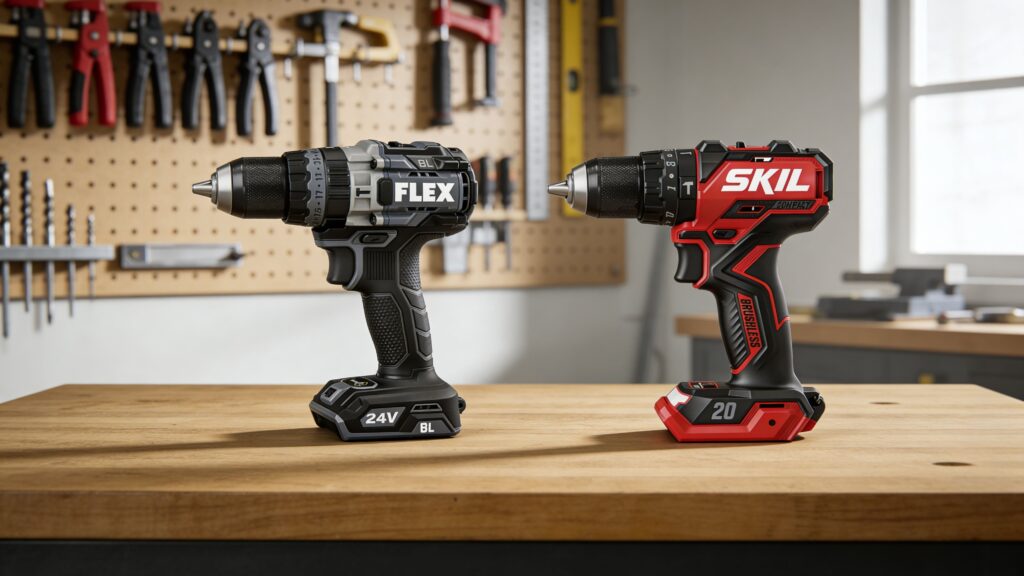
Two hammer drills positioned side by side on a workshop bench illustrating high torque versus high RPM performance differences

Head-to-head

High Torque vs High RPM Hammer Drills: Key Differences Explained

A practical A/B look at what changes when you prioritize torque versus speed: how each profile behaves in masonry and mixed materials, what control feels like at the trigger, and which approach fits the way you drill on real projects.
High torque hammer drill

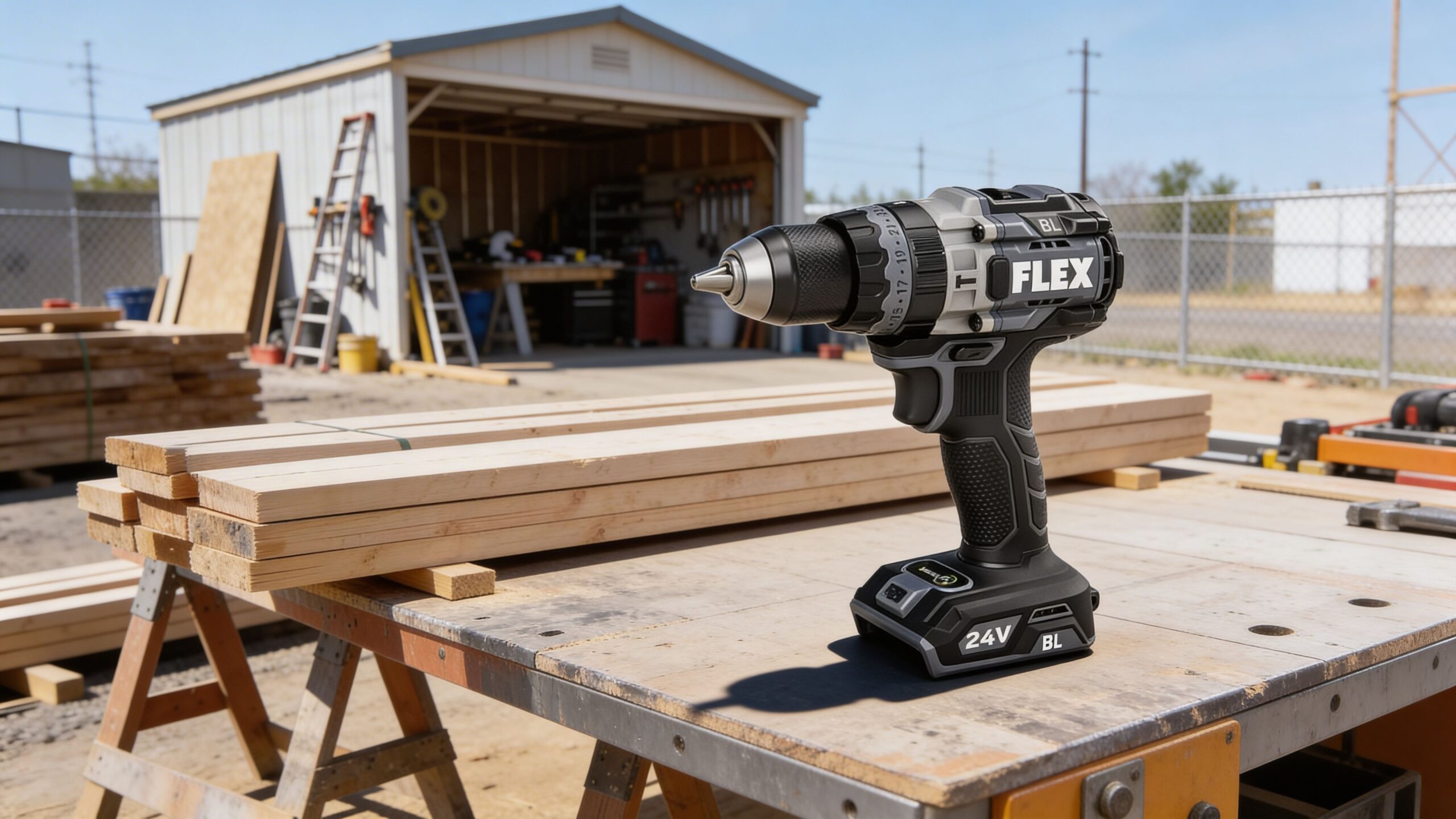
High torque hammer drill

A torque-forward setup that stays composed when resistance climbs—best for larger holes, harder materials, and repeatable fastening where low-speed push and control matter more than top-end speed.

Score 8.8 Best for high-load drilling Battery high-torque Why buy steadier under load
  • More confidence when boring bigger holes or stepping up to tougher masonry
  • Better “start and hold” control for clean placement and reduced bit wandering
  • Stronger choice when you’d rather avoid stalls than chase maximum speed
VS
High RPM hammer drill

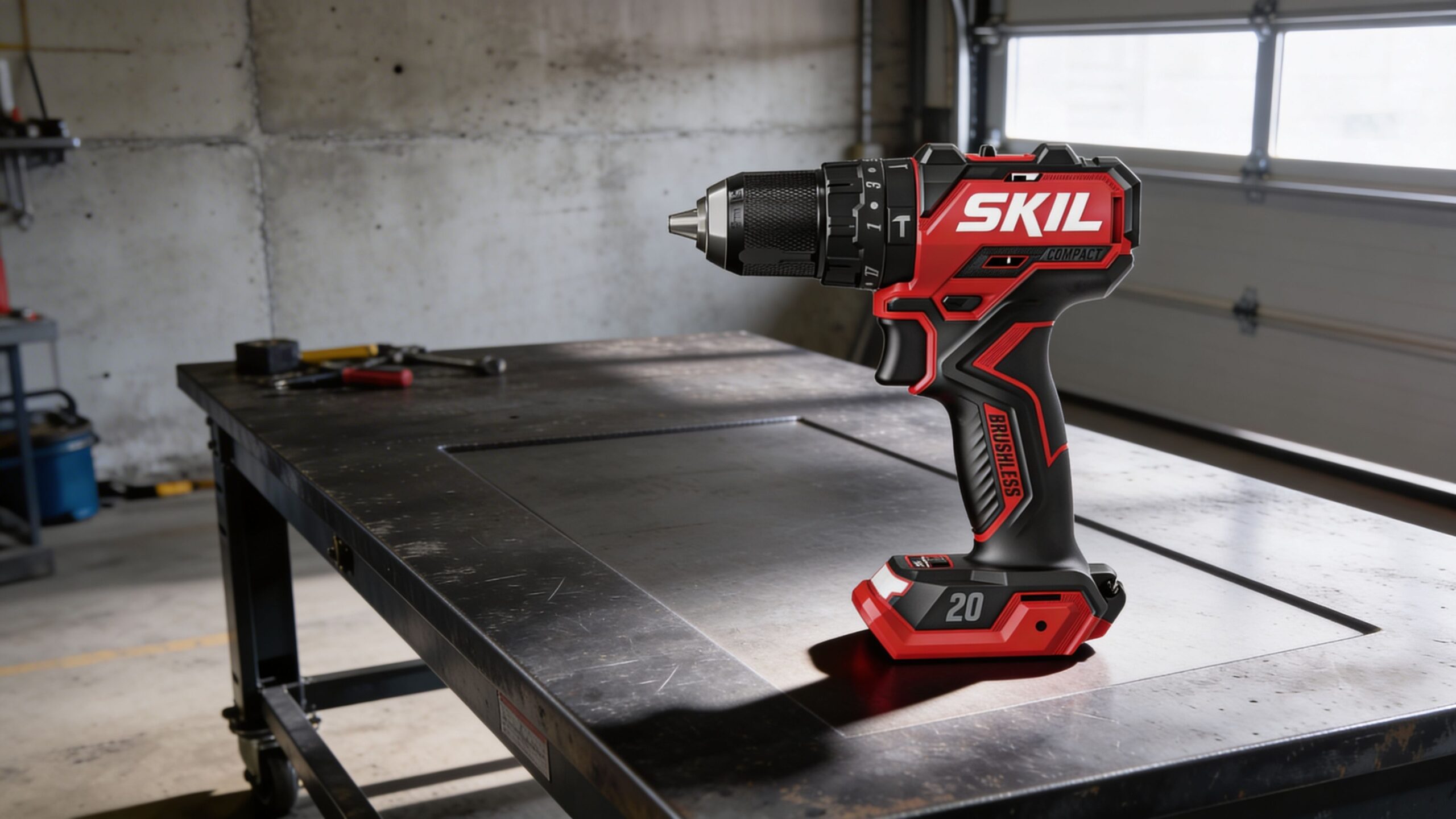
High RPM hammer drill

A speed-leaning setup that shines on routine drilling—best for smaller bits, faster hole-making in wood and metal, and lighter masonry where pace and efficiency matter most.

Score 8.2 Best for fast everyday drilling Battery high-rpm Why buy speed + efficiency
  • Quicker progress on pilots, hardware installs, and repeat holes with smaller bits
  • Often feels lighter at the trigger when you’re drilling frequently but not “leaning in” hard
  • Best fit when you prioritize pace over maximum low-gear push
Power under load
More composed when resistance spikes
Best in lighter-to-moderate resistance
High torque
Control & clutch consistency
Stronger low-speed control
Good control, more speed-forward
High torque
Ergonomics (feel + fatigue)
Stable, “work-first” feel
Often easier for repetitive drilling
High RPM
Value (typical kit pricing)
Pay for load-focused capability
Stronger value for routine tasks
High RPM
Battery ecosystem depth
Better long-term “grow the kit” fit
More focused, task-first approach
High torque
Real-world context
This comparison reflects a synthesis of professional reviews, manufacturer data, long-term user feedback, and use-case patterns to highlight how each drill typically performs in everyday projects.

High torque — Why people choose it

  • More consistent progress in tougher materials and when the bit starts to load up
  • Better low-gear behavior for larger bits, spade/auger work, and dense stock
  • Preferred when reliability under resistance is the priority over raw speed

High RPM — Why people choose it

  • Faster for routine holes, pilots, and repeated drilling with smaller bits
  • Good fit for mixed material work where pace and efficiency matter most
  • Often feels smoother when you’re drilling frequently but not pushing hard
Verdict: Choose High torque if your work regularly loads a drill down—bigger holes, harder materials, and frequent fastening where steadiness and low-speed push save time and frustration. Choose High RPM if you’re drilling lots of routine holes where speed and efficiency are the priority, with heavy resistance work happening only occasionally.
Read FAQs

Deep dive

What actually matters in this matchup

This isn’t a “better drill” debate as much as a “better behavior” choice. A high-torque hammer drill tends to feel calmer when resistance spikes—think larger bits, denser stock, or masonry that grabs—while a high-RPM hammer drill tends to feel faster and more efficient on routine holes and lighter-duty drilling where steady pace matters most.

Power delivery under real load: The torque-forward drill is the safer bet when work regularly slows a drill down—starting holes in masonry without wandering, keeping progress when the bit starts to bind, and driving longer fasteners without feeling like you’re constantly managing stalls. The high-RPM option can still handle mixed tasks, but it’s at its best when resistance stays moderate and you’re moving quickly from hole to hole.

Control and “starts”: The most noticeable day-to-day difference is how predictable each drill feels at the trigger. Torque-leaning models generally give a steadier start and more forgiving feed pressure, which helps with clean placements and fewer re-starts. RPM-leaning models tend to reward a lighter touch and consistent technique, especially with smaller bits where speed can improve productivity but also makes over-driving and bit walk easier if you rush the setup.

Fatigue, workflow, and why this choice lasts: If your week includes a lot of repetitive drilling—pilots, hardware installs, or mixed material tasks—speed can reduce time-on-task and keep work moving. If your jobs include the “hard moments” more often—bigger holes, tougher substrates, or frequent fastening where the tool needs to stay composed—torque reduces interruptions and feels more confidence-inspiring. Over time, the right pick is the one that matches your most common resistance level: choose high torque when the work fights back, and choose high RPM when the work is frequent, routine, and pace-driven.

Methodology

How we evaluated these hammer drills

This comparison focuses on the real-world tradeoff between a high-torque hammer drill and a high-RPM hammer drill. Instead of leaning on spec-sheet claims, we evaluate how each profile behaves in common drilling situations—where control, resistance, pace, and fatigue are what actually shape results.

Tasks: small-bit drilling for repeat holes and hardware installs, larger-bit boring that loads the motor down, light masonry work with standard anchors, and stop–start sequences that reveal how predictable the drill feels at the trigger.

What we scored: how consistently each drill maintains progress when resistance changes, controllability during starts, perceived steadiness in low gear, comfort and balance during repeated use, and build-confidence signals like chuck feel and overall fit-and-finish.

How results are interpreted: outcomes are judged in context—speed matters most when holes are frequent and resistance is moderate, while torque and composure matter most when materials fight back or larger bits are involved. The “better” choice depends on the work pattern, not a single headline metric.

What we ignored: isolated advertised numbers and one-off claims that don’t translate into repeatable work outcomes, plus minor feature differences that don’t materially change drilling behavior, control, or long-term usability.

FAQ

High Torque vs High RPM Hammer Drills: Common questions

Which type is better for drilling into concrete?
A high torque hammer drill generally feels more composed when drilling larger holes in concrete or when the bit starts to bind. A high RPM model can handle lighter anchor work well, but may require more controlled feed pressure as resistance increases.
Is a high RPM hammer drill powerful enough for most home projects?
For common tasks such as pilot holes, smaller masonry anchors, and general wood or metal drilling, a high RPM drill is often more than sufficient. The added speed can make routine jobs feel quicker and more efficient, especially when resistance remains moderate.
Will I notice the difference between torque and RPM in everyday use?
The difference becomes noticeable when the work shifts from routine drilling to higher resistance tasks. Torque-focused drills tend to feel steadier under load, while RPM-focused drills feel faster and lighter during repetitive, lower-resistance work.
Which type is easier to control for precise starts?
Torque-leaning drills often provide a steadier, more deliberate start, which can help with accuracy in tougher materials. High RPM drills can still be precise, but they reward a lighter trigger touch and consistent technique.
Does choosing torque or RPM affect long-term ownership?
The long-term impact depends on how the drill is used. If your projects frequently involve larger bits or harder materials, torque may reduce frustration and tool strain over time. If most work is routine and speed-driven, an RPM-focused drill can support a smoother, faster workflow without unnecessary overhead.

Key Takeaways

  • High torque and high RPM hammer drills prioritize different outcomes—one favors composure under resistance, the other favors speed during routine drilling.
  • If your work frequently pushes a drill into harder materials or larger bits, torque reduces stalls and improves control when the bit starts to load up.
  • If most of your drilling is repetitive and moderate in resistance, higher RPM can improve workflow efficiency without adding unnecessary bulk.
  • Control at the trigger often matters more than peak performance numbers, especially when accuracy and clean starts affect finished results.
  • Over time, the better choice is the one that aligns with your typical resistance level—not the most powerful or fastest option on paper.
  • Matching the drill’s behavior to your most common tasks will have a greater impact on daily productivity than chasing a single headline spec.

Verdict

The Right Hammer Drill Depends on Resistance vs Repetition

In this matchup, the deciding factor isn’t a brand or a headline spec—it’s the kind of drilling you do most. High torque and high RPM hammer drills can both cover mixed projects, but they feel meaningfully different when the work either fights back or needs to move fast and repeatably.

#1 Winner

High torque hammer drill

The more confidence-inspiring choice when resistance is the norm—better suited to tougher materials, larger bits, and situations where steady progress and controlled starts matter most.

  • More composed feel when the bit loads up or the material gets stubborn
  • More predictable starts and feed control in demanding drilling
  • Fewer interruptions when work trends “hard” rather than “fast”

Runner-up

Jump to the Head-to-Head

Tip: If your projects are mostly light-to-moderate resistance with lots of repeated holes, higher RPM can feel more efficient; if materials frequently fight back, torque usually matters more.

Where to Buy

We prioritize reputable sellers, easy returns, and reliable availability.

Price checks happen regularly. Some links may earn a commission—never affects rankings.

Accessories You’ll Want

  • Carbide-tipped masonry bit set (common anchor sizes for concrete, brick, and block, plus a couple spares of your go-to bits)
  • Multi-material drill bits (for switching between wood, metal, and light masonry without constantly changing sets)
  • Extra battery pack (one compact for balance + one higher-capacity for longer drilling sessions)
  • Depth stop or drill-stop collar set (helps keep anchor holes consistent and reduces over-drilling in masonry)
  • Dust management add-on (a small vacuum attachment or dust cup to keep concrete drilling cleaner and easier to see)

Tip: For masonry work, match the bit to the material and replace worn bits early—sharp carbide improves speed, accuracy, and reduces strain on the drill.