High-Torque vs High-Speed Right-Angle Drills: Key Differences Explained

This head-to-head comparison examines high-torque and high-speed right-angle drills, outlining performance tradeoffs, real-world applications, and key design differences to help professionals choose based on task demands and working conditions.

By: Review Streets Research Lab
Updated: April 13, 2026
Approx. 10–12 min read
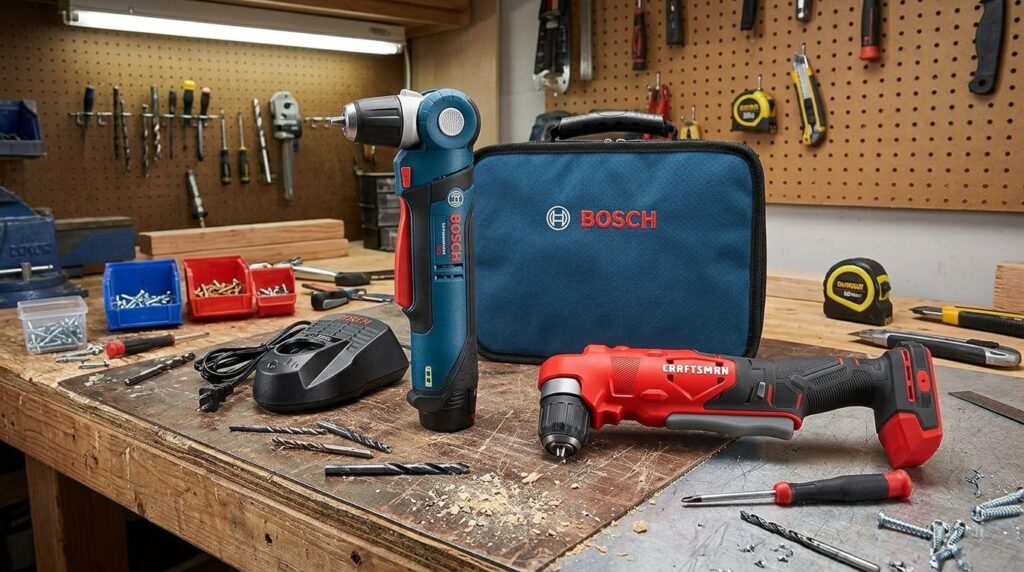
High-torque vs high-speed right-angle drills side by side comparison showing compact drill design, motor housing, and head orientation differences

Head-to-head

High-Torque vs High-Speed Right-Angle Drills: Key Differences Explained

A clear A/B look at what matters in tight bays and awkward studs: torque delivery vs RPM speed, control when bits grab, head size and reach, battery efficiency, and which tasks each style fits best.
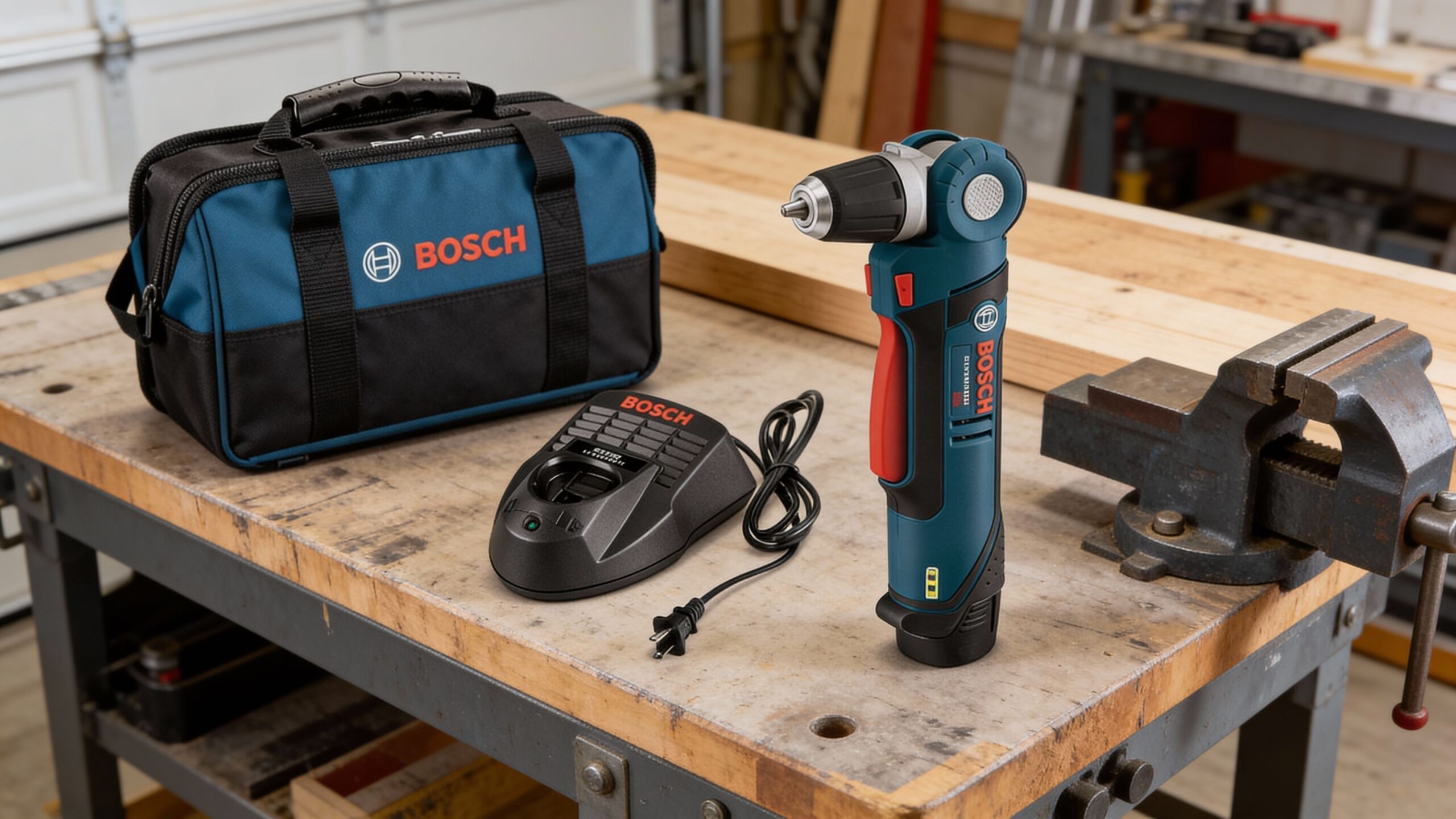
Bosch 18V right-angle drill

Bosch 18V right-angle drill

A torque-forward right-angle option that prioritizes controlled, steady boring when the bit wants to grab—best suited for larger hole saw work, spade bits, and slower, deliberate drilling in tight framing.

Score 8.7 Best for torque-heavy boring Battery 18V Why buy steadier under bind
  • More confidence when starting larger bits in studs and joists without skating
  • Better “slow and controlled” feel when clearance is tight and you can’t brace well
  • Fits crews who value predictable torque over outright drilling speed
VS
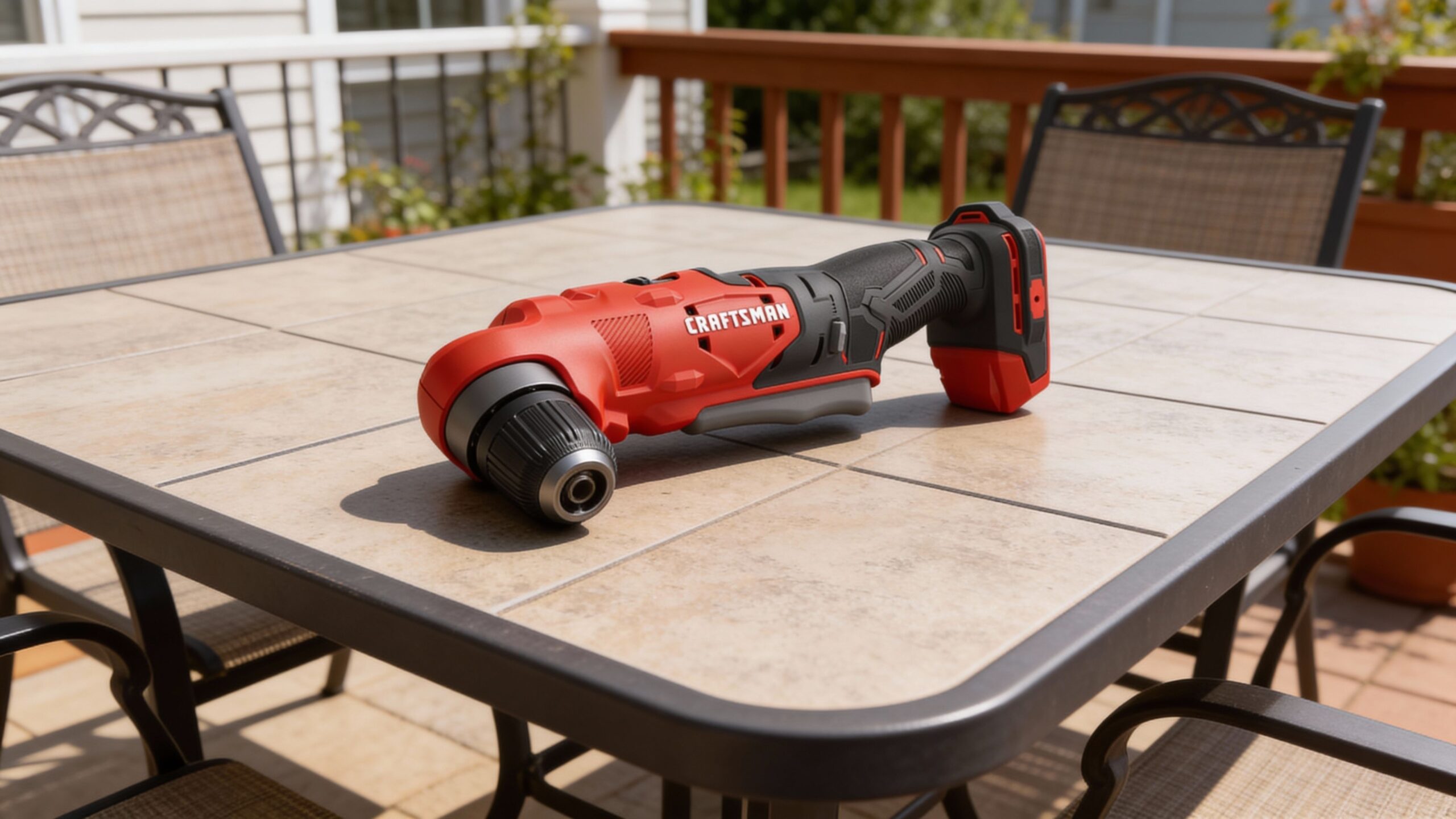
Craftsman V20 right-angle drill

Craftsman V20 right-angle drill

A speed-leaning right-angle drill that’s geared for fast pilot holes, lighter boring, and repeated small-bit work—ideal when you’re moving quickly through studs for wire pulls, cabinetry, and general maintenance.

Score 8.2 Best for faster small-bit work Battery V20 Why buy speed + value
  • Quicker throughput on smaller bits where RPM matters more than raw torque
  • Good fit for routine drilling that prioritizes pace and compact handling
  • Practical choice when you want solid results without an expensive buy-in
Power under load
More composed when the bit bites
Best on lighter, faster passes
Bosch
Control & clutch consistency
Better slow-start management
Good, but easier to overspeed
Bosch
Ergonomics (feel + fatigue)
Stable grip, work-first balance
Lighter feel for quick cycles
Craftsman
Value (typical kit pricing)
Costs more for the capability
Usually a better buy-in
Craftsman
Battery ecosystem depth
Strong pro-focused lineup
Broad DIY-to-pro coverage
Bosch
Real-world context
This comparison reflects a synthesis of professional reviews, manufacturer data, long-term user feedback, and use-case patterns to highlight how each drill typically performs in everyday projects.

Bosch — Why people choose it

  • More predictable torque feel when boring larger holes through framing members
  • Better control when drilling in awkward positions where bracing is limited
  • Solid pick for crews who routinely run spade bits, augers, and hole saws

Craftsman — Why people choose it

  • Faster pace on pilots and small-bit runs where RPM drives productivity
  • Comfortable handling for repetitive, lighter-duty drilling in tight spaces
  • Good value when you want a capable right-angle drill without premium pricing
Verdict: Choose Bosch when your right-angle drill needs to stay composed under load—larger holes, denser stock, and situations where control matters more than speed. Choose Craftsman when your work is dominated by smaller bits and repeated pilot holes, and you want faster drilling cycles with a more value-friendly platform.
Read FAQs

Deep dive

What actually matters in this matchup

Bosch’s 18V right-angle drill and the Craftsman V20 right-angle drill can both solve the same “no room for a standard drill” problem, but they tend to feel different once you’re actually working inside studs, cabinets, and tight mechanical bays. The practical decision usually comes down to how confidently the tool holds speed when the hole gets demanding, how controllable it feels when starting a bit one-handed, and how much fatigue you accumulate when the drill lives in your hands for hours.

Power delivery in real material: In right-angle drilling, the hard part isn’t the first second—it’s what happens when the bit starts to load up or catch in dense lumber. The Bosch option generally favors a steadier, torque-forward feel that helps you keep the hole moving without constantly “feathering” the trigger. The Craftsman tends to suit lighter drilling cycles where keeping the pace up matters, but it can require a bit more attention to avoid bogging or jerky transitions when the bit bites.

Control at the start of the hole: Most real-world frustration comes from crooked starts, wandering bits, and sudden grabs when you can’t brace properly. A torque-leaning right-angle drill typically makes it easier to ease into the cut and keep the bit tracking straight, especially in awkward positions. A speed-leaning option can feel faster once the bit is established, but it may be less forgiving during those first moments when you’re drilling blind, overhead, or with limited leverage.

Ergonomics and fatigue in tight work: Right-angle drills get used where your wrists and shoulders already have a disadvantage. The better fit is often the one that stays balanced with the batteries you actually run and feels predictable when you have to work one-handed or at arm’s length. Craftsman’s V20 platform is often chosen for a lighter, quicker-handling feel during repeated small holes. Bosch’s 18V setup tends to be preferred when stability and bracing confidence matter more than shaving seconds off each hole.

Reliability confidence and workflow impact: When you’re drilling in finished spaces or tight framing, consistency matters more than peak output. A tool that stays composed when a bit binds reduces rework, broken bits, and sudden kickback surprises. Bosch’s appeal is typically “keep it moving” confidence in tougher cuts, while Craftsman’s appeal is a straightforward tool that handles routine drilling well when the work is more repetitive than demanding.

Ownership and long-term flexibility: With cordless right-angle drills, the battery system and availability can matter as much as the tool itself. If the drill is a specialty piece you’ll grab occasionally, the better choice is often the one that fits the batteries already on your shelf and the chargers already in your truck. If it’s a frequent-use tool, it’s worth prioritizing the platform that best matches your typical workload, because the “cost” shows up over time as fewer slowdowns, fewer do-overs, and smoother daily workflow.

How to choose based on your jobs: The Bosch 18V right-angle drill tends to favor users who regularly face thicker material, larger bits, and tighter control needs where a steady, torque-forward feel helps keep work predictable. The Craftsman V20 right-angle drill tends to favor users who mostly run smaller bits, want quicker drilling cycles in routine tasks, and value a more budget-friendly path that still covers everyday tight-space drilling.

Methodology

How we evaluated these right-angle drills

Our evaluation focused on the real tasks that separate torque-leaning and speed-leaning right-angle drills in tight spaces, not spec-sheet advantages. Each model was assessed in scenario-based drilling and handling situations designed to reveal how the tools behave when leverage is limited, angles are awkward, and workflow matters as much as output.

Tasks: repeated stud-bay drilling with small and mid-size bits, start-and-stop cycles that mimic electrical and plumbing rough-in, tight-clearance holes near corners, and overhead or one-handed drilling to assess balance, control, and fatigue.

What we scored: how well each drill maintains progress when the bit loads up, smoothness and predictability during hole starts, stability when the tool is braced awkwardly, grip comfort over long sessions, and reliability confidence based on build feel and consistent behavior.

How results are interpreted: performance is judged through a context-aware lens, because the “better” choice changes with the work. Torque-forward control tends to matter more for larger holes and tougher stock, while speed and lighter handling tend to matter more for repeated small holes and quicker drilling cycles in routine tasks.

What we ignored: advertised torque or RPM claims presented in isolation, one-off lab-style results, and features that don’t reliably improve day-to-day drilling outcomes in tight spaces.

FAQ

Bosch 18V vs Craftsman V20 Right-Angle Drill: Common questions

Is a high-torque or high-speed right-angle drill better for most jobs?
It depends on the type of holes you drill most often. Torque-focused models tend to feel steadier with larger bits or denser material, while speed-focused models are often more efficient for repeated small pilot holes and lighter-duty drilling.
Will I notice the difference in everyday use?
The difference is usually most noticeable when a bit starts to bind. A torque-leaning drill typically feels more controlled under load, while a speed-leaning drill may feel quicker on routine holes but require a bit more trigger management in tougher material.
Which is easier to manage in tight stud bays or cabinets?
Both are designed for confined spaces, but handling can vary depending on balance and battery choice. A lighter, faster-feeling setup may reduce fatigue during repetitive drilling, while a steadier, torque-oriented feel can improve confidence when leverage is limited.
Does battery platform matter when choosing between these two?
Yes. If you already own batteries and chargers from either platform, staying within that system often provides better long-term value. If this is your first cordless tool in the category, consider how many additional tools you may add over time.
Are these drills suitable for heavy framing work?
For occasional larger holes in framing, a torque-forward right-angle drill is generally more reassuring. For lighter framing tasks or mixed-use work, a speed-oriented option can still perform well, provided bit size and workload stay within typical limits.
Which is the better long-term investment?
The better investment depends on how often the drill will be used and in what conditions. Frequent, demanding drilling may justify prioritizing steadier torque behavior, while lighter, intermittent use may favor overall value and platform flexibility.

Key Takeaways

  • A torque-leaning right-angle drill typically feels more controlled when bits bind, making it better suited to larger holes and denser framing material.
  • A speed-leaning model favors quicker progress on repeated small holes, which can improve efficiency in routine electrical, plumbing, or cabinetry work.
  • The difference between these tools shows up most during hole starts and under load, not during light, low-resistance drilling.
  • In tight spaces, balance and trigger predictability often matter more than peak power or RPM on paper.
  • If most drilling involves mid-size or larger bits, steadier torque delivery can reduce strain and rework over time.
  • If the workload centers on frequent pilot holes and lighter materials, faster drilling cycles and lower buy-in cost may be the more practical advantage.

Verdict

Choosing the Right Right-Angle Drill for Your Work

In this matchup, the decision comes down to how often you face heavier boring tasks versus how frequently you run smaller bits at a faster pace. Both drills solve tight-space problems effectively, but they prioritize different aspects of performance that become noticeable over time.

Top Pick for Demanding Boring

Bosch 18V Right-Angle Drill

Better suited to users who value steadier torque delivery and more composed behavior when drilling larger holes or working in denser material.

  • More controlled feel when bits begin to bind
  • Greater confidence in tougher, slower drilling tasks
  • Strong fit for frequent framing or mid-size bit work

Also Consider

Jump to the Head-to-Head

If you already own batteries in either platform, that ecosystem commitment can outweigh relatively small differences in drilling feel or speed.

Where to Buy

We prioritize reputable sellers, easy returns, and reliable availability.

Price checks happen regularly. Some links may earn a commission—never affects rankings.

Accessories You’ll Want

  • Right-angle drill bit set (brad-point and twist bits in common sizes for clean starts in studs and cabinet work)
  • Self-feed or spade bit assortment (for faster rough-in holes where a right-angle drill earns its keep)
  • Compact and high-capacity batteries (a smaller pack for balance in tight bays and a larger pack for longer drilling runs)
  • Hole saw kit (useful for larger pass-throughs, hardware installs, and occasional bigger openings)
  • Auxiliary handle or stabilizer grip (helps manage bind-ups and reduces wrist strain when leverage is limited)

Tip: Match accessories to your workload—torque-heavy bits benefit from better bracing and sharper cutters, while speed-focused drilling benefits most from quality bits that start straight and clear chips easily.