High-Torque vs Standard-Torque Mixing Drills: Key Differences Explained

This head-to-head comparison examines high-torque and standard-torque mixing drills, focusing on power delivery, control, and jobsite applications to clarify practical differences and informed selection tradeoffs.

 
By: Review Streets Research Lab
Updated: March 13, 2026
Approx. 10–12 min read
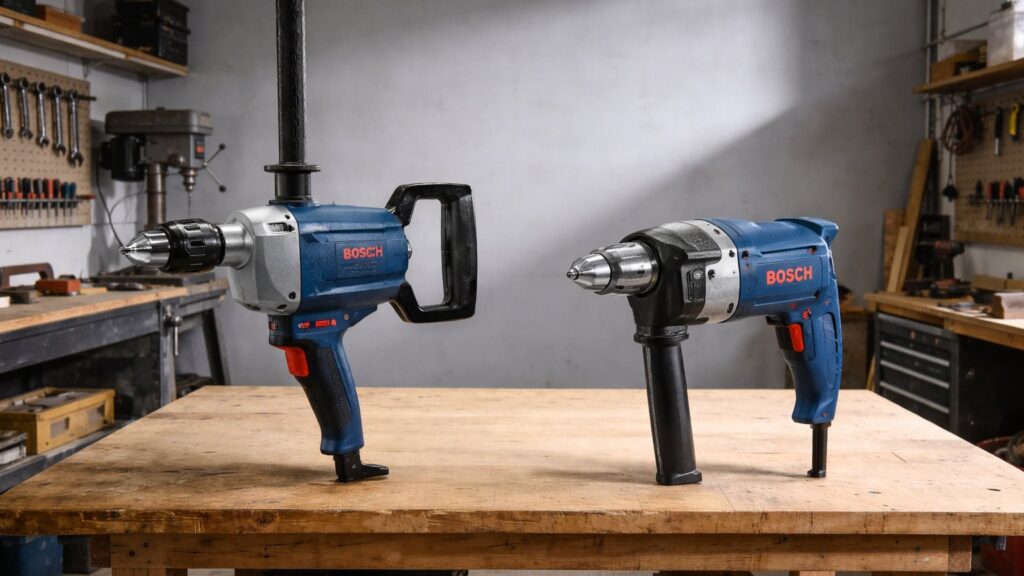
Side-by-side comparison of high-torque and standard-torque mixing drills on a jobsite surface, highlighting size, motor housing, and paddle design differences.

Head-to-head

High-Torque vs Standard-Torque Mixing Drills: Key Differences Explained

A clean A/B view of what matters on demanding mixing jobs: low-speed pulling power, paddle control in thick material, operator fatigue over longer batches, versatility across compounds, and which type makes more sense for your day-to-day workflow.
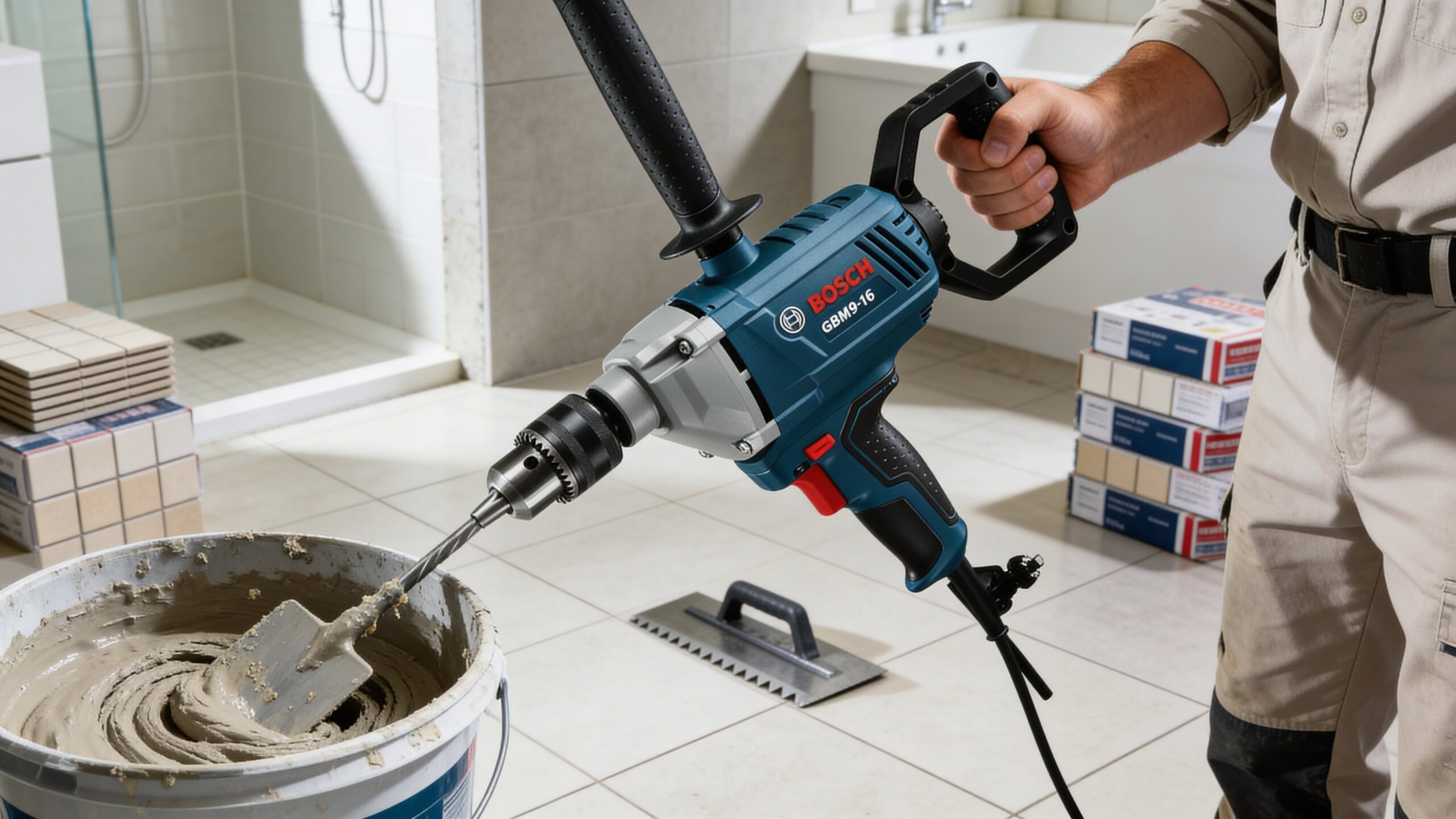
High-Torque Mixing Drill

High-Torque Mixing Drill

Built for heavier compounds and bigger paddles, this type is the better fit when mortar, grout, thinset, or dense mix consistency puts real strain on the tool and the operator.

Score 9.2 Best for heavy mix materials Battery corded Why buy more low-speed headroom
  • Handles thick batches with less bogging when the paddle loads up
  • Better choice for repeated mixing sessions where consistency matters
  • Usually the smarter buy for tile, masonry, and concrete-adjacent work
VS
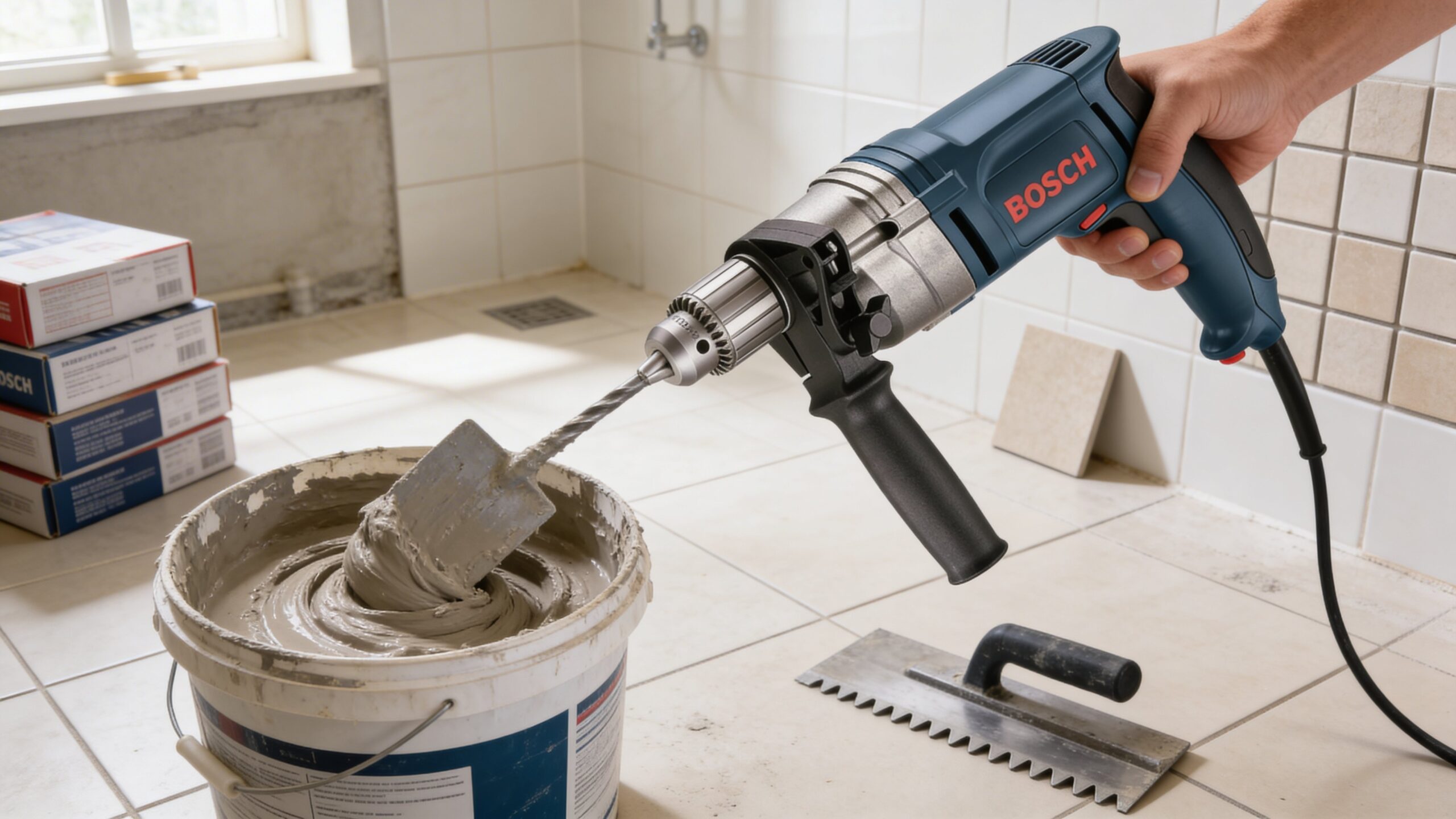
Standard-Torque Mixing Drill

Standard-Torque Mixing Drill

A more versatile everyday option for lighter compounds, smaller batches, and general-purpose mixing where easier handling and lower buy-in matter more than maximum pulling force.

Score 8.5 Best for lighter daily mixing Battery corded Why buy easier handling + value
  • Feels easier to manage for smaller batches and less dense materials
  • Often makes more sense when mixing is occasional rather than constant
  • Good fit for painters, remodelers, and general contractors doing varied work
Power under load
More headroom in dense mixes
Fine for lighter compounds
High-Torque
Control & clutch consistency
Excellent when loaded
Good in moderate resistance
High-Torque
Ergonomics (feel + fatigue)
Heavier, more planted feel
Lighter, easier to manage
Standard-Torque
Value (typical kit pricing)
Costs more for the capability
Usually the cheaper entry point
Standard-Torque
Battery ecosystem depth
Purpose-built for tougher mixing
Broader fit for general tasks
Tie
Real-world context
This comparison reflects a synthesis of professional reviews, manufacturer data, long-term user feedback, and use-case patterns to highlight how each drill type typically performs in everyday projects.

High-Torque — Why people choose it

  • Better suited to mortar, thinset, grout, and heavier batch materials
  • Maintains steadier mixing pace when resistance builds in the bucket
  • Makes more sense for pros who mix frequently and cannot afford slowdowns

Standard-Torque — Why people choose it

  • Strong everyday option for paint, drywall mud, and lighter compound work (with better overall value)
  • Usually easier to carry, control, and use across shorter mixing sessions
  • Smart fit when you want one mixer for occasional jobs without stepping up to a heavier-duty class
Verdict: Choose High-Torque if your work regularly involves dense materials, larger paddles, and repeat mixing where staying composed under load matters more than saving a little upfront. Choose Standard-Torque if you mostly handle lighter compounds, smaller batches, or mixed trade work where easier handling and lower cost make better day-to-day sense. For dedicated pro mixing, the high-torque class is the stronger buy.
Read FAQs

Deep dive

What actually matters in this matchup

High-torque and standard-torque mixing drills can look similar at a glance, but they behave differently once the bucket starts fighting back. The meaningful differences show up in how smoothly each tool ramps into a mix, how steady it stays when material thickens, and how much effort it takes to keep the paddle under control without overworking the motor—or your wrists. This section focuses on real workflow outcomes: predictable starts, stall resistance, fatigue over repeated batches, and how “easy to manage” the tool feels when mixing isn’t a one-off task.

When the mix gets heavy: high-torque drills tend to feel calmer and harder to bog down as mortar, thick thinset, or dense compound tightens up. Standard-torque drills can still do the job, but they’re more likely to feel “on the edge” in thicker buckets, which can lead to slower pacing, smaller batch sizes, or more frequent pauses to keep things controlled.

Starts, control, and wrist management: standard-torque drills often feel easier for light-duty mixing where finesse matters—quick paint blending, smaller buckets, and materials that don’t grab the paddle. High-torque drills usually reward a steadier two-hand stance and a deliberate start, but they can provide more confidence when the paddle catches and tries to twist, especially in sticky mixes.

Fatigue over repeated batches: the “right” tool depends on how often you mix and how long sessions run. High-torque formats are built for sustained resistance and tend to hold their pace better when the work is repetitive. Standard-torque formats can be easier to carry and handle for quick prep work, but extended heavy mixing can feel like the tool is working harder than it wants to—and you will, too.

Reliability confidence and day-to-day durability: mixing is a high-stress job for any drill. High-torque tools are typically designed with that workload in mind, which can translate into fewer “soft spots” in demanding mixes and less worry about pushing the tool beyond its comfort zone. Standard-torque tools are often a better match when heavy mixing is occasional and most work stays in lighter materials.

Ownership and flexibility: for many buyers, the decision isn’t just this job—it’s the next one. If the tool will live on a jobsite and see frequent heavy compound, buying into a more capable mixing-focused setup reduces compromises over time. If mixing is only one part of a broader set of tasks, a standard-torque option can be the more flexible “grab-and-go” choice without committing to heavy-duty capacity you rarely need.

Bottom line in plain terms: choose high-torque when your work regularly involves thick materials, larger paddles, or repeated full buckets and you want the most stable feel under resistance. Choose standard-torque when most mixes are lighter, batch sizes are smaller, and day-to-day handling and versatility matter more than maximum load tolerance.

Methodology

How we evaluated these mixing drills

Our evaluation focused on real mixing tasks that reveal practical differences between high-torque and standard-torque mixing drills—not spec-sheet claims. We prioritize how each drill behaves when material resistance changes, how predictable control feels at the start of a mix, and how manageable the tool remains over repeated batches in everyday work.

Tasks: mixing lighter materials (paint and drywall mud), medium-weight mixes (thinset and general-purpose compound), and heavier loads (thicker mortar-style mixes) to observe ramp-up control, stall resistance, and how steadily each drill maintains a workable pace as the bucket tightens.

What we scored: power delivery under real load, low-speed control and start behavior, ergonomics and wrist management, fatigue across repeated batches, build confidence for high-stress mixing work, and ownership factors that affect day-to-day use (accessories, platform flexibility, and long-term practicality).

How results are interpreted: outcomes are assessed using a context-aware approach, because “better” depends on the job. Heavy, repeated mixing rewards stability under resistance, while lighter prep work rewards ease of handling and controllability. We weigh findings based on how these tools are typically used in real workflows rather than forcing a one-size-fits-all conclusion.

What we ignored: advertised torque figures, isolated lab-style claims, and feature callouts that don’t reliably translate into repeatable mixing performance, smoother control, or reduced fatigue in real buckets.

FAQ

High-Torque vs Standard-Torque Mixing Drills: Common questions

Do I really need a high-torque mixing drill?
It depends on what and how often you mix. If thick mortar, heavy compound, or repeated full buckets are part of your routine, a high-torque drill provides more stability and less strain. For occasional or lighter mixing, a standard-torque model is often sufficient.
Will a standard-torque drill struggle with thicker materials?
Standard-torque drills can handle moderate mixes, but they may feel more taxed as material thickens. This can mean slower pacing or smaller batch sizes. If heavy mixes are frequent, a high-torque design typically maintains steadier control.
Is there a noticeable difference in control at startup?
Yes. High-torque drills often feel more authoritative when the paddle first engages dense material, while standard-torque drills may feel smoother in lighter compounds. The difference is most noticeable when the mix offers strong resistance.
Which type is easier to manage for quick prep work?
For small batches of paint, drywall mud, or thinset, standard-torque drills are generally easier to handle and quicker to deploy. High-torque models are more beneficial when the job consistently demands higher resistance and longer mixing sessions.
Does choosing high-torque mean more fatigue?
Not necessarily. High-torque drills may feel heavier, but they often require less effort to keep moving through dense material. Fatigue depends on the workload: lighter tasks may favor a standard-torque model, while heavy mixing can actually feel easier with added torque capacity.
How should I decide if I mix a variety of materials?
Consider the heaviest material you regularly work with. If thick mixes are occasional and most tasks are light-duty, a standard-torque drill offers flexibility. If demanding batches are common, choosing high-torque reduces compromise over time.

Key Takeaways

  • High-torque mixing drills make the most sense when thick materials and repeated full buckets are routine, because they maintain steadier control as resistance increases.
  • Standard-torque mixing drills are often the more practical choice for lighter compounds and smaller batches, where ease of handling and flexibility matter more than maximum load capacity.
  • The real difference shows up under sustained strain—high-torque models reduce compromise in heavy mixes, while standard-torque tools can feel closer to their limits.
  • For occasional heavy mixing, a standard-torque drill can work, but workflow may need to adjust through smaller batches or slower pacing.
  • If mixing is only one part of a broader tool lineup, overall versatility and day-to-day comfort may outweigh the benefits of higher torque capacity.
  • Choosing between them ultimately depends on the heaviest material you regularly mix and how often you expect the tool to operate near its limits.

Verdict

The Right Mixing Drill Comes Down to Your Typical Load

In a true head-to-head, the better choice is the drill that stays predictable as material resistance changes, supports your batch size and pace, and feels sustainable over the kind of mixing you do most often.

#1 Winner

High-Torque Mixing Drill

Best fit when heavy mixes are common—offering steadier control under resistance and fewer compromises once thick material starts to fight the paddle.

  • Stays more composed as dense mixes tighten up and load increases
  • Better match for repeated full buckets and heavier-duty mixing sessions
  • Reduces the need to slow down or shrink batches to keep things manageable

Runner-up

Jump to the Head-to-Head

Tip: If most of your work is paint, drywall mud, or light thinset, standard-torque may be the better long-term fit; frequent thick mortar-style mixing favors high-torque capacity.

Where to Buy

We prioritize reputable sellers, easy returns, and reliable availability.

Price checks happen regularly. Some links may earn a commission—never affects rankings.

Accessories You’ll Want

  • Mixing paddle set (one for thinset/adhesives and one for drywall mud or paint to avoid cross-contamination)
  • Heavy-duty 5-gallon mixing buckets (sturdier walls and reinforced rims hold up better to paddle contact and repeated batches)
  • Bucket lid and pour spout (helps keep mixes usable between batches and reduces mess during transport)
  • Spare chuck key or keyless chuck adapter (makes it easier to swap paddles and keep secure grip on larger shafts)
  • Cleaning brush and paddle scraper (speeds cleanup and helps prevent hardened buildup that affects balance and mixing efficiency)

Tip: Match the paddle type and shaft size to your drill’s chuck and the material you mix most—using the wrong paddle is where control and performance usually fall apart.