
How Corded Drills Works

Corded drills are often viewed as simple plug-in tools, yet their internal operation involves a coordinated sequence of electrical and mechanical processes. Misunderstandings typically arise from reducing the system to “a motor that spins,” overlooking how current flow, magnetic fields, rotational transfer, and gear reduction work together to generate controlled torque at the chuck.

This explainer outlines the complete pathway from wall outlet to rotating bit. It examines the role of the power cord, trigger switch, carbon brushes, armature, field windings, gearbox, and spindle assembly. By the end, readers will understand how electrical energy is converted into sustained rotational force through an integrated motor and gear system.
By: Review Streets Research Lab
Updated: April 20, 2026
Explainer · 8–12 min read
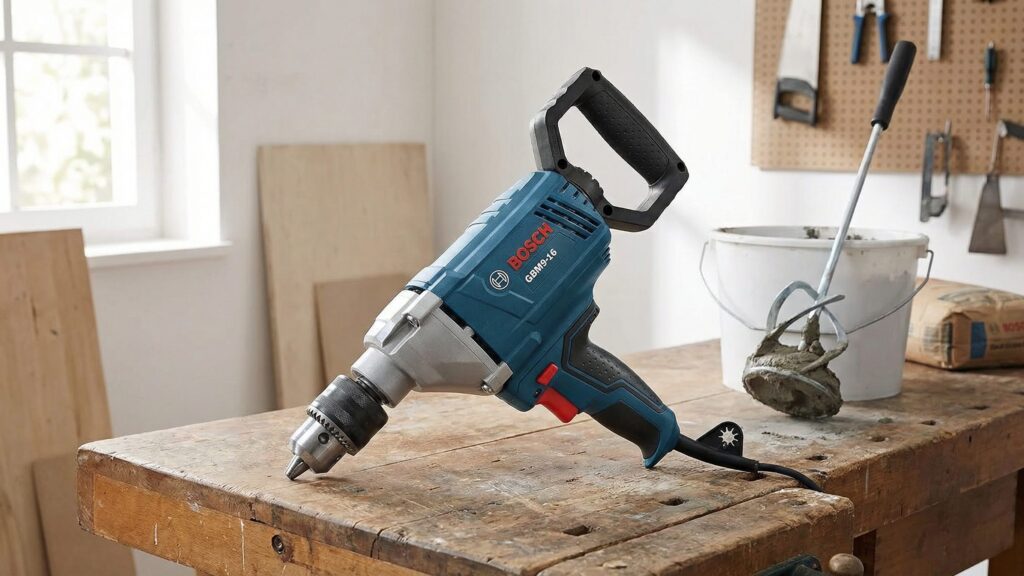
Cutaway view of a corded drill showing internal motor, carbon brushes, armature, gearbox, chuck, and power cord connection
What You’ll Learn

How Battery Capacity Shapes Drill Behavior

A system-level explanation of how battery capacity functions within a cordless drill, clarifying how stored energy, electrical limits, and load interact during operation.

  • What battery capacity represents electrically, beyond simple runtime assumptions
  • How amp-hours relate to stored charge across different voltage systems
  • Why current draw determines how quickly capacity is consumed
  • How internal resistance causes heat, losses, and voltage sag
  • What role battery management systems play in limiting usable capacity
  • How temperature changes effective capacity during sustained operation
  • Why capacity alone cannot predict delivered power or torque

Tip: Think of capacity as stored charge, then follow how electrical demand and resistance govern how quickly that charge can be used.

Definitions

Key Parts That Make a Corded Drill Work

Understanding the internal components clarifies how electrical energy is directed, converted, and transmitted through the drill’s mechanical system.

Power Cord and Trigger Switch

The cord delivers alternating current from the outlet, while the trigger switch controls how that current enters the motor circuit. Together, they regulate when and how energy begins flowing through the system.

  • Current Path: Conducts household electricity into the internal wiring
  • Switch Contacts: Open and close the circuit to start rotation
  • Speed Modulation: Vary trigger pressure to adjust motor input

Carbon Brushes and Commutator

These components transfer electrical current to the spinning armature. Their interaction maintains continuous magnetic force as the motor rotates under load.

  • Brush Contact: Maintains sliding electrical connection during rotation
  • Commutation: Reverses current direction within armature windings
  • Wear Cycle: Friction gradually shortens brushes over time

Electric Motor Assembly

The motor converts electrical energy into rotational motion using magnetic fields generated between field windings and the armature. This interaction produces the spinning force that drives the drill.

  • Field Windings: Create a stationary magnetic field inside housing
  • Armature: Rotates within the magnetic field to produce torque
  • Heat Generation: Electrical resistance produces thermal buildup during operation

Gear Reduction System

The gearbox converts high motor speed into lower-speed, higher-torque rotation at the output shaft. This mechanical advantage allows controlled drilling under resistance.

  • Speed Conversion: Reduces RPM while multiplying torque output
  • Gear Train: Transfers rotational force through interlocking gears
  • Load Distribution: Spreads mechanical stress across components

Spindle and Chuck Assembly

The spindle carries rotational force from the gearbox to the chuck, which grips the bit. This assembly ensures energy is transferred directly into the cutting or driving interface.

  • Spindle Shaft: Connects gearbox output to the chuck mechanism
  • Jaw Mechanism: Centers and secures the drill bit
  • Runout Control: Minimizes wobble during high-speed rotation

Torque Transmission

Torque is the rotational force delivered at the chuck after electrical energy passes through the motor and gears. Its consistency depends on stable current flow and effective gear reduction.

  • Rotational Force: Measures twisting strength at the bit
  • Load Response: Maintains rotation against material resistance
  • System Balance: Reflects coordination of electrical and mechanical elements

Tip: View a corded drill as an energy chain: electrical input becomes magnetic force, mechanical rotation, then controlled torque at the bit.

Power Path

How Power Moves Through a Corded Drill

A corded drill relies on continuous alternating current supplied through a wall outlet. That electrical energy travels through a defined internal pathway before emerging as rotational force at the chuck.

  • Alternating current enters through the cord and passes the trigger switch
  • Carbon brushes transfer current to the rotating armature windings
  • Magnetic interaction between field and armature creates rotation
  • The gearbox converts high-speed rotation into higher torque output
  • The spindle and chuck transmit torque directly to the bit

Any inefficiency along this chain reduces the stability and consistency of torque delivered at the cutting edge.

Motors

How a Brushed Electric Motor Generates Rotation

Corded drills typically use brushed universal motors designed to operate on alternating current. Their operation depends on controlled electrical switching within a rotating magnetic field.

  • Field windings create a stationary magnetic field inside the housing
  • The armature spins as current alternates through its windings
  • The commutator reverses current direction to sustain continuous rotation

The motor’s design determines how efficiently electrical input becomes stable rotational force under load.

Gearing

How Gear Reduction Converts Speed Into Torque

The motor spins at very high revolutions per minute, far beyond what drilling requires. A gear reduction system modifies that speed to produce usable torque.

  • Small motor gears drive larger gears to multiply torque
  • Reduced output speed increases resistance-handling capability
  • Gear alignment affects smoothness and mechanical efficiency

The character of the drill under resistance is largely shaped by how effectively this gear train manages rotational force.

Heat Management

Why Electrical Resistance Creates Heat Inside the Housing

As current flows through windings and brushes, electrical resistance generates heat. Sustained operation increases internal temperature, influencing efficiency and component longevity.

  • Resistance in copper windings converts part of energy into heat
  • Brush friction produces additional thermal buildup at the commutator
  • Ventilation channels help dissipate accumulated internal heat

Thermal behavior directly affects how consistently the drill maintains rotational output over extended operation.

User Control

How Trigger Modulation Influences Rotational Speed

The trigger mechanism regulates how much current enters the motor, directly affecting rotational speed. This control shapes how smoothly force is applied to the material.

  • Partial trigger pressure limits current and lowers RPM
  • Full trigger engagement allows maximum motor speed
  • Mechanical balance influences how rotation feels under resistance

The interaction between electrical input and mechanical balance determines how precisely rotational energy is applied at the bit.

Quick Reality Check

Where Corded Drills Excel — and Where Limits Appear

A grounded look at how continuous wall power shapes performance strengths, and where mechanical design introduces practical constraints.

Consistent Power Delivery

Corded drills draw uninterrupted alternating current, allowing the motor to maintain stable rotational speed under sustained electrical load.

During extended drilling into dense material, output remains steady because performance is not dependent on stored battery capacity or discharge rate.

Mechanical and Mobility Constraints

Because they rely on a physical power cord and brushed motor components, corded drills are subject to cable management limits and internal wear over time.

Brush friction, commutator contact, and heat buildup can gradually affect efficiency, especially during prolonged high-resistance operation.

Common Myths

Misconceptions About How Corded Drills Work

Corded drills are often oversimplified as basic plug-in tools, but their internal electrical and mechanical systems are more nuanced than commonly assumed.

Corded drills deliver unlimited raw power

While corded drills have continuous access to wall current, output is still limited by motor design, internal resistance, and heat dissipation. Electrical supply alone does not override the mechanical and thermal constraints built into the system.

More amps automatically mean more torque

Current draw reflects how much electricity the motor can use, but torque depends on magnetic field strength and gear reduction. Without effective gearing and efficient windings, higher amperage does not directly translate into greater rotational force.

Motors simply spin when powered

Rotation occurs through controlled interaction between field windings, armature coils, brushes, and the commutator. The process requires continuous current switching to maintain directional magnetic forces that sustain motion.

Gears only affect drilling speed

The gear train does more than reduce revolutions per minute; it multiplies torque and distributes mechanical load. Its configuration shapes how the drill responds when resistance increases during operation.

Heat has little impact on performance

Electrical resistance in windings and friction at the brushes generate heat that influences efficiency and internal wear. As temperature rises, energy losses increase, affecting how steadily rotational force is maintained.

Tip: Think of a corded drill as an integrated energy system where electrical flow, magnetic interaction, gearing, and heat all shape real-world rotational behavior.

FAQ

Frequently Asked Questions About How Corded Drills Work

Clear explanations of how electrical flow, motor design, gearing, and heat interact inside a corded drill during real operation.

What actually determines how “powerful” a corded drill feels?

Perceived power reflects the interaction of motor windings, magnetic field strength, gear reduction, and heat buildup. Continuous wall current provides steady input, but torque at the bit depends on how efficiently electrical energy becomes rotational force under load.

Does a higher amp rating mean faster drilling?

An amp rating indicates how much current the motor can draw, not the final speed at the chuck. Bit speed depends on motor RPM and gear reduction, while torque depends on magnetic force and mechanical advantage.

Why do corded drills use carbon brushes?

Carbon brushes maintain electrical contact with the rotating commutator, allowing current to flow into the spinning armature. This controlled switching of current direction sustains continuous magnetic interaction that keeps the motor turning.

Why does a corded drill get hot during use?

Heat develops from electrical resistance in copper windings and friction between brushes and the commutator. As temperature rises, efficiency decreases slightly because more input energy is converted into thermal loss rather than rotational work.

How does the gearbox increase torque?

The motor spins at high revolutions per minute, which are reduced by a gear train connected to the output shaft. By lowering rotational speed, the gears multiply torque, enabling the drill to resist higher material loads.

Why can a drill stall under heavy resistance?

Stalling occurs when resistance at the bit exceeds the torque available after gear reduction. In that moment, magnetic force in the motor cannot overcome opposing load, and rotation slows or stops.

What causes wobble at the drill bit?

Wobble, or runout, results from misalignment in the chuck jaws, wear in the spindle assembly, or slight manufacturing tolerances. Even small deviations at the shaft can amplify visibly at the rotating bit.

How does trigger pressure control speed?

The trigger regulates how much current enters the motor circuit, which directly affects magnetic field strength and rotational speed. Partial engagement limits input, producing lower RPM, while full engagement allows maximum designed speed.

Tip: When diagnosing behavior, trace the energy path from electrical input to magnetic force, gear reduction, and finally torque at the bit.

Bottom Line

Corded drills convert continuous electrical input into controlled rotational torque. Current flows through brushes and windings to create magnetic force, which gearing refines into usable torque while heat and mechanical limits shape sustained performance.

With this energy-path perspective, drill behavior under load becomes easier to interpret in terms of electrical flow, magnetic interaction, gear reduction, and thermal buildup.

Next Steps

Explore Lists, Comparisons, and Buying Guides

With the internal mechanics clarified, these pages help translate system knowledge into practical evaluation and selection context.

Corded Drill Roundups

An organized overview of leading corded drills, structured by use case, power class, and workload expectations.

Corded Drill Comparisons

Side-by-side breakdowns that examine motor design, torque delivery, gearing behavior, and sustained performance under load.

Corded Drill Buying Guides

In-depth guidance explaining which specifications reflect real-world behavior and how electrical and mechanical systems influence long-term use.

Quick Summary

How Corded Drills Work

  • Alternating current flows through brushes into rotating armature windings
  • Magnetic interaction converts electrical energy into continuous rotation
  • Gear reduction trades high motor speed for usable torque
  • Heat from resistance and friction affects sustained efficiency
  • Torque at the bit reflects the entire electrical-mechanical system