How Gym Bags Work

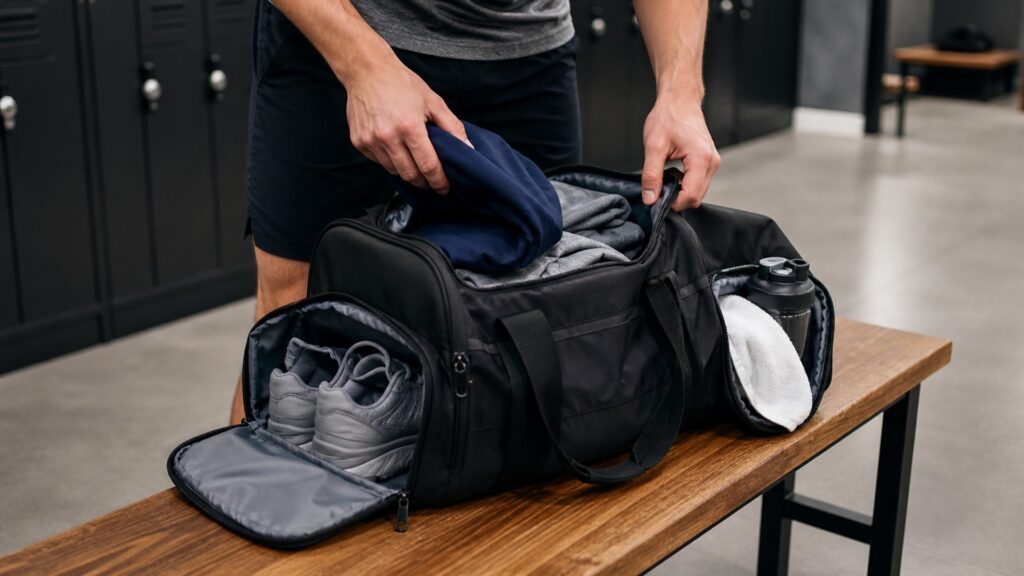
Gym bags work by organizing the items that move between home, work, the gym, and laundry. A good gym bag is not just an empty compartment. It manages shoes, sweaty clothes, bottles, electronics, towels, straps, toiletries, and small essentials so the routine is easier to start and clean up.

The best gym bag depends on what the user carries and when they carry it. A commuter may need laptop separation. A lifter may need room for belt, wraps, and shoes. A class user may need wet storage, bottle access, and a compact locker fit.

By: Review Streets Research Lab
Updated: September 23, 2026
Explainer · 8-12 min read
gym bags explainer hero image for Review Streets
What You'll Learn

How Gym Bags Organize The Training Day

A practical look at compartments, carry comfort, ventilation, durability, and routine fit.

  • How compartments separate clean, dirty, dry, and wet items
  • Why carry comfort matters once the bag is packed
  • Where shoe and laundry storage help
  • How durability affects daily use
  • What to check before choosing a gym bag

Tip: Judge gym bags by the real problem they solve in the routine.

Definitions

Key Concepts Behind Gym Bags Work

These concepts clarify the practical details that shape the buying decision.

Storage Layout

Storage layout is how the bag separates shoes, clothes, bottles, electronics, and training gear.

  • Example: a main compartment plus a shoe pocket and wet pocket
  • Check: pack the items used most often
  • Limit: too many pockets can waste space

Carry Comfort

Carry comfort is how the straps, handles, padding, and shape feel when the bag is loaded.

  • Example: a shoulder strap that does not dig in during a commute
  • Check: test the bag with real weight
  • Limit: empty bags can feel better than packed bags

Ventilation

Ventilation helps damp shoes, towels, and clothes dry or stay separated.

  • Example: a vented shoe compartment
  • Check: look for airflow around wet items
  • Limit: venting does not replace washing gear

Durability

Durability is how well fabric, zippers, seams, and base panels handle repeated use.

  • Example: reinforced bottom fabric for locker-room floors
  • Check: inspect zippers and stress points
  • Limit: heavy-duty materials can add weight

Access Speed

Access speed is how quickly the user can reach common items.

  • Example: a side bottle pocket or easy key pocket
  • Check: find essentials without unpacking everything
  • Limit: fast access can reduce security

Routine Fit

Routine fit is how well the bag matches the user's commute, locker, workout, and laundry pattern.

  • Example: a compact duffel for gym and office use
  • Check: compare size against the actual day
  • Limit: one bag may not fit every trip

Tip: A useful product should reduce friction without hiding a more important training problem.

Organization

The Bag Separates The Day Into Zones

A gym bag works best when it prevents clean clothes, wet gear, shoes, bottles, and small essentials from all landing in one messy pile.

  • Use separate spaces for shoes and clothes.
  • Keep small essentials easy to reach.
  • Avoid layouts that waste the main compartment.

Good organization makes the routine faster.

Carry

Comfort Changes Once The Bag Is Full

A bag that feels fine empty can pull, sag, or dig into the shoulder when packed. Strap design and balance matter for real use.

  • Test the bag with realistic weight.
  • Check shoulder straps and handles.
  • Watch whether the load shifts while walking.

The carry system matters as much as capacity.

Wet Gear

Sweaty Items Need A Plan

Gym bags often carry damp towels, shoes, or clothes. Venting and separation help keep the rest of the bag usable.

  • Look for wet or vented compartments.
  • Separate shoes from clean clothes.
  • Empty the bag after training.

Storage helps, but cleaning habits still matter.

Durability

Zippers And Seams Take The Abuse

The weak points of a gym bag are usually the zipper, shoulder strap, bottom panel, and seams. Daily use exposes those quickly.

  • Inspect stress points.
  • Check zipper size and smoothness.
  • Choose materials that match the commute.

Durability shows up in the details.

Fit

The Best Bag Matches The Routine

A gym bag should fit the locker, commute, car, bike ride, or office day it serves. Oversized bags can become as annoying as undersized ones.

  • Pack a normal training day mentally.
  • Check locker and storage dimensions.
  • Choose size for repeated use, not rare edge cases.

Routine fit is what makes the bag work.

Quick Reality Check

Where Gym Bags Help And Where They Have Limits

A good bag reduces routine friction, but it cannot fix every habit.

Where They Help

They keep training gear organized, separated, and easier to carry.

They can make gym trips easier to prepare and clean up.

Where They Have Limits

They do not replace washing, unpacking, or planning.

Too many compartments can become clutter if they do not match the routine.

Common Myths

Misconceptions About How Gym Bags Work

A bigger bag is not automatically better.

More pockets always help

Pockets help only when they match the items carried.

Any duffel works for the gym

A generic duffel may lack wet storage, shoe space, or small-item access.

Ventilation solves odor by itself

Ventilation helps, but damp items still need to be removed.

Capacity matters more than carry comfort

A packed bag has to be comfortable enough to use repeatedly.

Tip: If the product does not fit the actual routine, the feature list matters less.

FAQ

Frequently Asked Questions About Gym Bags

Short answers for practical buying and training decisions.

What makes a gym bag different from a regular bag?

A gym bag usually prioritizes gear separation, wet storage, shoe space, and quick access.

Do I need a shoe compartment?

You need one if shoes regularly share space with clean clothes or office items.

What size gym bag is best?

The best size fits the user's normal gear and storage space without excess bulk.

Are waterproof pockets important?

They help for wet towels, toiletries, or swim gear, but they still need cleaning.

What is the practical takeaway?

Choose a gym bag around the items and route you use most often.

Bottom Line

Gym bags work by organizing, separating, and carrying the gear that moves through a training day.

The strongest choice fits the user's normal routine, not an imaginary worst-case packing list.

Next Steps

Go Deeper or Compare Your Options

Use these Review Streets paths to compare related categories and practical next decisions.

Gym Bags

Explore the gym bag category.