
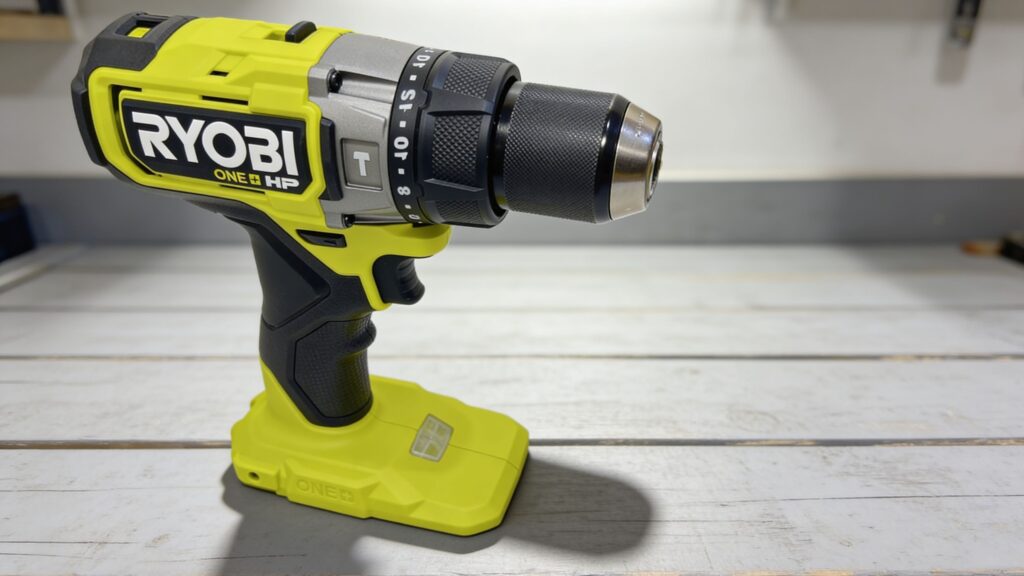
How Hammer Drills Work

Hammer drills are often associated with raw force, yet their function is rooted in a precise mechanical system that combines rotational motion with rapid, controlled impacts. The interaction between internal components creates a distinct drilling action that differs fundamentally from standard rotary tools. This layered movement can appear simple from the outside, but the coordinated mechanics inside are what make the process effective.

This explainer outlines how the internal hammering mechanism operates alongside continuous rotation to produce repeated forward strikes. It breaks down the role of key moving parts, the sequence of motion, and how energy is transferred through the tool during operation. By the end, the reader will understand the structural principles that define how hammer drills function.

By: Review Streets Research Lab
Updated: April 20, 2026
Explainer · 8–12 min read
Close-up view of a hammer drill in action driving into a concrete wall, showing dust particles, rotating bit motion, and internal percussion force demonstration in a workshop setting
What You’ll Learn

How Hammer Drills Work

A focused breakdown of the internal motion, impact system, and energy transfer that create repeated forward strikes while maintaining steady rotational drilling movement.

  • How rotational force and internal impacts combine to produce repeated forward striking motion
  • What internal hammer mechanisms do during continuous drilling into dense masonry materials
  • How energy transfers from motor rotation into controlled forward percussive force
  • Why synchronized movement between gears and pistons creates consistent impact timing
  • What mechanical forces cause vibration, resistance, and changes in drilling pressure
  • How material density influences the frequency and strength of repeated internal strikes
  • What role internal spacing and movement cycles play in sustaining forward momentum

Tip: Think of the system as rotation driving a repeating forward pulse, where continuous motion creates small, rapid impacts that steadily break material apart.

Definitions

Key Parts That Make a Hammer Drill Work

Understanding how the internal components interact makes it easier to see how rotational force and repeated impacts combine into a coordinated mechanical drilling system.

Drive Motor

The motor produces continuous rotation that powers both the spinning bit and the internal impact mechanism. Its motion sets the entire system of gears and striking parts into synchronized movement.

  • Rotation source: Provides the base spinning force for drilling motion
  • Energy transfer: Feeds movement into gears and internal striking components
  • Load response: Adjusts speed as resistance increases during material contact

Hammer Mechanism

The internal hammering assembly converts rotational motion into rapid forward pulses. These repeated strikes work alongside spinning to help break apart dense material at the point of contact.

  • Impact cycle: Generates small forward hits with each rotation cycle
  • Force timing: Synchronizes striking motion with continuous spinning action
  • Material interaction: Helps fracture rigid surfaces while the bit advances

Gear Train

The gear system channels motor rotation into controlled speed and force while also driving the hammer assembly. It coordinates how motion flows through the internal mechanism.

  • Speed control: Adjusts how fast the bit spins under changing resistance
  • Force routing: Transfers motion into both rotation and impact functions
  • Synchronization: Keeps moving parts operating in consistent repeating cycles

Impact Interface

This internal contact system converts spinning movement into rapid forward pulses through physical interaction between moving parts. It creates the repeating tapping motion felt during operation.

  • Contact motion: Uses mechanical interaction to create rhythmic forward force
  • Pulse pattern: Produces rapid, repeated striking sequences during rotation
  • Force direction: Channels energy straight through the bit into material

Chuck Assembly

The chuck holds the bit firmly and transfers both spinning and impact forces into it. It acts as the final connection point between internal motion and the drilling surface.

  • Grip pressure: Keeps the bit stable under vibration and impact
  • Force transfer: Passes rotation and striking energy directly to the bit
  • Alignment: Maintains straight motion into the drilling surface

Impact Energy

Impact energy describes the repeated forward force created by the hammering motion. It works together with rotation to gradually break apart rigid material through consistent mechanical strikes.

  • Strike force: Determines how strongly each forward pulse contacts the surface
  • Repetition rate: Controls how frequently impacts occur during drilling cycles
  • Combined action: Works with rotation to move material out of the hole

Tip: The system works as rotation driving a repeating internal strike, where synchronized motion converts spinning force into steady forward impacts through the bit.

Power Path

How Rotation and Impacts Are Driven Through the Mechanism

A hammer drill produces two coordinated motions—continuous rotation and repeated forward strikes—generated and routed through the same internal drive system. Following the path explains how the impacts stay synchronized with drilling motion.

  • The motor creates steady rotation that feeds the internal drive train
  • Gearing routes rotation to the bit while also driving the hammer action
  • A cammed or reciprocating interface converts rotation into forward striking pulses
  • The chuck transmits both rotational force and impact energy into the bit
  • Material resistance changes the load, altering how motion is sustained

When the motion path is well coordinated, rotation and impacts reinforce each other at the contact point.

Motors

How the Motor Sets the Rhythm of the Whole System

The motor is the source of continuous motion that drives both drilling rotation and the internal striking cycle. Its ability to maintain stable speed under resistance determines how consistently the hammering sequence repeats.

  • Motor rotation provides the baseline motion that all internal cycles depend on
  • Internal load increases when impacts engage, raising torque demand on the drive
  • Speed control changes how quickly the impact mechanism can complete its cycle
  • Heat and electrical limits can reduce available rotation, slowing the impact rhythm

Because the hammering action is derived from rotation, motor behavior propagates through the entire mechanism.

Gearing

How Gearing Coordinates Speed, Force, and Impact Timing

Gearing shapes how rotational speed and available force are distributed between the bit and the hammer mechanism. The same gear train that drives the chuck also governs how quickly internal parts can build and release each strike.

  • Gear reduction increases available twisting force while lowering rotational speed
  • Lower speed can lengthen the time between impacts by slowing the cycle
  • Higher speed increases cycle frequency, changing how impacts stack over time
  • Gear fit and alignment affect vibration and consistency in repeated strike timing

Gearing acts as the coordinator that keeps rotation and impacts operating in a stable pattern.

Heat Management

How Heat Changes Output by Shifting Internal Limits

Hammer drilling loads the motor and drive train with both rotation and repeated impacts, which raises internal temperatures quickly. As heat increases, electrical and mechanical limits change how much motion the system can sustain.

  • Electrical resistance rises with temperature, reducing usable power for rotation
  • Controllers can reduce current flow to protect windings and internal circuitry
  • Friction increases as lubricants thin or redistribute under sustained movement
  • Impact parts generate localized heat where surfaces repeatedly contact and release

As limits tighten, the drill’s rotation and impact rhythm can soften even without visible changes.

User Control

How Stability and Feed Pressure Affect the Mechanism’s Cycle

Hammer drills rely on consistent contact between the bit and material to keep the impact mechanism cycling predictably. Stability and feed pressure influence how effectively the internal strikes couple into the surface rather than dissipating as vibration.

  • Steady alignment keeps rotation centered so impacts travel straight into the bit
  • Insufficient contact can interrupt the strike cycle by reducing coupling at the tip
  • Excessive pressure can increase friction, raising load and altering cycle consistency
  • Vibration feedback reflects how impacts are transferring through the chuck and bit

When contact conditions are stable, the internal cycle remains synchronized and repeatable through the drilling sequence.

Quick Reality Check

Where Hammer Drills Shine — and Where They Don’t

A straightforward balance: where the hammering mechanism adds clarity and progress, and where heat, load, and contact conditions reveal limits.

Where Impacts Add Useful Motion

The hammer mechanism introduces rapid forward pulses that help fracture rigid surfaces while rotation clears material, keeping the cutting edge engaged instead of skating.

In dense masonry, the repeating strike cycle reduces reliance on pure twisting force, so the bit advances through progressive chipping at the contact point.

Where the System Runs Into Limits

Impact cycles raise internal load and friction, which accelerates heat buildup and can reduce available rotation as electrical and mechanical limits tighten.

If the bit is misaligned or contact pressure is inconsistent, impacts dissipate as vibration, interrupting the strike rhythm and slowing material removal.

Common Myths

Misconceptions About How Hammer Drills Work

Hammer drills are often misunderstood as “stronger drills” rather than a system that layers rotation with timed impacts under specific contact and load conditions.

Hammer mode is just higher torque

Hammer drilling is not a torque increase; it is a separate motion that adds rapid forward pulses to rotation. The impacts come from internal moving parts cycling and striking, while rotational force continues to drive the bit’s cutting edges.

More impacts always drill faster

Impact rate alone does not determine progress because the strike has to couple into the material through the bit tip. If contact is unstable or the bit cannot clear debris, impacts dissipate as vibration and the cutting action slows.

Hammer drills break material like a chisel

The mechanism produces small, rapid pulses rather than large blows. Those pulses help fracture rigid surfaces at the hole edge while rotation continues to scrape and remove material, so the process relies on repeated micro-fractures plus cutting.

Hammer drilling works the same on any surface

The impact mechanism is most effective when the material responds by cracking and shedding small particles. In softer materials, the strike adds vibration without meaningful fracture, and the system behaves primarily as a standard rotary drill.

If it vibrates, it is hammering correctly

Vibration can come from impacts transferring into the work, but it can also indicate misalignment or poor coupling at the tip. Effective hammering depends on impacts traveling through the bit into the surface rather than being absorbed by movement and chatter.

Tip: Treat a hammer drill as a synchronized system where rotation drives a repeating impact cycle, and the quality of contact determines whether those pulses become fracture or wasted motion.

FAQ

Frequently Asked Questions About How Hammer Drills Work

Clear answers to common follow-up questions about how rotation, internal impacts, load, and heat interact during hammer drilling.

What actually determines how “powerful” a hammer drill feels?

It comes from the combined system: how much rotation the motor can sustain under load, how consistently the hammer mechanism cycles, and how well impacts couple through the bit into the surface. Heat and internal limits can soften either rotation or impact rhythm, changing the overall feel.

Does a higher impact rate always mean faster drilling?

Not always. Impacts only help when they transfer energy into the material through stable contact at the bit tip, and when debris can clear the hole. If contact is inconsistent or the bit cannot evacuate material, a higher rate can translate into more vibration rather than more fracture.

What is the hammering action actually doing inside the tool?

The hammer mechanism converts part of the rotational motion into rapid, repeated forward pulses through interacting moving parts inside the housing. Those pulses travel through the chuck and bit, creating small, frequent strikes while the bit continues to cut and scrape during rotation.

Why does my hammer drill slow down or feel weaker over time?

Typically the system is hitting thermal or load limits. As temperature rises, electrical resistance and friction increase, and protective controls may reduce current to the motor. Reduced rotation also slows the internal strike cycle, so both drilling speed and impact intensity can drop together.

When should I use low gear vs high gear?

Use low gear when resistance is high and the mechanism needs more available turning force to keep rotation stable. Use high gear when resistance is lower and higher rotational speed helps the bit cut efficiently. Gear choice changes both bit speed and the pace of the impact cycle.

How is a hammer drill different from a rotary drill mechanically?

A rotary drill primarily delivers continuous rotation through the chuck into the bit. A hammer drill adds an internal mechanism that produces rapid forward pulses while rotation continues, so the bit experiences both twisting motion and repeated axial strikes that help initiate fracture in rigid materials.

Why does the drill vibrate more in hammer mode?

Vibration is a byproduct of repeated impacts and the rapid acceleration changes they create in the internal moving parts. When impacts couple cleanly into the surface, more energy is absorbed by fracture; when coupling is poor, more energy returns through the tool body as vibration and chatter.

What matters more for hammer drilling: the tool or the bit?

They operate as a single system. The drill provides the rotation and impact cycle, but the bit’s cutting edges and geometry determine how that energy becomes material removal and debris clearance. A mismatch can make impacts less effective by limiting cutting action or clogging the hole.

Tip: When behavior changes, separate the symptoms into rotation stability, impact coupling at the bit tip, and heat-related limiting, since each points to a different part of the system.

Bottom Line

Hammer drills work by combining rotation with timed internal impact pulses. Motor speed, gearing, and stable contact determine whether impacts couple into the surface or dissipate as vibration and heat.

With that system in mind, changes in drilling feel become readable signals of load, coupling, and thermal limiting rather than confusing “power” differences.

Next Steps

Go Deeper or Compare Your Options

Now that you understand how hammer drills work, these pages show where to go next for broader research, direct comparisons, and practical buying guidance.

Hammer Drill Roundups

A broader overview of hammer drill options organized by common needs, helping you see how different features and tool types fit different projects.

Hammer Drill Comparisons

A closer look at two tools at a time, with differences in impact action, drilling control, size, and intended use made easier to understand.

Hammer Drill Buying Guides

A practical guide to the specs, features, and jobsite considerations that matter most when choosing the right hammer drill for your work.

Quick Summary

How Hammer Drills Work

  • Rotation and repeated internal impacts combine to fracture dense material surfaces
  • Motor-driven gearing controls both drilling speed and impact cycle timing
  • Stable contact allows impact energy to transfer effectively into the drilling surface
  • Heat and load can reduce rotation speed and soften impact intensity
  • System behavior depends on synchronization between rotation, strikes, and material resistance