How Rear Drive Ellipticals Work

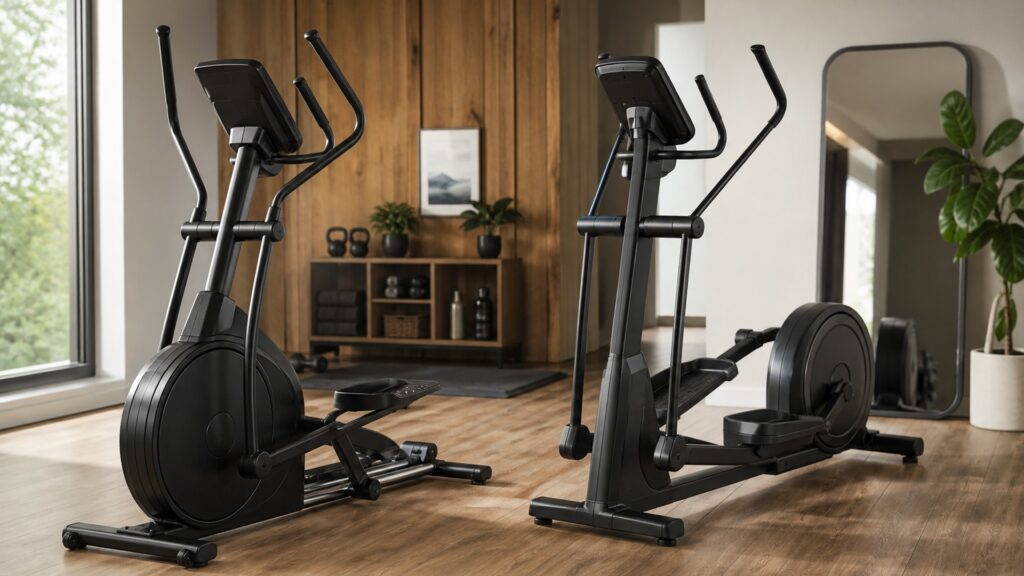
Rear drive ellipticals work by placing the flywheel and main drive system behind the user, then guiding the pedals through a long elliptical path. That rear placement often supports a smoother, flatter stride feel, depending on the frame, linkage design, and resistance system.

The design can feel natural for steady cardio, but it usually needs enough floor length. The practical test is whether the rear drive frame gives the user a comfortable stride, stable platform, and resistance range that fit the room and routine.

By: Review Streets Research Lab
Updated: October 6, 2026
Explainer · 8-12 min read
rear drive ellipticals explainer hero image for Review Streets
What You'll Learn

How Rear Drive Ellipticals Turn A Rear Flywheel Into A Stride

A practical look at rear drive layout, pedal motion, resistance, and room fit.

  • Why the drive system sits behind the user
  • How the pedals create a longer stride path
  • Where resistance changes the effort
  • Why floor length and stability matter
  • What to inspect before buying or using one

Tip: Judge the machine by the workout it supports repeatedly, not by one label or specification.

Definitions

Key Concepts Behind Rear Drive Ellipticals

These concepts connect the category name to the practical details a buyer should check.

Rear Drive Layout

A rear drive layout places the flywheel and drive housing behind the user.

  • Example: a longer elliptical with the main housing at the back
  • Check: look at the drive housing and frame length
  • Limit: rear placement alone does not prove quality

Elliptical Stride

Elliptical stride is the guided oval path followed by the pedals.

  • Example: a long, smooth motion during steady cardio
  • Check: test smoothness through the full cycle
  • Limit: stride feel varies by model

Linkage System

The linkage system connects the pedals to the drive mechanism.

  • Example: arms and joints coordinating pedal movement
  • Check: listen for clicking or rough movement
  • Limit: hidden parts still need durability

Resistance Control

Resistance control changes how hard the pedals are to move.

  • Example: magnetic resistance increasing during a hill program
  • Check: try several resistance settings
  • Limit: high resistance cannot fix poor stride fit

Footprint Length

Footprint length is the floor space the machine occupies from front to back.

  • Example: a rear drive frame needing more room than a compact option
  • Check: measure the machine and safe use space
  • Limit: longer length can be a placement challenge

Frame Balance

Frame balance is how evenly the machine supports the user's movement.

  • Example: a stable platform during faster cadence
  • Check: test wobble at workout speed
  • Limit: floor surface and assembly still matter

Tip: The best choice is the one whose motion, setup, and upkeep fit the user and the room.

Layout

The Drive System Sits Behind The User

The rear drive housing anchors the machine from the back. This layout gives the frame room to create a long guided stride in front of the drive system.

  • Check the full length before buying.
  • Make sure the rear housing does not block placement.
  • Leave room to get on and off safely.

Rear drive layout often trades compactness for stride feel.

Motion

The Pedals Follow A Guided Oval Path

Rear drive ellipticals use linkages and pedal arms to create the elliptical motion. A well-designed system should feel smooth through the entire cycle.

  • Test the stride for several minutes.
  • Notice whether the motion feels flat or steep.
  • Check comfort at normal cadence.

The pedal path determines whether the machine feels natural.

Resistance

Resistance Changes Effort While The Path Stays Guided

The resistance system makes the workout easier or harder without changing the basic pedal path. Smooth changes help the machine support warmups, steady sessions, and intervals.

  • Try low and high resistance.
  • Use preset programs only if they feel manageable.
  • Check whether changes interrupt rhythm.

Good resistance expands the machine's workout range.

Fit

Room Length Is Part Of The Design

Rear drive ellipticals can need more floor length than smaller designs. The machine should fit the room with enough clearance to move safely around it.

  • Measure the full footprint.
  • Leave safe side and rear space.
  • Check ceiling clearance with the user on the pedals.

The room has to support the whole stride system.

Upkeep

Smooth Motion Depends On Assembly And Care

A rear drive elliptical relies on stable joints, aligned linkages, and secure hardware. Proper assembly and routine checks help preserve the smooth feel.

  • Listen for new clicks or grinding.
  • Check bolts as instructed.
  • Stop use if movement becomes unstable.

Maintenance helps the rear drive system keep its intended feel.

Quick Reality Check

Where Rear Drive Ellipticals Help And Where They Have Limits

Rear drive design can support smooth cardio, but it still has practical constraints.

Where They Help

They can provide a long, steady stride feel.

They often suit users who prioritize motion quality over compact size.

Where They Have Limits

They may need more floor length.

They still require fit, stability, and maintenance checks.

Common Myths

Misconceptions About How Rear Drive Ellipticals Work

Rear drive placement is important, but it is not the only factor.

Rear drive always feels smoother

Many feel smooth, but frame quality and user fit decide the result.

Longer machines are always better

Extra length helps only if the stride and room fit work.

Resistance is the main difference

Motion geometry and stability matter just as much.

Rear drive machines need no setup attention

Assembly, floor level, and routine checks still affect performance.

Tip: Use strong claims as a reason to inspect fit, motion, and use conditions more carefully.

FAQ

Frequently Asked Questions About Rear Drive Ellipticals

Short answers for practical cardio equipment decisions.

What does rear drive mean?

It means the flywheel and main drive housing sit behind the user.

Do rear drive ellipticals feel different?

They often feel longer or flatter, but the exact feel depends on the model.

Are they good for home use?

Yes, if the room has enough floor length and clearance.

What should I test first?

Test stride smoothness, stability, resistance changes, and mounting comfort.

What is the practical takeaway?

A rear drive elliptical works best when its longer layout creates a comfortable stride that fits the room.

Bottom Line

Rear drive ellipticals work by using a rear-mounted drive system to guide the pedals through a controlled elliptical stride.

They are most useful when the user has room for the frame and prefers the motion it creates.

Next Steps

Go Deeper or Compare Your Options

Use these Review Streets paths to compare related categories and practical next decisions.