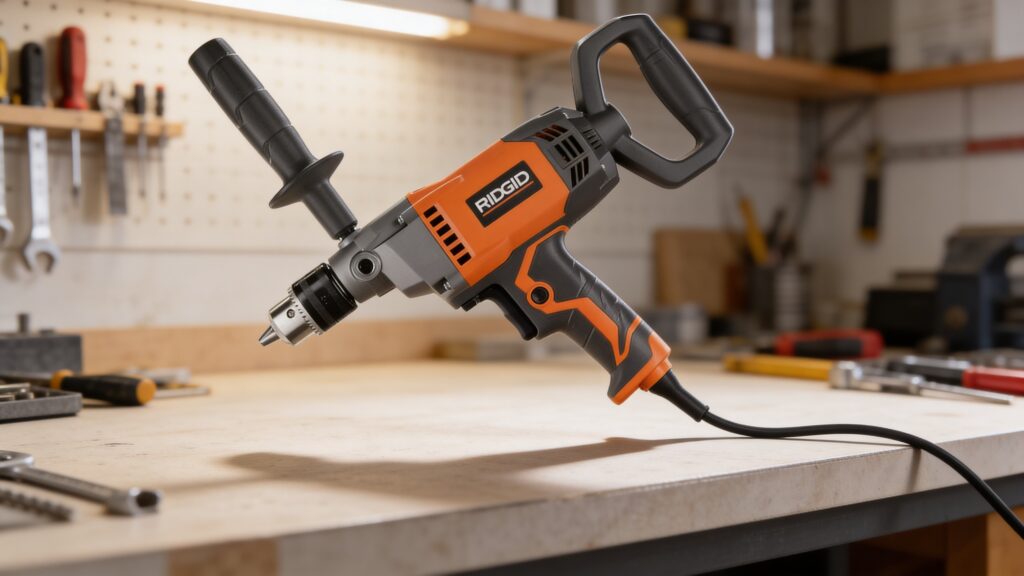
Selecting a mixing drill for tile adhesive and thinset requires more consideration than basic power ratings alone. These materials vary in density, aggregate content, and batch size, placing sustained load on motors and demanding consistent torque at controlled speeds. Projects may range from small residential tile installations to large-format floor systems, each requiring different mixing volumes and viscosity control. An underspecified drill can overheat or stall, while an oversized unit may sacrifice control and ergonomics. Understanding how the tool interacts with heavy, cement-based compounds is essential to achieving uniform consistency and proper material performance.
This buying guide clarifies the core factors that shape an informed decision, including torque output, variable-speed control, gearbox design, paddle compatibility, and duty cycle expectations. It explains key terminology related to mixing performance and outlines the tradeoffs between portability, power, and long-duration operation. By the end, readers will understand how to evaluate specifications in context, align tool capability with material demands, and select a configuration suited to the scale and frequency of their tile work.