
How to Choose a Rotary Hammer Drills Setup for Concrete Work
Choosing a rotary hammer drills setup for concrete work involves more than selecting a single tool. Different drilling depths, hole diameters, material density, duty cycles, and jobsite conditions all influence what kind of setup will feel balanced, controlled, and appropriate in use. What appears straightforward at first often becomes more layered once factors such as hammer mechanism, accessory compatibility, handling support, and dust management enter the decision.
This buying guide clarifies the terms, performance factors, and tradeoffs that shape a practical setup for concrete drilling. It explains how to think about power class, chuck type, operating modes, bit selection, control features, and safety considerations in a structured way. By the end, readers will understand the main decision criteria and how to evaluate a setup based on task demands rather than assumptions.
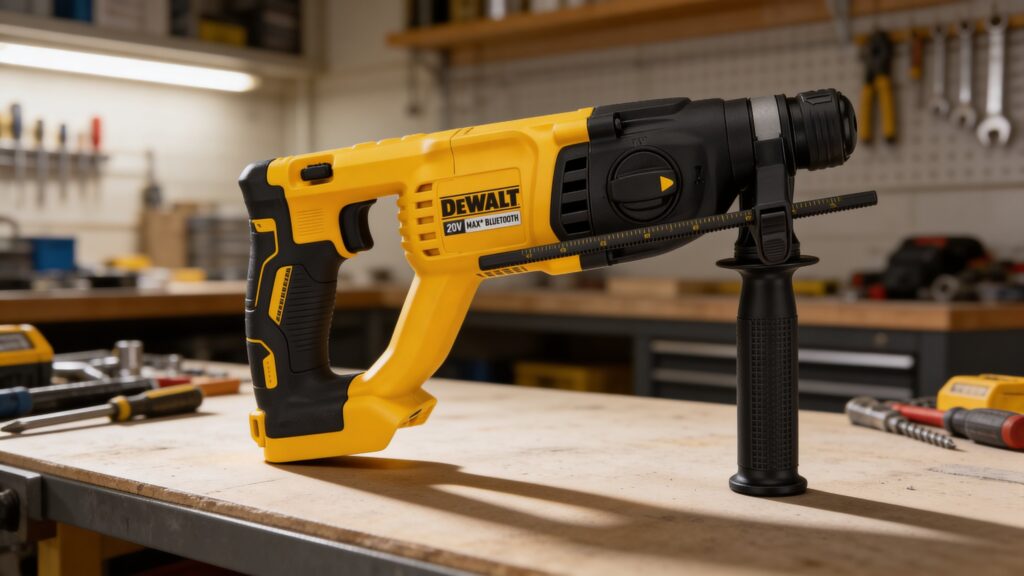
Buying framework
How to think about a rotary hammer setup for concrete work
A rotary hammer setup for concrete work is shaped by task demands more than raw tool output alone. The factors that affect real use include hole size, drilling depth, material hardness, working position, accessory fit, and how the setup manages control, vibration, dust, and repeatability over longer sessions. Use this framework to define what matters before narrowing the field.
Match the setup to the hole pattern: Concrete work varies from light anchor drilling to repeated, larger-diameter holes. The right setup depends on how often you drill, how deep you go, and how consistent the results need to be across similar tasks.
Control matters as much as impact: Side-handle stability, depth guidance, and predictable start-up behavior all affect accuracy. A setup that feels composed at the bit helps reduce wandering, missed depths, and unnecessary strain during repetitive drilling.
Choose capacity with duty cycle in mind: Lighter setups suit shorter sessions, tighter spaces, and smaller holes. Larger setups provide more headroom for frequent concrete drilling, tougher material, and sustained workloads where consistency matters more than compact size.
Think in systems, not single parts: The tool, chuck format, bit range, dust collection approach, and power source all shape the overall setup. Compatibility across those pieces affects workflow, maintenance, and whether the setup remains practical as project demands expand.
Handling and protection are part of the decision: Vibration behavior, grip shape, operating weight, and dust control influence comfort and usable precision over time. A well-matched setup supports cleaner drilling, steadier posture, and safer work in demanding concrete conditions.
Who this is for
Choose the setup that matches how your concrete work actually happens
The right rotary hammer setup depends on how often you drill concrete, what kind of holes you need to make, and how demanding the jobsite feels in practice. Use these profiles to identify the level of control, capacity, and support your work actually requires.
Occasional household concrete tasks: This profile fits infrequent jobs such as installing anchors, mounting hardware, or drilling a few holes in garage floors, block walls, or patio surfaces. Priorities include manageable size, predictable control, simple depth guidance, and comfortable handling. What matters most is a setup that feels approachable and accurate for short sessions.
Weekend renovation and property projects: This use pattern involves repeated drilling during remodels, basement work, utility installations, or outdoor improvement projects where concrete and masonry appear regularly. Priorities include bit compatibility, steadier ergonomics, dust management, and enough capacity for medium-duty workloads. What matters most is a setup that stays consistent as tasks become more varied.
Tight spaces and overhead work: These users drill in corners, along walls, above shoulder height, or in finished areas where posture and tool balance affect accuracy. Priorities include compact form, stable side-handle support, lower fatigue, and cleaner control at the start of each hole. What matters most is a setup that remains composed when access is limited.
Frequent concrete drilling on active jobsites: This profile suits repeated anchor work, larger hole counts, and tougher material conditions where the tool is used as part of routine site workflow. Priorities include sustained performance, durability, vibration management, and dependable accessory integration. What matters most is a setup built for repetition rather than occasional output.
Multi-task users building one complete setup: These readers need a practical system that can cover different concrete tasks without becoming overly specialized for only one kind of job. Priorities include mode versatility, logical accessory range, workflow compatibility, and handling that remains balanced across use cases. What matters most is a setup that supports varied demands without creating gaps in capability.
What to pay attention to
Which rotary hammer setup specs actually matter
Spec sheets can make rotary hammer setups look dramatically different, but many numbers only tell part of the story. The details that affect real-world concrete work are the ones that shape control at the bit, comfort over time, compatibility across the setup, and how the system behaves during repeated drilling.
Specs that affect feel
Handling, balance, vibration behavior, and grip support shape how steady and controlled the setup feels in use.
Specs that affect capability
Chuck format, drilling range, operating modes, and system compatibility determine what tasks the setup can support comfortably.
Start-up control: Concrete drilling begins with placing the bit accurately and keeping it steady. A setup that starts predictably helps reduce wandering and makes repeated holes easier to place cleanly.
Weight and balance: Published weight rarely explains how the setup feels once the handle, bit, dust solution, or power source are part of the tool. Balance matters most during overhead work, awkward angles, and longer drilling sessions.
Vibration and grip support: Vibration behavior affects comfort, control, and how long the setup remains usable without fatigue setting in. Side-handle design and grip shape matter because they influence how securely the tool can be guided through the hole.
Chuck and bit fit: The chuck system determines which bits and accessories the setup can actually use. This affects drilling range, accessory flexibility, and whether the setup matches the concrete tasks you expect to perform most often.
Operating modes and sustained behavior: Multiple modes can expand what the setup can handle, but what matters more is how consistently it performs across repeated holes. A setup that stays composed under steady use is often more practical than one defined by a single standout number.
Often overhyped: headline impact numbers, isolated peak output claims, and broad power labels that do not explain control, drilling consistency, or how the full setup behaves in actual concrete work.
Avoid these traps
Common mistakes people make when building a rotary hammer setup for concrete work
Most dissatisfaction with a rotary hammer setup comes from matching the tool to assumptions instead of to the actual drilling pattern. These are the most common mistakes we see—and how to avoid them before you commit.
Focusing on headline power instead of hole demands: Broad power claims can sound decisive, but they do not explain whether the setup fits your usual hole diameters, depths, and drilling frequency. Concrete work is better framed around task range and repeatability than around one impressive number.
Choosing a larger setup “just in case”: Extra size can seem reassuring, yet it often brings more weight, more fatigue, and less control in overhead work or tight positions. A setup should be judged by how it handles typical use, not only by how much reserve capacity it appears to offer.
Ignoring the full working setup: Buyers often picture only the tool body and overlook the effect of handles, bits, dust collection, and power source on balance and control. In practice, those added parts shape comfort and accuracy just as much as the base tool does.
Assuming all chuck and accessory formats feel interchangeable: Bit fit and accessory compatibility influence what the setup can realistically do and how smoothly work flows from one task to the next. Thinking in terms of system fit prevents frustration later when capability gaps begin to appear.
Treating short jobs and repeated drilling as the same use case: A setup that feels acceptable for a few anchor holes may become tiring or inconsistent during longer concrete sessions. Duty cycle matters, so the right way to think is not just whether the setup can do the task, but how well it holds up across it.
Overlooking control and dust management: Buyers sometimes treat these as secondary details, even though they affect hole placement, working posture, cleanup, and sustained comfort. A concrete setup is easier to evaluate when precision, handling, and working conditions are considered part of the decision.
Decision guidance
Which type of rotary hammer setup is right for you
The right setup depends more on your drilling pattern, working position, and session length than on headline output alone. Use this to choose the setup type that fits your real concrete workload—not the occasional edge case.
Choose a lighter-duty setup if: your concrete work is occasional, your holes are smaller, and you spend time working on walls, overhead, or in tighter areas where control matters. Lighter setups are easier to position, less tiring across shorter sessions, and often feel more precise when access is limited.
Choose a higher-capacity setup if: you drill concrete regularly, expect repeated anchor work, or need to handle larger diameters and deeper holes with more consistency. The tradeoff is usually added weight and reduced maneuverability, but the benefit is steadier performance across longer and more demanding sessions.
If your work environment is awkward: lean toward setups that stay balanced with the handle, accessory load, and power source you will actually use. In corners, on ladders, and above shoulder height, a more compact and composed setup often matters more than extra reserve capacity.
Match the setup to your 80% tasks: think first about the hole sizes, drilling frequency, and concrete conditions that define most of your work. A setup that feels right for routine use usually leads to better control and less fatigue than one chosen mainly for rare worst-case demands.
When this is not the right tool: if your work is mostly in wood, metal, light fastening, or occasional non-concrete drilling, a rotary hammer setup may be more tool than the task requires. It makes more sense when concrete and masonry drilling are central to the job, not incidental to it.
Ownership & compatibility
What you’re really buying into long term
A rotary hammer setup for concrete work is rarely just a one-time tool decision. Long-term ownership is shaped by battery availability where relevant, accessory compatibility, service support, replacement parts, and how smoothly the setup fits into your routine as workloads change over time.
Battery options and charging rhythm: If your setup depends on batteries, available pack sizes and charge times affect daily workflow more than advertised runtime alone. Compact packs can improve handling, while larger packs may support longer sessions but also change balance, storage needs, and replacement costs later.
Platform commitment: A rotary hammer often becomes part of a wider tool ecosystem rather than a standalone purchase. If you already own compatible batteries and chargers, that reduces friction; if you are starting fresh, long-term platform depth and continued availability matter more than a single setup today.
Bits, chucks, and accessory fit: Ownership becomes easier when the setup works cleanly with the bit ranges, dust solutions, and attachment types your concrete tasks actually require. Compatibility gaps can lead to unnecessary replacements, limited flexibility, and a less efficient workflow over time.
Wear items and serviceability: Concrete work puts steady stress on consumables and moving parts, so access to replacement handles, chucks, seals, brushes, and service support matters. A setup that is easier to maintain tends to stay useful longer and creates less downtime when something eventually wears out.
Total cost of ownership: Long-term costs are often driven less by the initial purchase and more by batteries, chargers, replacement accessories, and worn consumables. Thinking in terms of the full setup over months and years gives a clearer picture than focusing only on the tool body itself.
FAQ
Rotary hammer setup buying guide FAQ
Quick answers to the questions people ask most when choosing a rotary hammer setup for concrete work—focused on real use, not spec-sheet noise.
Do I need a heavier rotary hammer, or is a lighter setup enough?
What’s the real difference between chuck types?
How important is impact energy or power output?
What battery size or power setup should I think about?
Should I buy a full setup or add parts over time?
Do I need a rotary hammer for concrete work?
Is a rotary hammer better than a standard drill for drilling concrete?
What features actually matter day to day?
How long should a rotary hammer setup last?
Bottom line
The simplest way to choose the right rotary hammer setup
Most concrete setups can make holes. The right one is the setup that stays controlled, balanced, and appropriate for the concrete work you actually do most often.
If you want the easiest ownership experience: choose a setup that fits the battery platform, accessory range, and charging rhythm you can realistically live with over time.
If control and comfort matter most: prioritize balance, side-handle support, start-up precision, and vibration behavior, because those are the factors you will notice on every hole.
If your work is heavier and more frequent: move toward a higher-capacity setup for repeated drilling, deeper holes, and tougher concrete—but avoid sizing everything around rare worst-case tasks.
If your environment is tighter or more awkward: a lighter, more manageable setup often leads to better accuracy and less fatigue than extra reserve capacity you rarely use.
Final check: before you decide, picture your usual hole sizes, working position, session length, and accessory needs. The right setup is the one that fits that real pattern cleanly, not the one built mainly for exceptions.
Reading Shortcuts
Jump to the sections that matter most for choosing the right setup.
Decision Reminders
A quick checklist before you commit to a rotary hammer setup for concrete work.
- Match the setup to your usual holes: drilling frequency, diameter, and depth matter more than broad power claims.
- Choose control over extra size: a setup that stays steady and manageable often leads to cleaner, less tiring concrete work.
- Remember that accessories change the feel: handles, bits, dust gear, and power source all affect balance in real use.
- Think in systems, not single tools: chuck fit, accessory range, and workflow compatibility shape long-term usefulness.
- Plan for repeated sessions, not one hole: what feels acceptable briefly can become fatiguing across longer concrete work.
- Be cautious with headline numbers: impact and power claims do not automatically reflect control, consistency, or day-to-day satisfaction.
Glossary Snippets
Quick translations for the terms that confuse buyers most.
When to Use a Top 10 Review
If you want a fast shortlist, this is the format that helps you narrow the field with clear structure.
- You’re still defining your needs: A Top 10 helps connect common use cases, setup types, and decision priorities quickly.
- You want a broader view of the field: This format helps you scan different capability tiers and ownership considerations in one place.
- You want quick “best for” framing: Labels like Best Overall or Best for Concrete Work can help organize the shortlist before deeper reading.
- You’re narrowing options, not finalizing yet: A Top 10 is most useful when you want to identify likely fits before moving into closer evaluation.
Already down to 2–3 models? A Comparison is usually the better next step.
When to Use a Comparison
Best when you’re choosing between specific models and want the clearest tradeoffs.
- You’re down to 2–3 finalists: a comparison helps separate close options without revisiting broader category research.
- You want tradeoffs, not just features: feel, capability, and long-term ownership differences are easier to judge side by side.
- You want a winner by category: this format can clarify which option leads in control, capacity, ergonomics, or setup logic.
- You need the fastest final decision: a comparison works best once discovery is done and the shortlist already exists.
Still exploring? Start with a Top 10 to find the right “type” of drill first.