
How to Choose Corded Drills for Continuous Use Applications

Choosing the right corded drill for continuous use applications requires careful consideration due to the variety of tasks these tools are designed for. Whether used in heavy-duty construction, long-term industrial work, or demanding DIY projects, the specific features of a corded drill can significantly impact performance and user experience. The wrong choice can lead to inefficiencies, discomfort, and premature wear, making the selection process more nuanced than it may initially seem.

This guide will help clarify the key factors to consider when selecting a corded drill for continuous use, including power, durability, ergonomics, and maintenance needs. By the end, readers will have a better understanding of the essential terminology, tradeoffs, and decision criteria involved, equipping them with the knowledge to make an informed and confident purchase.
By: Review Streets Research Lab
Updated: April 22, 2026
Buying Guide · 8–10 min read
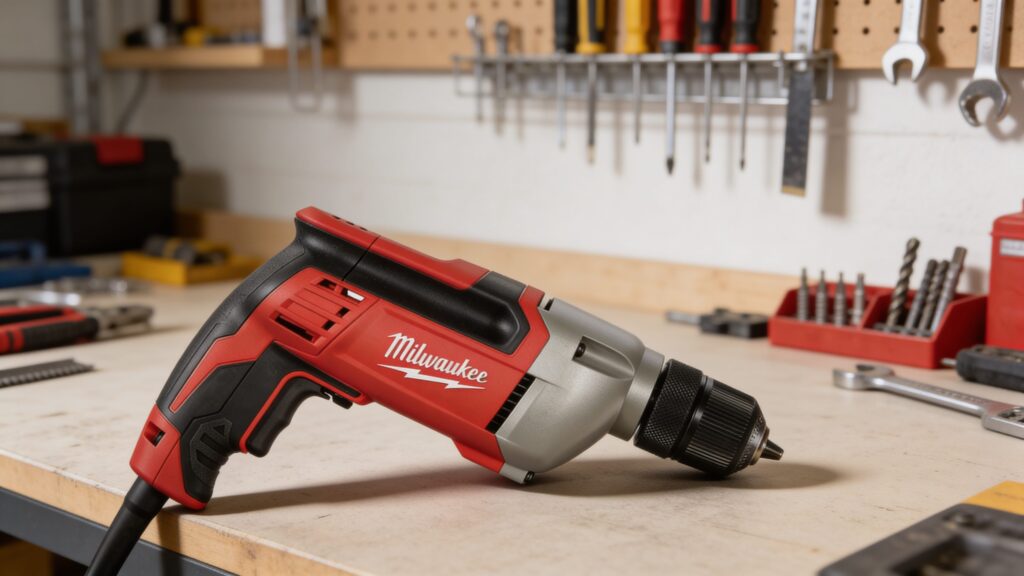
A professional contractor selecting the best corded drill for continuous use applications in a workshop setting, surrounded by power tools and materials.

Buying framework

How to think about buying a corded drill

Most corded drills are suitable for continuous use. The key differences that affect real-world performance lie in factors such as control, balance, and comfort—not just raw power. Use this framework to understand what truly matters to you before making a decision.

Control beats peak torque: Smooth low-speed trigger response and a predictable clutch are vital for precision, reducing the risk of stripping screws and ensuring accuracy in drilling.

Balance is a “hidden spec”: The size of the battery can affect the tool's balance. A lightweight drill with a compact battery can feel awkward when paired with a heavier battery, especially during overhead or prolonged tasks.

Choose your size by workload: Compact drills excel in tight spaces, while larger drills provide the power needed for dense materials, heavy-duty applications, and larger bit sizes.

Buy the platform, not just the drill: Consider the long-term compatibility of your tool with other equipment. Battery systems, charger options, and the availability of compatible tools should guide your decision for a cohesive platform.

Ergonomics wins over paper specs: Comfort and handling are critical for prolonged use. A well-designed grip, balanced weight, and easy handling can significantly impact your experience, making ergonomic features more important than raw specs.

Who this is for

Pick the drill that matches how you actually work

The right corded drill depends on what you build, how often you use it, and where the work happens. Use these profiles to choose the right size, battery setup, and capability—without paying for power you won’t use.

Homeowners & light DIY: prioritize comfort, predictable clutch control, and a compact battery. For everyday tasks like furniture assembly, hanging shelves, and basic repairs, balance and ease of use matter more than peak torque.

Weekend projects (decks, shelving, small remodels): prioritize smooth low-speed control, a comfortable grip for longer sessions, and at least one extra battery. This is where drills that stay consistent under moderate load feel noticeably better.

Tight spaces (cabinets, studs, awkward angles): prioritize short head length, slimmer bodies, and good visibility around the chuck. Compact drills often outperform larger models here—even if they advertise less maximum power.

Pros & daily use: prioritize sustained power, durability, and battery platform depth. Look for drills that remain composed during repeated drilling and driving, not just ones that hit a strong torque number once.

One-drill households: choose a balanced “do-most-things” model with a versatile kit—typically one compact battery for light work and one larger pack for longer sessions. This combination usually beats chasing the highest advertised specs.

What to pay attention to

Which corded drill specs actually matter

Spec sheets can make drills look dramatically different, but many numbers are measured inconsistently or exaggerated for marketing. These are the specifications that affect real-world use — and the ones that rarely change how the drill actually feels on the job.

Specs that affect feel

Control, balance, clutch behavior, and ergonomics determine whether a drill feels confident or frustrating.

Specs that affect capability

Head length, battery choices, and sustained behavior under load determine what work is realistically comfortable.

Trigger control: This isn’t listed on spec sheets, but it’s one of the most important factors. Smooth, predictable trigger response makes starting screws, drilling pilot holes, and working with delicate materials far easier.

Weight and balance: Published weights rarely include the battery you’ll actually use. A drill’s balance with a compact battery versus a larger pack can change comfort dramatically, especially for overhead or extended work.

Clutch consistency: A good clutch engages evenly across settings. Poor clutch tuning leads to stripped screws and frustration, even on drills with high torque ratings.

Head length: Shorter head length matters in cabinets, between studs, and in tight corners. Compact drills often outperform larger models simply because they fit where full-size drills struggle.

Battery capacity (Ah): Higher amp-hour ratings increase runtime, not power. Larger batteries also add weight and change balance. For many users, a smaller battery swapped more often feels better than one heavy pack.

Often overhyped: peak torque numbers, voltage branding (18V vs 20V Max), and single-point performance claims that don’t reflect sustained use.

Avoid these traps

Common mistakes people make when buying a corded drill

Most dissatisfaction with a corded drill comes from choosing the wrong type for how it’s actually used. These are the most common mistakes we see—and how to avoid them before you buy.

Buying for peak torque instead of control: High torque numbers look impressive, but they don’t help if a drill is difficult to feather or starts too aggressively. For most users, smooth trigger response matters far more than maximum torque.

Choosing the largest drill “just in case”: Bigger isn’t always better. Larger drills are heavier, harder to maneuver in tight spaces, and more fatiguing for everyday work. Compact drills comfortably handle the majority of home and light professional tasks.

Ignoring battery size and balance: Kit bundles often include large batteries that appear to offer better value. On a drill, those batteries can significantly change balance and increase fatigue—especially during overhead or extended use.

Overestimating how often extreme power is needed: Driving large lag bolts or boring oversized holes is occasional for most users. Buying a drill optimized for rare tasks often leads to a worse experience on everyday jobs.

Assuming voltage branding equals performance: Labels like “18V” and “20V Max” are marketing conventions, not direct measures of power. Motor design, electronics, and ergonomics influence real-world performance far more than voltage numbers.

Not considering the tool ecosystem: A drill is often the first corded tool purchased. Battery compatibility with future tools can matter more long-term than small performance differences between individual models.

Decision guidance

Which type of corded drill is right for you

The right drill depends more on what you do most often than on brand badges or peak numbers. Use this to pick the drill type that fits your real workload—not the rare “worst-case” job.

Buy a compact drill if: your work is mostly around the house or light professional tasks and you care about comfort, control, and maneuverability. Compact drills feel better for cabinetry, furniture assembly, pilot holes, hanging hardware, light framing, and everyday fastening—especially when you’re working overhead or in tight spaces.

Buy a full-size drill if: you routinely drill larger holes, mix thick materials, or drive bigger fasteners where sustained power matters. Full-size drills shine on decks, framing, and heavier construction work—but they’re typically bulkier and more fatiguing for “normal” jobs.

If you’re on the fence: choose the drill that feels more balanced with the battery you’ll actually use. A slightly “less powerful” drill that’s steadier, easier to feather, and less tiring usually wins long-term— especially for repeated drilling/fastening sessions.

Match the drill to your 80% tasks: most people spend the majority of drill time on moderate drilling and driving. Buy the tool that feels best for those everyday tasks, and only step up if your week-to-week work truly demands it.

When a drill isn’t the best tool: if your most common job is driving long screws (deck screws, structural screws, ledger work), consider adding an impact driver. A compact drill + impact driver combo often works better than jumping to a heavier drill.

Ownership & compatibility

What you’re really buying into long term

A corded drill isn’t just a one-time purchase. Long-term value comes from the battery system, parts availability, service support, and how easily the tool fits into your workflow as your needs grow.

Battery options and runtime: Make sure the platform offers battery sizes that match how you work. Compact packs keep weight down for quick tasks, while larger batteries matter for longer drilling sessions or denser materials.

Platform commitment: If you already own batteries and chargers, staying in that ecosystem often delivers the best value. If you’re starting fresh, look at platform longevity, tool variety, and availability rather than today’s drill alone.

Fit, accessories, and wear items: Daily-use details matter more than spec sheets. Chuck quality, belt clips, bit compatibility, and how easy it is to replace worn or broken parts all affect real ownership satisfaction.

Durability and service support: Housing rigidity, switch feel, and clutch consistency tell you more about build quality than advertised torque. Strong warranty coverage and accessible service centers matter over years of use.

Total cost of ownership: Kits can be a better value when you need batteries and a charger. If you already own compatible batteries, tool-only purchases usually make more sense. Over time, battery replacement costs often outweigh small upfront price differences.

FAQ

Corded drill buying guide FAQ

Quick answers to the questions people ask most when choosing a corded drill—focused on real use, not spec-sheet hype.

Do I need a 20V drill, or is 12V enough?
For most homeowner tasks—furniture assembly, pilot holes, small repairs—12V is often enough and usually lighter. If you expect frequent deck work, larger holes, or tougher materials, a modern 18V/20V-class drill gives more headroom. Comfort and control matter more than the label on the battery.
What’s the real difference between “18V” and “20V Max”?
They’re typically the same battery class marketed differently. “20V Max” refers to peak voltage; “18V” is nominal. The bigger differences come from motor design, electronics, clutch tuning, and overall ergonomics—not the voltage branding.
How important is torque for a corded drill?
Torque matters for tougher drilling and driving larger fasteners, but most users feel the difference more in low-speed control and how “smooth under load” the drill stays. A drill with better trigger control and a consistent clutch often performs better in everyday use than one that simply posts a higher torque number.
What battery size (Ah) should I buy?
Amp-hours (Ah) mostly affect runtime, not power. A small battery is lighter and better for quick jobs and overhead work. A larger battery lasts longer but adds weight and changes balance. Many people get the best experience with two batteries: a compact pack for light work and a larger pack for longer sessions.
Should I buy a drill/driver kit or tool-only?
Buy a kit if you need batteries and a charger—bundles are often the best value. Buy tool-only if you already own compatible batteries in the same platform. Over time, the battery ecosystem can matter more than small price differences between drills.
Do I need a hammer drill?
Only if you regularly drill into masonry (brick, concrete, block). For wood, drywall, and metal, hammer mode doesn’t help. If masonry drilling is occasional, you can often borrow/rent a rotary hammer and keep your everyday drill smaller and lighter.
Is an impact driver better than a drill for driving screws?
For long screws and repetitive fastening, an impact driver is usually faster and requires less effort. A drill is better for precision (pilot holes, delicate materials, controlled driving with the clutch). Many households end up happiest with a compact drill plus an impact driver—rather than upgrading to a heavier drill.
What features actually matter day to day?
The “feel” features: trigger control, balance with the battery you’ll actually use, clutch consistency, chuck confidence, and visibility around the bit. These are what decide whether a drill feels easy and predictable—or annoying and tiring.
How long should a corded drill last?
With normal homeowner use, a good drill can last many years. The parts that tend to wear first are batteries, chucks, and switches. Pros and heavy users should prioritize durability, service support, and battery replacement cost—because batteries often become the biggest long-term expense.

Bottom line

The simplest way to pick the right corded drill

Most modern drills can handle the basics. The “best” one is the drill you’ll actually enjoy using—because it feels steady, predictable, and comfortable for the work you do most.

If you want the easiest ownership experience: choose a reputable platform you can stay in, then buy the kit that gives you the battery sizes you’ll really use (one compact for comfort, one larger for longer sessions).

If comfort and control matter most: prioritize trigger feel, balance with a realistic battery, and a clutch that behaves consistently. Those factors show up every single time you pick up the drill.

If you do heavier work: step up to a full-size drill for more headroom in dense materials and larger bits— but don’t overbuy if those tasks are occasional.

If your main job is driving screws: consider pairing a compact drill with an impact driver. It’s often a better experience than buying a bigger drill “just in case.”

Final check: before you buy, think about where you’ll use it most (tight spaces, overhead, quick repairs, or long sessions). Pick the drill that feels best in that scenario—and you’ll almost always be happier long-term.

Decision Reminders

A quick checklist before you commit to a drill + battery platform.

  • Choose control over peak torque: smooth low-speed response prevents stripped screws and wandering bits.
  • Match size to your work: compact wins in cabinets and overhead; full-size earns its keep in dense material and big bits.
  • Battery choice changes the feel: a larger pack can turn a “comfortable” drill into a front-heavy one after 20 minutes.
  • Buy the platform, not just the drill: tool depth, battery pricing, and charger options drive long-term value.
  • Plan for the second battery: two packs (even smaller ones) usually beat one heavy pack for real-world convenience.
  • Don’t overpay for marketing labels: voltage branding and “max torque” claims don’t guarantee better handling or durability.

Glossary Snippets

Quick translations for the terms that confuse buyers most.

Brushless vs. brushed
Brushless runs cooler and usually lasts longer under load. Brushed can be fine for light DIY, but tends to feel rougher and drains batteries faster when pushed.
Ah (amp-hours)
Think “runtime,” not power. Higher Ah lasts longer but adds weight—often the main reason a drill starts to feel front-heavy.
12V vs. 18V/20V Max
12V is lighter and great for cabinets and quick tasks. 18V/20V Max is the do-everything class for drilling and driving in denser material. (“20V Max” is marketing for an 18V nominal system.)
Max torque
A peak number measured under ideal conditions. For real work, smooth trigger control and clutch tuning matter more than the biggest published torque figure.
Clutch settings
Your “anti-strip” control. A better clutch engages more consistently across settings—especially important for screws in softer wood and cabinet work.

When to Use a Top 10 Review

If you want the fastest shortlist, this is the format that gets you to a confident pick.

  • You’re not sure what matters yet: We translate specs into real-world use and rank the best fits.
  • You want options across budgets: Picks include value, midrange, pro-grade, and compact choices.
  • You want quick “best for” answers: Best Overall, Best Value, Best for Pros, Best Compact, and more.
  • You’re choosing a platform: Great for seeing battery ecosystems and long-term ownership tradeoffs.

Already down to 2–3 models? A Comparison is usually faster than reading full reviews.

When to Use a Comparison

Best when you’re choosing between specific models and want the clearest tradeoffs.

  • You’re down to 2–3 finalists: side-by-side differences are easier than reading full reviews.
  • You care about “feel,” not claims: balance, trigger control, fatigue, and comfort show up fast in head-to-heads.
  • You want a winner by category: control, ergonomics, power delivery, runtime, and ownership value.
  • You need the fastest decision: a Comparison is the “answer page” once the shortlist is set.

Still exploring? Start with a Top 10 to find the right “type” of drill first.