
Plate Load
Plate load is the amount of removable weight added to a bar, machine, sled, or storage system.
- Example: adding two 10 lb plates to a barbell
- Check: confirm the total load includes both sides
- Limit: plates need compatible equipment
Weight plates work by adding removable load to compatible equipment such as barbells, plate-loaded machines, sleds, and storage systems. The plate itself is simple, but size, diameter, thickness, material, and weight tolerance all affect how useful it is.
A good plate setup lets the user adjust resistance in predictable steps, load equipment safely, and store the weight without clutter. The right plates depend on the equipment they need to fit and the kind of training they support.
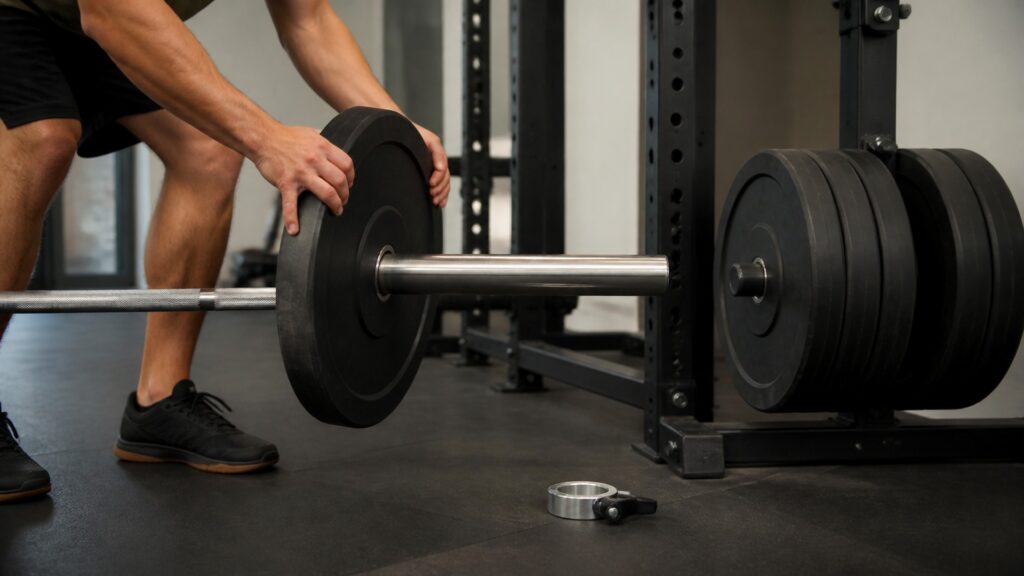
A practical explanation of plate size, compatibility, increments, materials, and storage.
Tip: Start with compatibility. A plate that does not fit the equipment is not useful no matter how good it looks.
These concepts explain how plates create adjustable resistance and fit training equipment.
Plate load is the amount of removable weight added to a bar, machine, sled, or storage system.
Sleeve diameter is the size of the bar or machine post the plate fits on.
Increment is the smallest useful weight change available.
Grip cutout is an opening or handle shape that makes a plate easier to carry.
Calibration is how closely a plate matches its labeled weight.
Storage fit is how well plate size, thickness, and quantity work in the room.
Tip: The right equipment choice depends on how resistance is created, adjusted, and repeated.
Weight plates are useful only when their center hole matches the bar, machine, or loading post. Olympic, standard, and specialty setups are not always interchangeable.
Compatibility is the first plate decision.
The main job of a plate is to add or remove load. Smaller plates make progression smoother, while larger plates build the main working weight.
Good plate sets make progression easier to manage.
Iron, rubber-coated, urethane, and bumper plates all behave differently. The best choice depends on flooring, lifts, budget, and storage.
Material affects daily use as much as appearance.
Plates get moved often. Cutouts, rims, thickness, and surface texture affect how easy they are to carry and load.
Handling matters when training happens repeatedly.
Plates take up space and can clutter the floor quickly. Storage keeps the room safer and loading faster.
Storage is part of the system.
Weight plates make loading flexible, but they depend on compatible equipment.
They let bars, machines, and sleds increase resistance in steps.
They support long-term strength progression.
They are not useful without compatible bars or machines.
They require storage and safe handling.
Simple equipment still has compatibility and usability details.
Sleeve diameter and plate hole size must match.
Small plates are important for gradual progression.
Material affects noise, floor protection, and thickness.
Poor storage makes plates harder and less safe to use.
Tip: A useful plate set is compatible, loadable, and easy to store.
Short answers for practical equipment and training decisions.
They add removable load to compatible bars, machines, sleds, and plate-loaded equipment.
Match the plate hole to the bar or machine sleeve.
They are better for lifts where drops are expected, but they are thicker and often cost more.
Small plates allow gradual increases that support steady progression.
Choose plates by compatibility, increments, material, handling, and storage.
Weight plates work by adding adjustable load to compatible strength equipment.
The best set fits the equipment, supports gradual progression, handles well, and stores safely.
Use these Review Streets paths to compare related categories and practical next decisions.
Explore the weight plates category.
Review plate loading and setup basics.
Compare related strength-training equipment.
Choose a retailer
Prices checked regularly. We may earn a commission at no cost to you.