This head-to-head comparison examines keyless and keyed chuck hammer drills, outlining practical differences, performance tradeoffs, and real-world usability factors to help you choose the right setup.

Reviews You Can Trust
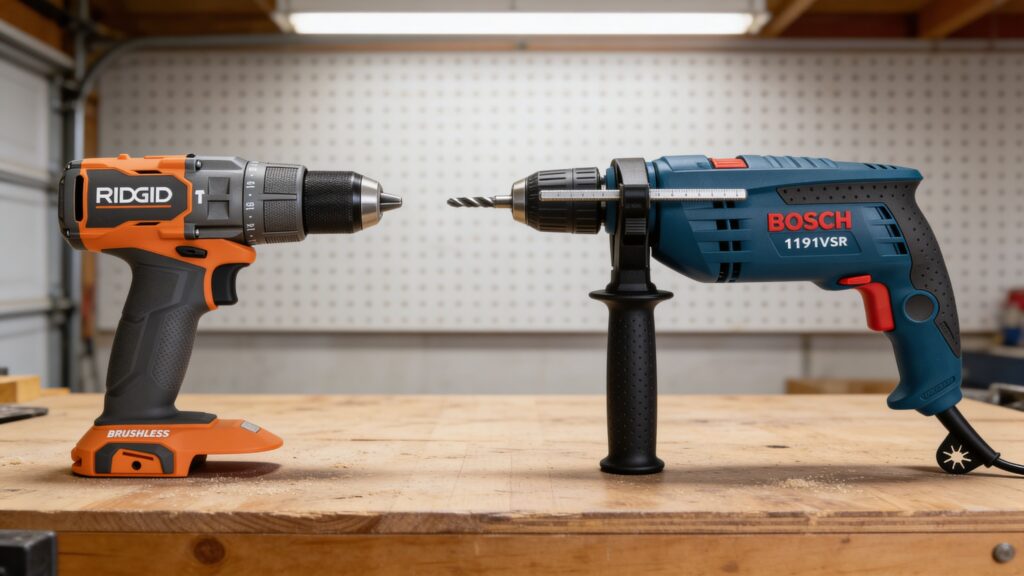
Head-to-head
Keyless Chuck vs Keyed Chuck Hammer Drills: Key Differences Explained
A clean A/B look at what actually changes on the job: how fast you can swap bits, how securely the chuck holds under hammering and heavy load, how each feels during repeated drilling, and what the long-term ownership tradeoffs look like for pros.
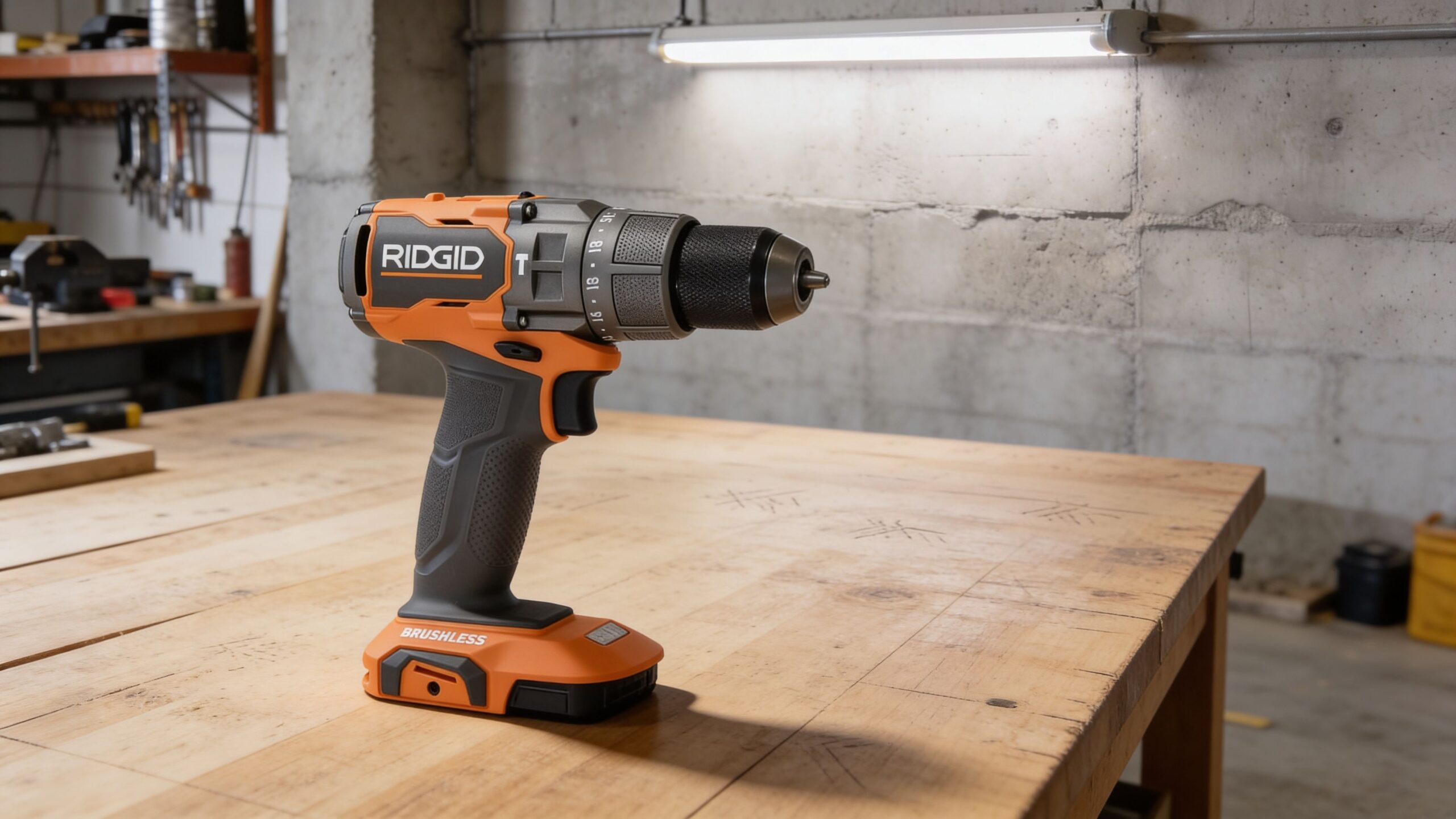
Keyless Chuck Hammer Drill
Built around speed and convenience: quick, tool-free tightening for frequent bit swaps and mixed-material work. Best when workflow efficiency matters as much as holding power.
- Faster swaps when bouncing between pilots, drivers, and masonry bits
- Great everyday usability—especially for repeated drilling/fastening cycles
- Most modern cordless platforms use keyless designs for general pro work
VS
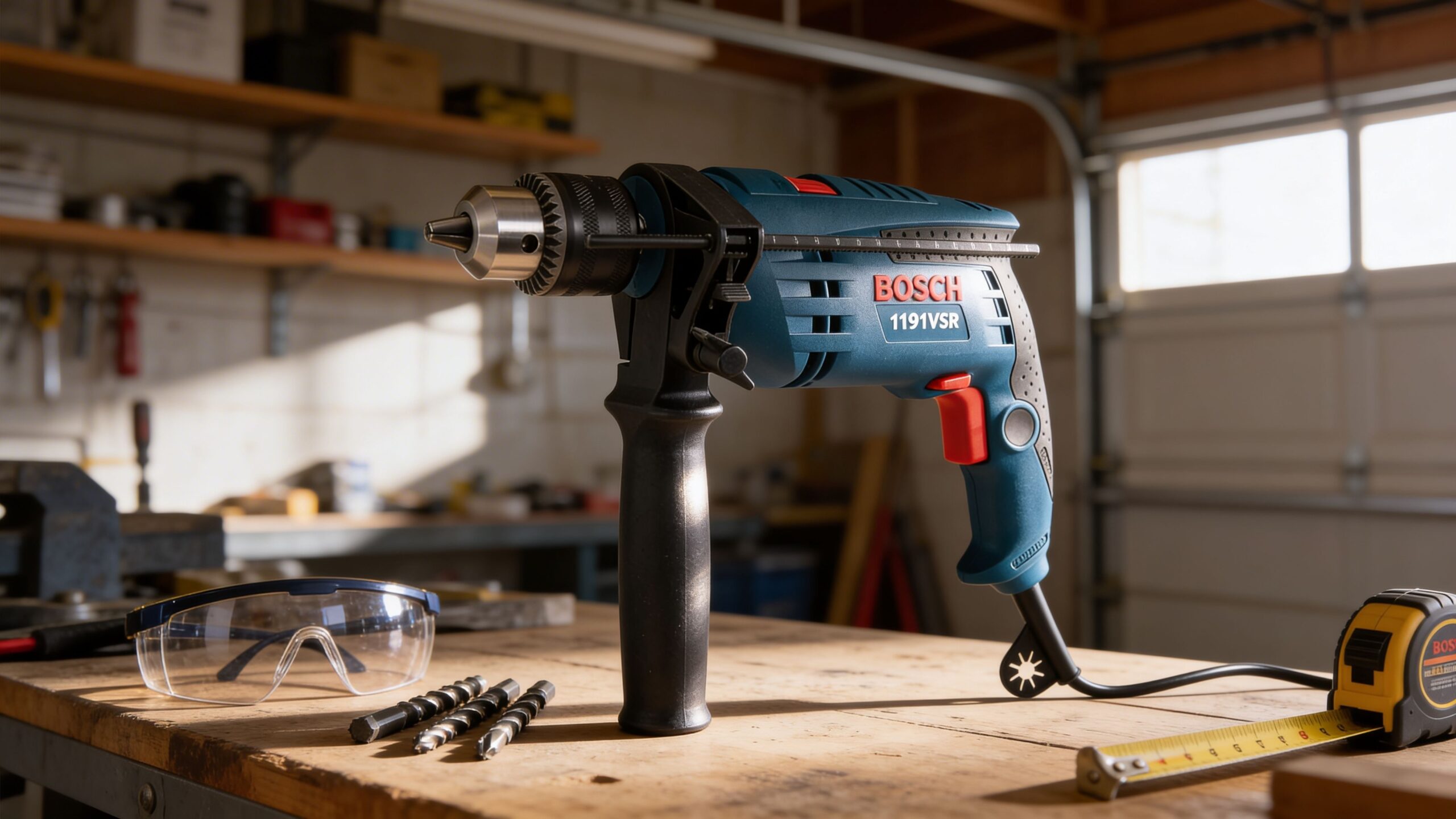
Keyed Chuck Hammer Drill
Prioritizes bite and security: key-tightened jaws can hold stubborn bits more confidently during heavy drilling and hammering. Best when slippage is the costliest failure.
- Very secure hold for larger bits and tougher masonry drilling sessions
- Less chance of loosening when vibration and binding are common
- Tradeoff is speed: bit changes take longer and require the chuck key
Power under load
Depends on drill platform
Often paired with corded power
Keyed
Control & clutch consistency
Typically strong on modern cordless
Simple, steady trigger feel
Keyless
Ergonomics (feel + fatigue)
Faster workflow, fewer interruptions
More stops for key tightening
Keyless
Value (typical kit pricing)
Common in cordless kits
Often lower tool cost, fewer “kits”
Keyless
Battery ecosystem depth
Typically part of a cordless lineup
Usually not ecosystem-driven
Keyless
Real-world context
This comparison reflects a synthesis of professional reviews, manufacturer data, long-term user feedback, and use-case patterns to highlight how each chuck style typically performs in everyday projects.
Keyless — Why people choose it
- Tool-free bit changes keep pace up during mixed drilling and fastening
- Convenient for repeated pilot-to-driver swaps and quick adjustments
- Best match for most modern cordless kits and general pro workloads
Keyed — Why people choose it
- Key-tightened jaws can grip stubborn bits more confidently under vibration
- Strong choice for sustained masonry drilling where loosening is costly
- Simple, durable approach that prioritizes holding power over speed
Verdict: Choose Keyless if your day involves frequent bit swaps, mixed-material work, and you want the most efficient workflow with strong everyday usability. Choose Keyed if your priority is maximum bit retention during heavy drilling and hammering, especially when vibration, binding, or larger bits make slippage the bigger risk.