
This review examines the Laguna 1412 band saw through real-world use, focusing on cutting performance, stability, and control across common woodworking tasks. It highlights where the machine excels, where limitations emerge, and how its design choices translate into practical tradeoffs for accuracy, capacity, and day-to-day usability.
Laguna 1412 Band Saw Review: Performance, Pros, and Cons
By: Review Streets Research Lab
Updated: April 1, 2026
Approx. 8–10 min read
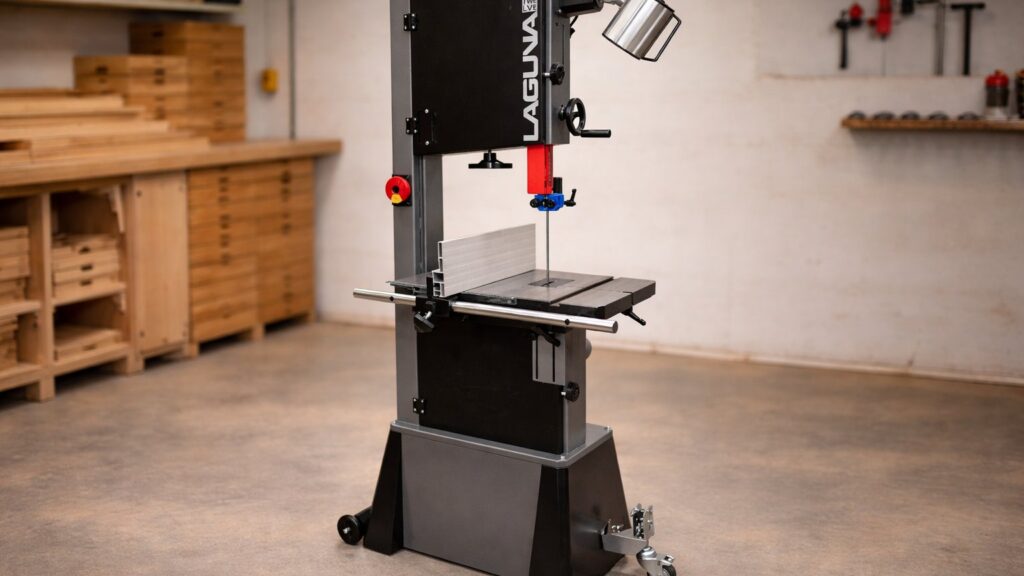
Quick Summary
The Laguna 1412 offers a steady, confidence-building feel that suits precision woodworking, resawing, and longer shop sessions where control matters as much as raw capacity. Its overall execution feels thoughtful and refined, though the premium positioning may be harder to justify for occasional use or lighter-duty workflows.
8.9
Score
Best for: Precision woodworking & frequent shop use
Pros & Cons
Laguna 1412 Band Saw: what we liked (and what we didn’t)
A quick look at the biggest strengths and tradeoffs based on performance, handling, and everyday usability.
Pros
- Stable Cutting Feel: Tracks smoothly through common woodworking cuts with a steady, confidence-building feel.
- Good Resaw Control: Handles taller stock with reassuring stability for cleaner, more predictable results.
- Refined Operation: Startup and feed feel composed, which helps reduce hesitation during precision work.
- Workshop-Friendly Size: Offers serious capability without feeling oversized for a dedicated home or small pro shop.
- Thoughtful Build Quality: Overall fit, finish, and design execution give it a durable, well-sorted impression.
Cons
- Premium Positioning: Costs more than many entry-level band saws, which raises the value question for lighter use.
- Not Fully Compact: Still asks for meaningful floor space, especially in tighter or multi-use workshops.
- Setup Matters: Best results depend on careful tuning and blade selection rather than a plug-and-forget experience.
- More Saw Than Needed: Can feel excessive for occasional hobby tasks or quick, low-demand cutting jobs.
Specs
Laguna 1412 Band Saw key specifications
These are the core specs and practical details most buyers compare across mid-size band saws.
| Spec | Laguna 1412 |
|---|---|
| Type | Floor-standing band saw (cast iron frame) |
| Platform | Laguna 14" band saw series |
| Voltage | 110V standard (220V convertible) |
| Speed | Two-speed pulley system (woodworking-focused ranges) |
| Chuck | N/A (band saw blade system) |
| Torque | 1.75 HP motor (manufacturer-rated) |
| Length | Approx. mid-size floor footprint (14" class) |
| Weight | Approx. 250–300 lbs; stable, non-portable setup |
| Clutch settings | N/A (manual blade tension and tracking adjustment) |
| LED light | No integrated work light |
| Included | Band saw, fence, miter gauge, standard blade (varies) |
| Best use | Resawing, curve cutting, and precision woodworking in dedicated shops |
| Warranty | Laguna limited warranty (varies by region/product) |
Performance
How the Laguna 1412 performs
We evaluated cutting stability, tracking confidence, day-to-day usability, and overall practicality across common woodworking tasks to understand how this band saw behaves in normal shop use and longer ownership scenarios.
Cutting Stability
Feels planted and predictable through straight cuts, helping reduce wandering when the setup is dialed in.
Resaw Confidence
Handles taller stock with reassuring control, making demanding cuts feel more manageable than lighter-duty saws.
Setup & Control
Adjustments feel deliberate and workable, though getting the best results still rewards careful tuning and blade choice.
Workflow Comfort
Comfortable to use over longer sessions, with a composed feel that supports steady, repeatable shop work.
Noise & Smoothness
Generally smooth in operation, with normal shop noise and vibration that stay manageable for its class.
Overall Performance
A confident, well-rounded performer for serious woodworking, with strong everyday results and few practical weak spots.
Testing note: Performance observations are based on real-world cutting, setup, and repeat-use impressions across common woodworking tasks and typical ownership use.
Build Quality
Build quality & durability
The Laguna 1412 gives off a serious workshop-grade impression. Its overall structure feels rigid and well settled, with the kind of weight and composure that supports confident cutting rather than light-duty convenience.
Key contact points—table, fence, guide adjustments, and tensioning controls—feel deliberate rather than flimsy. Fit and finish suggest careful design, and the saw presents itself as a machine intended for repeat use where alignment and consistency matter over time.
In everyday shop handling, it comes across as durable enough for regular woodworking routines without feeling delicate or overly dependent on careful treatment. The machine’s general sturdiness inspires more confidence during setup changes, stock handling, and longer cutting sessions.
Compared to lighter or more entry-level band saws, the 1412 trades some portability and casual convenience for a more planted, substantial feel. That balance makes sense for buyers who want lasting workshop stability more than easy movement around the shop.
Setup & Maintenance
Setup, daily use, and upkeep
The Laguna 1412 rewards careful initial setup—especially blade choice, tension, tracking, and guide adjustment. Most day-to-day performance comes down to matching the saw to the cut, keeping stock supported, and making small adjustments that lead to straighter cuts, smoother feeding, and more predictable control.
Best setup for common tasks
- Curve Cutting: Use a blade suited to tighter turns, keep the guides properly set, and feed the work steadily without forcing the cut.
- Resawing Boards: Choose a wider blade, confirm fence alignment, and use a slow, even feed rate to keep the cut tracking cleanly.
- General Shop Cuts: Set blade tension and guide bearings carefully, then verify the table and fence before starting routine work.
- Fine Detail Work: Use an appropriate narrow blade, reduce feed pressure, and let the saw establish the cut before changing direction.
What to do for smoother starts
- Check Tracking First: Confirm the blade is running true before cutting so the saw feels settled from the first pass.
- Support The Work: Keep stock flat and well controlled at the table to prevent twisting as the blade enters the cut.
- Ease Into Cuts: Start with light forward pressure and let the blade begin cutting before committing to a full feed rate.
Maintenance (simple but important)
- Clear Sawdust: Brush out buildup around the table, guides, and lower cabinet so adjustments stay smoother and visibility stays better.
- Inspect The Blade: Replace dull or damaged blades early, since tired blades cut less cleanly and make the saw harder to control.
- Monitor Alignment: Recheck guide settings, tension, and fence alignment periodically to keep cuts predictable over time.
- Keep Surfaces Clean: Wipe down the table and contact areas after use so material feeds more smoothly and rust is less likely to develop.
Tip: Keep both hands in firm control of the workpiece, maintain even pressure against the table, and avoid forcing stock through the blade. A slower, steadier feed usually improves cut quality and helps prevent drift, chatter, or sudden bind-ups.
Real-World Use
Where the Laguna 1412 fits best
On paper, the Laguna 1412 is a mid-size band saw. In real projects, it stands out when controlled cutting, steady tracking, and consistent shop performance matter more than portability or quick, occasional use.
Furniture building and joinery
Well suited for shaping components, cutting curves, and preparing stock where accuracy and repeatability are important. The saw’s steady feel supports clean results across longer, more involved builds.
Resawing and stock prep
Performs confidently when breaking down thicker boards into usable pieces. With proper setup, it maintains control through taller cuts, making it a practical tool for material prep in a dedicated shop.
Consistent workshop use
Fits well in environments where the saw is used regularly rather than occasionally. Its stable operation and predictable behavior make it easier to rely on across repeated cuts and varied woodworking tasks.
Where it’s less ideal
Less suited for small spaces, frequent relocation, or light-duty projects where a compact or benchtop saw would be easier to manage. It favors dedicated shop setups over flexible, portable use.
Value
Is the Laguna 1412 worth it?
The Laguna 1412 makes the most sense when it will be used as a serious shop tool rather than an occasional convenience purchase. Its value shows up through steadier cutting, better workflow confidence, and a more substantial ownership feel than many lower-cost alternatives. For lighter-duty or infrequent use, that extra investment may be harder to justify.
Price-to-performance takeaway
You’re paying for a more refined, capable band saw experience—better control, stronger day-to-day confidence, and a build that feels more suited to repeat woodworking use. The value is clearest for buyers comparing it against entry-level machines they may outgrow quickly, especially when setup quality and long-term shop fit matter as much as the initial purchase price.
Tip: Compare the full buy-in, not just the saw price. A better fence, quality blades, mobility option, and dust collection setup can change the real value picture more than small differences in sticker price.
FAQ
Laguna 1412 FAQ
Quick answers to the most common questions about the Laguna 1412—shop fit, use cases, and what to expect in real-world woodworking.
Is the Laguna 1412 a good choice for resawing?
Yes, it is generally well suited to resawing in a serious home or small professional shop. Results still depend heavily on blade choice, setup quality, and feed technique.
Is the Laguna 1412 better for hobby use or regular shop work?
It makes more sense for regular shop use than occasional hobby tasks. Buyers who use a band saw often are more likely to benefit from its more substantial feel and capability.
Does the Laguna 1412 need careful setup?
Yes. Like most serious band saws, it performs best when blade tension, tracking, guides, and fence alignment are set carefully. A good setup has a noticeable effect on cut quality and control.
Who is this band saw best for?
It is best for woodworking tasks that benefit from steady tracking, controlled cuts, and repeatable shop performance—especially furniture work, stock prep, and general precision cutting.
Is it too much saw for occasional use?
For occasional light-duty cutting, it can be more machine than necessary. Smaller or less expensive band saws may feel easier to justify if the saw will not be used regularly.
What should I consider before buying?
Look beyond the saw itself and think about total shop fit—floor space, dust collection, blade costs, and whether the machine’s capability matches the type of woodworking you actually do most often.
What are the most common tradeoffs?
The main tradeoffs are price, weight, and setup involvement compared with smaller entry-level machines. It favors long-term workshop performance over portability and casual convenience.
Alternatives
Best alternatives to the Laguna 1412
If the Laguna 1412 is close to what you want but not quite the right fit, these alternatives represent different tradeoff paths—more value, more capacity, or a different balance of refinement and shop footprint.
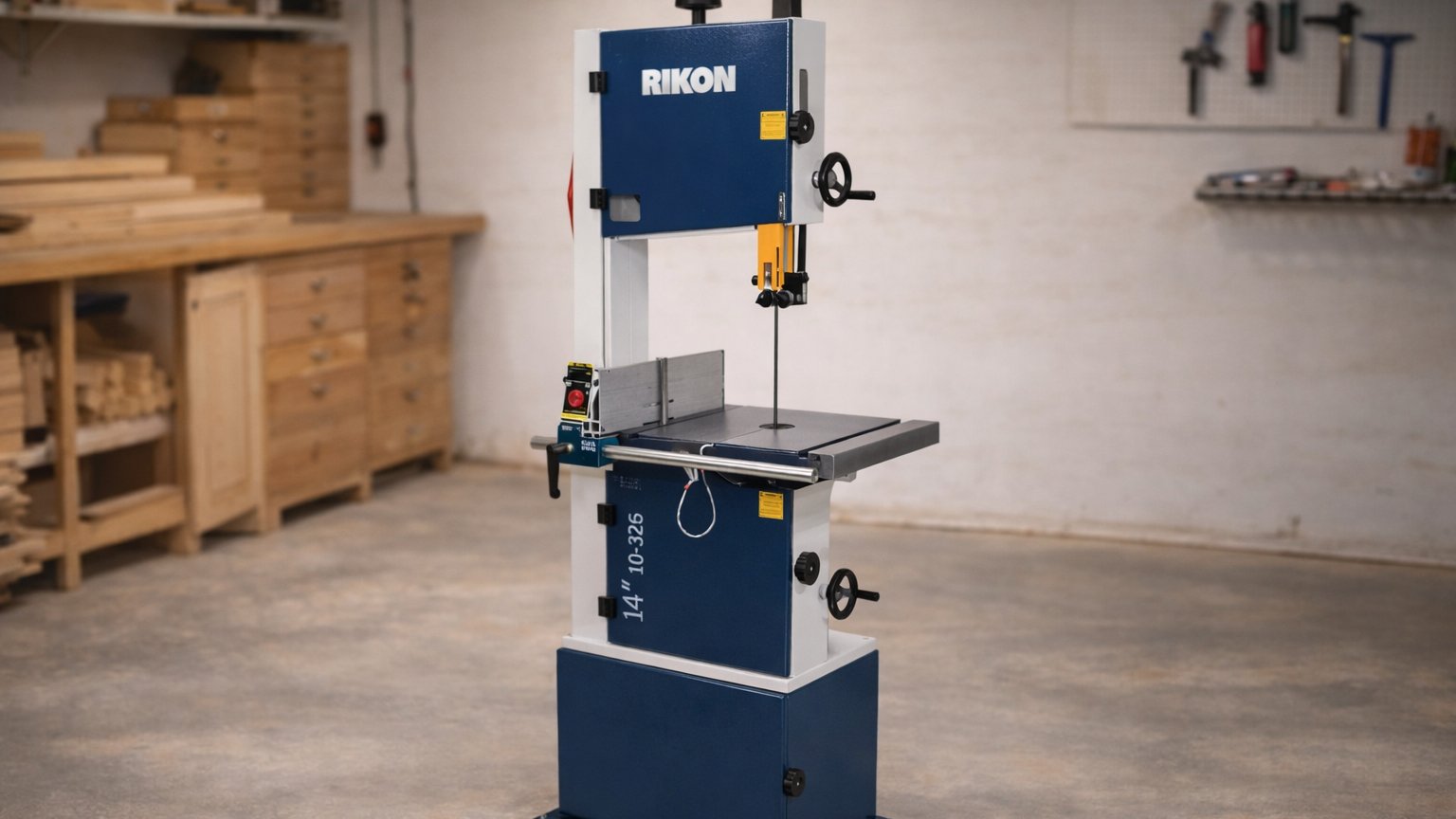
Rikon 10-326
Best value
A strong alternative for buyers who want serious band saw capability without pushing as far into premium pricing. It makes sense when overall shop function matters more than squeezing out a more refined feel.
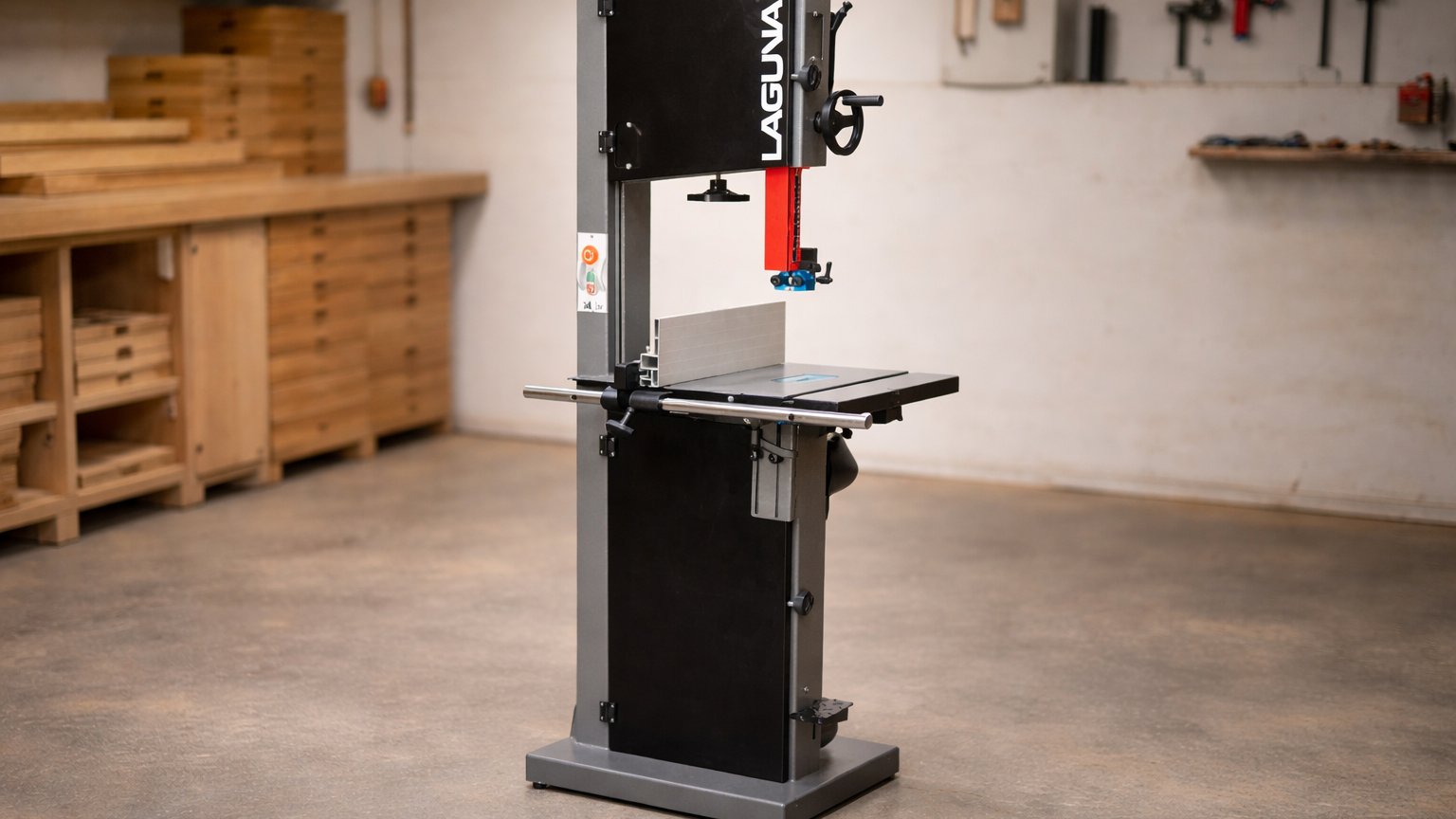
Laguna 14BX
More capacity
Better suited to buyers who know they want a heavier, more expansion-minded machine and are willing to accept a larger footprint. It is the more logical step when future growth matters as much as present-day usability.
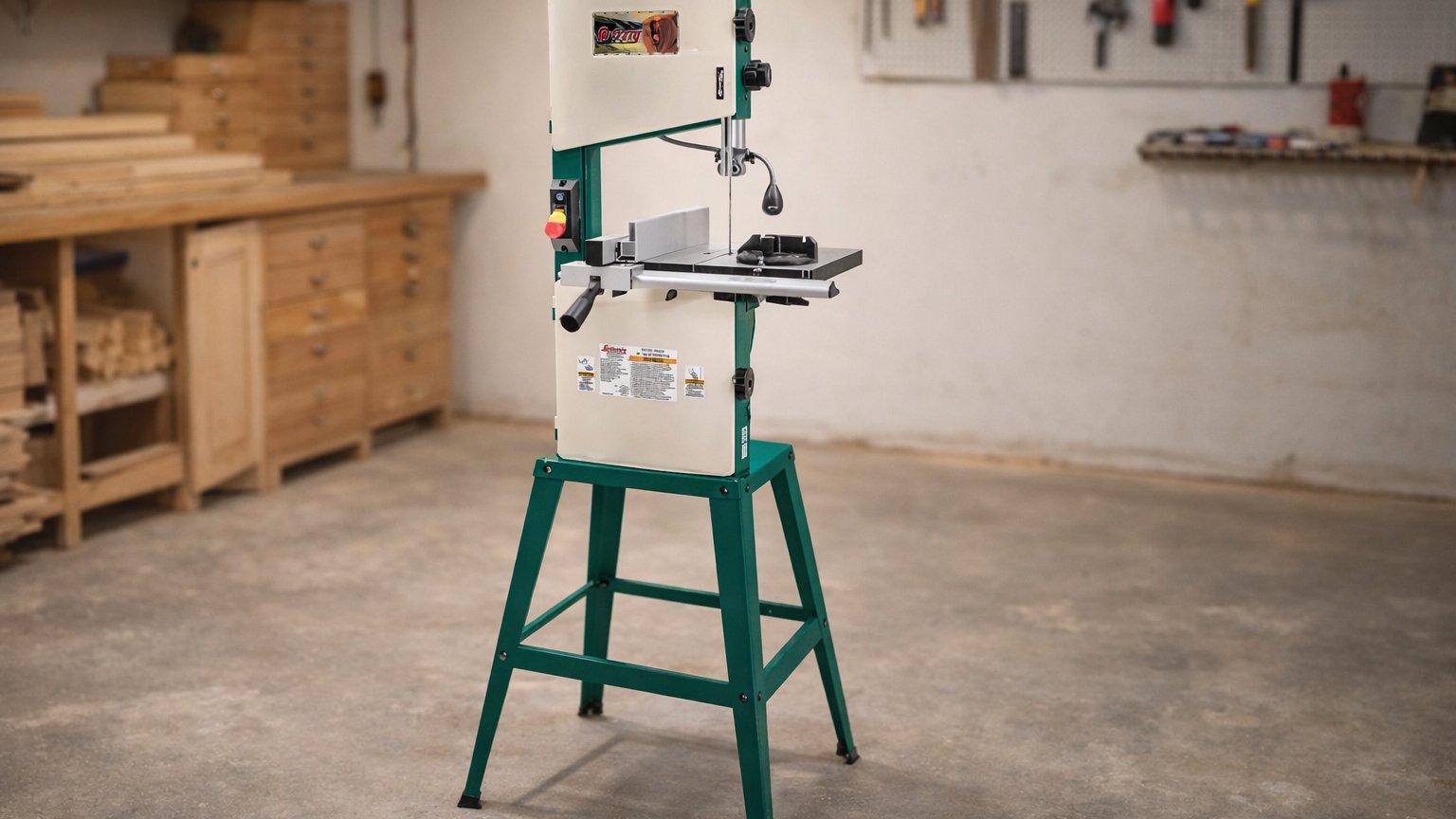
Grizzly G0513X2B
Heavier-duty
A better fit for buyers who want to step beyond mid-size shop flexibility and toward a more capacity-focused machine. It makes sense when larger stock, a more industrial feel, and heavier-duty shop use matter more than keeping the footprint and buy-in closer to the Laguna 1412.
Sources
Sources & reference notes
Specifications and product details referenced in this review were verified using manufacturer documentation and current retail listings. Where configurations or included components vary, those differences are reflected in the article.
- Laguna Tools — product documentation and published specifications for the Laguna 1412 band saw.
- General band saw setup, configuration, and compatibility guidance based on manufacturer-provided materials for similar workshop machines.
- Retail product listings used to confirm current naming, SKU variations, and included accessories.
Where to Buy
Laguna 1412
Band Saw
Typical price range: $1,500–$2,000
Pricing varies by retailer, availability, and included accessories.
Check Current PriceReview Snapshot
Laguna 1412
8.9
Refined control + stability
Best for regular woodworking where tracking confidence and shop stability matter more than compact size or entry-level pricing.
- Performance: Steady through resawing and general precision cuts when properly set up
- Handling: Composed and confidence-building, but not a small-space or portable option
- Value: Makes more sense for frequent shop use than occasional hobby cutting
Top 10 List
See the best band saws right now
Want the full picture? Our Top 10 breaks down the best band saws by performance, value, and real-world use.
View the Top 10Compare Models
Compare this band saw head-to-head
See how the Laguna 1412 stacks up against other top band saws across cutting control, shop fit, and overall value.
View ComparisonsAccessories You’ll Want
- Quality blade assortment (different blade types help the saw handle resawing, curves, and finer detail work more cleanly)
- Mobile base (makes it easier to reposition a floor-standing saw in smaller or shared shop spaces)
- Dust collection hookup (helps keep the cut line clearer and reduces cleanup around the saw)
- Setup and alignment tools (useful for dialing in blade tracking, fence position, and table setup with less guesswork)
- Push blocks or push sticks (improves control and safer stock handling on smaller or narrower workpieces)
Tip: Blade quality and accessory fit matter as much as the saw itself—keeping the right blades, dust collection, and setup aids on hand usually improves day-to-day results more than chasing small differences in machine specs.