
The Rikon 10-326 band saw is evaluated through real-world cutting tasks to assess performance, build quality, and usability. This review examines how it handles resawing, precision work, and day-to-day operation, highlighting key tradeoffs and practical differences that matter when choosing a band saw for consistent, reliable results.
Rikon 10-326 Band Saw Review: Performance, Pros, and Cons
By: Review Streets Research Lab
Updated: April 2, 2026
Approx. 8–10 min read
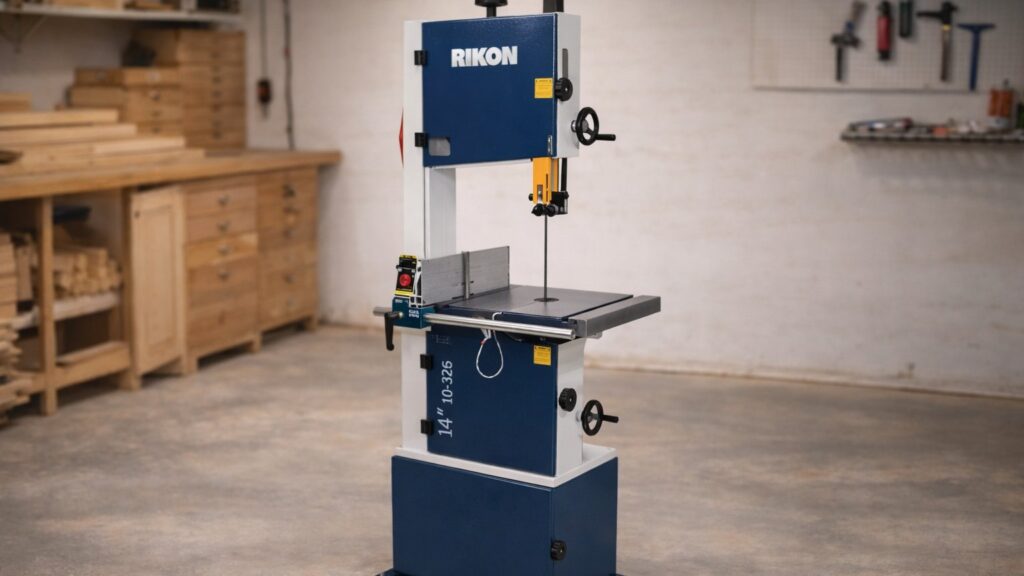
Quick Summary
The Rikon 10-326 presents as a capable, workshop-focused band saw with a steady cutting feel, good day-to-day usability, and enough confidence for resawing, curve work, and general furniture projects. It suits woodworkers who want a meaningful step up from entry-level machines, though its size, footprint, and overall setup demands make it less appealing where space efficiency and quick portability matter most.
8.7
Score
Best for: Serious DIY & light pro
Pros & Cons
Rikon 10-326: what we liked (and what we didn’t)
A quick look at the biggest strengths and tradeoffs based on cutting feel, control, and everyday workshop usability.
Pros
- Confident Cutting: Feels composed through typical resawing and curved cuts without seeming easily unsettled.
- Good Workpiece Control: Supports steady, predictable feeding that helps with cleaner lines and fewer mid-cut corrections.
- Workshop-Ready Presence: Comes across as a serious step up from lighter benchtop options for regular woodworking use.
- Versatile Use Range: Handles both finer shaping tasks and more demanding stock preparation with solid day-to-day flexibility.
- Reassuring Build Feel: Gives a sturdier, more durable impression that suits longer ownership and repeated shop sessions.
Cons
- Large Footprint: Takes a more permanent place in the shop and is not ideal where floor space is limited.
- Setup Matters: It is better suited to users willing to spend time dialing in tracking, alignment, and overall cut behavior.
- Less Casual-Friendly: For occasional hobby use, the size and seriousness may feel like more machine than necessary.
- Value Depends On Use: It makes more sense for frequent cutting and broader project demands than for light, infrequent tasks.
Specs
Rikon 10-326 key specifications
These are the core specs and practical details most buyers compare across full-size woodworking band saws.
| Spec | Rikon 10-326 |
|---|---|
| Type | 14" floor-standing woodworking band saw |
| Platform | Standalone corded shop machine |
| Voltage | 115/230V, 60Hz, single phase |
| Speed | 2-speed: 1,445 / 2,950 FT/MIN |
| Chuck | Not applicable; uses band saw blade tracking and guides |
| Torque | 1-3/4 HP TEFC motor (manufacturer-rated) |
| Length | Approx. 25" overall depth |
| Weight | Approx. 285 lbs. net |
| Clutch settings | Not applicable for this category |
| LED light | No built-in work light listed |
| Included | Band saw with stand and table; blade/accessories may vary by seller |
| Best use | Resawing, curve cutting, and general furniture or shop woodworking |
| Warranty | 5-year limited warranty |
Performance
How the Rikon 10-326 performs
We evaluated cutting consistency, control, setup behavior, and overall usability across typical woodworking tasks like resawing, curve cutting, and general stock prep to understand how this band saw performs in real-world shop conditions.
Cutting Power
Maintains steady feed through hardwoods and thicker stock without frequent slowdowns when properly set up.
Cut Accuracy
Tracks predictably for both straight resaw cuts and curved work once guides and tension are dialed in.
Setup & Adjustments
Initial setup and fine adjustments take some time, especially for users new to tuning band saw performance.
Stability & Control
Solid base and overall mass help keep cuts stable, with less tendency to wander during longer passes.
Noise & Vibration
Runs with moderate shop noise and generally controlled vibration, though not the quietest in its class.
Overall Performance
Delivers reliable, workshop-level performance with a good balance of power, control, and versatility for regular use.
Testing note: Performance observations are based on real-world cutting tasks, setup adjustments, and repeat-use behavior across common woodworking scenarios and materials.
Build Quality
Build quality & durability
The Rikon 10-326 has the kind of workshop machine presence that feels substantial from the start. Its overall construction gives a steady, confidence-inspiring impression, with enough mass and rigidity to make routine cutting tasks feel controlled rather than delicate.
Key contact points—table, guide adjustments, tensioning controls, and door access—generally come across as solid and purposeful. The machine feels more aligned with repeat shop use than occasional hobby handling, and that added sense of structure helps support more consistent setup and fewer interruptions once it is dialed in.
In everyday use, the saw gives off good durability signals for a stationary woodworking tool. It feels capable of handling regular material movement, repeated adjustments, and normal workshop wear without seeming overly fragile, though like most band saws, long-term smoothness still depends on keeping setup points properly maintained.
Compared with smaller or more portable saws, the 10-326 clearly favors sturdiness over convenience. That tradeoff makes it less friendly to move or reposition, but it also contributes to the planted, reliable feel that many buyers want from a full-size band saw meant to stay in service for years.
Setup & Maintenance
Setup, daily use, and upkeep
The Rikon 10-326 benefits from careful initial setup—blade choice, tracking, guide position, and fence alignment all have a direct effect on cut quality and control. Most day-to-day performance comes down to matching the blade and setup to the task so the saw feels steadier, cuts cleaner, and requires fewer mid-project corrections.
Best setup for common tasks
- Resawing Stock: Use a properly tensioned wider blade, align the fence carefully, and feed the work at a steady pace without forcing it.
- Curve Cutting: Choose a narrower blade that matches the radius of the cut and keep the guides close for better control.
- General Shop Cuts: Set the guide assembly just above the workpiece and confirm tracking before starting longer passes.
- Cleaner Finish Work: Use a sharp blade suited to the material and slow the feed rate to reduce wandering and rougher edges.
What to do for smoother starts
- Check Blade Tracking: Make sure the blade is running true before cutting so the first pass feels predictable and settled.
- Support The Work: Keep stock flat on the table and firmly against the fence or cutting path to avoid twisting at the start.
- Ease Into Cuts: Start with light forward pressure and let the blade establish the path before feeding more confidently.
Maintenance (simple but important)
- Clear Sawdust Often: Remove buildup around the table, guides, and lower housing so adjustments stay smoother and visibility stays better.
- Inspect The Blade: Replace dull or damaged blades early since they make the saw work harder and reduce cut quality.
- Monitor Guide Setup: Recheck guide position and alignment periodically, especially after blade changes or heavier cutting sessions.
- Protect Moving Parts: Keep adjustment points clean and follow routine care habits so tensioning and tracking remain consistent over time.
Tip: Keep both hands controlling the workpiece, maintain steady contact with the table, and avoid pushing stock faster than the blade wants to cut. That improves accuracy, reduces wandering, and helps prevent sudden binding that can interrupt the cut.
Real-World Use
Where the Rikon 10-326 fits best
On paper, the Rikon 10-326 is a full-size band saw. In real projects, it makes the most sense where steady cutting, better workpiece control, and a more planted shop setup matter more than compact size or easy repositioning.
Furniture and cabinet work
A good fit for projects that mix resawing, shaping, and repeat cuts. The saw’s more stable feel supports cleaner stock preparation and gives longer cutting sessions a more controlled, workshop-ready rhythm.
General woodworking projects
Works well when the shop regularly moves between curved cuts, template work, and thicker material. It offers enough versatility to handle a wide range of common woodworking tasks without constantly feeling at its limit.
Frequent shop use
Better suited to routines where the saw stays set up and ready rather than being moved in and out between occasional jobs. That makes workflow smoother for repeat use and reduces the friction of constant reconfiguration.
Where it’s less ideal
If the priority is a smaller footprint, lighter handling, or a saw that fits casually into a tight workspace, this model can feel like more machine than necessary. It favors stability and capacity over compact convenience.
Value
Is the Rikon 10-326 worth it?
The Rikon 10-326 makes the most sense when it will be used as a serious shop tool rather than an occasional convenience purchase. For regular woodworking, repeated resawing, and projects where steadier control improves results, the value is easier to justify. For lighter use or tighter spaces, a smaller and less ambitious saw may be enough.
Price-to-performance takeaway
What buyers are really paying for here is a more substantial cutting platform, better day-to-day stability, and the ownership confidence that comes with a fuller-size workshop machine. The value shows up over time when the saw stays in regular rotation, handles a broader range of work, and reduces the need to work around the limitations common to lighter alternatives.
Tip: Before buying, consider whether the shop has the space, electrical setup, and project volume to support a full-size band saw. The better value usually comes from matching capacity and footprint to the kind of work done most often.
FAQ
Rikon 10-326 FAQ
Quick answers to the most common questions about the Rikon 10-326—fit, use cases, and what to expect in everyday woodworking.
Is the Rikon 10-326 a good fit for serious woodworking?
Yes. It is better suited to regular woodworking projects than lighter entry-level saws, especially when cleaner control, steadier cutting, and broader capability matter.
Can it handle resawing work?
It is generally positioned as a band saw that can take on resawing tasks, provided the blade choice, setup, and feed technique match the material and the cut.
Is it a good option for small shops?
It can work in a smaller shop, but it is not the most space-friendly choice. Buyers should be comfortable giving it a more permanent footprint rather than treating it like a movable occasional-use tool.
Who is this band saw best for?
It fits best where the saw will be used regularly for furniture work, general woodworking, curved cuts, and stock preparation that benefits from a more planted, workshop-level machine.
Is it overkill for light hobby use?
For occasional light-duty projects, it may be more machine than necessary. The main advantage shows up when the saw is used often enough to justify its size, setup time, and broader cutting ability.
What should buyers expect during setup?
Buyers should expect some initial tuning around blade tracking, guide adjustment, and fence alignment. Like many band saws in this class, better results usually come from spending time getting it properly dialed in.
What are the most common downsides?
The main tradeoffs are footprint, weight, and the need for more thoughtful setup than smaller, simpler saws. It is better matched to committed shop use than casual convenience.
Alternatives
Best alternatives to the Rikon 10-326
If the Rikon 10-326 feels close but not quite right, the most useful alternatives come down to different tradeoffs—more value, more capacity, or a different balance between footprint and workshop ambition.
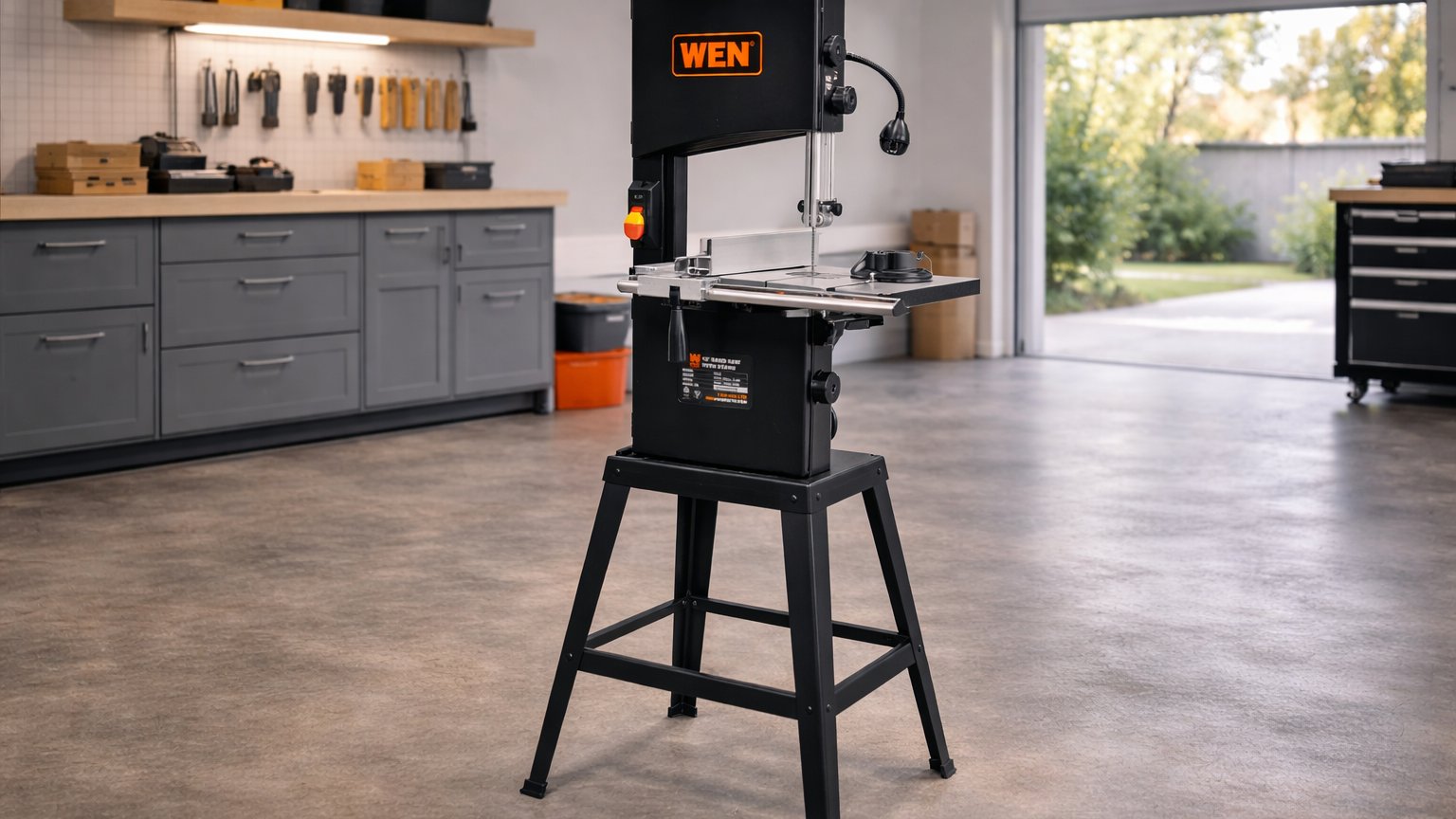
WEN BA3962
Best value
A more budget-oriented direction for buyers who want band saw capability without committing to a heavier, more workshop-permanent machine. It makes more sense when lighter project volume and a lower entry cost matter more than the steadier feel and broader confidence of the Rikon.
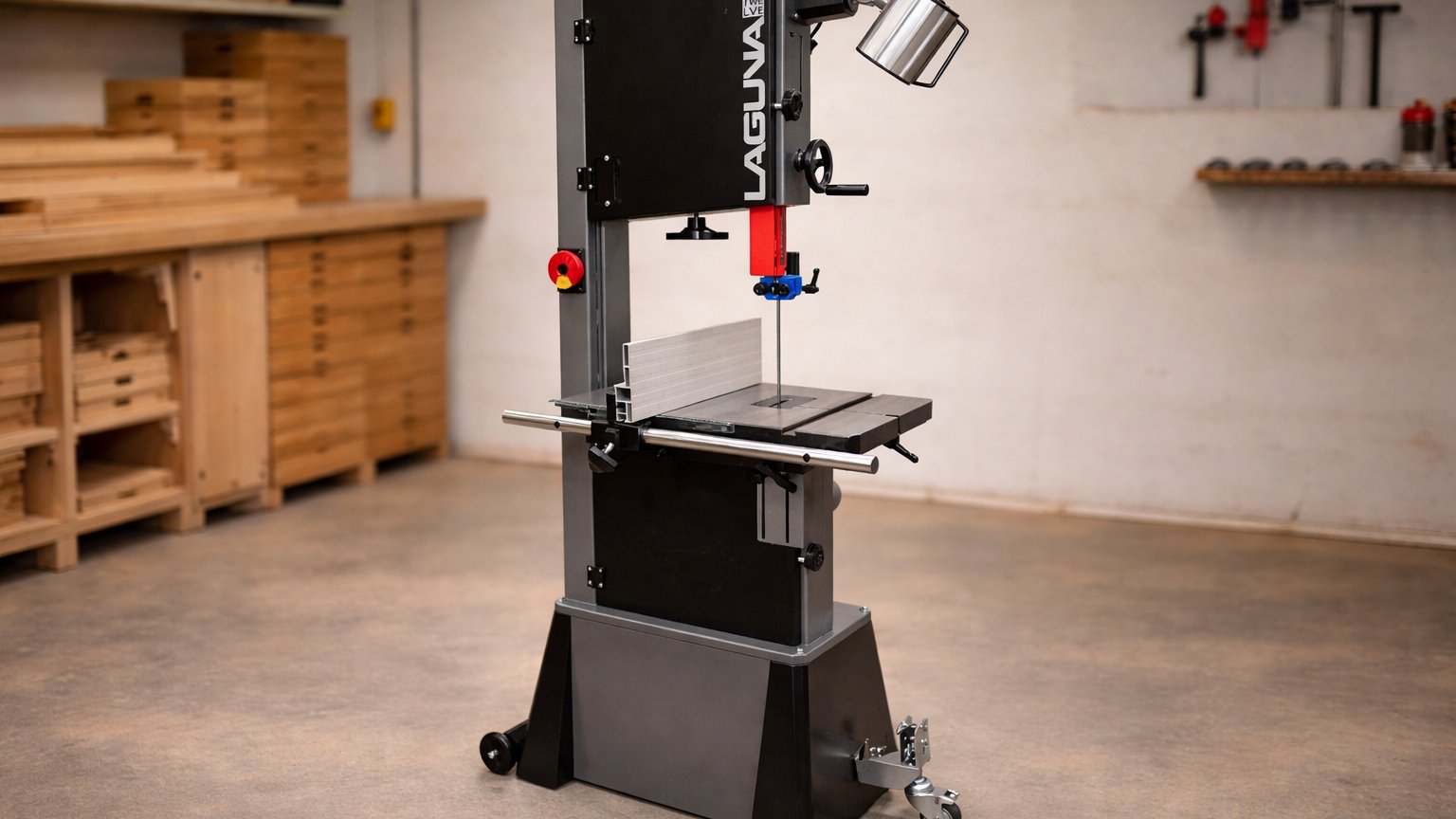
Laguna 14|12
Smaller footprint
A strong alternative for shops that want a more refined full-size woodworking saw but need to stay a bit more conscious of space and overall machine scale. It is the better fit when the goal is serious capability with a slightly less imposing workshop presence.
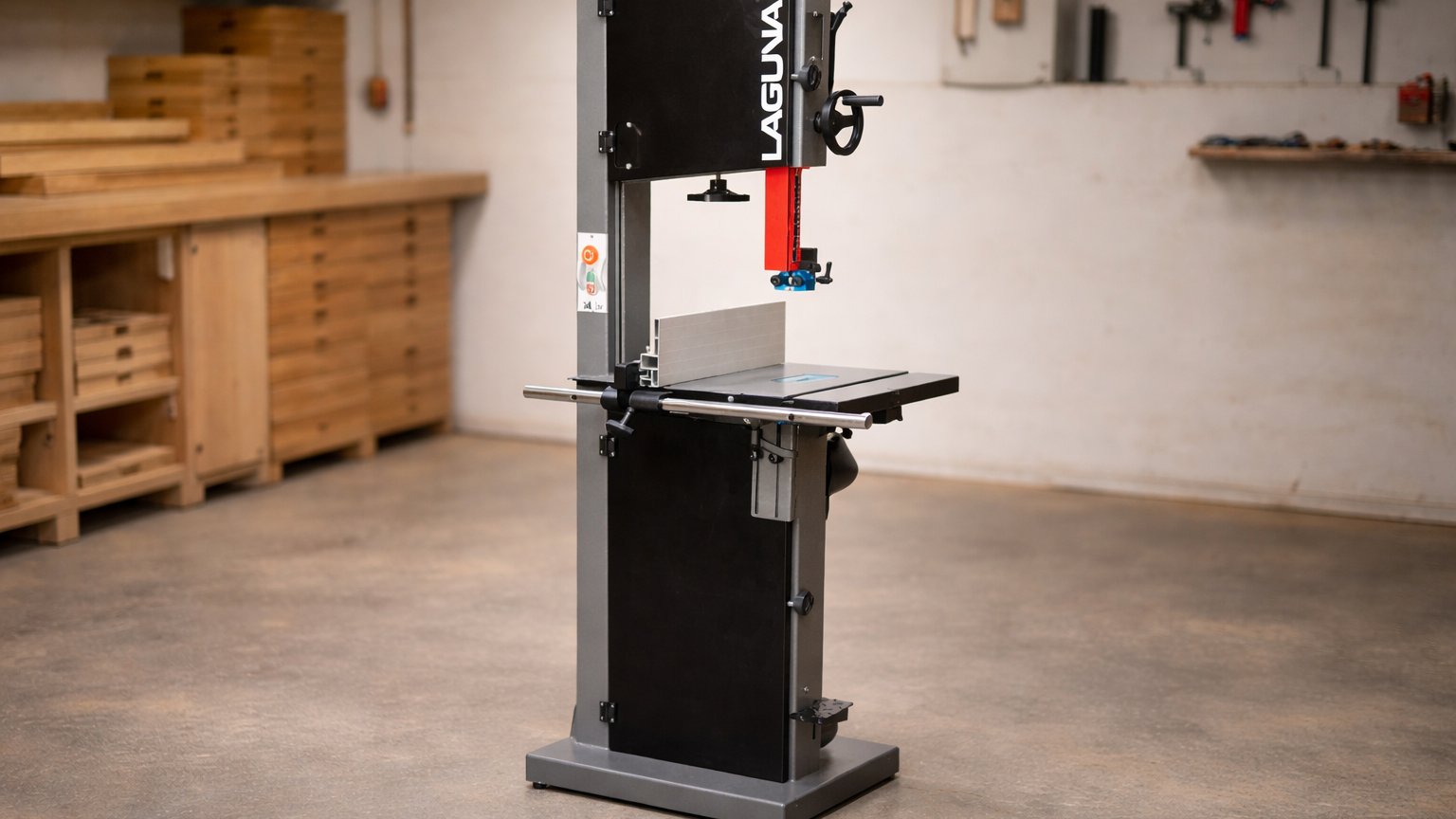
Laguna 14BX
More capacity
This is the direction to consider when the Rikon’s general-purpose balance is appealing but the shop needs a more premium, higher-ambition machine. It is more compelling for buyers who expect heavier use, want a more elevated ownership feel, and are comfortable paying for that step up.
Sources
Sources & reference notes
Specifications and product details referenced in this review were checked against publicly available manufacturer information and current product listings. Where configurations or included accessories vary by seller, those differences should be confirmed at the point of purchase.
- Rikon product documentation and published specifications for the Rikon 10-326 band saw.
- Manufacturer information related to setup, general use, and ownership details for this band saw category.
- Retail product listings used to confirm current naming, model references, and included accessories where applicable.
Where to Buy
Rikon 10-326
Band Saw
Typical price range: $1,000–$1,500
Pricing varies by retailer, availability, and included accessories.
Check Current PriceReview Snapshot
Rikon 10-326
8.7
Stable shop-ready performance
Best for regular woodworking where control and cutting confidence matter more than compact footprint.
- Performance: Feels steady through resawing and general woodworking cuts
- Handling: More planted and controlled, but less convenient in tighter spaces
- Value: Makes the most sense for shops that will use it often
Top 10 List
See the best band saws right now
Want the broader picture? Our Top 10 breaks down the best band saws by performance, value, and real-world shop use.
View the Top 10Compare Models
Compare this band saw head-to-head
See how the Rikon 10-326 stacks up against other top band saws across cutting feel, control, and overall value.
View ComparisonsAccessories You’ll Want
- Blade assortment (different blade widths and tooth patterns help the saw handle resawing, curves, and smoother finish work more effectively)
- Push stick or push block (improves control and keeps hands better positioned during narrower or awkward cuts)
- Mobile base (helps reposition a heavier floor-standing saw more easily in shared or tighter shop spaces)
- Dust collection hookup (reduces sawdust buildup around the table and lower housing for cleaner operation)
- Blade cleaning brush (helps clear pitch and dust so cuts stay more consistent and adjustments stay easier)
Tip: Blade selection has the biggest effect on day-to-day results, so it helps to keep a few task-specific options on hand rather than expecting one blade to handle every kind of cut well.