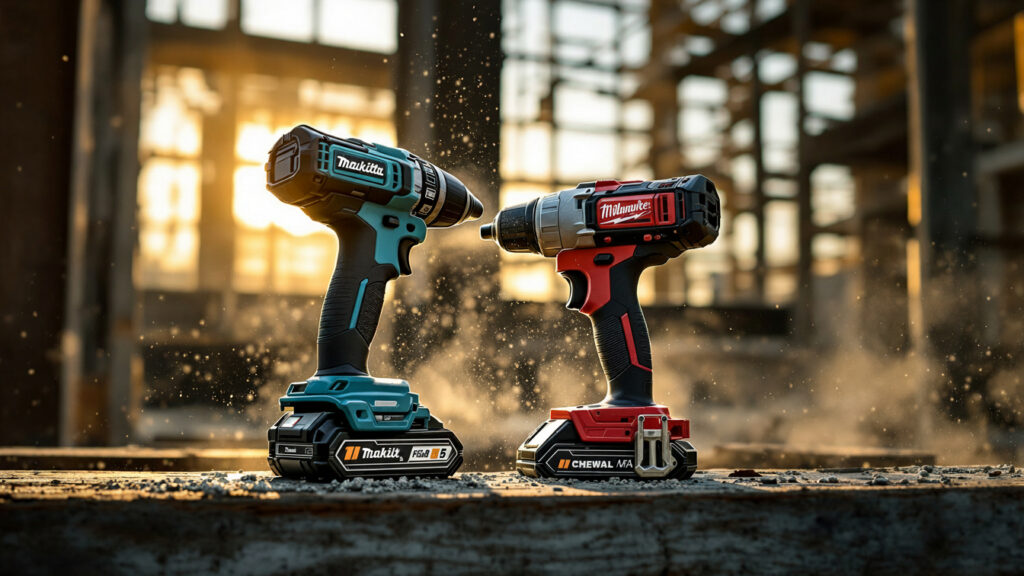
Makita 18V LXT vs Milwaukee M18 FUEL: Which Platform Holds Up Better on the Jobsite?

This comparison examines Makita 18V LXT and Milwaukee M18 FUEL as full cordless platforms, focusing on real jobsite performance, durability, battery systems, and ecosystem tradeoffs professionals weigh when choosing long-term tools.

By: Review Streets Research Lab
Updated: February 10, 2026
Approx. 10–12 min read
Makita 18V LXT vs Milwaukee M18 FUEL_ Which Platform Holds Up Better on the Jobsite_

Head-to-head

Makita 18V LXT vs Milwaukee M18 FUEL: Which Platform Holds Up Better on the Jobsite?

A clean A/B look at two leading cordless platforms—how they compare in real jobsite use, durability, ergonomics, kit value, and the long-term cost and convenience of the battery ecosystem.
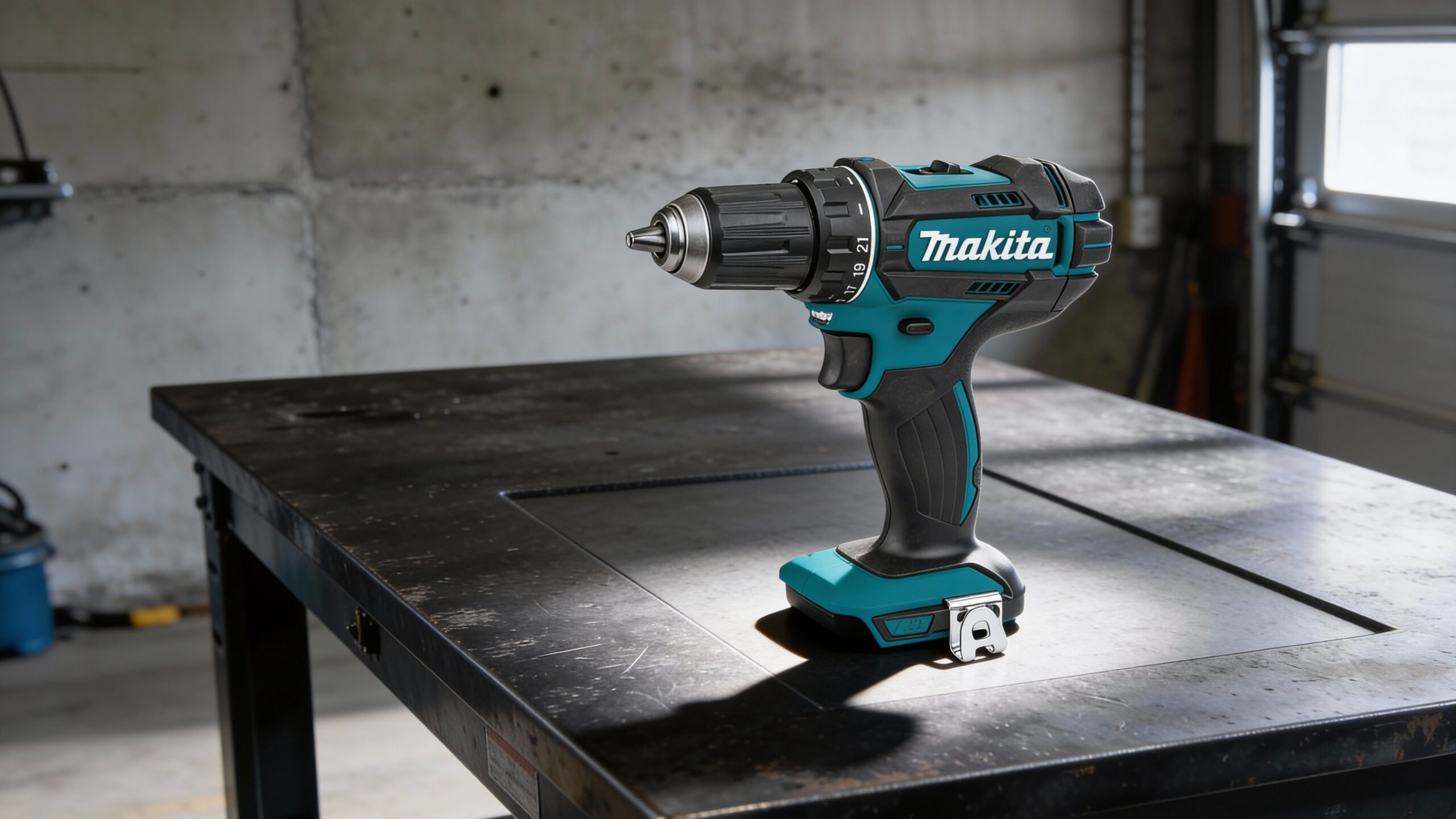
Makita 18V LXT

Makita 18V LXT

A long-running pro platform known for compact tools and steady, predictable control—especially appealing if you prioritize balance, daily comfort, and a wide core lineup.

Score 8.7 Best for compact feel + control Battery 18V LXT Why buy balance + proven platform
  • Often feels lighter in-hand for overhead work and long fastening runs
  • Strong day-to-day performance across drilling, driving, and assembly tasks
  • Great fit if you want a stable platform with lots of dependable “workhorse” tools
VS
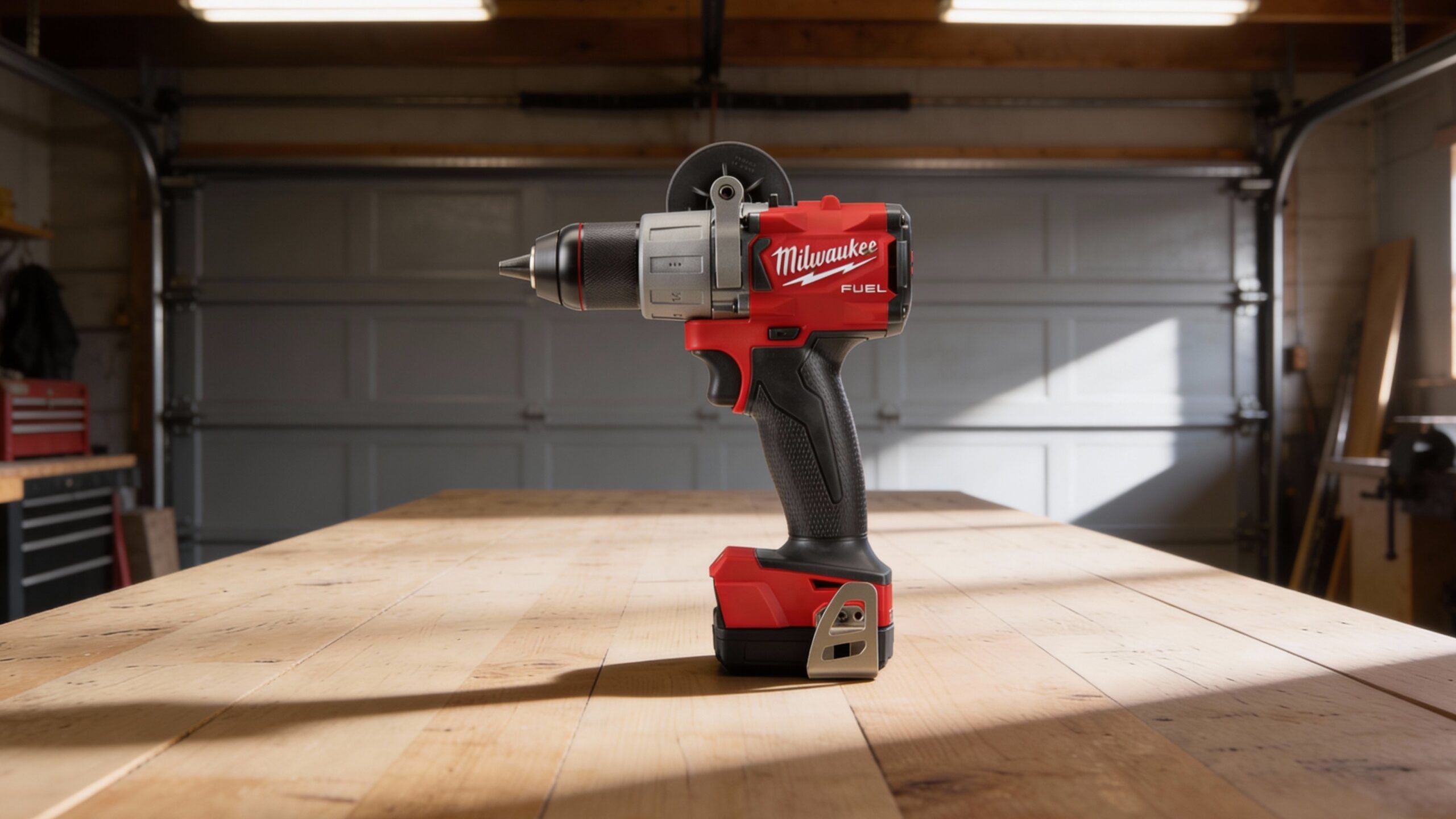
Milwaukee M18 FUEL

Milwaukee M18 FUEL

Built around higher-output tools and a deep, jobsite-focused ecosystem—best when you want maximum headroom for demanding materials and the broadest expansion path.

Score 9.1 Best for heavy-duty tasks Battery M18 Why buy power + ecosystem depth
  • More power headroom for boring, driving, and tougher fastening workloads
  • Strong ecosystem breadth if you plan to build out multiple trade tools
  • Often the safer pick when jobs vary and you can’t compromise on capability
Power under load
Strong, efficient feel
More headroom
Milwaukee
Control & clutch consistency
Smooth, predictable
Very strong
Makita
Ergonomics (feel + fatigue)
Balanced, compact
Heavier, stable
Makita
Value (typical kit pricing)
Often better deals
Typically costs more
Makita
Battery ecosystem depth
Large, mature
Massive
Milwaukee
Real-world context
This comparison reflects a synthesis of professional reviews, manufacturer data, long-term user feedback, and use-case patterns to highlight how each platform typically performs in everyday jobsite work.

Makita — Why people choose it

  • Compact, balanced tools that reduce fatigue on long days
  • Consistent, controllable feel for drilling and fastening tasks
  • Strong kit value and a proven 18V platform with broad core coverage

Milwaukee — Why people choose it

  • More power headroom across higher-output “FUEL” tools
  • Deep lineup for trades that want to stay on one battery system
  • Excellent long-term platform upside as you add specialty tools
Verdict: Choose Milwaukee M18 FUEL if your work regularly pushes tools hard and you want the most headroom plus the deepest jobsite ecosystem. Choose Makita 18V LXT if you value a more compact, balanced feel, predictable control, and strong kit value for daily drilling and fastening across a mature platform.
Read FAQs

Deep dive

What actually matters in this matchup

Makita 18V LXT and Milwaukee M18 FUEL can both handle everyday drilling and fastening, but the decision usually comes down to how each platform feels in repeated use and how it supports your workflow over time. The differences that matter most show up in consistency under real load, how controlled starts feel in common materials, fatigue across long days, and the practical realities of living on a battery ecosystem.

Power delivery in real work: The question is less “which is strongest” and more “which stays composed when the work gets stubborn.” Milwaukee’s M18 FUEL lineup tends to feel more confident when you’re pushing larger fasteners, boring in dense stock, or dealing with unpredictable framing. Makita’s 18V LXT approach often feels efficient and controlled for the majority of daily tasks, especially when you value smooth progress over brute force.

Control, starts, and finish quality: In actual use, the most frustrating moments are cam-outs, overdriven screws, and rough starts that wander. Makita commonly stands out for a predictable “in the hand” feel that helps when you’re working close to finished surfaces or doing repeat fastening where consistency matters. Milwaukee can feel more planted when you lean into the tool, which can translate to cleaner outcomes when resistance spikes—particularly on heavier-duty applications.

Ergonomics and fatigue across a long day: A platform that looks similar on paper can feel very different after hundreds of trigger pulls. Makita’s ecosystem is often favored by users who prioritize balance and reduced fatigue, especially with common battery sizes and frequent overhead or ladder work. Milwaukee’s higher-output capability can come with a more substantial feel that many prefer for stability, but it may matter more to consider how that weight and bulk fits your typical tasks.

Reliability confidence and “jobsite tolerance”: Both lines are established, but day-to-day confidence is shaped by how well the tools hold alignment, how consistent controls remain, and how they tolerate dust, bumps, and transport. Milwaukee’s pro-focused ecosystem and service presence can be a practical advantage when downtime is expensive. Makita’s long-running platform and broad installed base tend to appeal to buyers who value a proven system with a steady track record in core tools.

Ownership reality: batteries, chargers, and the next five tools: The platform choice often matters more than the first purchase. Milwaukee’s M18 system is typically the easier path if you expect to add a wide variety of trade-specific tools and want a single battery standard across them. Makita’s 18V LXT line is a strong fit when you want a wide, practical lineup with a focus on everyday usability and you prefer building a kit that stays comfortable to handle and consistent across tasks.

Who this matchup ultimately favors: Milwaukee M18 FUEL tends to suit work that regularly pushes tool capability and benefits from a deep, jobsite-heavy lineup. Makita 18V LXT tends to suit buyers who value balance, controllability, and long-session comfort, while still getting dependable performance across the tasks most frequently encountered on real jobs.

Methodology

How we evaluated these cordless drills

This comparison evaluates Makita 18V LXT and Milwaukee M18 FUEL the way they’re actually used: as day-to-day drilling and driving tools within larger battery platforms. The focus is on repeatable, practical tasks that reveal meaningful differences in control, comfort, and jobsite confidence—not on spec-sheet advantages or isolated claims.

Tasks: pilot holes and boring in common lumber, drilling into denser stock to observe load behavior, driving mixed fasteners (including long screws), start–stop cycles for precision starts, and overhead/awkward-angle work to assess balance and fatigue with typical battery sizes.

What we scored: how consistently each drill maintains pace under resistance, trigger response and low-speed control, clutch predictability for repeat fastening, chuck confidence and bit retention, build quality cues that affect long-term reliability, and ownership factors such as battery/charger practicality and ecosystem depth for future tool additions.

How results are interpreted: performance is judged in context—recognizing that “better” depends on the work. Some users benefit most from extra headroom in tougher materials, while others prioritize controllability, comfort over long sessions, and platform fit for the tools they plan to add over time.

What we ignored: advertised torque figures, one-off lab-style claims that don’t translate to repeatable jobsite outcomes, and feature callouts that rarely change day-to-day results compared with real control, durability confidence, and ecosystem practicality.

FAQ

Makita 18V LXT vs Milwaukee M18 FUEL: Common questions

Is this comparison about a single drill model or the whole platform?
It’s primarily a platform comparison—Makita 18V LXT versus Milwaukee M18 FUEL—because most buyers are choosing a battery system they’ll build on. Individual drill models vary, but the decision often hinges on ecosystem fit, real-world feel, and long-term ownership.
Which platform makes more sense if you’re starting from scratch?
Start with the platform that matches the tools you expect to add next. Milwaukee M18 FUEL is often the easier path if you want a very deep, jobsite-focused lineup, while Makita 18V LXT is a strong fit if you prioritize comfortable handling and a broad core tool selection.
Will most users notice a difference in day-to-day drilling and driving?
In lighter tasks, both can feel more similar than different. The differences become clearer when resistance increases or when you’re doing repetitive work—where one may feel more composed under load and the other may feel easier to control for precise starts and consistent fastening.
Which is better for long workdays and repetitive fastening?
Comfort is highly personal, but many buyers weigh balance and fatigue more than peak capability for all-day use. Makita’s ecosystem is often favored for a compact, steady feel, while Milwaukee’s strength is providing more headroom when the workload varies and tools are pushed harder.
How should battery and charger choices influence the decision?
Battery sizes and charger setup affect handling, runtime, and convenience more than most first-time buyers expect. If you plan to standardize across many tools, ecosystem breadth and battery availability matter; if you mainly use a smaller set of tools, comfort with common battery sizes and day-to-day practicality may matter more.
Does “FUEL” mean every Milwaukee tool is the same level?
“FUEL” is Milwaukee’s higher-performance tier within the broader M18 system, but individual models still differ by purpose and size class. When comparing platforms, it helps to compare like-for-like categories (compact vs compact, hammer vs hammer) and consider the tools you’ll actually use most.
Are Makita 18V LXT tools compatible with other Makita battery systems?
Makita 18V LXT batteries are designed for the LXT ecosystem, while other Makita systems may use different battery formats depending on the tool class. If you’re planning to mix tool families, confirm battery compatibility for the specific tools you intend to own.
Which platform is the safer long-term buy?
Both are established platforms with large lineups and broad availability, so “safe” usually means choosing the ecosystem that best fits your work mix. Milwaukee tends to favor buyers expanding into many trade tools, while Makita tends to appeal to those prioritizing consistent handling and a mature, widely supported core lineup.
What’s the most common reason people regret choosing a platform?
The biggest regret is buying based on one tool and later realizing the rest of the lineup doesn’t match their needs or feels inconsistent in use. Planning around the next few tools you’ll buy—plus how you prefer the tools to feel in-hand—usually leads to a better long-term fit.

Key Takeaways

  • The real difference between Makita 18V LXT and Milwaukee M18 FUEL shows up under sustained load and long sessions, not in basic drilling where both perform similarly.
  • Milwaukee’s platform tends to favor users who regularly push tools hard or need extra headroom when materials, fasteners, or conditions are unpredictable.
  • Makita’s platform tends to favor users who value balance, control, and reduced fatigue during repetitive or precision-oriented work.
  • Ergonomics and “feel” can outweigh raw capability over a full workday, making comfort a decisive factor for many buyers.
  • Battery ecosystem choice often matters more than the first tool, shaping future flexibility, cost, and workflow consistency.
  • The better platform is ultimately the one that aligns with how often tools are used, how hard they’re pushed, and which tools you plan to add next.

Verdict

The Best Cordless Platform for Most Jobsite Users

In this head-to-head, the deciding factor isn’t a single feature—it’s how the platform fits your day-to-day workload. The best choice is the one that delivers the level of capability you actually need, feels manageable across long sessions, and makes sense as a battery ecosystem you’ll build on over time.

#1 Winner

Milwaukee M18 FUEL

The more confident pick when your work regularly pushes tools hard and you want the deepest jobsite-focused ecosystem for expanding a platform.

  • More headroom when materials, fasteners, and conditions are demanding
  • Strong platform fit for users who expect to add many trade tools over time
  • Built for consistent performance when daily work is varied and heavy-duty

Runner-up

Jump to the Head-to-Head

Tip: If you already own batteries and chargers in one ecosystem, that practical advantage often outweighs smaller differences between platforms.

Where to Buy

We prioritize reputable sellers, easy returns, and reliable availability.

Price checks happen regularly. Some links may earn a commission—never affects rankings.

Accessories You’ll Want

  • Impact-rated driver bit set (covers the fasteners you use most and holds up to daily driving)
  • Drill bit set with spares (wood + metal basics, plus extra common sizes that wear out first)
  • Hole saw or spade bit kit (for rough-ins, cabinetry, and utility drilling where standard bits fall short)
  • Compact and high-capacity batteries (a lighter pack for overhead work and a larger pack for long runs)
  • Fast charger or second charger (helps avoid downtime if you rotate batteries through multiple tools)

Tip: prioritize battery compatibility across the next tools you’ll buy—chargers and battery sizes often shape comfort and uptime more than the drill itself.