
In this Makita 6302H Corded Drill review, we evaluate its performance, durability, and design in real-world jobsite conditions. Rather than ranking it against competitors, we examine its practical strengths and limitations to clarify where it excels, where it falls short, and who it’s best suited for.
Makita 6302H Corded Drill Review: Performance, Pros, and Cons
By: Review Streets Research Lab
Updated: April 2, 2026
Approx. 8–10 min read
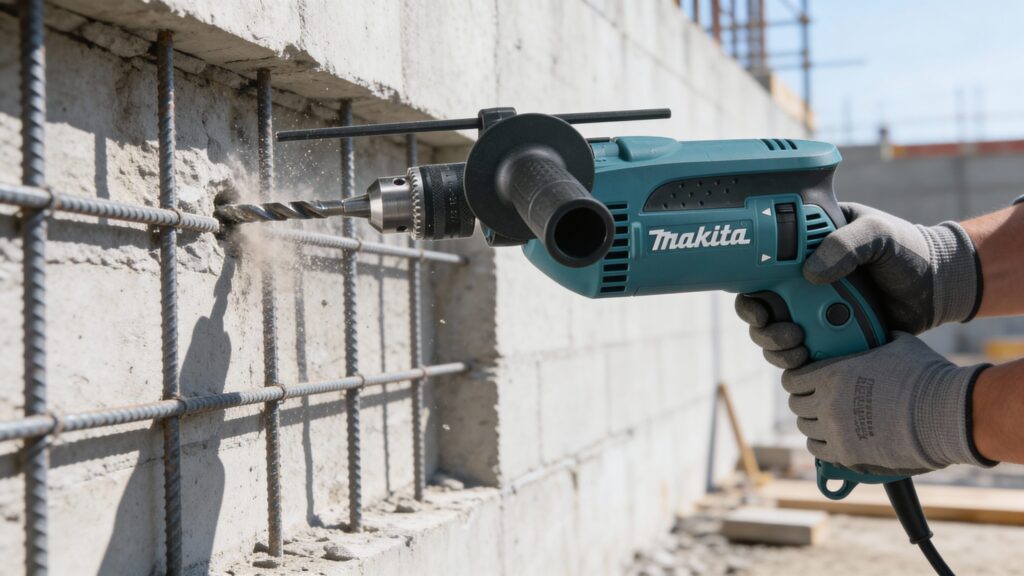
Quick Summary
The Makita 6302H is a heavy-duty corded drill built for steady, dependable performance when pushing larger bits or working through dense materials. It feels confident under load and favors consistency over convenience, making it a solid fit for workshop tasks and repetitive drilling—though the cord and weight can limit mobility and add fatigue during longer sessions.
7.8
Score
Best for: Workshop drilling & heavy-duty tasks
Pros & Cons
Makita 6302H: what we liked (and what we didn’t)
A quick look at the biggest strengths and tradeoffs based on performance, handling, and everyday usability.
Pros
- Steady under load: Maintains a consistent drilling feel when pushing larger bits or working through dense stock.
- Always-ready power: No battery management, so output stays predictable across longer work sessions.
- Confident control: Trigger response supports smoother starts and better control when accuracy matters.
- Workhorse durability: Built to handle repeated use with a reliability-first, jobsite-friendly approach.
- Good value for duty: Makes sense when you need a dedicated corded drill for frequent heavy drilling tasks.
Cons
- Less mobile: The cord can slow workflow, especially when moving between rooms or working outdoors.
- Hefty feel: Weight and balance can add fatigue during overhead work or extended drilling runs.
- Tight-space limits: Size can be awkward in cabinets, between studs, or other cramped areas.
- Rougher operation: Noise and vibration can be more noticeable compared with lighter-duty, modern alternatives.
Specs
Makita 6302H key specifications
These are the core specs and practical details most buyers compare across heavy-duty corded drills.
| Spec | Makita 6302H |
|---|---|
| Type | Corded drill (high-torque, variable speed) |
| Platform | Corded (standard household power) |
| Voltage | 120V AC (corded) |
| Speed | Variable speed; manufacturer-rated max speed (low-speed, high-torque class) |
| Chuck | 1/2" keyed chuck |
| Torque | High-torque output (manufacturer-rated; exact in-lbs not typically listed) |
| Length | Approx. full-size corded drill footprint (varies by handle setup) |
| Weight | Approx. 9–10 lb class (tool-only; can feel heavier in extended use) |
| Clutch settings | No clutch; drill-only operation with forward/reverse |
| LED light | No |
| Included | Tool with keyed chuck; typically includes chuck key and auxiliary handle |
| Best use | Large-bit drilling, hole saws, mixing, and workshop or jobsite tasks where constant power matters |
| Warranty | Makita limited warranty (terms vary by region/product registration) |
Performance
How the Makita 6302H performs
We evaluated power delivery, drilling pace, control, and comfort during typical workshop and remodel tasks to show how this corded drill behaves when used for everything from clean pilot holes to tougher, high-load drilling.
Drilling Speed
Moves at a steady, workmanlike pace in wood and light masonry, prioritizing control over quick bursts.
Torque & Power
Strong pull through tougher cuts with fewer stalls, feeling most confident when the bit starts to load up.
Control & Handling
Variable-speed trigger helps with cleaner starts, though the full-size body takes planning in tight spots.
Balance & Comfort
Feels substantial in hand; manageable on a bench or waist-high work, but can tire arms during overhead runs.
Noise & Vibration
Noticeably loud under heavy load with more vibration than lighter-duty drills, making hearing protection a smart call.
Overall Performance
A dependable, high-torque corded option that favors consistent output and durability over portability and comfort.
Testing note: Performance observations are based on practical drilling and handling across common shop and remodel tasks using typical bits, fasteners, and building materials.
Build Quality
Build quality & durability
The Makita 6302H feels built around long, demanding work sessions. The body has a rigid, industrial feel, the grip area stays secure with dusty hands, and the overall heft gives it a steady, confidence-inspiring presence when the bit starts to bite.
Key contact points—chuck, front housing, and controls—come across as sturdy and straightforward. The chuck feels secure once tightened, and the tool has a solid, low-flex sensation during tougher drilling, which helps keep starts cleaner and reduces the sense of bit wander.
In everyday handling, it presents as a tool you don’t have to baby: it tolerates being set down firmly, carried between spaces, and used repeatedly without feeling delicate. During longer pulls, it tends to feel stable rather than rattly, with heat and vibration remaining manageable for the class.
The tradeoff is portability. The same rugged, heavy-duty build that supports consistent output also makes it less convenient for ladder work, tight installs, or quick grab-and-go tasks. It’s best treated as a dedicated workhorse rather than an all-day carry tool.
Setup & Maintenance
Setup, daily use, and upkeep
The Makita 6302H is straightforward to get working well—secure the bit properly in the keyed chuck, choose a controlled trigger speed, and match pressure to the material. With a corded drill, good results come from steady technique: clean starts, consistent feed, and avoiding sudden bind-ups when the bit loads up.
Best setup for common tasks
- General Drilling: Use a sharp bit and a moderate trigger speed; keep steady forward pressure so the bit cuts instead of chattering.
- Large Bits: Add the auxiliary handle and brace the tool; start slow, then increase speed only after the bit is tracking cleanly.
- Hole Saws: Begin at low speed with light pressure, clear chips often, and pause if heat builds to keep the cut controlled.
- Mixing Materials: Start slow to avoid splatter, keep the paddle fully submerged, and maintain a consistent speed for a smoother blend.
What to do for smoother starts
- Feather The Trigger: Ease into rotation for the first second so the bit seats and doesn’t skate across the surface.
- Use A Pilot: Drill a small pilot hole first when accuracy matters, especially in hardwood, metal, or near an edge.
- Stabilize The Work: Clamp the material or support it firmly so the bit tracks straight and the tool doesn’t twist unexpectedly.
Maintenance (simple but important)
- Chuck Care: Keep the jaws clean and tighten evenly with the key so bits seat straight and hold securely.
- Cord Check: Inspect the cord and strain relief regularly and store it loosely coiled to prevent kinks and early wear.
- Vent Cleaning: Brush off dust around intake areas after messy jobs so airflow stays clear during longer runs.
- Bit Condition: Replace dull or bent bits promptly—sharp cutting reduces heat, binding, and overall strain on the drill.
Tip: When using larger bits or hole saws, keep two hands on the drill, use the side handle, and brace your stance. Start at a controlled speed and let the bit cut—forcing it increases the chance of a sudden bind-up and wrist twist.
Real-World Use
Where the Makita 6302H fits best
On paper, the Makita 6302H is a heavy-duty corded drill. In real projects, it stands out most where steady torque, uninterrupted runtime, and drilling confidence matter more than portability or compact handling.
Workshop drilling & fabrication
Well suited for bench work, jig building, and repetitive drilling where consistent power helps maintain cleaner holes. Its steady delivery feels especially useful when stepping up bit sizes or working through dense stock.
Remodeling & structural work
Handles larger fasteners, hole saws, and framing tasks with a planted, controlled feel. For projects where torque matters more than speed, it provides dependable output without worrying about battery fade.
Mixing & heavy-duty applications
The corded platform and torque-focused design translate well to material mixing and other load-heavy tasks. It maintains consistent rotation without the surging or slowdown lighter-duty drills can show.
Where it’s less ideal
For overhead installs, ladder work, or tight cabinet spaces, the size, weight, and cord management can feel cumbersome. More compact cordless drills tend to move faster and fatigue less in those mobility-focused scenarios.
Value
Is the Makita 6302H worth it?
The Makita 6302H makes the most sense when you’ll use it as a true workhorse—regular heavy drilling, larger bits, or load-heavy tasks where consistent corded power saves time and frustration. For occasional light DIY, a smaller, cheaper drill will usually feel easier and more cost-effective.
Price-to-performance takeaway
You’re paying primarily for steady torque delivery, durability confidence, and the practicality of never managing batteries. The value shows up over time if this becomes a dedicated shop or jobsite tool; if your projects prioritize portability and quick convenience, modern cordless options may deliver better day-to-day payoff.
Tip: If you already own a cordless platform for general tasks, consider the 6302H as a “second drill” for heavier drilling and mixing. If it would be your only drill, weigh cord management and weight against the flexibility of a compact cordless kit.
FAQ
Makita 6302H FAQ
Quick answers to the most common questions about the Makita 6302H—use cases, what to expect in real-world work, and the key tradeoffs of a heavy-duty corded drill.
Is the Makita 6302H a corded drill?
Yes. It’s a corded drill designed for consistent output without battery management, which can be helpful for longer sessions and heavier drilling tasks.
Does it use standard drill bits?
Yes. With a 1/2" keyed chuck, it works with common round-shank bits and accessories that fit that chuck size. Tighten evenly with the chuck key for the best grip and straight tracking.
Can it drill into masonry?
It can handle light masonry drilling with the right bit and technique, but it doesn’t have a hammer function. For frequent concrete, block, or brick work, a hammer drill or rotary hammer is typically the better choice.
Who is this drill best for?
It’s best for users who regularly do heavier drilling, larger holes, or load-heavy tasks where steady torque and uninterrupted runtime matter more than portability.
Is it overkill for basic DIY?
For occasional light tasks like small pilot holes and short screws, it can feel larger and heavier than necessary. Its strengths show up most when the work gets tougher or more repetitive.
What should I consider before buying?
Think about where you’ll use it most. If you often work away from outlets or in tight spaces, a compact cordless drill may be more practical. If you want a dedicated workhorse for high-load drilling, corded power can be a strong fit.
What are the most common downsides?
The main tradeoffs are cord management, weight, and bulk compared with modern compact drills. Noise and vibration can also be more noticeable during heavy work, so controlled technique and hearing protection are good habits.
Alternatives
Best alternatives to the Makita 6302H
If you like the Makita 6302H’s steady, high-torque corded feel but want a different tradeoff—more portability, a lighter daily driver, or a more specialized tool for certain jobs—these are three practical alternatives to consider.
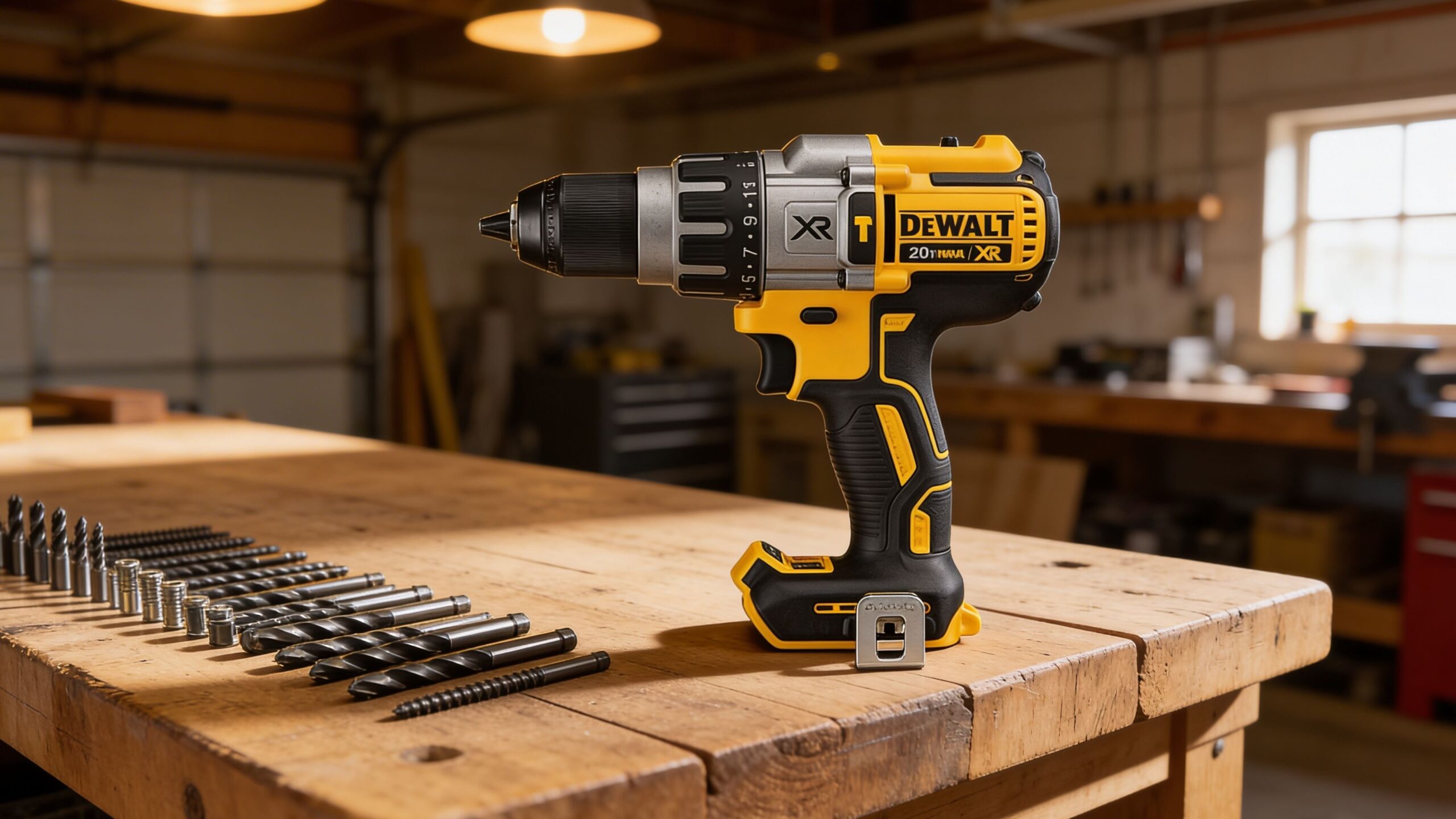
DeWalt DCD791 (20V MAX XR)
More portable
A compact cordless drill/driver that’s easier to carry room to room and handle overhead. Choose it if convenience and day-to-day maneuverability matter more than the constant, high-load confidence of a heavy corded drill.
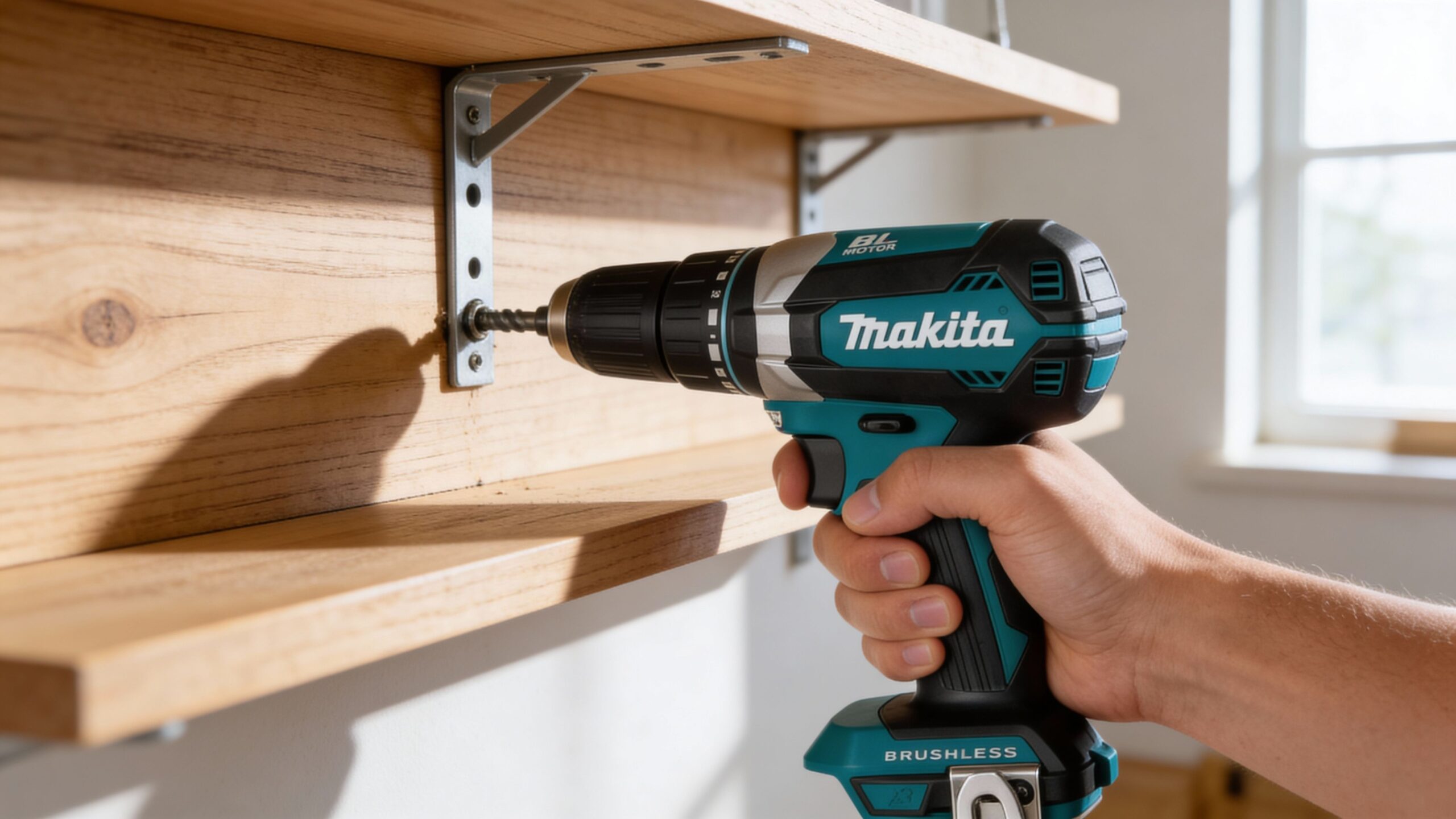
Makita XFD131 (18V LXT)
Lighter handling
A practical everyday drill for lighter drilling and driving with less fatigue and easier tight-space work. Pick it if most tasks are moderate-duty and you’d rather trade some heavy-load confidence for smoother handling.
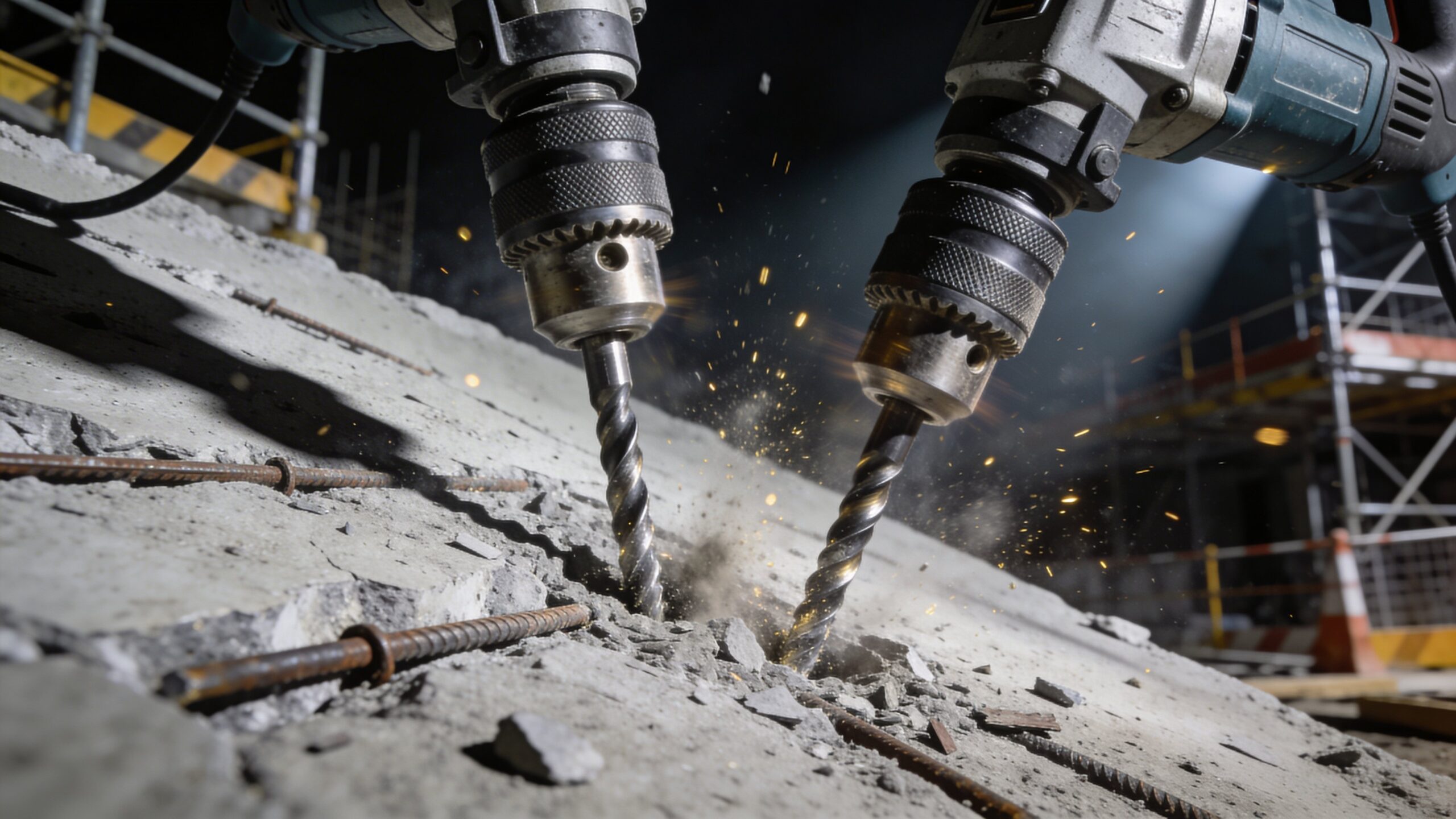
Dedicated Rotary Hammer (SDS-Plus class)
Best for masonry
If your projects include frequent concrete or block drilling, a rotary hammer is typically faster, easier on the user, and more consistent than pushing a standard drill. It’s the better choice when masonry is a regular part of the workload.
Sources
Sources & reference notes
Specifications and product details referenced in this review were verified using publicly available manufacturer documentation and current product listings. Where configurations vary by region or included accessories, differences are noted directly in the article.
- Makita — product documentation and published specifications for the Makita 6302H corded drill.
- General corded tool power and accessory compatibility guidance (chuck/bit fit and typical use cases) from manufacturer and category documentation.
- Retail product listings used to confirm current naming, SKU variations, and what’s included in common purchase configurations.
Where to Buy
Makita 6302H
Corded Drill
Typical price range: $120–$220
Pricing varies by retailer and what’s included (tool-only vs. bundled accessories).
Check Current PriceReview Snapshot
Makita 6302H
7.8
Steady corded workhorse
Best for heavy drilling and mixing where consistent power matters, with the tradeoff of cord management and a heavier feel.
- Performance: Holds pace under load with fewer slowdowns on tougher cuts
- Handling: Planted and controllable, but tiring for overhead or tight-space work
- Value: Pays off as a dedicated heavy-duty drill; casual users may prefer compact cordless kits
Top 10 List
See the best corded drills right now
Want the full picture? Our Top 10 breaks down the best corded drills by performance, value, and real-world use.
View the Top 10Compare Models
Compare this drill head-to-head
See how the Makita 6302H stacks up against other corded drills across power delivery, handling, and overall value.
View ComparisonsAccessories You’ll Want
- Quality drill/driver bit set (more reliable screw engagement and fewer cam-outs during repetitive driving)
- Bradboint and twist drill bit assortment (cleaner starts in wood plus dependable pilots for hardware and anchors)
- Heavy-duty extension cord (better reach with fewer voltage-drop slowdowns when the drill is under load)
- Auxiliary side handle (improves control and helps manage torque when larger bits catch or bind)
- Mixing paddle attachment (makes paint, thinset, and mortar mixing smoother and easier to control)
Tip: With a corded drill, your day-to-day experience is shaped less by “platform” and more by bit quality, safe cord management, and accessories like a side handle that help control bind-ups and reduce strain.