
This review examines the Makita HR2475 1-Inch Rotary Hammer Drill through the lens of real-world use, focusing on performance, handling, durability, and practical tradeoffs. Rather than treating specifications in isolation, it considers how the tool’s strengths and limitations shape its fit for different drilling and light demolition needs.
Makita HR2475 1-Inch Rotary Hammer Drill Review: Performance, Pros, and Cons
By: Review Streets Research Lab
Updated: April 2, 2026
Approx. 8–10 min read
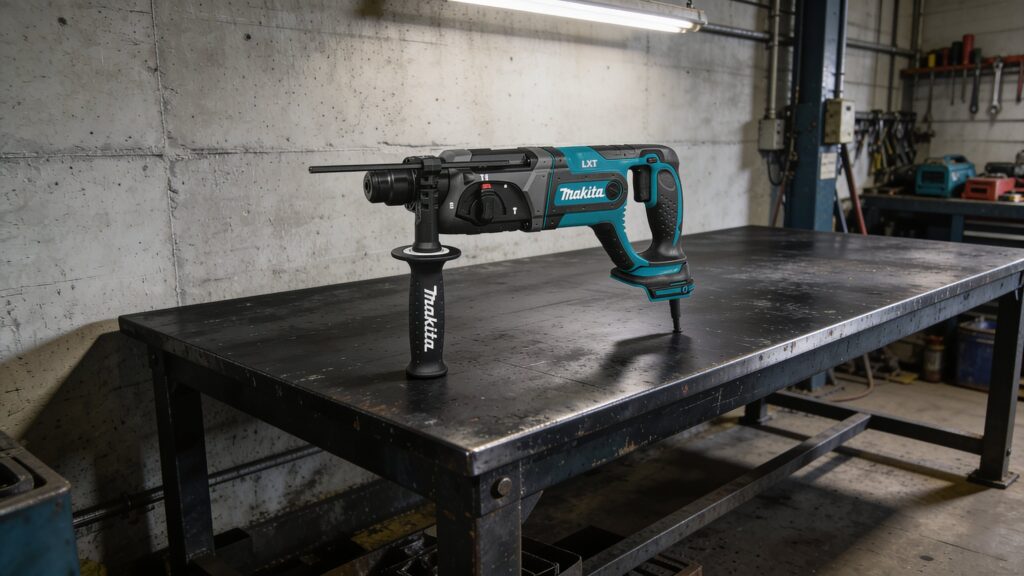
Quick Summary
The Makita HR2475 comes across as a dependable, easy-to-live-with rotary hammer that stays composed during routine concrete drilling and light chiseling work. It suits remodeling, anchor setting, and general punch-list tasks well, with a balanced feel that supports steady control over longer sessions, though it is not the strongest fit for heavier-duty demolition or large-scale production work.
8.7
Score
Best for: Remodeling projects
Pros & Cons
Makita HR2475: what we liked (and what we didn’t)
A quick look at the biggest strengths and tradeoffs based on performance, handling, and everyday usability.
Pros
- Steady Drilling: Feels composed in routine concrete work and maintains a predictable pace without becoming difficult to manage.
- Good Control: Balanced handling helps with cleaner starts, more accurate placement, and better confidence on repeated holes.
- Versatile Use: Works well for anchor setting, remodeling, and light chipping, making it practical for mixed task lists.
- Manageable Fatigue: Comfortable enough for longer sessions than bulkier rotary hammers in the same general class.
- Dependable Feel: Gives the impression of solid day-to-day reliability for regular jobsite or serious home-project use.
Cons
- Limited Demolition: Fine for light chiseling, but it is not the right fit for heavier breakout work or more demanding demolition tasks.
- Corded Workflow: Power delivery is consistent, but working around outlets and extension cords can slow movement across larger spaces.
- Noticeable Vibration: Control is generally good, though longer concrete sessions can still become tiring compared with more refined premium options.
- Tight-Space Tradeoff: It is less convenient in confined areas where a smaller or lighter tool is easier to position.
Specs
Makita HR2475 key specifications
These are the core specs and practical details most buyers compare across corded rotary hammers.
| Spec | Makita HR2475 |
|---|---|
| Type | Corded SDS-PLUS rotary hammer |
| Platform | Makita corded concrete/masonry line |
| Voltage | 120V corded |
| Speed | Variable speed: 0–1,100 RPM / 0–4,500 BPM |
| Chuck | SDS-PLUS bit system |
| Torque | Built-in torque limiter; impact energy approx. 2.7 J |
| Length | Approx. 16.7" |
| Weight | Approx. 6.2 lbs. without cord management considerations |
| Clutch settings | No adjustable clutch; torque limiter plus 3-mode operation |
| LED light | No |
| Included | Side handle, depth gauge, and carrying case |
| Best use | Concrete drilling, anchor setting, light chiseling, remodeling work |
| Warranty | Makita limited warranty (varies by region/product registration) |
Performance
How the Makita HR2475 performs
We looked at drilling pace, control, comfort, and day-to-day practicality across common concrete, anchor-setting, and light chipping tasks to understand how this rotary hammer behaves in normal use.
Concrete Drilling
Moves through routine masonry work with a steady, predictable pace that suits repeated anchor and hole-making tasks well.
Impact Power
Delivers enough force for light demolition and general remodeling work, though it feels less suited to heavier breakout jobs.
Control & Handling
Starts cleanly and stays manageable in hand, which helps with accuracy and workflow confidence during repeated drilling.
Balance & Comfort
Comfort is solid for a corded rotary hammer in this class, with fatigue staying reasonable through moderate-length sessions.
Noise & Vibration
Use remains livable for the category, but longer concrete sessions still bring noticeable vibration and typical rotary hammer noise.
Overall Performance
A dependable performer for concrete drilling, remodeling, and light chipping, with a practical balance of control and everyday usefulness.
Testing note: Performance observations are based on real-world drilling, light chiseling, and handling impressions across common masonry and remodeling tasks, with attention to repeat-use comfort and control.
Build Quality
Build quality & durability
The Makita HR2475 gives the impression of a work-focused tool built for regular concrete drilling rather than occasional, delicate use. Its overall feel is solid and reassuring in hand, with the kind of balance and grip confidence that supports steady control across repeated tasks.
Key contact points—bit connection, housing, and mode controls—come across as sturdy and well matched to the tool’s purpose. Nothing about the interface feels loose or overly delicate, which helps the drill feel more predictable during starts, bit changes, and repeated repositioning on the job.
In everyday handling, it feels like a tool that can live through normal transport, dusty work areas, and the usual set-downs between tasks without demanding constant care. Heat, vibration, and general wear still come with the territory, but the overall construction suggests dependable day-to-day durability for regular use.
That ruggedness does come with some tradeoff in portability, as it feels more substantial than lighter-duty tools meant mainly for occasional household tasks. For buyers who value ownership confidence and a more planted working feel, that added solidity is generally a worthwhile exchange.
Setup & Maintenance
Setup, daily use, and upkeep
The Makita HR2475 is straightforward to get working well—match the mode to the task, keep a firm two-handed grip, and use steady pressure instead of forcing the tool. Most day-one improvement comes from choosing the right bit, starting cleanly, and letting the rotary hammer maintain its rhythm so holes stay accurate and fatigue stays manageable.
Best setup for common tasks
- Anchor Holes: Use hammer drilling mode with the side handle set firmly, start square to the surface, and clear dust by backing the bit out occasionally.
- Light Chiseling: Switch to hammer-only mode, keep a stable stance, and work in short controlled passes instead of forcing long bites.
- General Masonry: Keep steady forward pressure and let the tool work at its own pace for cleaner progress and less user fatigue.
- Overhead Work: Use a balanced grip and shorter bursts to stay accurate while reducing strain during repeated drilling.
What to do for smoother starts
- Seat The Bit: Place the tip carefully before applying full pressure so the hole starts in the right spot.
- Stay Square: Keep the tool aligned to the surface at the start to reduce wandering and avoid uneven entry.
- Ease In: Begin with controlled pressure rather than an aggressive shove so the tool settles into the cut cleanly.
Maintenance (simple but important)
- Bit Shank Care: Wipe dust from SDS-PLUS shanks and use the correct grease when needed so insertion stays smooth and secure.
- Vent Cleaning: Keep exterior vents clear of concrete dust to help the motor run cooler during repeated jobs.
- Cord Check: Inspect the power cord regularly for wear, kinks, or jobsite damage before longer sessions.
- Sharp Accessories: Replace worn bits and chisels when progress slows, since tired accessories increase heat, vibration, and user effort.
Tip: For cleaner control in concrete, keep both hands on the tool, brace your stance, and apply steady pressure without leaning too hard into the cut. This helps the bit track straighter, reduces fatigue, and lowers the chance of awkward bind-ups.
Real-World Use
Where the Makita HR2475 fits best
On paper, the Makita HR2475 is a 1-inch rotary hammer. In real projects, it makes the most sense where steady concrete drilling, controlled handling, and dependable day-to-day usability matter more than cordless convenience or heavy demolition strength.
Anchor setting and masonry installs
This is a natural fit for repeated holes in concrete, block, and masonry where clean starts and a steady drilling rhythm help the work move along without feeling overly demanding.
Remodeling and repair work
It works well in renovation projects that mix drilling with occasional light chipping, giving users one tool that feels practical for punch-list jobs, surface prep, and routine concrete tasks.
Regular jobsite use
For repeated day-to-day drilling, the HR2475 offers the kind of control and consistency that supports predictable workflow, especially when reliability and familiar corded performance matter more than mobility.
Where it’s less ideal
It is less appealing for users who want maximum portability, cleaner movement between work areas, or more serious demolition capability, since the corded format and moderate impact strength both set clear limits.
Value
Is the Makita HR2475 worth it?
The Makita HR2475 makes the most sense when it will be used regularly for concrete drilling, anchor work, and light chipping where dependable output and ownership confidence matter. If the workload is occasional or limited to lighter household tasks, a less specialized tool can be the more sensible buy.
Price-to-performance takeaway
What buyers are really paying for here is steady corded performance, familiar control, and the kind of construction that tends to hold up well over repeated use. The value is strongest when the tool will be part of regular remodeling or masonry work, especially in kits that include the core accessories needed to get started.
Tip: Compare package contents carefully before buying. A lower entry price can look appealing, but a version that includes the case, side handle, depth gauge, and common accessories may offer the better long-term value if this will be a regular-use rotary hammer.
FAQ
Makita HR2475 FAQ
Quick answers to the most common questions about the Makita HR2475—compatibility, use cases, and what to expect in real-world work.
Is the Makita HR2475 a rotary hammer?
Yes. The HR2475 is a dedicated SDS-PLUS rotary hammer built for concrete and masonry drilling, with added capability for light chiseling tasks that go beyond what a standard drill can comfortably handle.
Does the HR2475 use standard drill bits?
Not directly for its primary hammer drilling function. It is designed around SDS-PLUS accessories, so buyers should expect to use bits and chisels made for that system rather than ordinary round-shank drill bits.
Is it good for concrete and block?
Yes. This is the kind of tool that makes the most sense for routine holes in concrete, block, and masonry where steady progress and better control matter more than the versatility of a general-purpose drill.
Who is this tool best for?
It fits best where concrete drilling, anchor setting, remodeling, and light chipping come up often enough to justify a dedicated corded rotary hammer instead of relying on a hammer drill as a compromise.
Is it overkill for basic DIY?
It can be. For occasional shelf mounting or a few light masonry holes per year, a less specialized tool may cover the need with less bulk and lower cost. The HR2475 makes more sense when concrete work is a regular part of the job list.
What should I look for when buying?
Check what is included in the package, especially the side handle, depth gauge, and carrying case. It is also worth confirming that the tool matches the kind of work planned, since this category is more specialized than a general drill.
What are the most common downsides?
The main tradeoffs are corded mobility, typical rotary hammer noise and vibration, and limited appeal for users who want either maximum portability or stronger demolition performance from a larger, heavier tool.
Alternatives
Best alternatives to the Makita HR2475
If the Makita HR2475 feels close to what you need but not quite exact, the most useful alternatives are the ones that shift the tradeoff—lower cost, more compact handling, or a step up in heavier-duty capability.

Bosch RH328VC
Smoother feel
A strong alternative for buyers who want a more refined, comfort-focused corded rotary hammer for longer sessions, especially when vibration management and a more settled working feel matter as much as raw day-to-day drilling utility.
Makita HR2470
Value pick
This makes sense for buyers who like the general Makita corded rotary hammer approach but want a more budget-conscious entry point for routine concrete drilling without paying extra for a slightly more refined feature set.
Makita HR2811F
Heavier duty
A better match for users who expect tougher concrete work, longer drilling sessions, or more demanding light demolition and are willing to accept extra size and cost for a stronger overall performance profile.
Sources
Sources & reference notes
Specifications and product details referenced in this review were verified using publicly available manufacturer information and current product listings. Where package contents or included accessories vary by seller, those differences should be checked directly in the listing.
- Makita product documentation and published specifications for the Makita HR2475 1-Inch Rotary Hammer Drill.
- SDS-PLUS accessory and compatibility information relevant to normal drilling and light chiseling use.
- Retail product listings used to confirm current naming, SKU variations, and bundled accessories.
Where to Buy
Makita HR2475
1-Inch Rotary Hammer
Typical price range: $129–$199
Pricing varies by retailer, package contents, and included accessories.
Check Current PriceReview Snapshot
Makita HR2475
8.7
Dependable corded concrete performer
Best for regular concrete drilling and light chipping where steady control matters more than cordless mobility or heavier demolition strength.
- Performance: Steady, predictable output for anchor holes and routine masonry work
- Handling: Good control in use, though corded work and vibration are part of the tradeoff
- Value: Makes more sense for regular concrete tasks than occasional household jobs
Top 10 List
See the top rotary hammer drills
Want the broader view? Our Top 10 highlights rotary hammer drills that stand out for performance, usability, and real-world jobsite value.
View the Top 10Compare Models
Compare this rotary hammer head-to-head
See how the Makita HR2475 stacks up against other rotary hammers across drilling feel, control, and overall value.
View ComparisonsAccessories You’ll Want
- SDS-PLUS masonry bit set (covers the common hole sizes used for anchors, brackets, and general concrete drilling)
- Point and flat chisels (useful for light chipping, tile removal, and small surface-correction tasks)
- Depth stop rod (helps keep repeated anchor holes consistent without constant measuring)
- Dust extraction attachment (reduces cleanup and helps keep hole starts more visible in overhead or indoor work)
- Extension cord rated for tools (supports steadier power delivery and easier movement across larger work areas)
Tip: Day-to-day results depend heavily on matching the tool to the right SDS-PLUS accessories—keeping a few common bit sizes, fresh chisels, and compatible add-ons on hand makes the HR2475 easier to live with over time.