
The Makita XAD03Z right-angle drill is built for tight framing bays, plumbing runs, and overhead installs where standard drills can’t reach. This review evaluates its real-world power, ergonomics, and durability, weighing practical tradeoffs to help determine where it fits—and where alternative options may make more sense.
Makita XAD03Z Right-Angle Drill Review: Performance, Pros, and Cons
By: Review Streets Research Lab
Updated: April 2, 2026
Approx. 8–10 min read
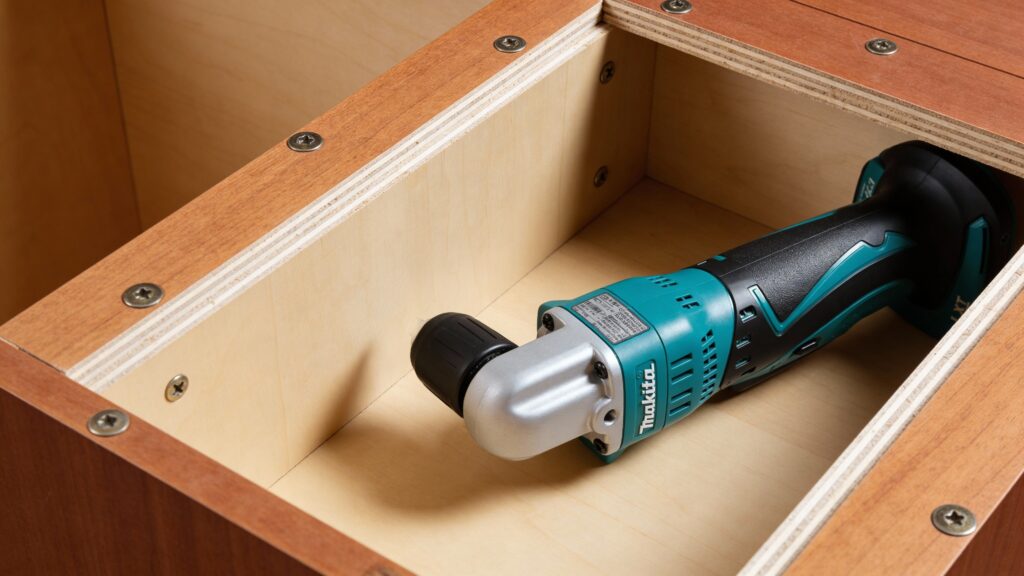
Quick Summary
The Makita XAD03Z is a right-angle drill designed for confined, awkward work zones where access matters as much as power. In real projects, it feels steady under load with predictable starts and a durable, jobsite-ready build. The main tradeoff is added bulk in very tight cavities compared with slimmer right-angle options.
8.4
Score
Best for: Compact installs
Pros & Cons
Makita XAD03Z: what we liked (and what we didn’t)
A quick look at the biggest strengths and tradeoffs based on performance, handling, and everyday usability.
Pros
- Tight-Space Access: Right-angle layout makes it practical for studs, joists, and cabinets where standard drills can’t fit.
- Steady Under Load: Maintains a consistent feel when boring or driving without frequent stalls or bog-down.
- Controlled Starts: Predictable trigger response helps keep holes clean and reduces bit walk in awkward positions.
- Jobsite Durability: Feels built for daily use, with a solid, confidence-inspiring build in hand.
- Workflow Versatility: Handles a wide mix of remodeling tasks—from rough-in drilling to install work—without feeling specialized to one job.
Cons
- Bulk In Cavities: The head and body can still feel tight in the smallest bays compared with slimmer right-angle options.
- Heavier Setup Feel: With typical configurations, balance can trend forward, which adds fatigue on overhead or extended sessions.
- Value Tension: Pricing can be a harder sell if you only need occasional tight-space access for light home tasks.
- Slower Bit Changes: Switching accessories isn’t as quick as on compact drill/drivers, which can interrupt fast-paced workflow.
Specs
Makita XAD03Z key specifications
These are the core specs and practical details most buyers compare across right-angle cordless drills.
| Spec | Makita XAD03Z |
|---|---|
| Type | Cordless right-angle drill (brushless) |
| Platform | Makita LXT |
| Voltage | 18V (LXT) |
| Speed | 2-speed mechanical: low/high (manufacturer-rated) |
| Chuck | 3/8" keyless chuck |
| Torque | Manufacturer-rated; optimized for boring and install work |
| Length | Compact right-angle head for confined spaces |
| Weight | Varies by battery; forward-balanced with larger packs |
| Clutch settings | No clutch (drill-focused design) |
| LED light | Yes (integrated work light) |
| Included | Tool only (no battery or charger) |
| Best use | Tight framing bays, cabinetry, plumbing rough-ins, remodel installs |
| Warranty | Makita limited warranty (varies by region/product) |
Performance
How the DeWalt DCD996B performs
We evaluated drilling speed, power delivery, handling, and overall usability across common homeowner and remodel scenarios to understand how this drill performs in real-world conditions.
Drilling Speed
Quick, confident drilling in wood and sheet goods, with consistent pacing when the bit is kept sharp and the feed is steady.
Torque & Power
Strong power delivery for larger fasteners and tougher holes, staying composed under load with fewer stalls than mid-tier models.
Control & Handling
Predictable trigger response helps with cleaner starts and fewer slips, though the overall body size can feel less nimble in tight work.
Balance & Comfort
Comfortable for longer sessions, but the setup can feel front-heavy with common accessories and larger batteries—most noticeable overhead.
Noise & Vibration
On the louder side for a high-output drill, with more noticeable vibration during harder drilling compared with compact, lower-power tools.
Overall Performance
A strong performer for demanding drilling and driving, best appreciated in frequent remodel work where output matters more than compact size.
Testing note: Performance observations are based on real-world drilling, driving, and handling scenarios using common construction materials and fasteners.
Build Quality
Build quality & durability
The Makita XAD03Z feels built for real jobsite handling in tight, awkward spaces. The housing feels rigid, the grip is secure even with dusty hands, and the overall layout prioritizes control and stability over a featherweight, ultra-slim feel.
Key contact points—chuck, head housing, and battery interface—come across as solid with minimal flex. The chuck holds bits confidently with consistent engagement, and the tool feels composed when you’re boring at angles where cheaper units tend to feel loose or misaligned.
In everyday use, it feels comfortable being set down on framing, carried between work zones, and used in stop-and-go install work without needing to be babied. Heat buildup feels manageable in typical drilling runs, and the tool maintains a steady, reliable feel as the work pace picks up.
The tradeoff is that the same rugged, planted construction can feel bulkier in the tightest cavities and less effortless for long overhead sessions. If you want a right-angle drill that inspires ownership confidence more than pure portability, the balance here makes sense.
Setup & Maintenance
Setup, daily use, and upkeep
The Makita XAD03Z is straightforward to dial in once you treat it like a tight-space boring tool: choose the right speed range, use a stable two-hand grip when possible, and focus on controlled pressure so the bit cuts cleanly without binding. Good setup is mostly about access, bracing, and matching the pace to the material.
Best setup for common tasks
- Stud & Joist Boring: Low speed with steady pressure. Keep the head square, clear chips often, and avoid forcing the bit when it starts to load up.
- Cabinet & Install Work: High speed for smaller holes and clean finishes. Use light pressure and stabilize the body so the bit doesn’t wander at the start.
- Hole Saws & Larger Bits: Low speed and a braced stance. Start gently, let the cutter establish, and back out periodically to reduce heat and binding.
- Metal Drilling: Low speed with firm control. Use a marked start point, keep the bit straight, and pause if the tool begins to grab.
What to do for smoother starts
- Start In Low: Use low speed to seat the bit and keep the first rotation controlled—especially in cramped angles.
- Feather The Trigger: Ease into the first second of rotation so the bit tracks true instead of skating or walking off the mark.
- Brace The Head: Use your free hand to steady the front and keep the tool square, which helps prevent sudden grabs in awkward positions.
Maintenance (simple but important)
- Chuck Cleanliness: Keep the chuck free of dust so bits seat fully and clamp consistently, especially after drilling overhead.
- Vent Care: Brush off vents and housing seams so airflow stays open during repeated boring runs.
- Battery Contact Check: Wipe battery rails and contacts with a dry cloth if debris builds up; avoid sprays or lubricants.
- Bit Condition: Use sharp bits and cutters—dull accessories increase heat, binding, and strain on the tool during tight-space work.
Tip: Right-angle drills can grab when a bit breaks through. Keep a two-hand grip, brace the tool against a stud or your forearm when possible, and ramp up speed gradually. Controlled starts and deliberate chip clearing reduce wrist strain and help prevent sudden bind-ups in cramped bays.
Real-World Use
Where the Makita XAD03Z fits best
On paper, the Makita XAD03Z is built for access in confined spaces. In real projects, it proves most useful when drilling between studs, joists, and cabinets—situations where control and reach matter more than outright speed.
Remodeling and rough-in work
Well suited for plumbing, electrical, and framing prep where standard drills can’t reach. The right-angle design makes it easier to stay square in tight bays, helping holes start cleaner and reducing the need to reposition mid-task.
Cabinet installs and interior builds
Performs confidently when boring inside cabinets or close to finished surfaces. Controlled starts and predictable handling help protect surrounding materials while keeping workflow moving during install-heavy projects.
Ongoing DIY projects
A practical option for homeowners tackling basements, storage walls, or utility upgrades. It reduces awkward angles and hand repositioning, which translates into steadier results and less frustration on repetitive drilling tasks.
Where it’s less ideal
For long overhead sessions or projects that don’t require tight-access drilling, a lighter standard drill may feel more comfortable. The XAD03Z prioritizes reach and stability, which can feel bulkier when space isn’t the limiting factor.
Value
Is the Makita XAD03Z worth it?
The Makita XAD03Z makes the most sense for projects that regularly involve tight framing bays, cabinets, or rough-in work where access and control directly affect results. For occasional home tasks, lower-cost drills can get the job done, but they won’t offer the same reach or steady handling in confined spaces.
Price-to-performance takeaway
What you’re really paying for here is dependable tight-space performance, controlled boring, and a durable feel that holds up over repeated installs. The value improves if you already own Makita LXT batteries or find the tool bundled in a promo kit. Casual users may not need this level of specialization, but frequent remodelers will appreciate the workflow confidence.
Tip: If you’re new to Makita, compare tool-only pricing with kit options that include batteries and a charger. If you already have LXT packs, the tool-only route usually delivers the best value for expanding your setup.
FAQ
Makita XAD03Z FAQ
Quick answers to the most common questions about the Makita XAD03Z—compatibility, use cases, and what to expect in real-world work.
Is the Makita XAD03Z brushless?
Yes. The XAD03Z uses Makita’s brushless motor platform, designed for efficient power delivery, smoother operation, and longer service life compared with brushed designs.
Does the XAD03Z work with Makita LXT batteries?
Yes. It runs on Makita’s 18V LXT battery system. Higher-capacity packs generally provide better sustained performance during heavier boring or longer install sessions.
Is this a hammer drill?
No. The XAD03Z is a right-angle drill designed for boring and driving in tight spaces. It does not include a hammer function for masonry—light concrete work is better handled with a hammer drill or rotary hammer.
Who is this drill best for?
It’s best for remodeling, rough-in, and install work where access is limited—such as drilling between studs, joists, cabinets, and framing bays. It’s especially useful when control and reach matter more than compact size.
Is it overkill for basic DIY?
For occasional light projects, it can be more specialized than necessary. Standard drills handle most everyday tasks, while the XAD03Z shines when tight-clearance drilling becomes a regular part of your projects.
Should I buy tool-only or a kit?
Tool-only makes sense if you already own Makita LXT batteries and a charger. If not, bundled kits can offer better overall value, especially if you plan to run larger bits or work for longer stretches.
What are the most common downsides?
The main tradeoffs are bulk in very tight cavities and added fatigue during extended overhead work. It’s built for access and stability, not minimal weight or ultra-compact handling.
Alternatives
Best alternatives to the Makita XAD03Z
If the Makita XAD03Z fits your workflow but you’re weighing different tradeoffs—platform loyalty, size, or price—these alternatives cover the most common decision paths for tight-space drilling.
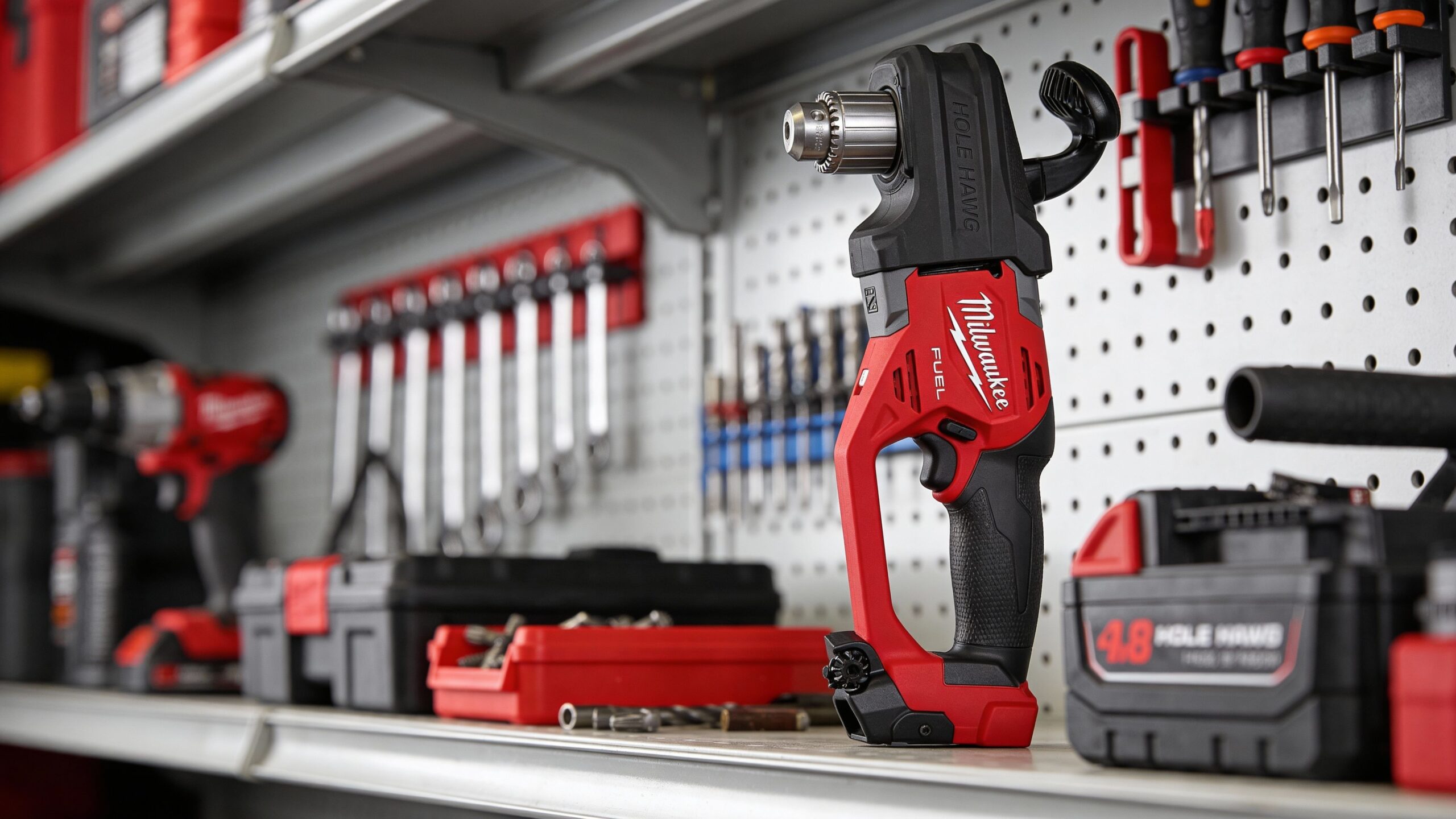
Milwaukee M18 Right-Angle Drill
Same Class
A comparable tight-access drill on the M18 platform, favored by users already invested in Milwaukee batteries who want similar reach with a slightly different balance and feel.
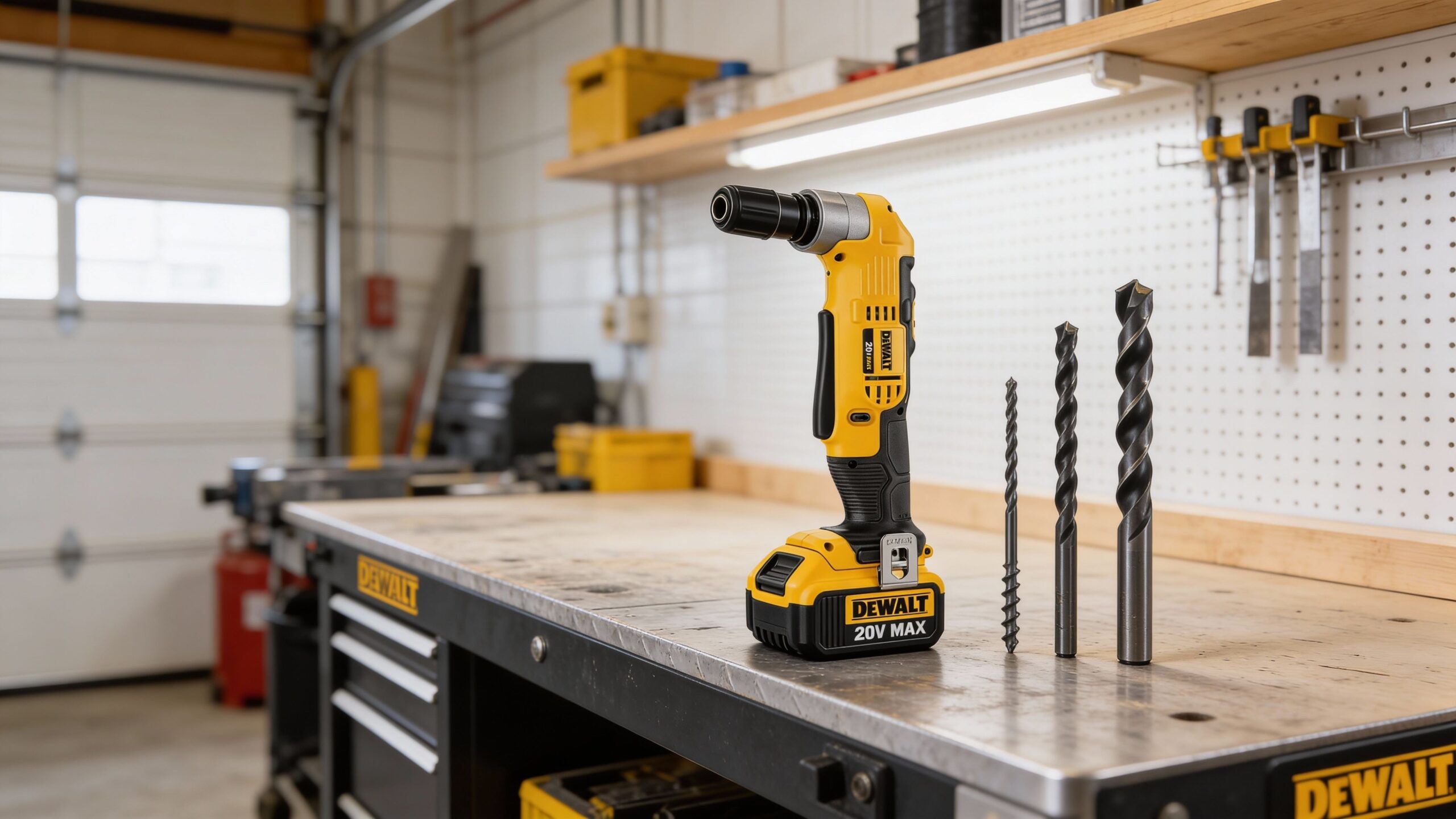
DeWalt 20V MAX Right-Angle Drill
Best Value
A practical option if you’re already on DeWalt’s 20V system and want tight-space capability with broader kit availability and frequent bundle deals.
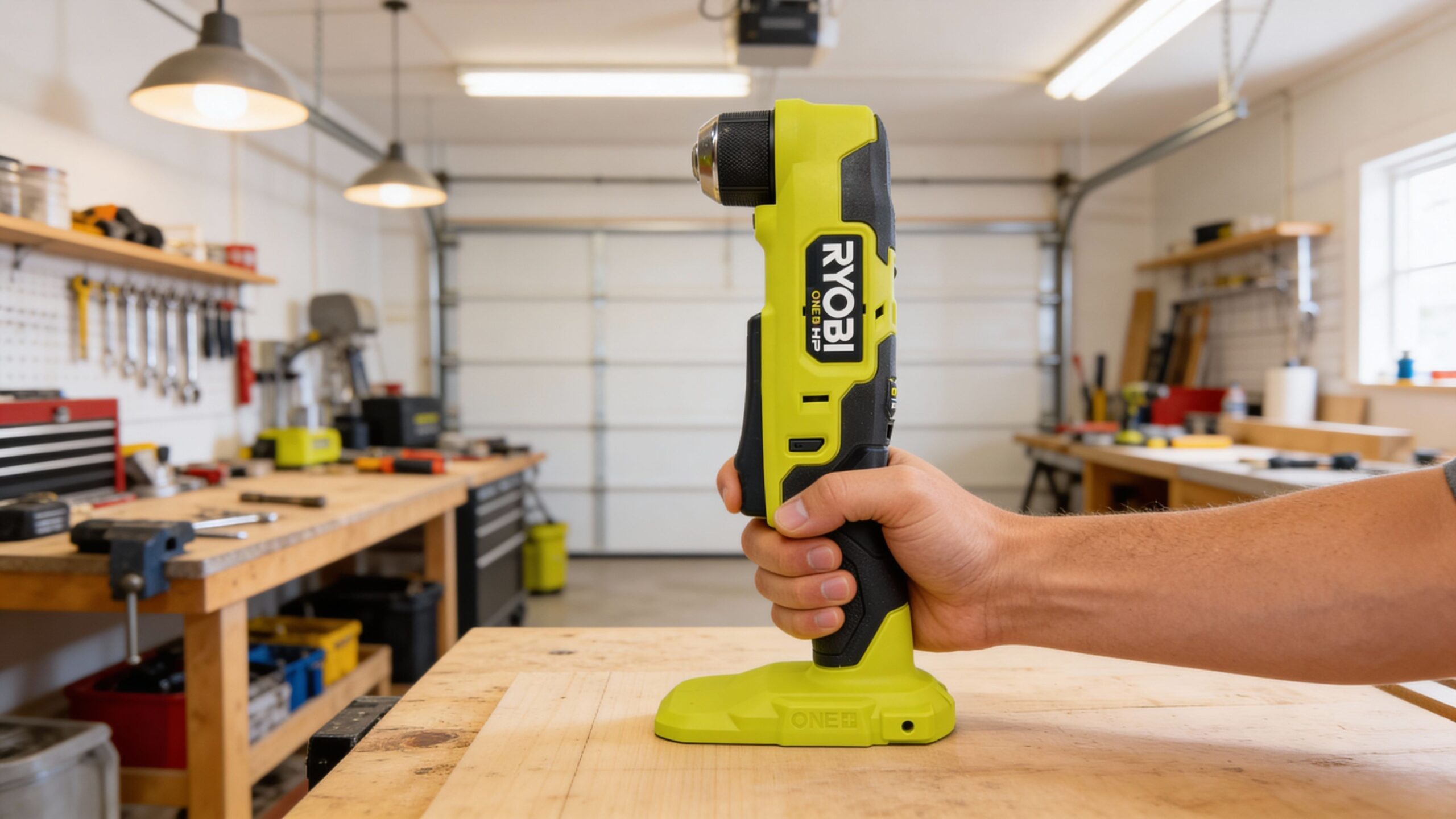
Ryobi ONE+ Right-Angle Drill
Budget Pick
A lighter-duty alternative for occasional tight-access projects, appealing to DIY users who want basic reach without investing in a premium platform.
Sources
Sources & reference notes
Specifications and platform details referenced in this review were verified using publicly available manufacturer documentation and current product listings. Where configurations vary by kit, we note differences directly in the article.
- Makita — product documentation and published specifications for the Makita XAD03Z Right-Angle Drill.
- Makita 18V LXT platform compatibility information for tool-only and kit configurations.
- Retail product listings used to confirm current naming, SKU variations, and bundled accessories.
Where to Buy
Makita XAD03Z
18V LXT Right-Angle Drill
Typical price range: $169–$299
Pricing varies by retailer and whether batteries/charger are included.
Check Current PriceReview Snapshot
Makita XAD03Z
8.4
Tight-access drilling specialist
Best for remodel and rough-in work where reach and control matter most, with a tradeoff in bulk versus standard drills.
- Performance: Maintains steady output for boring in framing and confined bays
- Handling: Predictable control in tight spaces, but can feel forward-heavy overhead
- Value: Strongest case if you already own Makita LXT batteries
Top 10 List
See the best right-angle drills right now
Want the full picture? Our Top 10 breaks down the best right-angle drills by access, control, and real-world usability.
View the Top 10Compare Models
Compare this drill head-to-head
See how the Makita XAD03Z stacks up against other right-angle drills across access, handling, and real-world value.
View ComparisonsAccessories You’ll Want
- Quality drill/driver bit set (includes Torx and square bits for hardware and fastening in tight bays)
- Bradpoint and twist drill bit assortment (helps start cleaner holes with less wandering when you’re drilling at awkward angles)
- Extra battery pack (a compact pack for better balance plus a higher-capacity pack to reduce downtime on longer boring runs)
- Right-angle drill bits (shorter bits and stubby drivers improve clearance and control inside studs, cabinets, and joists)
- Magnetic bit holder (keeps changes quick and reduces dropped bits when working overhead or on ladders)
Tip: The smoothest day-to-day setup usually comes from standardizing on one battery platform and keeping a small “tight-space” bit kit (short bits, spares, and holders) dedicated to this drill.