Makita XPH12Z vs Milwaukee 2804-20: Which Hammer Drills Is Better?

This head-to-head comparison examines the Makita XPH12Z and Milwaukee 2804-20, focusing on real-world performance, size, torque, and features to clarify practical tradeoffs and help guide informed tool selection.

By: Review Streets Research Lab
Updated: February 13, 2026
Approx. 10–12 min read
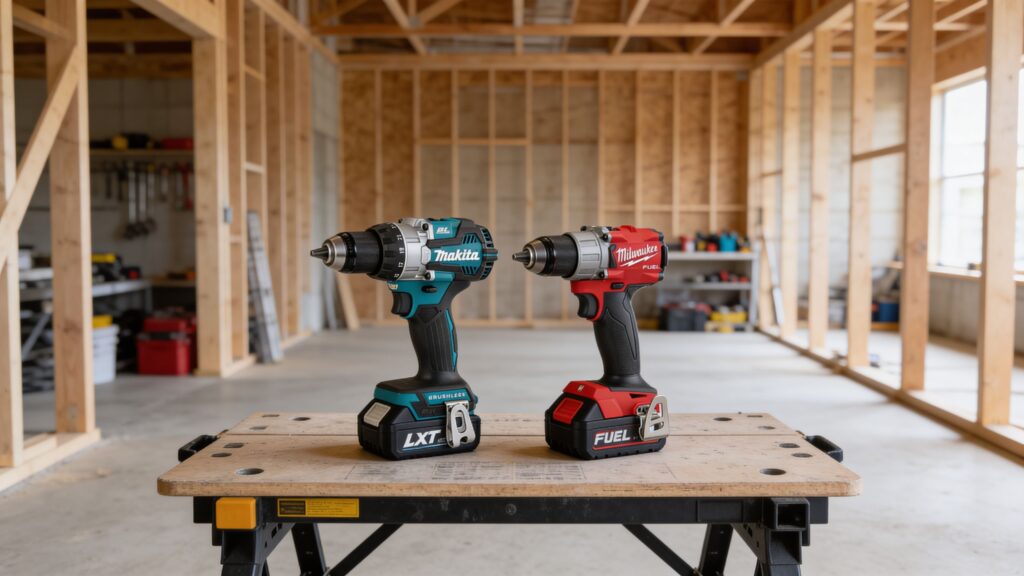
Makita XPH12Z and Milwaukee 2804-20 cordless hammer drills displayed side by side on a workshop bench for performance comparison

Head-to-head

Makita XPH12Z vs Milwaukee 2804-20: Which Hammer Drills Is Better?

A clean A/B view of what matters on real jobs: drilling confidence in masonry and mixed materials, fastening control, fatigue over longer sessions, and the long-term cost of committing to a battery ecosystem.
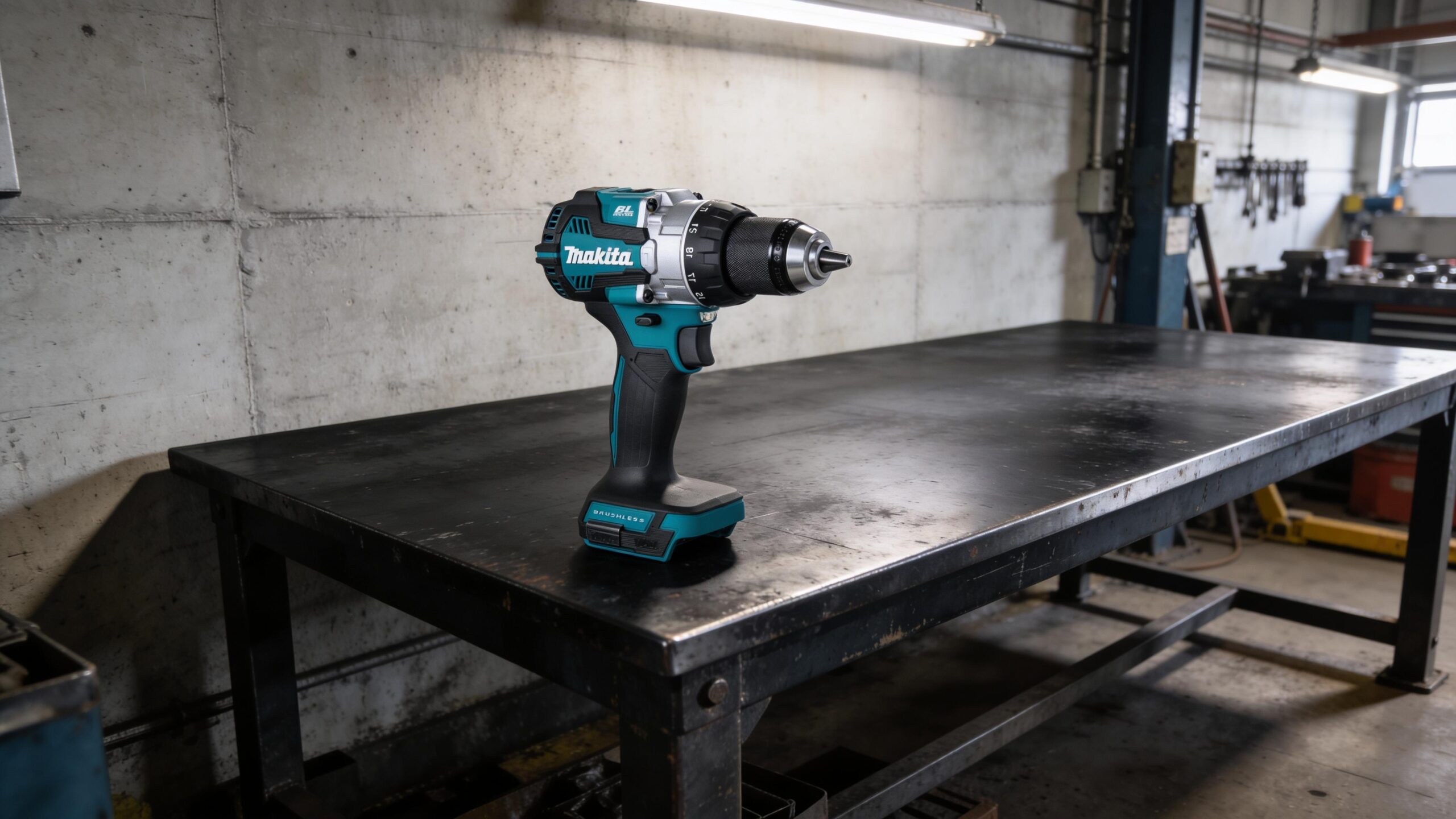
Makita XPH12Z 18V LXT brushless hammer drill/driver

Makita XPH12Z 18V LXT brushless hammer drill/driver

A compact, control-forward hammer drill that fits everyday drilling and fastening, especially when you’re working in tighter spaces or doing finish-adjacent installs that reward clean starts.

Score 8.7 Best for compact control work Battery 18V LXT Why buy balance + handling
  • Easy to manage for pilots, hardware, and routine holes where precise starts matter
  • Comfortable form factor for ladders, cabinets, and tighter work zones
  • Strong fit if you’re already standardized on Makita LXT batteries and chargers
VS
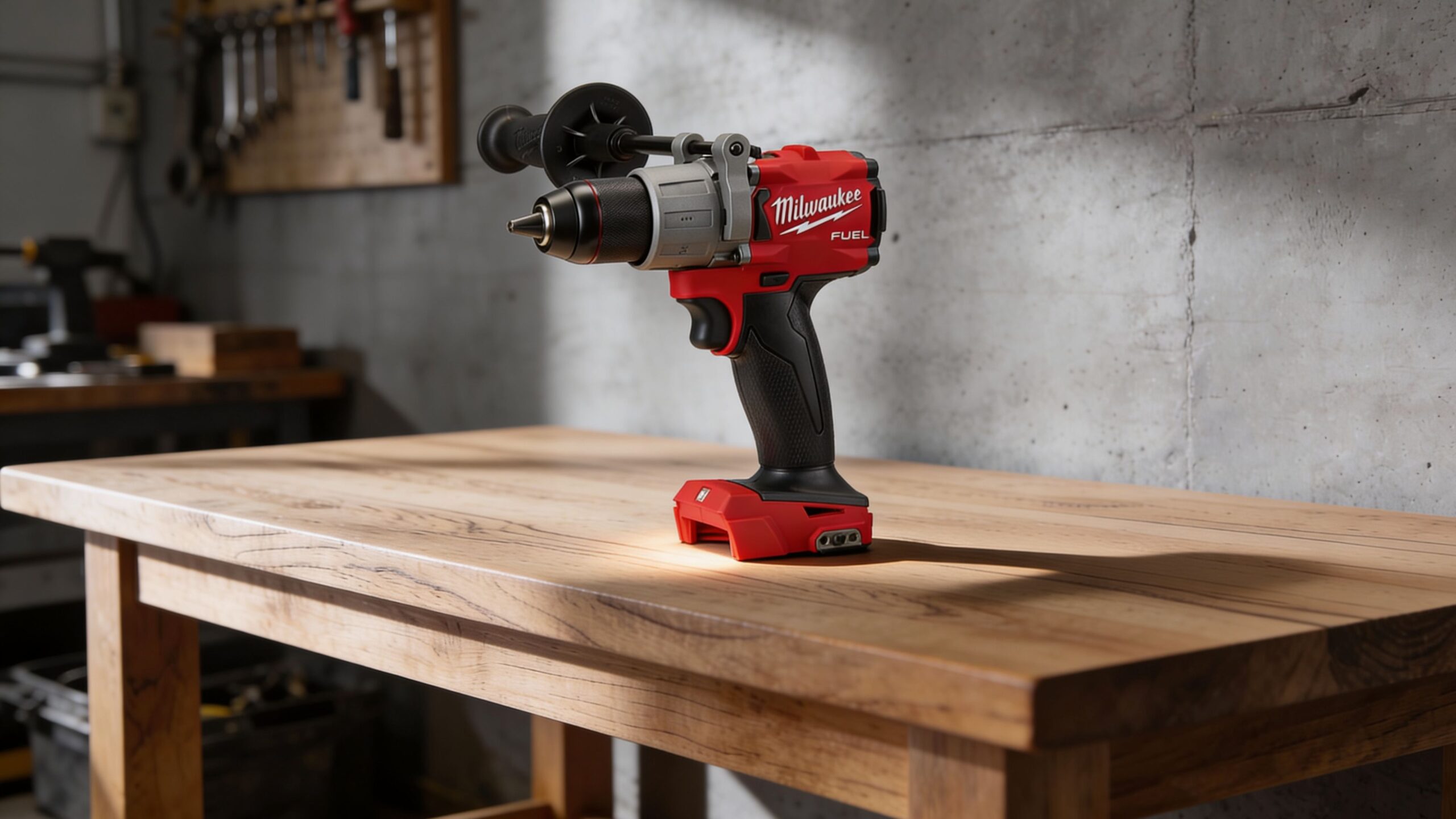
Milwaukee 2804-20 M18 FUEL hammer drill/driver

Milwaukee 2804-20 M18 FUEL hammer drill/driver

A power-first pro hammer drill that stays composed when you lean into it, making it a better match for tougher holes, repeated anchors, and heavier fastening that can bog down smaller rigs.

Score 9.2 Best for high-load drilling Battery M18 Why buy headroom + platform
  • Typically feels steadier when boring larger holes or driving long fasteners in dense stock
  • Better suited to frequent hammer-mode work like anchor holes in block or brick
  • Strong long-term upside if your kit will expand across the M18 lineup
Power under load
Strong for day-to-day work
More headroom on demanding tasks
Milwaukee
Control & clutch consistency
Very good, predictable starts
Excellent, confident driving feel
Milwaukee
Ergonomics (feel + fatigue)
Compact feel, easier in tight spaces
Stable, slightly bulkier
Makita
Value (typical kit pricing)
Often better if you’re already on LXT
Costs more, aimed at heavy users
Makita
Battery ecosystem depth
Very large (LXT breadth)
Massive (M18 depth)
Milwaukee
Real-world context
This comparison reflects a synthesis of professional reviews, manufacturer data, long-term user feedback, and use-case patterns to highlight how each drill typically performs in everyday projects.

Makita — Why people choose it

  • Compact handling that suits tight spaces, overhead work, and finish-adjacent tasks
  • Comfortable daily driver for pilots, hardware installs, and routine holes in wood
  • Strong fit for crews already standardized on Makita LXT batteries and chargers

Milwaukee — Why people choose it

  • More “push through it” confidence when holes get larger or stock gets dense
  • Better suited to frequent anchor holes and heavier-duty drilling cycles
  • Deep M18 lineup if you’ll expand into impacts, saws, nailers, and specialty tools
Verdict: Choose Milwaukee 2804-20 if you routinely drill larger holes, set anchors, or drive long fasteners where extra headroom helps keep the pace steady. Choose Makita XPH12Z if you prioritize a compact, controllable feel for mixed drilling and fastening—especially in tighter work zones or when you’re already bought into the LXT platform.
Read FAQs

Deep dive

What actually matters in this matchup

The Makita XPH12Z and Milwaukee 2804-20 can both cover the basics, but the practical differences show up in how each drill feels when the work stops being “easy.” This deep dive focuses on usable headroom when drilling denser material or setting anchors, how controlled the tool feels at the start of a hole or screw, how fatigue builds over longer sessions, and what it means to own the drill inside its battery platform over time.

When the bit loads up: the Milwaukee tends to feel more confident pushing through resistance without needing to baby the trigger, which matters for repeated anchor holes, larger bits, and tough framing. The Makita can still do these tasks, but it’s at its best when the work is more mixed and you value a controlled, “easy to place” feel over brute persistence.

Starts, control, and finish quality: if your day includes hardware installs, pilots, and clean starts where you don’t want the bit to walk, the Makita’s compact handling can translate into fewer do-overs and a calmer workflow. The Milwaukee brings strong control too, but its advantage is more about staying composed as demand rises, not just gentle precision.

Comfort over a full day: small differences in balance and bulk become obvious when you’re drilling overhead, working inside cabinets, or moving room-to-room. Makita’s size and manageability often suit tight zones and longer stretches of lighter work, while Milwaukee’s more substantial feel can pay off when the job repeatedly asks for higher effort and sustained drilling.

Ownership, not just performance: for many people, the “right” drill is the one that fits the batteries, chargers, and next tools you’ll actually buy. If you’re already on Makita LXT, the XPH12Z is the frictionless add-on that keeps the kit consistent. If your future includes heavier-duty cordless expansion, Milwaukee’s M18 depth can simplify standardization across more jobsite categories.

Bottom line decision drivers: choose Makita XPH12Z when your work rewards compact control, frequent repositioning, and comfortable handling in tighter spaces. Choose Milwaukee 2804-20 when the priority is dependable headroom for tougher drilling cycles and repeated hammer-mode work where keeping pace matters.

Methodology

How we evaluated these cordless hammer drills

Our evaluation focuses on the kinds of drilling and fastening work that actually separates a compact hammer drill from a more power-forward model. Instead of leaning on marketing specs, we use practical, repeatable tasks to surface differences in how the Makita XPH12Z and Milwaukee 2804-20 behave under load, how controllable they feel at the start of a hole, and how comfortable they are to use across a full range of everyday projects.

Tasks: mixed-material drilling (wood and common masonry), repeated pilot holes, hardware installs, and longer run sequences to evaluate pacing, start control, and fatigue; plus tighter-space positioning and overhead holds to judge balance and manageability.

What we scored: usable power when resistance increases, consistency and predictability in trigger/clutch behavior, ergonomics and control during frequent repositioning, chuck confidence during bit changes, and ownership factors like battery platform flexibility and long-term kit compatibility.

How results are interpreted: outcomes are assessed with a context-aware lens, because the “better” choice depends on whether your day is mostly anchor holes and demanding drilling cycles, or a wider mix of fastening, pilots, and controlled starts in tighter work areas.

What we ignored: advertised peak numbers, isolated one-off claims, and features that don’t reliably change the day-to-day experience—especially when they don’t translate into repeatable control, comfort, and real work completed.

FAQ

Makita XPH12Z vs Milwaukee 2804-20: Common questions

Which drill is the better fit for mixed DIY and home maintenance work?
Both can handle typical home projects, but the Makita XPH12Z often feels easier to manage for a wide mix of drilling and fastening, especially where control and comfort matter more than maximum push. The Milwaukee 2804-20 is still a solid home option if you expect more demanding drilling or you already own M18 batteries.
When does the Milwaukee 2804-20 make more sense than the Makita?
It tends to make the most sense when your work regularly involves tougher drilling cycles—like repeated anchor holes, larger bits, or denser material where extra headroom helps maintain pace. It’s also a simpler choice if you’re building around the M18 platform and want consistency across a broader tool lineup.
Which one is easier to handle in tight spaces or overhead work?
The Makita XPH12Z’s more compact feel typically favors cabinets, between-stud work, and extended overhead positioning. The Milwaukee’s more substantial build can feel steadier during heavier tasks, but it may be less convenient when space is limited or when you’re frequently repositioning.
Do I need a hammer drill for masonry, or is a regular drill enough?
For occasional small holes in brick or block, a hammer drill can make the job smoother and reduce effort compared to a standard drill. For frequent masonry work or larger holes, many users eventually prefer a dedicated rotary hammer, but these two models can cover light-to-moderate anchor and fastener holes well.
How much does the battery platform matter in this decision?
It often matters as much as the drill itself, because batteries and chargers drive long-term cost and convenience. If you already own Makita 18V LXT or Milwaukee M18 batteries, staying in that ecosystem typically delivers the best value and the least friction over time.
Can both drills handle everyday fastening without overdriving screws?
Yes, for typical fastening tasks, both can be set up for controlled driving, but the feel can differ depending on bit choice, clutch settings, and battery size. If your work involves a lot of finish-adjacent installs, prioritizing predictable control and comfortable handling can be more important than chasing peak output.

Key Takeaways

  • The Milwaukee 2804-20 delivers more usable headroom when drilling larger holes or setting repeated anchors, which matters most in heavier, higher-demand workflows.
  • The Makita XPH12Z emphasizes compact control and balance, making it easier to manage in tight spaces and during longer stretches of mixed drilling and fastening.
  • In day-to-day use, the difference shows up less in peak power and more in how each drill feels as resistance increases or as fatigue builds.
  • If your workload leans toward frequent masonry and dense material, sustained composure under load becomes a priority; if it leans toward varied installs and repositioning, manageability can matter more.
  • Battery platform alignment often carries as much weight as performance, since long-term flexibility and tool expansion influence overall value.
  • For most buyers, the smarter decision comes down to matching the drill’s character—compact and controlled versus power-forward and durable—to the type of work done most often.

Verdict

The Better Hammer Drill for Most Demanding Work

In this matchup, the deciding factor is how each drill holds up when the work gets tougher—repeated anchor holes, denser material, and longer drilling cycles—balanced against comfort and control for everyday mixed tasks.

#1 Winner

Milwaukee 2804-20 M18 FUEL Hammer Drill/Driver

The more confidence-inspiring choice when resistance increases, with a power-forward feel that better suits frequent hammer-mode use and heavier drilling demands.

  • Stays more composed during higher-load drilling and repeated anchor work
  • Better fit when the drill is expected to carry tougher tasks day after day
  • Strong long-term flexibility if you plan to build out the M18 platform

Runner-up

Jump to the Head-to-Head

Tip: If you already own Makita 18V LXT or Milwaukee M18 batteries, staying in that ecosystem can outweigh smaller differences in feel and performance.

Where to Buy

We prioritize reputable sellers, easy returns, and reliable availability.

Price checks happen regularly. Some links may earn a commission—never affects rankings.

Accessories You’ll Want

  • Masonry drill bit set (carbide-tipped bits for brick, block, and concrete anchor holes)
  • Multi-material drill bit set (reliable bits for wood, metal, and plastics to cover most everyday tasks)
  • Extra battery pack (one compact for balance + one higher-capacity for longer drilling sessions)
  • Right-angle drill attachment (helps reach inside cabinets, between studs, and other tight work areas)
  • Depth stop or drill stop collar set (useful for consistent hole depth when setting anchors or hardware)

Tip: Match accessories to the work you do most—masonry bits and anchor-focused add-ons matter more for frequent hammer-mode use, while batteries and chargers drive long-term platform value.