Makita XPH14Z vs DeWalt DCD998B: Which Hammer Drills Is Better?

This side-by-side comparison examines the Makita XPH14Z and DeWalt DCD998B in real-world conditions, highlighting performance differences, handling, and tradeoffs to support informed, practical tool selection decisions.

By: Review Streets Research Lab
Updated: February 13, 2026
Approx. 10–12 min read
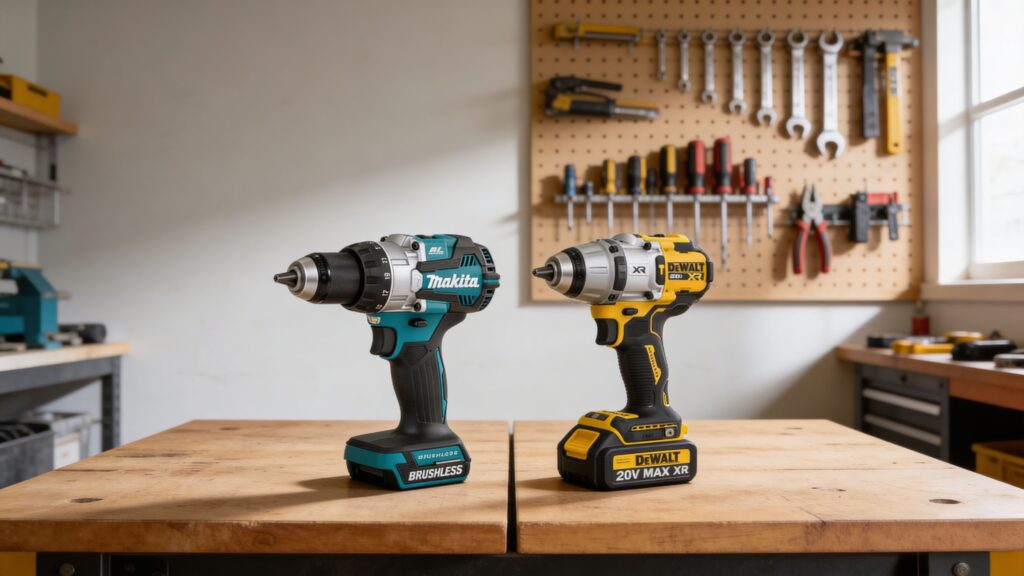
Milwaukee drill and DeWalt 20V Max XR drill positioned side by side on a workshop bench in a neutral, real-world comparison setup

Head-to-head

Makita XPH14Z vs DeWalt DCD998B: Which Hammer Drills Is Better?

A clean A/B view of what matters when choosing a hammer drill: drilling speed in masonry and wood, control for repeatable fasteners, balance for overhead work, features that affect day-to-day workflow, and the long-term cost of committing to a battery platform.
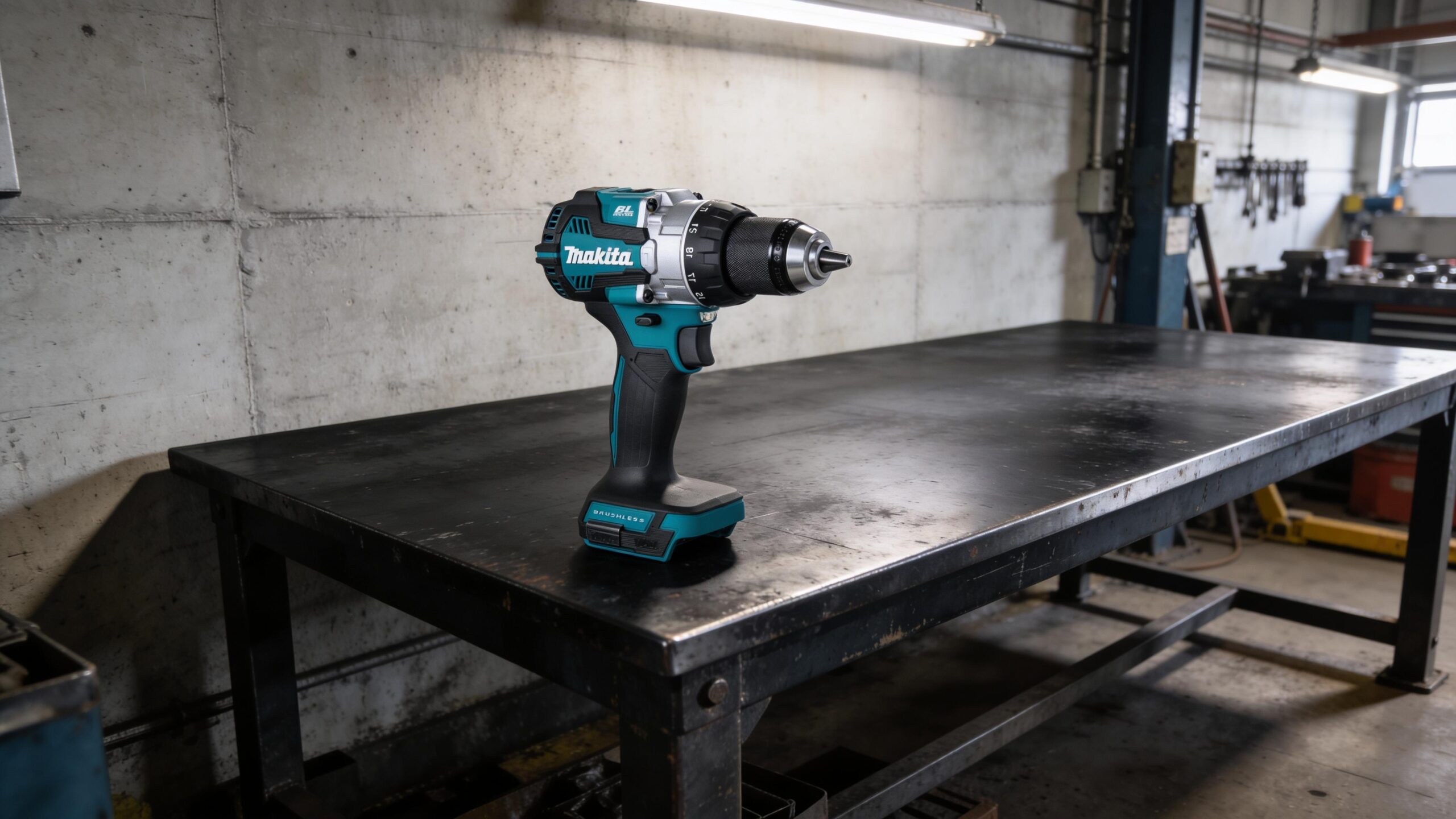
Makita XPH14Z 18V LXT brushless hammer drill/driver

Makita XPH14Z 18V LXT brushless hammer drill/driver

A refined, jobsite-ready hammer drill with a controlled feel and strong all-around versatility—well-suited for framing holes, hardware installs, and light-to-moderate masonry work when you want predictable handling.

Score 8.9 Best for control + balance Battery 18V LXT Why buy steady feel + lineup fit
  • Composed handling for start/stop drilling, especially in common fastening and pilot-hole work
  • Good “do-most-things” choice if you bounce between wood drilling, hardware, and occasional masonry
  • Strong pick when you already run LXT batteries and want a cohesive, expandable kit
VS
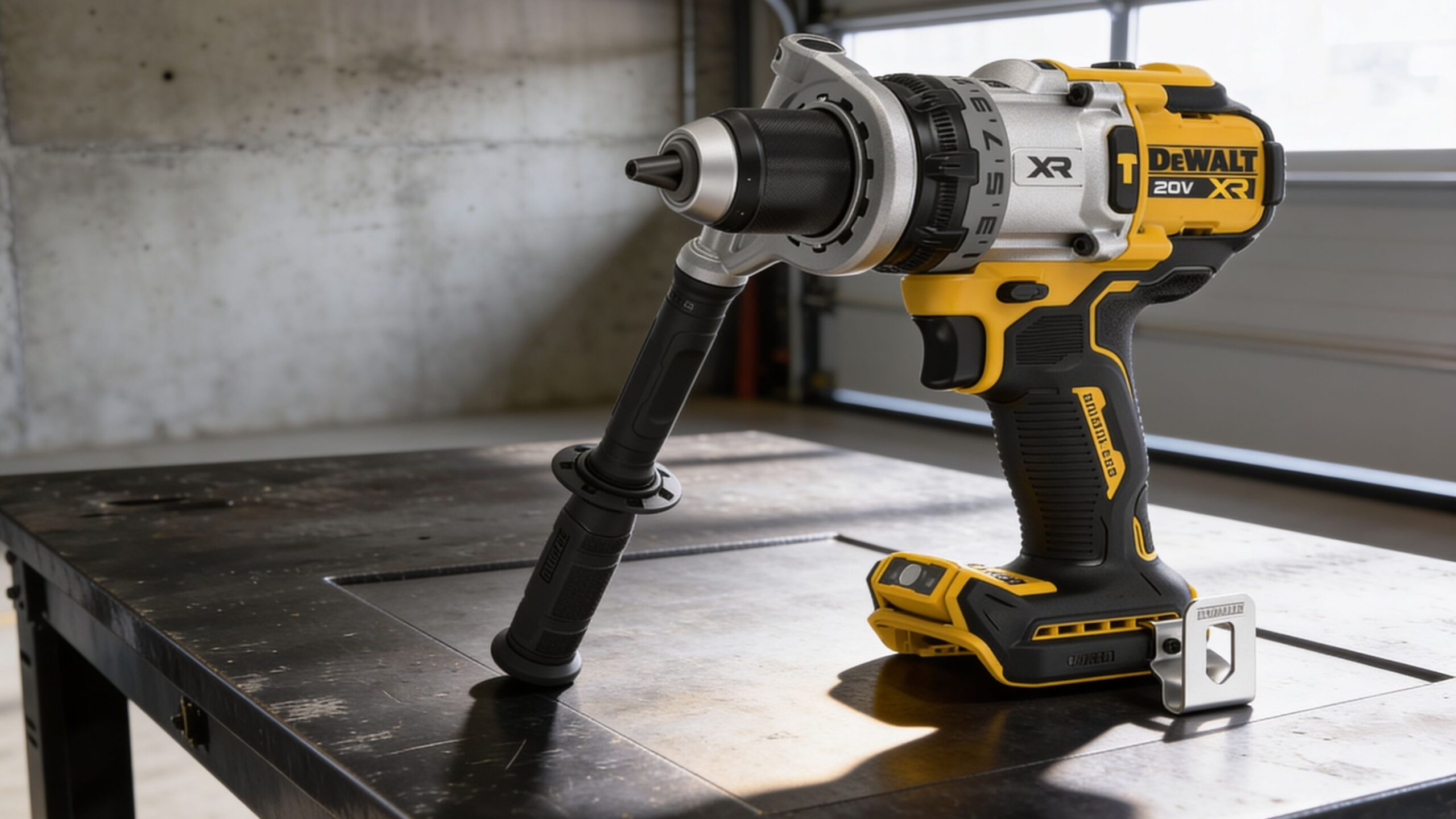
DeWalt DCD998B 20V MAX XR brushless hammer drill/driver

DeWalt DCD998B 20V MAX XR brushless hammer drill/driver

A power-forward hammer drill with strong drilling authority and a feature set aimed at hard use—best when you prioritize pace in demanding holes, frequent masonry, and a broad XR/20V MAX ecosystem.

Score 9.2 Best for heavy drilling Battery 20V MAX Why buy headroom + work rate
  • More confident pace when boring larger holes or staying in hammer mode for repeat holes
  • Good fit for demanding jobs where power reserve matters more than compact feel
  • Easy platform buy-in if you already own 20V MAX/XR batteries and plan to expand
Power under load
Strong, controlled output
More headroom for tough holes
DeWalt
Control & clutch consistency
Very consistent, easy to modulate
Strong, but more power-forward
Makita
Ergonomics (feel + fatigue)
Balanced for long sessions
Heavier feel, stable under load
Makita
Value (typical kit pricing)
Competitive in established LXT kits
Often strong promos and wide kits
DeWalt
Battery ecosystem depth
Deep LXT ecosystem
Very large 20V MAX/XR lineup
DeWalt
Real-world context
This comparison reflects a synthesis of professional reviews, manufacturer data, long-term user feedback, and use-case patterns to highlight how each drill typically performs in everyday projects.

Makita — Why people choose it

  • More controlled feel for clean starts, repeatable fastening, and careful hole placement
  • Balanced handling that stays comfortable across mixed tasks in a long workday
  • Strong match if you’re already on LXT and want batteries shared across a broad tool set

DeWalt — Why people choose it

  • More “push-through” authority when drilling larger holes or working in tougher materials
  • Jobsite-friendly platform availability with common kits and frequent retailer support
  • Good long-term upside if you plan to expand within 20V MAX/XR tools
Verdict: Choose DeWalt if your work regularly demands higher drilling authority—frequent masonry, larger boring tasks, and a faster pace when the material fights back. Choose Makita if you prioritize control, balance, and comfort across varied drilling and fastening tasks, especially when you’re already invested in the LXT battery platform.
Read FAQs

Deep dive

What actually matters in this matchup

Makita XPH14Z and DeWalt DCD998B can both cover everyday drilling and fastening, but the meaningful differences show up in how they manage demanding holes, how easy they are to steer at the start of a bit, and how “settled” they feel as the workday stacks up. This deep dive focuses on real outcomes: whether the drill stays composed when the material fights back, how predictable it is for repeatable fasteners, and what ownership looks like once batteries, chargers, and add-on tools are part of the decision.

When the job leans on drilling: the DeWalt tends to feel more power-forward when you’re pushing larger bits, working in dense stock, or spending more time in hammer mode. That extra “keep going” character matters most when the drill is asked to hold pace without constant babying, but it can also feel less delicate when the priority is slow, exact starts.

When precision and comfort matter most: the Makita’s advantage is usually how easy it is to place and control. A drill that starts cleanly, tracks straighter, and feels balanced with common battery sizes can reduce rework and fatigue—especially for hardware installs, pilots, and mixed drilling/fastening where control is the difference between clean results and small mistakes.

When choosing for long-term ownership: the “right” pick often comes down to the battery ecosystem you want to live with. If you already run one platform, staying consistent can simplify charging, spares, and future tool additions. If you’re starting fresh, consider which lineup best matches the tools you’ll actually add next (impacts, saws, lights, specialty tools), and whether your typical work rewards maximum drilling authority or day-to-day handling and predictability.

Methodology

How we evaluated these cordless drills

This Makita XPH14Z vs DeWalt DCD998B comparison is built around practical use that reveals real differences, not spec-sheet one-upmanship. We focus on how each hammer drill behaves in common drilling and fastening scenarios—especially where control, fatigue, and consistency matter as much as raw strength—using a context-aware approach that reflects how these tools are actually chosen and used.

Tasks: boring common hole sizes in framing lumber and dense stock, drilling repeated pilot holes, running typical hardware and long fasteners, and using hammer mode for anchor-sized holes to assess drilling pace, steadiness, and heat/fatigue over repeated cycles.

What we scored: how consistently each drill holds speed when the bit loads up, how easy it is to start and steer accurately, how predictable the clutch and trigger feel for repeatable screw seating, comfort and balance with common battery sizes, and confidence signals like chuck feel and overall build execution.

How results are interpreted: outcomes are weighed by use context. A drill that feels stronger in demanding holes may be the right fit for frequent masonry or larger boring tasks, while a model that feels more controlled and less fatiguing can be the better everyday choice for mixed work and longer sessions.

What we ignored: advertised headline numbers, isolated lab-style claims, and “feature checklists” that don’t consistently translate into cleaner results, better control, or more reliable day-to-day work on real materials.

FAQ

Makita XPH14Z vs DeWalt DCD998B: Common questions

Which hammer drill is better for everyday home projects?
Both models can handle typical home drilling and fastening tasks with ease. The Makita often feels easier to manage for mixed projects where control and comfort matter, while the DeWalt may appeal if occasional masonry work or larger holes are part of the plan.
When does the DeWalt DCD998B make more sense?
The DeWalt is often the better fit when drilling demands are more frequent or more demanding, especially when working in masonry or dense materials. Its power-focused character can help maintain pace when the work requires consistent drilling rather than lighter, mixed-use tasks.
Is the difference in control noticeable during regular use?
In many everyday tasks, the Makita can feel slightly easier to guide and start cleanly, which helps with accuracy and repeatability. The DeWalt still offers solid control, but its stronger feel may be more noticeable when transitioning between delicate fastening and heavier drilling.
Which platform is better if I plan to expand my tool collection?
Both platforms offer wide ecosystems with many compatible tools, so the better choice often depends on which batteries you already own or plan to commit to. Sticking with one system simplifies charging, spares, and long-term tool additions, regardless of brand preference.

Key Takeaways

  • The DeWalt DCD998B leans toward stronger drilling authority, which becomes more noticeable when working in dense materials or using hammer mode more frequently.
  • The Makita XPH14Z emphasizes balance and control, making it easier to manage during mixed tasks where accuracy and repeatable fastening matter as much as raw power.
  • Handling comfort over long sessions can matter as much as output, especially for work that involves frequent starts, overhead positioning, or shifting between drilling and driving.
  • The practical difference often comes down to whether the job demands sustained drilling pace or a steadier, more controlled feel across varied tasks.
  • Battery platform commitment plays a major role over time, as choosing the brand you plan to expand with can shape long-term value more than small day-to-day performance differences.
  • For many users, the better fit depends less on peak capability and more on which drill aligns with their typical workload, tool collection, and comfort preferences.

Verdict

The Best Hammer Drill for Most Buyers

This is a close matchup, and both drills are capable choices for demanding drilling and fastening. The final decision comes down to whether daily use leans more toward sustained drilling power or long-session comfort, along with which battery platform fits best into your broader tool lineup.

#1 Winner

DeWalt DCD998B Hammer Drill/Driver

A strong fit for users who prioritize drilling pace and extra headroom for masonry and larger holes, especially when workloads regularly push tools beyond light-duty tasks.

  • Feels more confident when drilling in dense materials or running in hammer mode more often
  • Well-suited for jobs that demand consistent performance across repeated holes
  • 20V MAX ecosystem supports long-term platform expansion for varied jobsite needs

Runner-up

Jump to the Head-to-Head

Tip: If you already own batteries in one system, staying within that platform can be more practical than switching for small performance differences.

Where to Buy

We prioritize reputable sellers, easy returns, and reliable availability.

Price checks happen regularly. Some links may earn a commission—never affects rankings.

Accessories You’ll Want

  • Masonry bit set (common diameters for anchors, plus a few spares of your most-used sizes)
  • Quality multi-material drill bit set (wood, metal, and pilots for everyday holes and clean starts)
  • Extra battery pack (one compact for balance + one higher-capacity for longer drilling sessions)
  • Side handle (helps control torque reaction and improves stability during larger holes or hammer mode work)
  • Dust management (shop vac adapter or simple dust shroud for cleaner anchor drilling and easier cleanup)

Tip: Accessory compatibility matters—match your bit shanks to the chuck, and choose batteries by the workload you’ll actually run, not the biggest pack on the shelf.