Metabo HPT DV18DBFL2 vs DeWalt DCD996B: Which Hammer Drills Is Better?

This head-to-head comparison examines the Metabo HPT DV18DBFL2 and DeWalt DCD996B, focusing on real-world performance, power delivery, size, and control to clarify key differences and practical tradeoffs.

By: Review Streets Research Lab
Updated: February 13, 2026
Approx. 10–12 min read
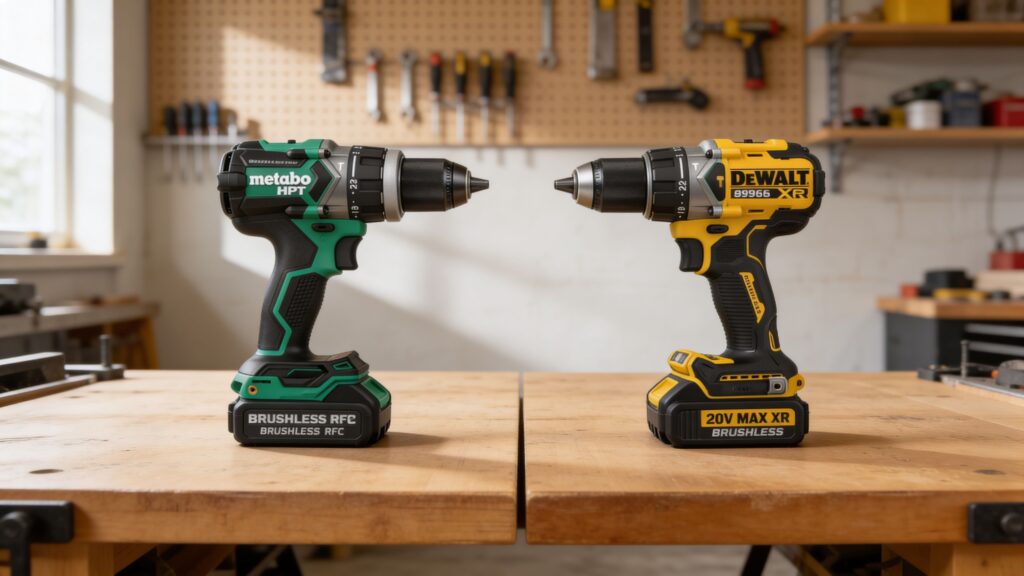
Metabo HPT DV18DBFL2 and DeWalt DCD996B cordless hammer drills positioned side by side on a workshop bench for professional comparison

Head-to-head

Metabo HPT DV18DBFL2 vs DeWalt DCD996B: Which Hammer Drills Is Better?

A clean A/B view of what matters on real jobs: drilling speed in common materials, controllability when the bit grabs, comfort over long days, durability expectations, and the long-term cost of buying into a battery ecosystem.
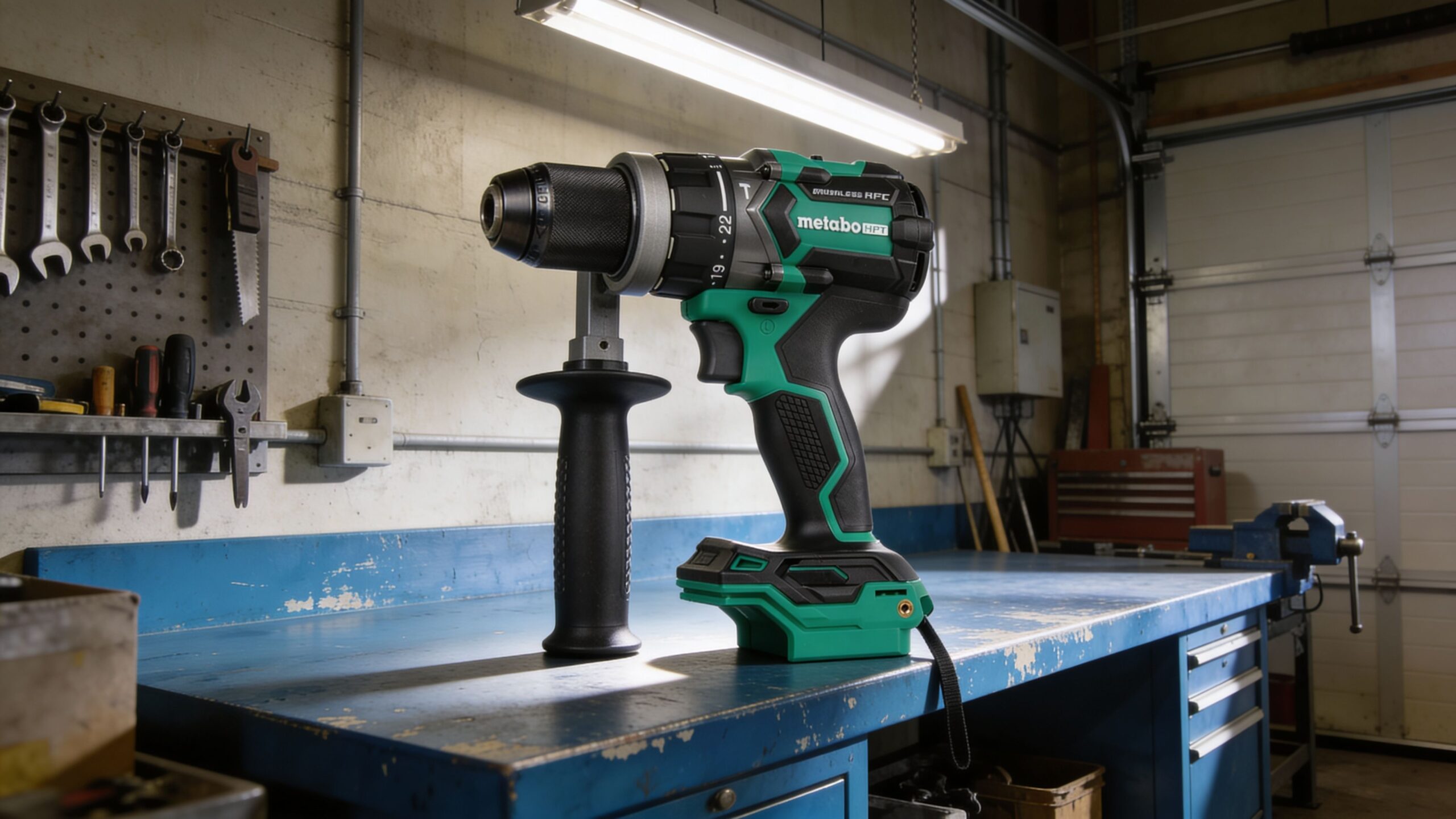
Metabo HPT DV18DBFL2 cordless hammer drill/driver

Metabo HPT DV18DBFL2

A compact-feeling hammer drill built for repeatable fastening, clean pilot holes, and routine masonry anchors—especially when you want control first and steady performance across mixed tasks.

Score 8.6 Best for balanced daily work Battery MultiVolt / 18V Why buy control + compact feel
  • Easy to manage on ladders, tight bays, and overhead drilling where weight and balance matter
  • Confident clutch behavior for repeatable screw seating across trim, hardware, and cabinet work
  • Solid choice if you want pro capability without overspending on power you rarely use
VS
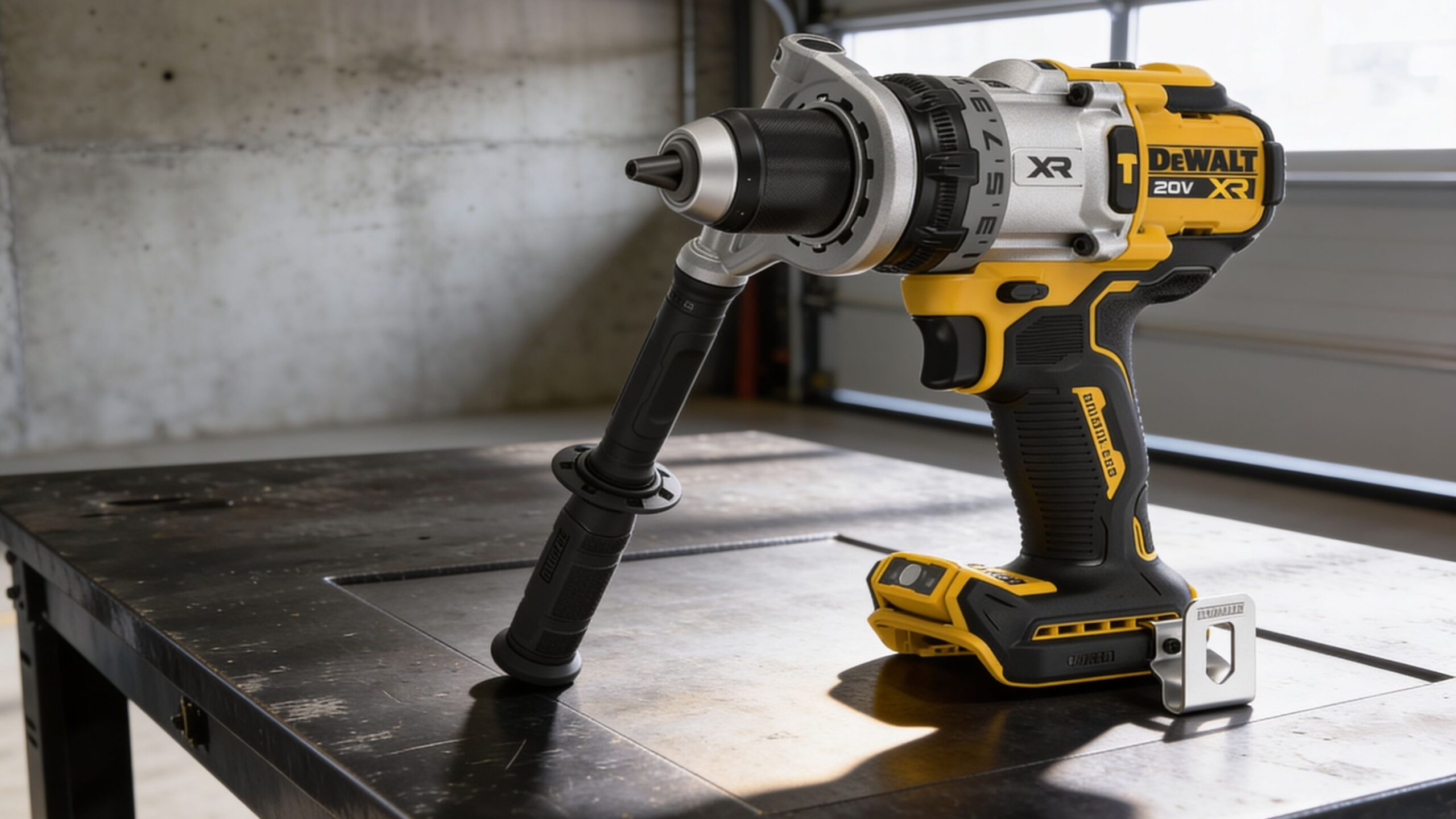
DeWalt DCD996B cordless hammer drill/driver

DeWalt DCD996B

A power-forward XR hammer drill that suits heavier drilling and longer fasteners in framing and remodel work—best when you value headroom and a widely supported jobsite platform.

Score 8.9 Best for tougher drilling loads Battery 20V MAX Why buy power headroom + availability
  • More comfortable when you’re pushing larger bits, hole saws, or long fasteners in dense stock
  • Good choice for mixed drilling/hammer-drilling days where you want fewer slowdowns
  • Strong pick if you’re already on 20V MAX or buying into an easy-to-find jobsite system
Power under load
Strong for most tasks
More headroom
DeWalt
Control & clutch consistency
Very consistent
Very good
Metabo HPT
Ergonomics (feel + fatigue)
Compact, easy to place
Larger, more front-heavy
Metabo HPT
Value (typical kit pricing)
Competitive if already on platform
Often strong in promos
DeWalt
Battery ecosystem depth
Solid, growing lineup
Broad jobsite ecosystem
DeWalt
Real-world context
This comparison reflects a synthesis of professional reviews, manufacturer data, long-term user feedback, and use-case patterns to highlight how each drill typically performs in everyday projects.

Metabo HPT DV18DBFL2 — Why people choose it

  • More controlled feel for start accuracy, line-up work, and repeatable fastening
  • Compact handling that’s easier to live with in tight spaces and overhead drilling
  • Smart fit for mixed-task pros who want capability without chasing maximum output

DeWalt DCD996B — Why people choose it

  • Extra headroom for tougher holes, denser lumber, and more demanding drilling days
  • Strong platform support and easy battery/tool availability across many jobsites
  • Good pick when you want a familiar XR-style workhorse that covers heavy tasks well
Verdict: Choose DeWalt DCD996B if your work regularly leans into larger holes, denser stock, or frequent hammer-drilling and you want extra power headroom with a broad 20V MAX ecosystem. Choose Metabo HPT DV18DBFL2 if you prioritize control, compact handling, and consistent fastening feel for mixed trade tasks where comfort and placement matter as much as peak output.
Read FAQs

Deep dive

What actually matters in this matchup

Both of these hammer drills can cover everyday drilling and fastening, but they feel meaningfully different when the work shifts from “routine” to “demanding.” What matters most is how each tool delivers power when the bit starts to bite, how easy it is to keep starts straight and controlled, and how quickly fatigue shows up during repeated holes, anchors, or long fastener runs. This section focuses on the day-to-day decision drivers: steadiness under load, controllability at low speed, comfort in awkward positions, and the longer-term implications of living on each battery platform.

Power delivery in real materials: The DeWalt DCD996B tends to feel more “unbothered” when tasks get heavier—think larger holes, denser lumber, or longer sessions in masonry mode—because it carries more headroom before you have to slow down or reposition. The Metabo HPT DV18DBFL2 keeps pace well on common drilling and anchor work, but its advantage shows up more as steady, predictable output than as brute push when conditions are at their toughest.

Control, starts, and repeatability: If your work rewards clean starts and consistent screw seating—hardware installs, cabinetry, fixtures, and lots of stop-and-go tasks—the Metabo HPT’s more controlled feel can reduce small mistakes that cost time. The DeWalt remains capable and confident, but its “bigger tool” character can reward a firmer hand when precision matters, especially at the beginning of a hole or when you’re trying to avoid walking on a smooth surface.

Comfort and workflow over long days: This matchup often comes down to how the drill behaves in the positions you actually use most. The Metabo HPT DV18DBFL2 generally favors placement—tight bays, overhead work, and frequent tool-in/tool-out moments—where balance and manageability reduce fatigue. The DeWalt DCD996B tends to favor throughput—fewer slowdowns on harder drilling—making it a better fit when the day involves repeated heavier holes and you value staying in the same gear with less hesitation.

Methodology

How we evaluated these hammer drills

Our evaluation focuses on practical work that exposes meaningful differences between the Metabo HPT DV18DBFL2 and DeWalt DCD996B—not spec-sheet advantages. We prioritize how each drill behaves in common drilling and fastening scenarios, including hammer-drilling for typical anchor holes, where control, consistency, comfort, and workflow often matter as much as peak output.

Tasks: drilling and boring in framing lumber, clean pilot holes for hardware and install work, driving common fasteners through start–stop cycles, and routine masonry/anchor drilling to compare steadiness, pace, and manageability.

What we scored: how power holds up when the bit loads, how predictable starts and screw seating feel, comfort and fatigue during repeated work, build confidence over time, and ownership factors like battery platform flexibility and day-to-day availability.

How results are interpreted: outcomes are assessed with a context-aware approach, recognizing that “best” depends on the work—heavier drilling days tend to reward headroom, while install-heavy and mixed-task days often reward control, balance, and repeatability.

What we ignored: advertised torque figures, one-off lab-style claims, and feature callouts that don’t reliably translate into repeatable real-world performance or better on-the-job decision-making.

FAQ

Metabo HPT DV18DBFL2 vs DeWalt DCD996B: Common questions

Which hammer drill is better for heavier-duty drilling?
The DeWalt DCD996B generally feels more comfortable when tasks involve larger bits, denser lumber, or repeated masonry drilling. It offers more power headroom before you need to ease off. The Metabo HPT DV18DBFL2 can handle common anchor and framing tasks well, but it favors steadiness over maximum push.
Is one easier to control for precision work?
The Metabo HPT DV18DBFL2 tends to feel more controlled during low-speed starts and repeat fastening. That can matter for hardware installs, cabinetry, and tasks where clean starts reduce rework. The DeWalt remains capable, but its stronger output may require a firmer grip in delicate applications.
How do they compare for overhead or tight-space use?
In tighter bays or overhead positions, balance and overall feel become more noticeable than raw power. The Metabo HPT’s more compact handling can reduce fatigue in these situations. The DeWalt’s slightly larger presence may be less convenient in confined spaces but can still perform effectively with the right battery choice.
Does battery platform matter in this decision?
Yes. If you already own batteries in either ecosystem, staying within that platform typically offers better long-term value and convenience. For new buyers, the breadth of tools available and local retailer support can influence ownership flexibility over time.
Are these suitable for both pros and serious DIY use?
Both models are positioned for professional-grade work and are capable of handling demanding DIY projects. The better fit depends less on experience level and more on task type—whether you prioritize added power for heavier drilling or greater control and manageability for mixed tasks.

Key Takeaways

  • The DeWalt DCD996B favors heavier drilling workloads, offering more usable headroom when tasks regularly push into larger bits or denser materials.
  • The Metabo HPT DV18DBFL2 leans toward control and manageability, which can translate to cleaner starts and less fatigue during mixed fastening and install work.
  • In everyday projects, the difference is less about capability and more about how each drill feels under sustained use and in awkward positions.
  • Battery platform commitment can outweigh small performance gaps, especially for buyers building out a broader cordless system over time.
  • Those prioritizing throughput on tougher drilling days may value added power reserve, while those prioritizing comfort and precision may prefer steadier handling.
  • For most users, matching the drill’s character to the type of work performed most often will matter more than marginal differences in peak output.

Verdict

The Right Hammer Drill Depends on Your Workload

This is a close matchup between two capable pro-grade hammer drills. The meaningful difference comes down to how much power headroom you want in reserve versus how much you value balance, control, and day-to-day manageability.

Recommended for heavier-duty drilling

DeWalt DCD996B

A stronger fit for workloads that regularly involve larger holes, denser materials, or sustained hammer-drilling where added power reserve reduces slowdowns.

  • Feels more composed when drilling under tougher loads
  • Better suited to repeated masonry or larger-bit use
  • Broad 20V MAX ecosystem for long-term platform flexibility

Also consider

Jump to the Head-to-Head

Tip: If you already own batteries in either ecosystem, staying within that platform can outweigh relatively small performance differences.

Where to Buy

We prioritize reputable sellers, easy returns, and reliable availability.

Price checks happen regularly. Some links may earn a commission—never affects rankings.

Accessories You’ll Want

  • Hammer-drill masonry bit set (carbide-tipped bits for concrete block, brick, and common anchor hole sizes)
  • Quality twist drill bit set (for clean starts and accurate holes in wood, metal, and plastics—keep spares of your most-used sizes)
  • Screwdriving bit assortment (Torx, Phillips, and square with duplicates of the sizes you burn through most)
  • Extra battery pack (a compact pack for balance plus a higher-capacity pack for longer drilling or masonry sessions)
  • Depth stop and side handle (helps keep anchor holes consistent and improves control when the bit binds)

Tip: Prioritize bit quality and battery compatibility—good bits reduce wandering and heat, and staying on one platform simplifies chargers, spares, and future tool adds.