
The Milwaukee 0234-6 Corded Drill targets users who prioritize continuous power over portability. In this review, we examine its real-world drilling performance, build quality, and practical tradeoffs—comparing torque delivery, handling, and durability to similar corded models to clarify where it excels and where alternatives may make more sense.
Milwaukee 0234-6 Corded Drill Review: Performance, Pros, and Cons
By: Review Streets Research Lab
Updated: April 1, 2026
Approx. 8–10 min read
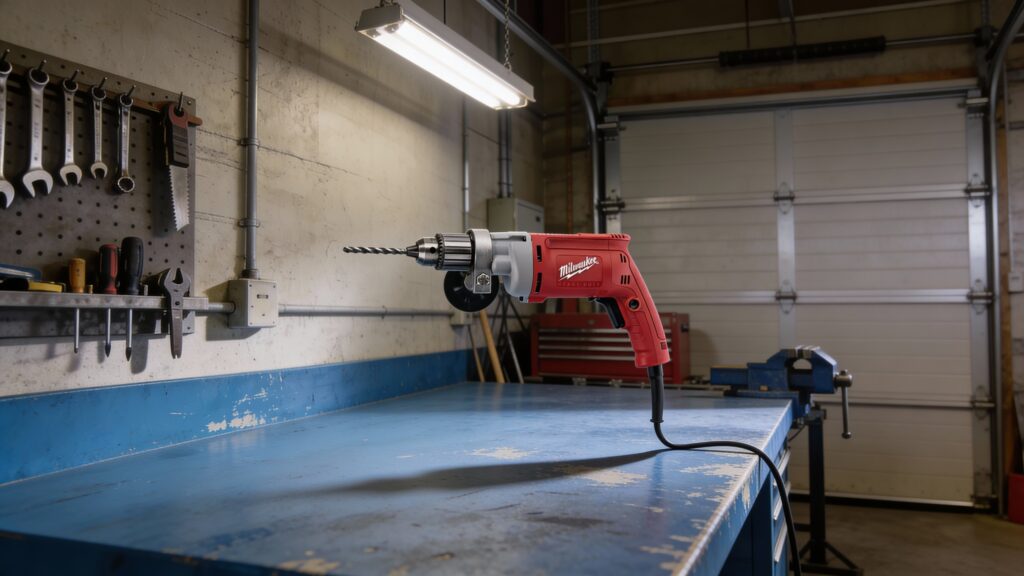
Quick Summary
The Milwaukee 0234-6 is a corded drill built for steady, repeatable work where consistent power and confidence under load matter more than cordless convenience. In real use, it favors controlled drilling and durable, work-ready feel for longer sessions and tougher materials, with the main tradeoff being cord management and reduced mobility on busy jobsites.
8.2
Score
Best for: Remodeling projects
Pros & Cons
Milwaukee 0234-6: what we liked (and what we didn’t)
A quick look at the biggest strengths and tradeoffs based on performance, handling, and everyday usability.
Pros
- Consistent Power: Maintains steady drilling strength through longer tasks without performance drop-offs.
- Confident Under Load: Pushes through tougher materials with fewer stalls, helping holes finish cleaner and faster.
- Controlled Starts: Predictable trigger response supports accurate placement and reduces bit walk on careful openings.
- Work-Ready Durability: Feels built for repeated jobsite use, with a sturdier, more dependable impression over time.
- Simple Workflow: No battery management means fewer interruptions and a more straightforward grab-and-go setup.
Cons
- Cord Management: The cord can slow movement, snag in tight areas, and complicate ladder or scaffold work.
- Less Portable: Best performance assumes access to power, which limits flexibility for remote or quick punch-list tasks.
- Bulk In Tight Spots: Size and balance can feel less nimble in cabinets, between studs, or overhead positions.
- More Vibration: Extended drilling sessions can feel harsher in the hands compared with smoother, lighter-duty options.
Specs
Milwaukee 0234-6 key specifications
These are the core specs and practical details most buyers compare across top corded drills.
| Spec | Milwaukee 0234-6 |
|---|---|
| Type | Corded drill (standard duty) |
| Platform | Corded electric |
| Voltage | 120V AC |
| Speed | Single speed, variable trigger control |
| Chuck | 1/2" keyed chuck |
| Torque | Manufacturer-rated; tuned for steady drilling in dense materials |
| Length | Approx. standard corded drill length |
| Weight | Approx. mid-weight for corded class (no battery) |
| Clutch settings | No clutch; direct-drive drilling |
| LED light | No |
| Included | Drill with attached power cord |
| Best use | Continuous drilling, remodeling work, and shop or jobsite tasks with power access |
| Warranty | Milwaukee limited warranty (varies by region/product) |
Performance
How the Milwaukee 0234-6 performs
We evaluated drilling speed, power delivery, start control, and everyday usability across common shop, homeowner, and remodel scenarios to understand how this corded drill behaves when you’re working continuously and pushing into tougher materials.
Drilling Speed
Moves through framing lumber and plywood at a steady pace, with consistent progress that suits repetitive drilling.
Torque & Power
Delivers dependable pull under load for larger holes and tougher starts, with fewer slowdowns once the bit is engaged.
Control & Handling
Predictable trigger response helps with cleaner starts and better accuracy, though it feels less nimble in tight quarters.
Balance & Comfort
Comfortable for bench and waist-level work, but extended overhead drilling can feel tiring compared with lighter-duty options.
Noise & Vibration
Noticeably louder under heavy drilling, with vibration that’s manageable but more apparent during longer, continuous sessions.
Overall Performance
A reliable corded workhorse for steady drilling and sustained use, trading mobility for consistent power and simple workflow.
Testing note: Performance observations are based on practical drilling and handling scenarios across common project materials, with an emphasis on consistency, control, and fatigue during longer sessions.
Build Quality
Build quality & durability
The Milwaukee 0234-6 feels built around steady, workday drilling rather than lightweight convenience. The body has a rigid, no-nonsense feel in the hand, with a grip that stays secure and a balance that favors controlled pressure over quick one-handed maneuvering.
Key contact points—chuck, front housing, and trigger interface—come across as solid and well-aligned with minimal looseness. The chuck holds bits with a reliable clamp, and the drill tracks straight when you lean into tougher starts, which helps reduce re-seating and improves consistency from hole to hole.
In everyday handling, it gives the impression of a tool you don’t need to baby: it tolerates frequent set-downs, transport between work areas, and the general bumps that come with jobsite or shop use. During longer runs, the drill feels better suited to sustained work than short, intermittent bursts.
The tradeoff is portability. Compared with smaller compact drills, the 0234-6 feels more substantial and less convenient for tight spaces, ladder work, or overhead drilling—especially with cord management in the mix. If durability and steady performance matter most, the extra bulk is easier to justify.
Setup & Maintenance
Setup, daily use, and upkeep
The Milwaukee 0234-6 is straightforward to set up—secure the bit, manage cord placement, and use the variable trigger to match speed to material. Most day-one success comes from steady pressure and controlled starts, helping you drill cleaner holes and maintain consistent results during longer, continuous work sessions.
Best setup for common tasks
- Driving Screws: Use light trigger pressure and controlled speed. Stop early and finish by hand if needed to avoid stripping.
- Long Fasteners: Start slow, then increase speed once the fastener is seated. Keep firm forward pressure to prevent cam-out.
- General Drilling: Moderate speed with steady feed. Let the bit cut naturally for smoother holes and less heat buildup.
- Dense Materials: Begin at low speed, hold the drill square, and back the bit out occasionally to clear chips and reduce binding.
What to do for smoother starts
- Ease In Slowly: Feather the trigger for the first second to keep bits from walking on hard or slick surfaces.
- Use Pilot Holes: A small starter hole improves accuracy and makes larger drilling easier to control.
- Stabilize Your Grip: Keep both hands on the tool and brace your stance before committing to full speed.
Maintenance (simple but important)
- Chuck Cleanliness: Blow out dust so bits seat fully and stay centered during drilling.
- Vent Care: Keep airflow openings clear to help manage heat during extended use.
- Cord Inspection: Check the power cord regularly for kinks or damage and avoid sharp bends during storage.
- Sharp Bits: Replace or sharpen bits when cutting slows—dull bits increase vibration and strain the motor.
Tip: For larger bits or tougher materials, use two hands, brace against rotation, and apply steady pressure at a controlled speed. This improves accuracy, reduces fatigue, and helps prevent sudden bind-ups that can throw off your hole start.
Real-World Use
Where the Milwaukee 0234-6 fits best
On paper, the Milwaukee 0234-6 is a straightforward corded drill. In real projects, it’s most useful when consistent power, controlled drilling, and dependable operation matter more than portability or compact size.
Home renovation & remodeling
Well suited for framing touch-ups, subfloor work, and general renovation tasks where steady drilling is needed for extended periods. The corded design supports uninterrupted workflow when boring repeated holes or working through tougher lumber.
Workshop and garage projects
A practical choice for bench-based builds like shelving, jigs, or shop furniture. It offers predictable control and consistent output, helping maintain accuracy when drilling multiple pieces without worrying about battery swaps.
Light jobsite and repair work
Useful for punch-list tasks, basic installs, and repair work where power is readily available. It handles common materials with confidence and favors steady progress over quick, mobile repositioning.
Where it’s less ideal
For overhead drilling, tight spaces, or projects that require frequent movement, the cord and bulk can slow things down. If mobility or compact handling is a priority, a smaller cordless drill may be easier to work with.
Value
Is the Milwaukee 0234-6 worth it?
The Milwaukee 0234-6 makes the most sense when you need a dependable drill for repeated, longer sessions—shop work, remodeling, or any project where consistent power and fewer interruptions matter. If your needs are occasional and light, a simpler or lighter-duty drill can deliver similar results for less.
Price-to-performance takeaway
You’re mainly paying for steady power delivery, straightforward usability, and a more work-ready feel that holds up better when the drill gets used often. Value tends to show up over time when you want reliability without managing batteries—especially if the tool will live in a shop or on a jobsite where power access is consistent.
Tip: If you’re deciding between corded and cordless, think about where the drill will be used most. For bench work and extended drilling, corded can be the better buy; for ladders, tight spaces, and frequent moving, cordless convenience may be worth the added cost.
FAQ
Milwaukee 0234-6 FAQ
Quick answers to the most common questions about the Milwaukee 0234-6—everyday use, compatibility, and what to expect in real-world projects.
Is the Milwaukee 0234-6 a corded drill?
Yes. The 0234-6 is a corded electric drill designed for continuous operation, making it a practical option for shop work and projects where steady power matters more than portability.
Does it require batteries or chargers?
No. This model runs directly from a standard power outlet, so there are no batteries to manage or recharge—just plug in and work.
Can it handle masonry or concrete?
The 0234-6 is a standard drill, not a hammer drill. It can manage light masonry with the right bits and patience, but for regular concrete work, a hammer drill or rotary hammer is the better choice.
Who is this drill best for?
It’s best suited for users who do steady drilling in wood, metal, and general construction materials—especially in workshops, garages, or remodel settings where power access is consistent.
Is it overkill for basic DIY?
If your projects are limited to light tasks like hanging shelves or assembling furniture, a smaller or cordless drill may feel easier to use. The 0234-6 makes more sense when projects involve repeated drilling or tougher materials.
What should I expect compared to cordless drills?
You gain consistent power and unlimited runtime, but give up mobility. The cord can slow movement around a workspace, especially for ladder or overhead tasks.
What are the most common downsides?
The main tradeoffs are cord management, reduced portability, and bulk in tight spaces. Noise and vibration can also be more noticeable during longer sessions compared with lighter cordless options.
Alternatives
Best alternatives to the Milwaukee 0234-6
If the Milwaukee 0234-6’s corded consistency appeals to you but you want a different balance—lower cost, lighter handling, or cordless mobility—these alternatives represent the most meaningful tradeoff directions to consider.
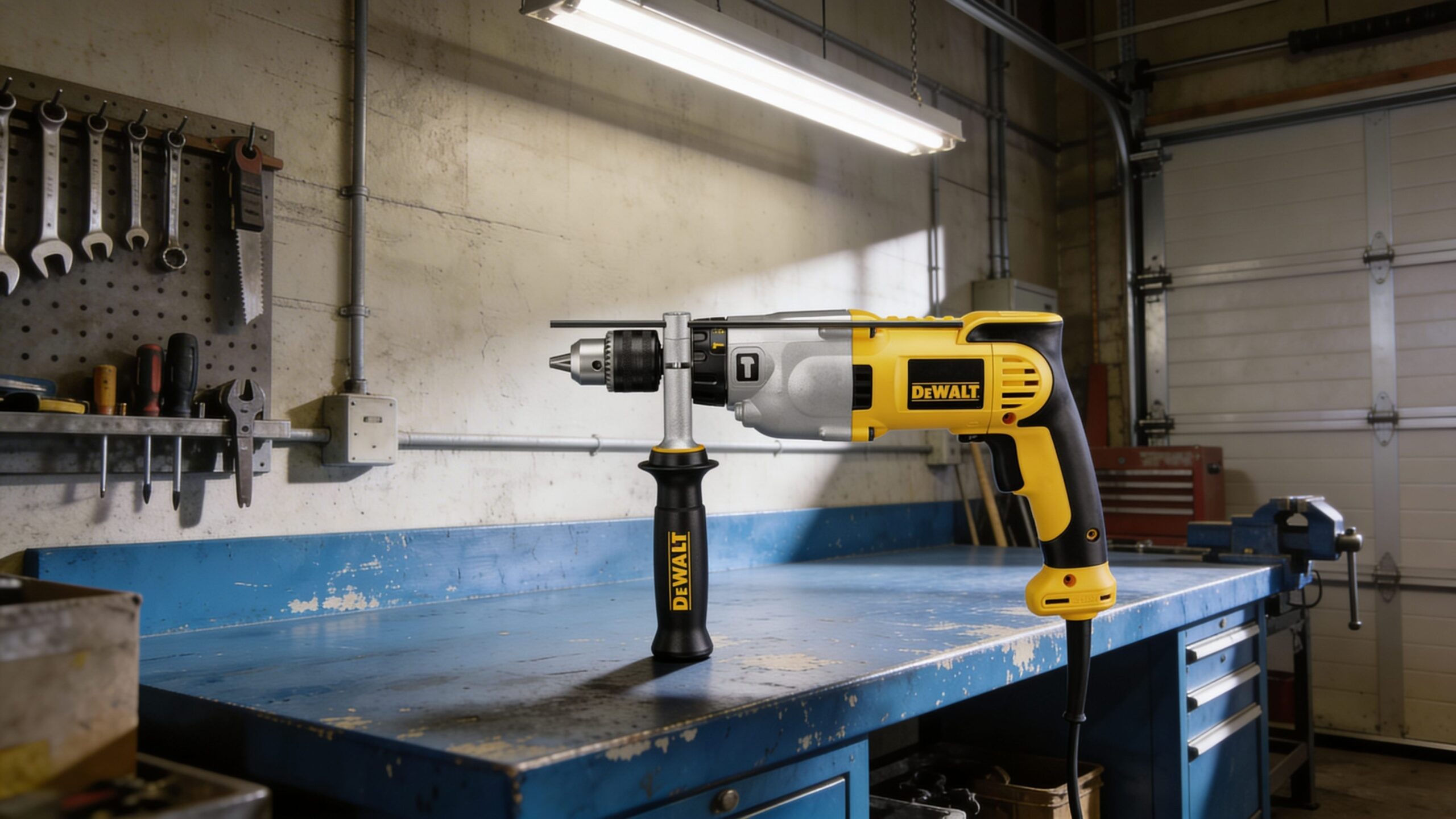
DeWalt DWD210G
Best value
A comparable corded drill that often comes in at a lower price point. It’s a practical option if you want steady plug-in performance for general drilling but are less concerned with brand continuity.
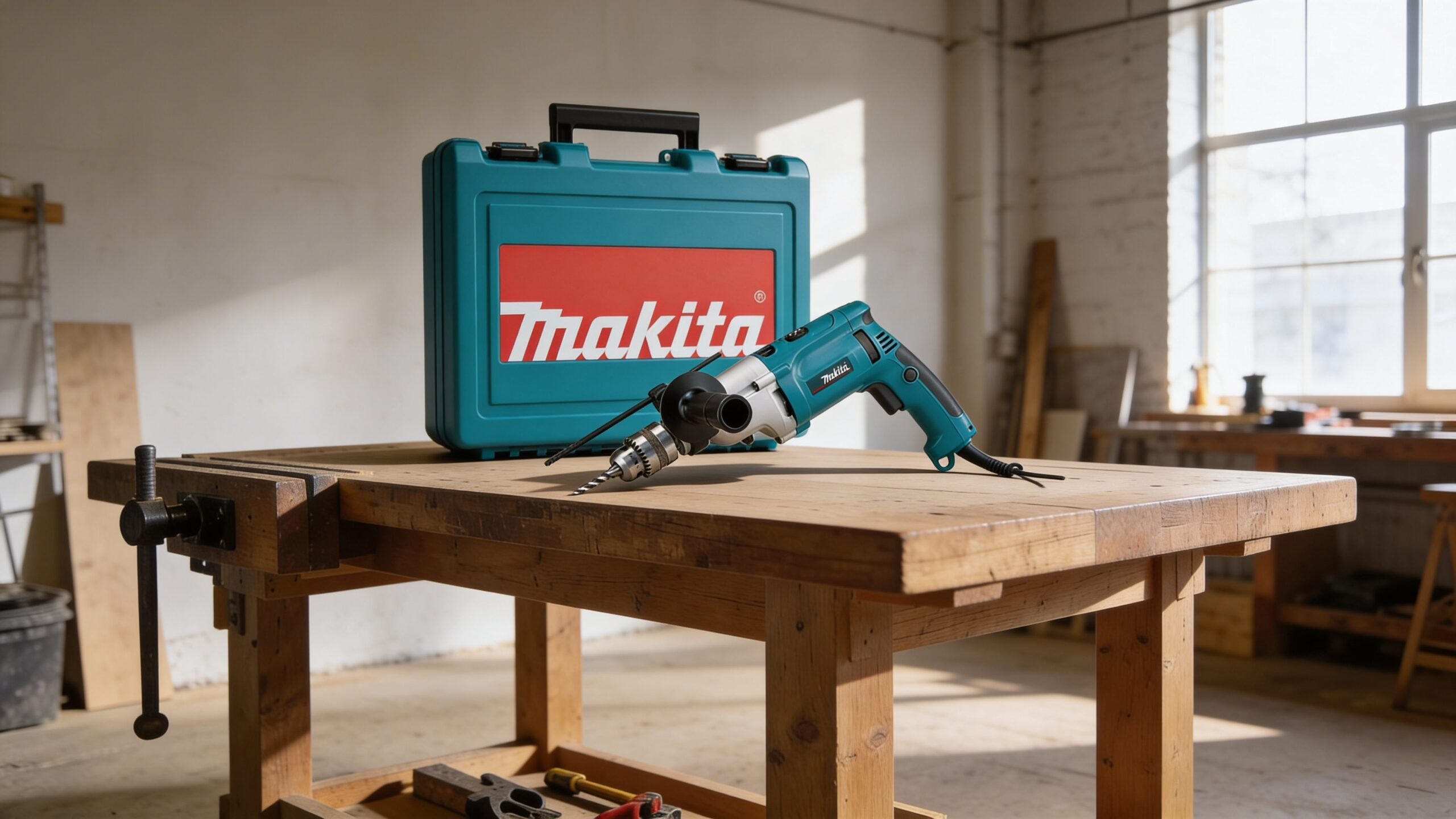
Makita DP4002
Smoother control
Known for balanced handling and smooth trigger response, this model can feel slightly more refined in day-to-day drilling. It’s a good fit if comfort and control during longer sessions are your top priorities.
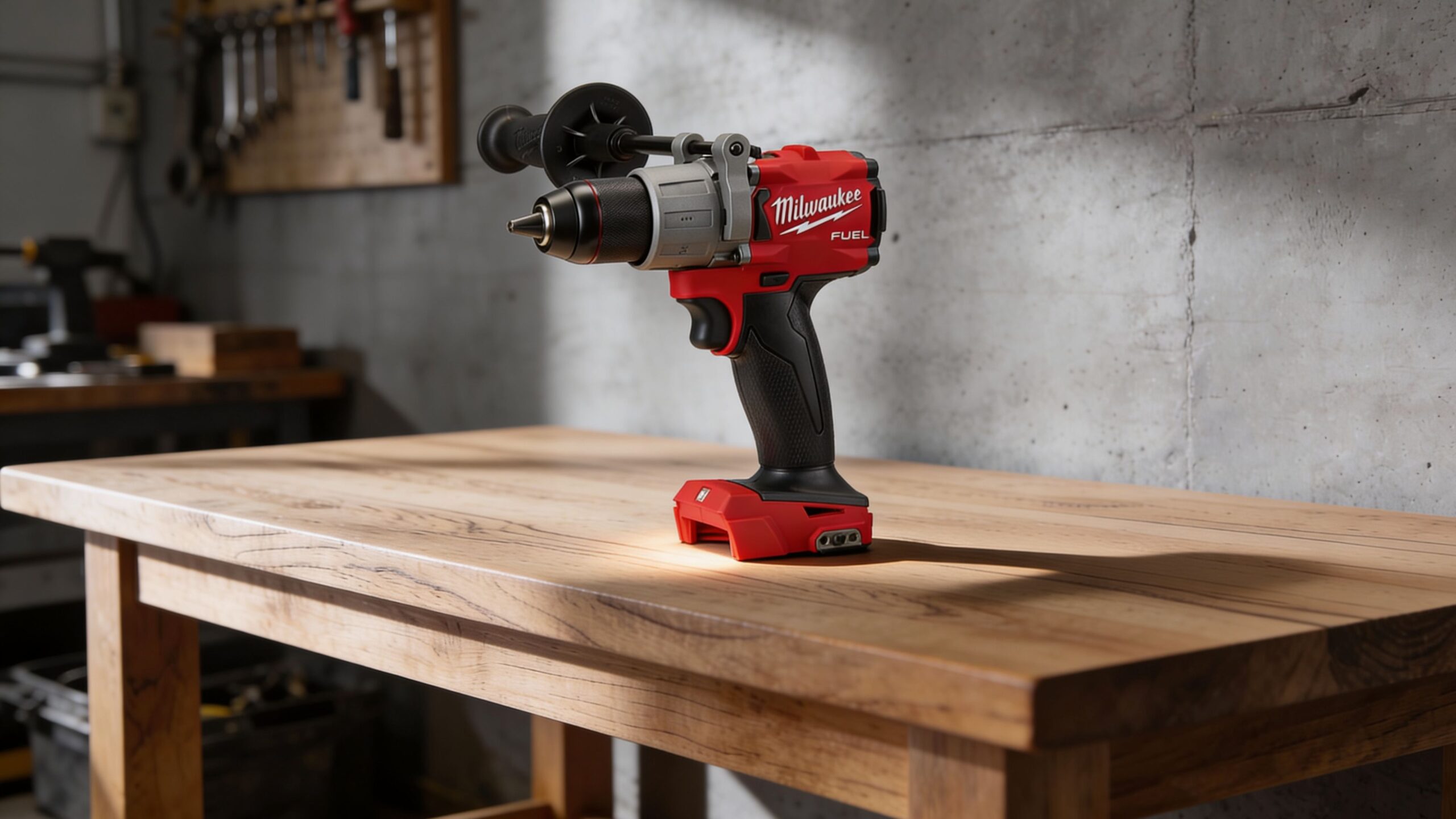
Milwaukee 2904-20 (Cordless Alternative)
Go cordless
If mobility is your main concern, a modern cordless drill like this trades unlimited runtime for flexibility and easier movement around a jobsite. It’s better suited to ladder work, tight spaces, and frequent repositioning.
Sources
Sources & reference notes
Specifications and product details referenced in this review were verified using publicly available manufacturer documentation and current product listings. Where configurations or included items vary by retailer, those differences are noted in the article where relevant.
- Milwaukee Tool — product documentation and published specifications for the Milwaukee 0234-6 Corded Drill.
- General corded drill category reference information (standard outlet power, typical accessories, and common use cases).
- Retail product listings used to confirm current naming, SKU variations, included accessories, and packaging differences.
Where to Buy
Milwaukee 0234-6
Corded Drill
Typical price range: $89–$179
Pricing varies by retailer and packaging. Corded models typically include the tool only (no batteries or chargers).
Check Current PriceReview Snapshot
Milwaukee 0234-6
8.2
Steady power, simple workflow
Best for continuous drilling in shop or remodel work where runtime consistency matters more than portability and cord-free movement.
- Performance: Maintains consistent pull under load for repeated drilling
- Handling: Controlled starts, but less convenient in tight or overhead work
- Value: Pays off when you want reliable runtime without battery costs
Top 10 List
See the best corded drills right now
Want the full picture? Our Top 10 breaks down the best corded drills by performance, durability, and real-world usability.
View the Top 10Compare Models
Compare this drill head-to-head
See how the Milwaukee 0234-6 stacks up against other top corded drills across drilling performance, handling, and overall value.
View ComparisonsAccessories You’ll Want
- Quality drill/driver bit set (fresh tips reduce cam-outs and keep driving more controlled)
- Bradpoint and twist drill bit assortment (cleaner starts in wood and more predictable holes in metal and plastics)
- Extension cord + strain relief (improves reach while reducing snagging and accidental unplugging during work)
- Right-angle attachment (helps reach inside cabinets, between studs, and other tight spots where the drill body won’t fit)
- Magnetic bit holder (speeds up repetitive bit changes and helps prevent dropped bits in awkward positions)
Tip: With corded drills, day-to-day convenience often comes down to bit quality and cord management—keep sharp bits on hand and use a good extension setup so the tool feels consistent and easy to control.