Milwaukee 0234-6 vs DeWalt DWD210G: Which Corded Drills Is Better?

This head-to-head comparison examines the Milwaukee 0234-6 and DeWalt DWD210G corded drills, focusing on power, durability, handling, and real-world tradeoffs to help clarify which tool fits your work.

By: Review Streets Research Lab
Updated: February 26, 2026
Approx. 10–12 min read
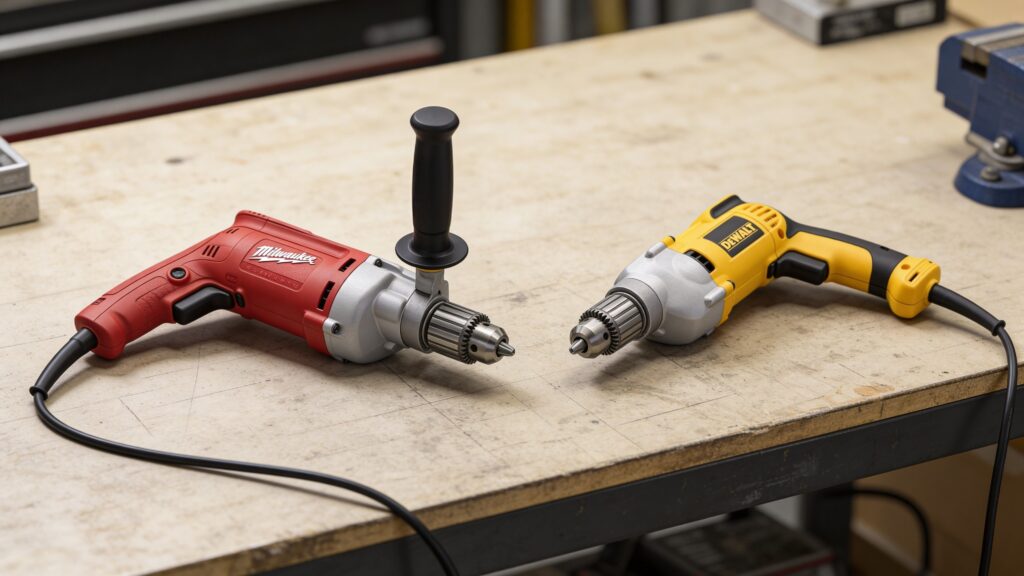
Milwaukee 0234-6 and DeWalt DWD210G corded drills positioned side by side on a workshop bench for professional comparison

Head-to-head

Milwaukee 0234-6 vs DeWalt DWD210G: Which Corded Drills Is Better?

A straightforward A/B look at what matters with corded drills: consistent power on long runs, handling and vibration, chuck confidence, durability signals, and which work style each tool best supports.
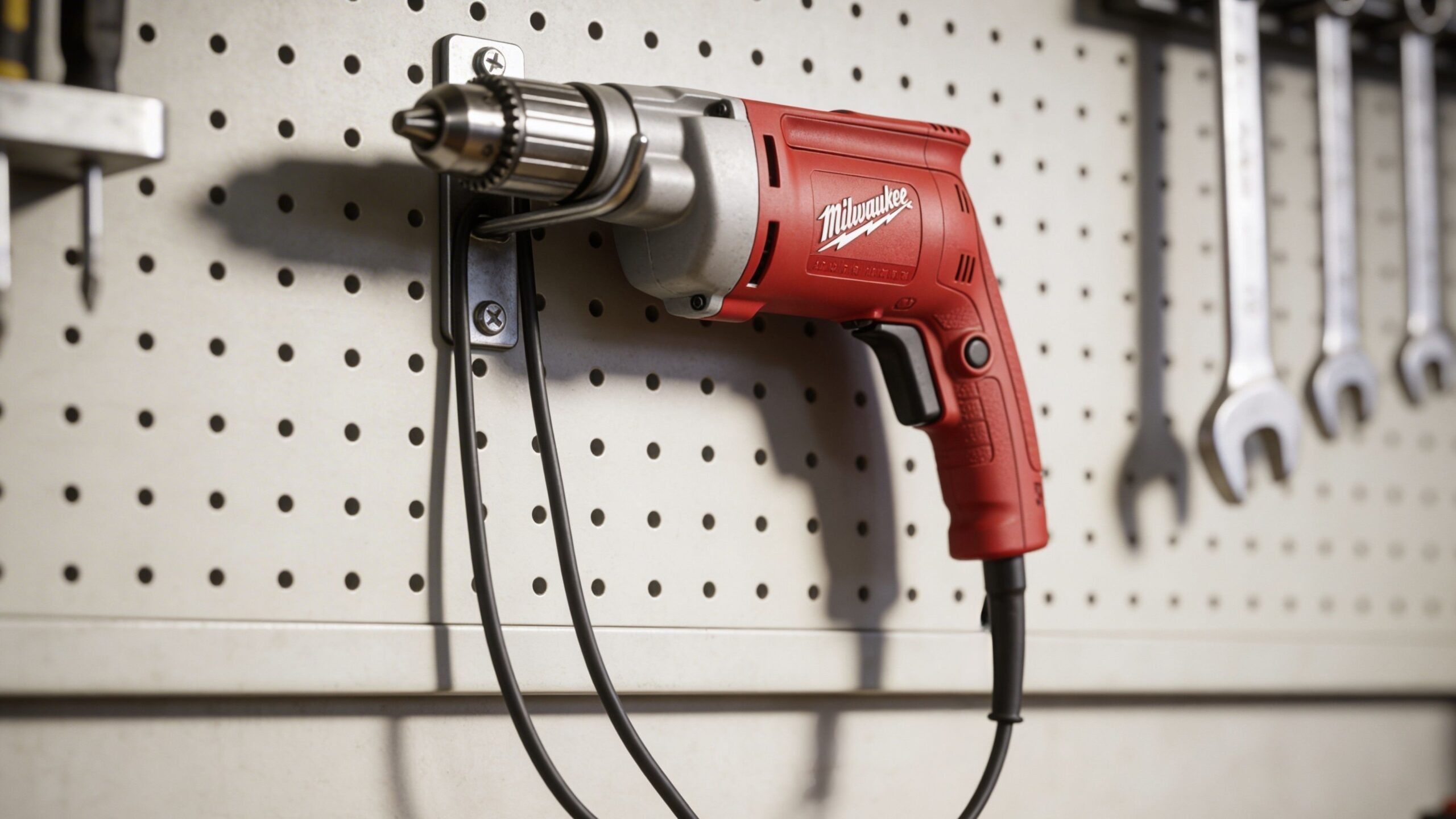
Milwaukee 0234-6 corded drill

Milwaukee 0234-6 Corded Drill

A work-focused corded drill built for steady, repeatable drilling when you’re on the trigger a lot—well suited to longer runs, tougher stock, and “keep going” jobsite use.

Score 8.7 Best for sustained drilling Battery Corded Why buy steadier under load
  • Feels more composed when you’re drilling repeatedly in dense lumber or using larger bits
  • Confidence-inspiring, straightforward controls for predictable starts and clean follow-through
  • Good fit for crews that prefer corded reliability and don’t want performance to taper over time
VS
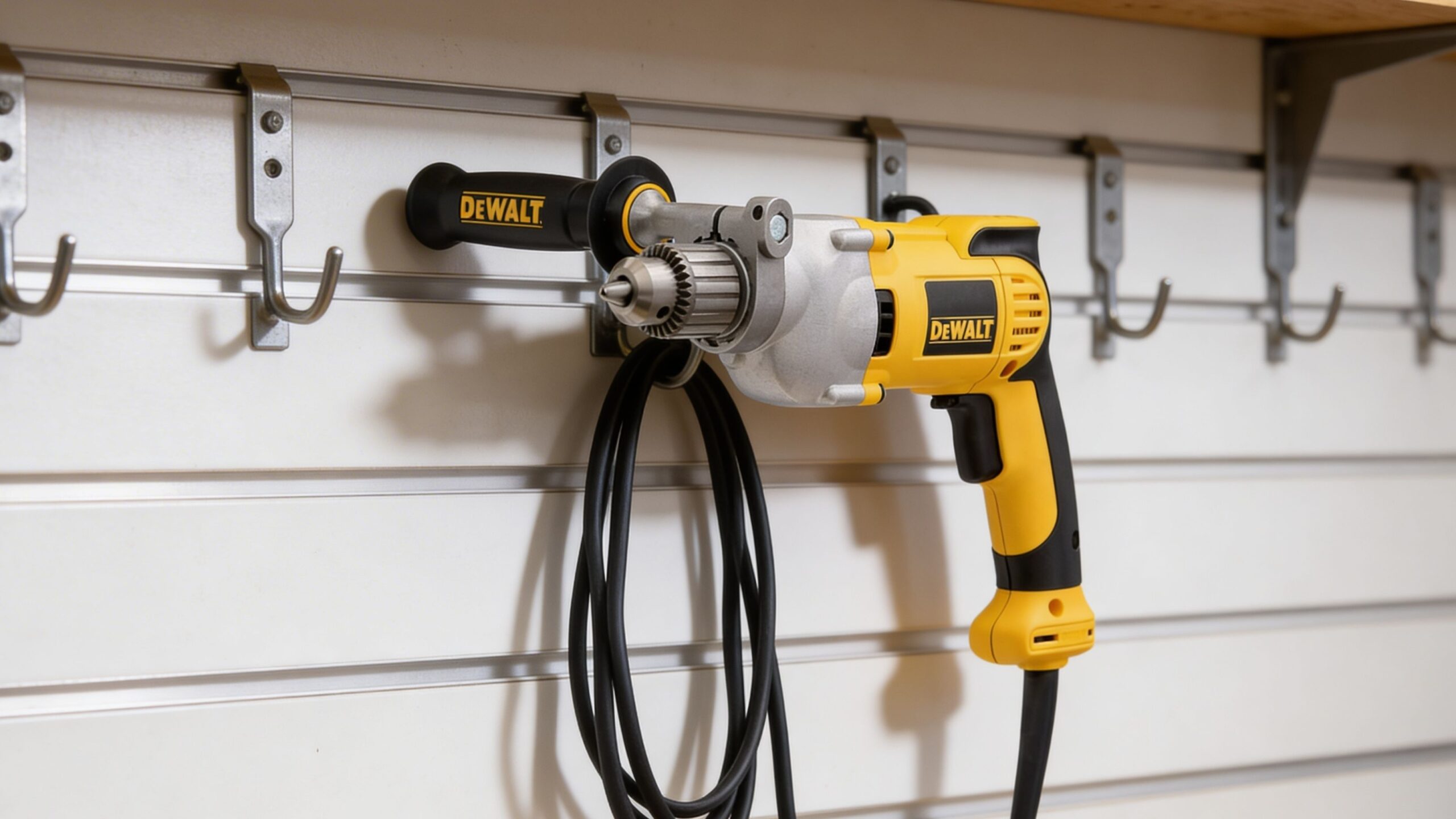
DeWalt DWD210G corded drill

DeWalt DWD210G Corded Drill

A practical, jobsite-friendly corded drill that prioritizes everyday control and comfort—well suited to general drilling, pilots, and routine fastening tasks where handling matters.

Score 8.4 Best for general drilling Battery Corded Why buy comfort + availability
  • Balanced feel for everyday holes in wood, metal, and shop tasks that demand good control
  • Easy to live with for frequent starts/stops and mixed-material work
  • Solid pick when you want dependable corded performance without overbuying for your workload
Power under load
More composed on tougher holes
Strong for typical tasks
Milwaukee
Control & clutch consistency
Confident trigger feel
Very steady for start/stop work
DeWalt
Ergonomics (feel + fatigue)
Stable, more work-forward
Friendlier for long sessions
DeWalt
Value (typical kit pricing)
Pays off if you drill hard
Often the simpler buy
DeWalt
Battery ecosystem depth
Strong service/parts support feel
Very common accessories + availability
DeWalt
Real-world context
This comparison reflects a synthesis of professional reviews, manufacturer data, long-term user feedback, and use-case patterns to highlight how each drill typically performs in everyday projects.

Milwaukee — Why people choose it

  • More “stay on it” confidence for repeated drilling and tougher material resistance
  • Feels built for continuous duty where consistent output matters more than features
  • Good match for pros who routinely drill larger holes or run bits hard without slowing down

DeWalt — Why people choose it

  • Comfortable handling for mixed tasks and frequent start/stop drilling
  • Practical everyday performance that fits a wide range of shop and jobsite needs
  • Easy to source accessories and replacement items on short-notice supply runs
Verdict: Choose Milwaukee 0234-6 if your priority is a more composed feel when the work gets demanding—long runs, tougher stock, and heavier drilling where consistency matters. Choose DeWalt DWD210G if you want a more comfort-forward corded drill for general drilling and everyday shop/jobsite tasks, with strong practicality and easy day-to-day ownership.
Read FAQs

Deep dive

What actually matters in this matchup

Both of these corded drills can handle everyday drilling, but the meaningful differences show up in how they feel during real work: how steadily they keep moving when the bit meets resistance, how controllable they are at the start of a hole, how much effort they demand over a long session, and how confidently they hold and track with common bits. This deep dive focuses on outcomes—consistency, control, fatigue, and ownership friction—rather than spec-sheet one-upmanship.

For longer drilling sessions: the Milwaukee tends to feel more “keep going” when you’re doing repeated holes in denser material, which matters when you don’t want to baby the feed pressure. The DeWalt can still do the work, but often feels best when you’re alternating tasks and prioritizing smooth starts and steady handling over brute persistence.

For control and clean results: start behavior and trigger feel affect accuracy more than most people expect—especially with metal, pilots, and holes where walking is a risk. The DeWalt typically favors predictable, easy-to-manage control for frequent start/stop drilling, while the Milwaukee’s advantage shows more when the hole is demanding and the tool needs to stay composed to finish cleanly.

For comfort and day-to-day workflow: corded drills remove battery decisions, but they add cord management and “how it carries” considerations. The DeWalt’s more comfort-forward feel can be easier to live with across mixed tasks and awkward positions, while the Milwaukee’s work-forward stability can pay off when you’re pushing larger bits or drilling for extended stretches where a steadier stance reduces rework.

For reliability confidence: what matters is how the drill holds up to frequent use without becoming inconsistent—slop at the chuck, vibration that creeps up, or controls that feel less precise over time. In practical terms, the Milwaukee is often the better fit when your priority is “don’t slow down when the material fights back,” while the DeWalt is often the better fit when your priority is “stay comfortable and in control across lots of everyday drilling.”

Methodology

How we evaluated these corded drills

Our evaluation focused on real tasks that reveal meaningful differences between corded drills, not spec-sheet claims. The goal is to reflect how the Milwaukee 0234-6 and DeWalt DWD210G behave in everyday work—how consistently they drill when material fights back, how controllable they are at the start of a hole, and how comfortable they remain across longer sessions.

Tasks: repeated drilling in framing lumber and dense stock with common bit sizes, clean pilot holes in wood and metal, start–stop drilling to evaluate controllability, and extended handheld use to assess vibration, balance, and fatigue.

What we scored: how the drill stays composed under resistance, how predictably it starts and tracks, chuck confidence with typical bits, ergonomics and fatigue over time, and the day-to-day ownership experience (cord management, accessory compatibility, and durability confidence).

How results are interpreted: outcomes are evaluated through a context-aware lens—some users prioritize steady, sustained drilling while others prioritize comfort and control for mixed tasks. We weigh strengths based on which qualities materially change workflow and reduce rework in common real-world scenarios.

What we ignored: advertised performance numbers, isolated lab-style claims, and minor features that don’t consistently show up as repeatable improvements in drilling quality, control, or long-session comfort.

FAQ

Milwaukee 0234-6 vs DeWalt DWD210G: Common questions

Which drill is better for typical home projects?
Both can handle common DIY tasks such as drilling wood, metal, and light masonry with the appropriate bit. The choice often comes down to feel and workload: users who value comfort and easy handling may prefer the DeWalt, while those expecting more sustained drilling sessions may appreciate the Milwaukee’s steadier work-focused character.
Is there a noticeable difference in power during real use?
Under lighter tasks, the difference is subtle. When drilling repeatedly in denser material or using larger bits, the Milwaukee may feel more composed, while the DeWalt tends to prioritize controllability and smooth operation during start–stop work.
Do corded drills like these still make sense compared to cordless models?
Corded drills eliminate battery management and provide consistent output for extended use. They can be a practical choice for workshop settings or job sites with reliable power access, especially when runtime consistency matters more than portability.
Which is more comfortable for longer sessions?
Comfort depends on how the tool balances in hand and how much resistance the material creates. The DeWalt often feels easier to manage across mixed tasks, while the Milwaukee may feel more stable when applying steady pressure during heavier drilling.
Are these drills suitable for metal and light masonry work?
With the correct bits, both drills are capable of handling metal and certain masonry applications within their intended use. Results depend more on bit quality and technique than on brand alone, though consistency under load may influence user confidence during tougher holes.

Key Takeaways

  • The Milwaukee 0234-6 tends to favor sustained drilling and tougher material resistance, making it better suited to longer, more demanding sessions where consistency under load matters.
  • The DeWalt DWD210G leans toward smoother handling and everyday control, which can feel more manageable during mixed tasks and frequent start–stop work.
  • With corded drills, the real distinction is less about peak output and more about how stable and predictable each tool feels when pressure increases.
  • Comfort and balance influence fatigue over time, so the better choice often depends on whether the work involves repetitive heavy drilling or varied, general-purpose tasks.
  • Both models remove battery considerations entirely, shifting the decision toward feel, durability confidence, and how each drill fits into a fixed workshop or powered jobsite setup.
  • For most buyers, selecting between these two comes down to preferred work style—steady, push-through drilling versus comfort-forward control across everyday projects.

Verdict

The Better Corded Drill for Most Real-World Work

In a corded head-to-head, the deciding factors aren’t battery platforms—they’re how confidently the drill keeps moving when material pushes back, how controllable it feels at the start of a hole, and how comfortable it remains when you’re on the trigger for extended stretches.

#1 Winner

Milwaukee 0234-6 Corded Drill

The better fit when your work regularly demands sustained drilling and a more composed feel under resistance—especially for longer sessions and tougher holes.

  • More consistent feel when the bit meets denser material or you’re drilling repeatedly
  • Work-forward stability that supports steady pressure and fewer mid-hole corrections
  • Better match for buyers who prioritize “keep going” confidence over mixed-task comfort

Runner-up

Jump to the Head-to-Head

Tip: If your work is mostly general drilling and frequent start–stop tasks, prioritize the drill that feels easiest to control. If you drill hard and often, prioritize the one that stays composed when the material fights back.

Where to Buy

We prioritize reputable sellers, easy returns, and reliable availability.

Price checks happen regularly. Some links may earn a commission—never affects rankings.

Accessories You’ll Want

  • Quality drill bit set (wood, metal, and masonry assortments with duplicates of your most-used sizes)
  • Sturdy extension cord (outdoor-rated, the right gauge for power tools, and long enough to avoid constant repositioning)
  • Right-angle drill attachment (helps in tight framing bays, inside cabinets, and other awkward angles)
  • Hole saw kit or step bit (for clean openings in sheet goods, hardware installs, and electrical/plumbing pass-throughs)
  • Chuck key and spare keys (easy to misplace and essential for keeping a keyed chuck secure and frustration-free)

Tip: With corded drills, cord gauge and bit quality affect real performance more than small spec differences—use sharp bits and a proper extension cord to avoid bogging.